African Women Shaping Africa’s Water Future: Leadership, Governance, Financing, and Partnerships for the Africa Water Vision 2063

DIALOGUE BRIEF | WRITTEN BY EUPHRESIA LUSEKA

Africa’s water challenge is no longer simply an infrastructure gap. It is a leadership and institutional challenge: who makes decisions, who controls capital, who governs water systems and who has influence over the agreements that determine how Africa’s water resources are managed. In recognition of Africa Women’s Day 2026, this Strategic Leadership Dialogue brought together African women leaders and experts to address a central question: what will it take to position African women as decision-makers shaping the continent’s water future, rather than primarily as beneficiaries of water systems? Convened by African Women in Trade, the Pan-African Women’s Organization (PAWO) a specialised agency of the African Union (AU), the Rural Water Supply Network (RWSN), the African Water and Sanitation Association (AFWASA) and other partners, the dialogue was led by Euphresia Luseka, with contributions from Dr Pedi Obani, Associate Professor of Law at the University of Bradford; Bethlehem Mengistu, Executive Director of Agenda for Change; and Ndeye Kebe, President of WIIS Senegal. The discussion focused on four levers that will determine Africa’s water future: leadership, governance, capital and partnerships. The strategic opportunity is to ensure that African women have meaningful influence across each of these levers, from policy and utility governance to investment decisions and transboundary diplomacy. This is critical to delivering the Africa Water Vision 2063. The ambition must be not simply to improve women’s access to water, but to increase women’s influence over the decisions, institutions and capital that determine Africa’s water future.

The Opening Perspective

Euphresia (Moderator):

Welcome to our Leadership Dialogue: African Women Shaping Africa’s Water Future: Leadership, Governance, Financing, and Partnerships for the Africa Water Vision 2063.

Earlier this year, African Heads of State adopted the Africa Water Vision 2063, recognising that gender equity is a prerequisite for water security. Yet according to UN Water, Sub-Saharan Africa faces an estimated $30 billion annual water investment gap, while women and girls spend 250 million hours every day collecting water.

So, today’s conversation is about a fundamental shift: How do we move African women from being disproportionately affected by water insecurity to becoming the leaders shaping Africa’s water economy?

Foundational Context

Euphresia (Moderator):

I want to anchor us in the powerful framing shared by Ndeye Kebe, President of WIIS Senegal.

She reminded us of Ole, 12-year-old girl who dreamt to be a doctor but never returned home after setting out to fetch water. Ole did not die because of war or disease but water access. Behind every statistic on water insecurity is a life constrained.

Imagine what Africa could achieve if those 250 million hours were redirected toward education, entrepreneurship, research, innovation and infrastructure? Water scarcity threatens livelihoods, intensifies resources competition, conflict vulnerability in communities, displacement, and gender-based violence.

However, transboundary cooperation demonstrates that shared water resources can become platforms for collaboration rather than confrontation.

Therefore, there will be no Agenda 2063 without water security, and there will be no water security without women.

She challenged us to position African women as negotiators, investors, and decision-makers. When women participate in mediation and natural resource governance, peace agreements become more durable and communities more resilient.  The ambition she set before us is; ensuring that by 2030, women hold at least 30% of decision-making roles in water governance and transboundary negotiations.

From Representation to Institutional Power

Euphresia (Moderator):

Ndeye’s challenge brings us directly to the first question: if women are to hold greater influence in water governance, what needs to change inside the institutions where decisions are made?

Bethlehem, across Africa, many policies already recognise gender inclusion. However, women remain significantly underrepresented in executive positions. What is the single most important leadership decision African governments and institutions must make today to move women move women from representation to real decision-making power in Africa’s water sector?

Bethlehem:

Across our continent, women already manage water daily in households, agriculture, healthcare systems and communities. They understand the realities of water insecurity deeply. Yet they remain underrepresented in the rooms where policies are designed, budgets are allocated and investments are prioritised.

We cannot build Africa’s water future while excluding the people who understand the challenge most directly. But this is not simply about inviting more women into existing structures. Leadership is not about participation alone but about sharing power.

Women should be intentionally placed in positions where they can influence policy decisions, investment priorities and institutional reform. Representation alone is not enough. We need women to have authority, resources and accountability. The strongest reforms I have seen happen when leadership is collaborative and locally driven. When different perspectives shape decisions, institutions become stronger, more responsive and more resilient.

The Africa Water Vision 2063 will not be achieved through infrastructure alone. It will be achieved through leadership that reflects the diversity, talent and ambition of Africa’s people. The question is no longer whether women are ready to lead; it is whether our institutions are ready to give women the authority to lead.

Euphresia (Moderator):

Thank you, Bethlehem. That distinction is key. This is not simply about increasing the number of women in leadership positions.

Representation without authority and decision-making power does not transform institutions.

Dr. Pedi, let me bring you into the conversation. You have written and lectured extensively on law, climate justice, and governance. What needs to change in how we frame women’s participation in water governance?

Dr. Pedi:

I think one of the most important shifts we need is how we frame vulnerability. Most conversations around water begin with the image of women walking long distances, carrying water, and providing care. Those realities are important, but when they become the dominant narrative, they limit how we see women’s potential. African women are often framed through what we lack rather than what we bring.

We need to move from a vulnerability-based approach to an agency-based approach. Women are not inherently vulnerable. Vulnerability is created by the systems within which people operate, systems that restrict access to resources, decision-making spaces, finance, and legal protections.

“If you think about a fish taken out of water, that fish becomes vulnerable because the environment does not support it. The issue is not the fish itself; it is the system around it.”

The same applies to how we understand women’s leadership. African women are not one single category. Women differ by age, education, income level, geography, and experience. So, policy responses cannot simply be about ’empowering vulnerable women’. We must ask: how do we remove the structural barriers preventing women from exercising their agency?

Moving forward, water governance must recognise women not only as beneficiaries of services, but as experts, professionals, entrepreneurs, regulators, and leaders.

Euphresia (Moderator):

Thank you, Dr. Pedi. Both of you have brought us to a central point: the challenge is not a lack of women’s capacity but whether institutions are designed to recognise, enable and use that capacity.

Moving women from carrying water to governing water requires a shift in mindset, but also a shift in systems. It requires changing who has decision-making authority, who controls resources, and whose expertise shapes outcomes.

Continue reading “African Women Shaping Africa’s Water Future: Leadership, Governance, Financing, and Partnerships for the Africa Water Vision 2063”

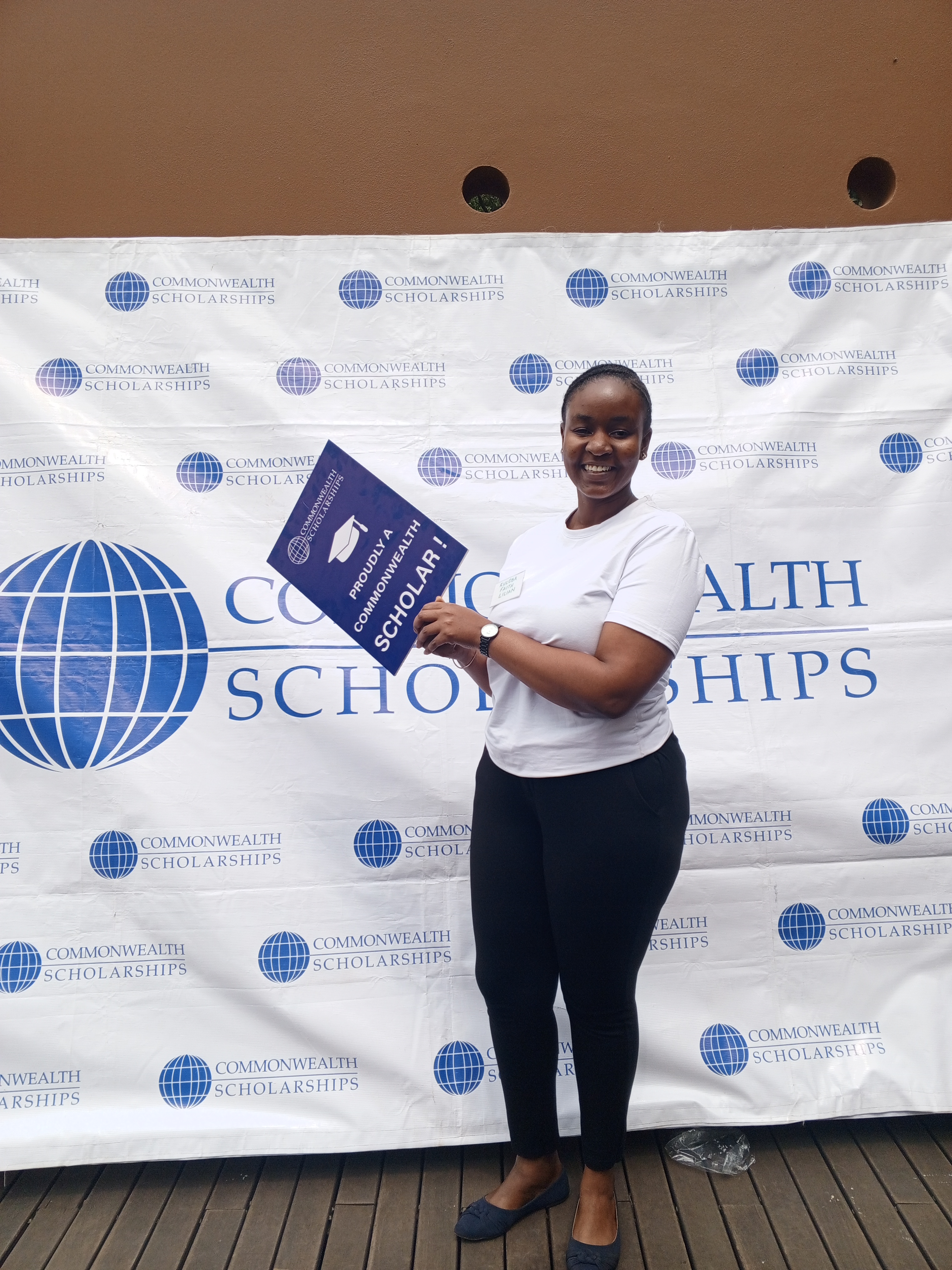
Highlights from the RWSN Mentorship Programme 2024: Faith Lilian Kuloba

This is a guest blog by Faith Lilian Kuloba, who participated as a mentee in the RWSN Mentorship Programme 2024.

My name is Faith Lilian Kuloba, a Ugandan currently pursuing an MSc in Water and Wastewater Processes at Cranfield University. My journey to this point began during my time as an Assistant Water Resources Engineer at Water Access Consulting, when my supervisor encouraged me to join the Rural Water Supply Network (RWSN).

About a year later, while reading one of RWSN’s monthly email updates, I found the 2024 Mentorship Programme for Career Development. Although I wasn’t sure what to expect, I applied with optimism, and I was honoured to be selected.

Shortly after submitting my application, I was paired with my mentor, Rodolfo Bezerra Nóbrega, a lecturer and researcher in the water and environmental sector. His extensive experience in research and academia made him the perfect guide.

At the time, I was eager to advance my career through further studies. I had already applied for several master’s programmes without success, and my family was experiencing financial strain, making the prospect of funding my education even more uncertain. When I shared my career goals and challenges with Rodolfo, he committed to guiding me through the process.

Applying for a master’s degree can feel overwhelming, but Rodolfo provided exceptional mentorship. He helped me identify the right programmes, advised me on suitable universities, and taught me how to search for scholarships including how to reach out to universities about funding opportunities. He supported me in reviewing scholarship requirements, refining my CV to UK standards, and learning how to write strong, structured essays. He also assisted with interview preparation.

Earlier this year, I was honoured to received the Commonwealth Shared Scholarship, which has allowed me to begin my masters programme at Cranfield University.

This mentorship programme has been truly transformative. Without Rodolfo’s support, encouragement, and skill, I would not be where I am today. Just a year ago, I was unsure how I would finance my studies and now I am in the UK pursuing the master’s degree I always hoped for.

My sincere thanks go to RWSN and the Skat Foundation for organising this mentorship programme. It is an outstanding professional initiative that empowers women in WASH to grow, learn, and advance their careers. I am deeply grateful for the knowledge, confidence, and opportunities it has given me.

To join RWSN and be informed about the next round of the mentoring programme, please sign up here.

Mentorship That Flows: My Journey in the RWSN and Women in WASH Mentorship Programs

This is a guest blog by Esther Lydia Akol, who participated as a mentee in the RWSN and Women in WASH 2025 Mentorship Program.

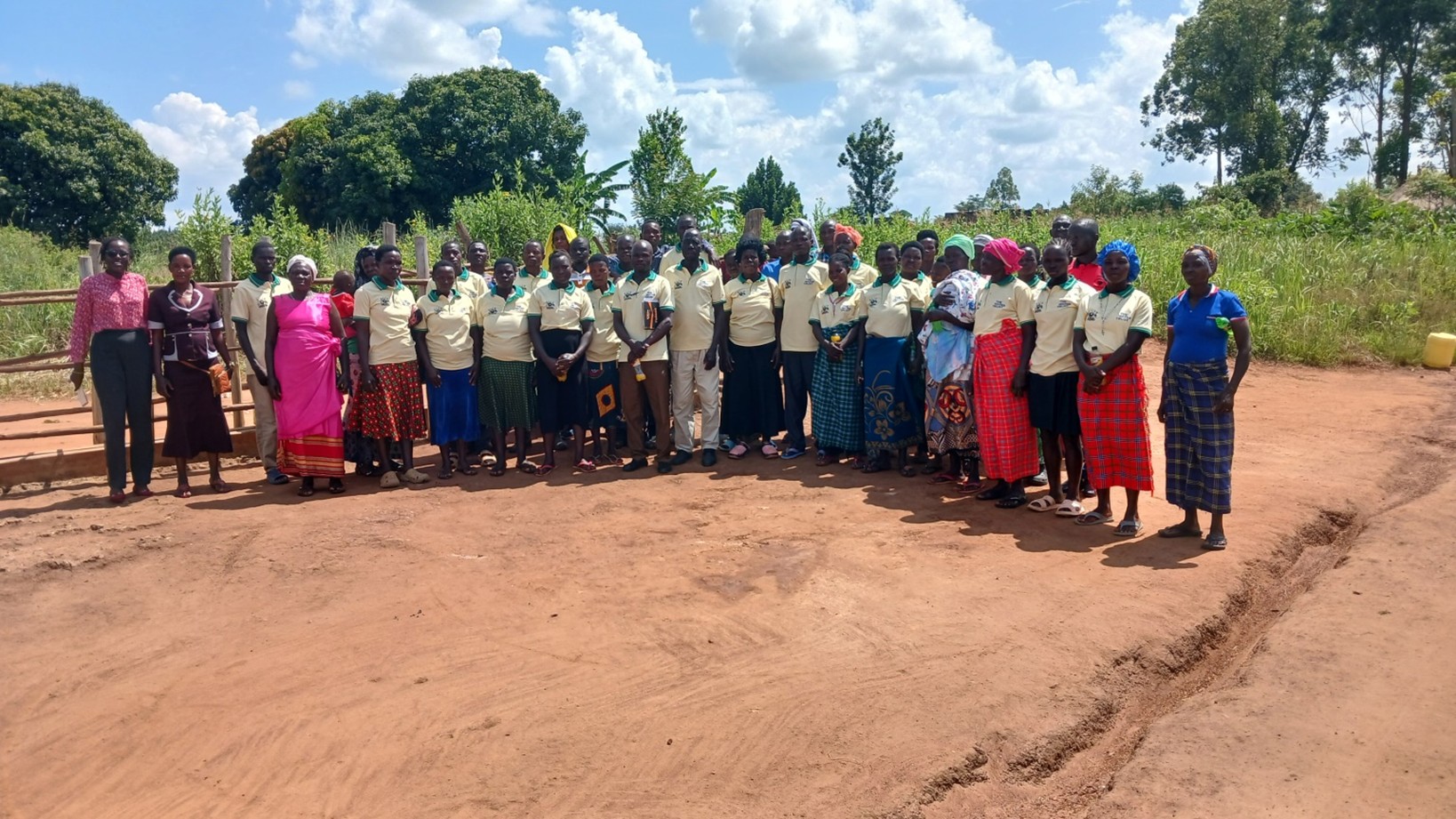
Photo: Esther (Mentee) with Community Water users after an Exchange Learning visist on Water Point Sustainability in Uganda

When I joined the RWSN and Women in WASH Mentorship Programs in April 2025, I hoped to grow professionally and expand my network. What I didn’t expect was a six-month journey that would challenge my thinking, deepen my confidence, and transform the way I approach leadership in rural water, sanitation, and hygiene (WASH). From meaningful conversations with my mentor to new global opportunities, these programs has shown me that mentorship is not just guidance; it is a ripple effect that strengthens communities, builds leadership, and fuels sustainable change.

My name is Esther Lydia Akol, a Ugandan WASH professional with The Water Trust. I joined the mentorship program to grow professionally, expand my network, and strengthen my leadership in promoting sustainable and inclusive rural water systems. Coordinated by the Rural Water Supply Network (RWSN) and Agenda for Change, the programs pair emerging professionals with experienced mentors to foster leadership, learning, and collaboration. It is more than a capacity-building effort; it is a platform for women to find their voices, share experiences, and lead change in communities and organizations.

Discovering Strength in Shared Experience

My mentor, Elon Ryan Sooknanan (PMP, MSc(Eng), MBA), brought a wealth of experience and a genuine spirit of guidance. Our monthly conversations went beyond technical discussions; they explored how sustainability, equity, and innovation intersect to make WASH initiatives more effective and inclusive. Through his mentorship, I learned to communicate with clarity, set achievable goals, and adopt a systems approach to rural water challenges.

Perhaps the most transformative lesson was realizing that mentorship is a two-way flow. While I learned from my mentor’s experiences, I also shared reflections from my work in Uganda’s rural communities. Together, we explored how local realities inform global strategies and how personal growth strengthens professional impact.

During this period, my mentor introduced me to Transformations Leeds (UK), a charity offering apprenticeship and coaching programmes in leadership. I was awarded a one-year apprenticeship and an additional six-month coaching opportunity focused on leadership, sustainable solutions, and climate change. Alongside this, he shared resources on scholarships and WASH knowledge platforms, which I continue to explore to expand my learning and global perspective. This experience demonstrated that mentorship often extends far beyond formal programme sessions, opening doors to lasting professional growth and collaboration.

Bridging Knowledge, Confidence, and Community

Beyond one-on-one mentoring, the RWSN and Women in WASH Mentorship Programs connected me with a diverse community of professionals committed to improving the sustainability and inclusivity of WASH services. Peer-learning sessions and resource-sharing platforms provided spaces for dialogue, reflection, and practical problem-solving.

What stood out most was the sense of community. Our mentor created a WhatsApp group for all the mentees he was mentoring, connecting us with WASH professionals from different regions and countries. Each participant brought a unique perspective, yet we shared a common determination to make a difference. Stories of resilience from across the globe reminded me that collaboration is one of the most powerful tools for advancing rural water supply.

Lessons That Will Flow Forward for me

Reflecting on this journey, I carry forward lessons that will guide my WASH and community development work:

  1. Mentorship multiplies impact. Guiding others strengthens leadership, knowledge-sharing, and the sustainability of development efforts.
  2. Diversity enhances problem-solving. Global exchanges between mentors and mentees bridge context-specific and universal challenges.
  3. Confidence grows through support. Having someone believe in your potential helps dismantle self-doubt and nurtures leadership courage.
  4. Networks are transformative. The mentoring programs connected me to a vibrant community of practitioners who continue to inspire collaboration.
  5. Gender equity drives sustainability. Empowering women in WASH leadership fosters inclusive, resilient, and community-driven systems.

A Call to Future Mentees and Mentors

To women joining future mentorship cycles: embrace every session, challenge, and conversation with openness and curiosity. Ask questions, share your story, and listen deeply to others. The RWSN and Women in WASH Mentorship Programs’ true strength lies in mutual learning, where every perspective contributes to shaping a more inclusive and resilient WASH sector.

To professionals considering mentorship: your experience and time are powerful investments in the next generation of WASH leaders. Mentorship is not about having all the answers; it is about guiding reflection, nurturing curiosity, and helping others grow in confidence and skill. Every shared insight strengthens a global community working toward sustainable rural water services.

Conclusion: When Women Lead, WASH Thrives

Participating in the RWSN and Women in WASH Mentorship Programs has been deeply transformative. It reaffirmed that sustainable water supply is not only about infrastructure—it is about people, relationships, and shared learning.

As I continue my work in Uganda, I carry the lessons of mentorship: the power of connection, the strength of collaboration, and the hope that when women lead, communities thrive. Every act of guidance creates ripples of change, ripples that sustain clean water, dignity, and opportunity for all.

About the author:

Esther Lydia Akol is a WASH Officer with The Water Trust in Uganda. She is passionate about sustainable WASH solutions, gender equity, and empowering rural communities to build resilient rural water systems.

Photo: Esther (Mentee) facilitating a community WASH Committee Meeting in Uganda

To join RWSN and be informed about the next round of the mentoring programme, please sign up here.

Mentorship: The Highlight of My WASH Journey

This is a guest blog by Kachusha Nkosha, who participated as a mentee in the RWSN and Women in WASH 2025 Mentorship Program.

Being part of the RWSN and Women in WASH Mentoring Programs has been one of the most defining experiences of my professional journey. Having previously mentored in the health sector, I joined the program eager to contribute, but what unfolded went far beyond expectation. It became a season of personal growth, deeper purpose, and renewed conviction in the power of mentorship as a tool for transformation.

I was privileged to be mentored by Dr. Marie Christine Faye, a woman whose wisdom, humility, and global WASH experience profoundly shaped my outlook. Her mentorship went beyond career guidance; it encouraged reflection, strategic thinking, and a systems approach to leadership. Through her example, I learned that great mentors do not simply provide answers, they create space for discovery, confidence, and courage.

As a mentor myself, I was paired with two exceptional mentees under the hygiene programming track. One of them, Ms. Samira Nassir, displayed remarkable growth and commitment. Her ability to absorb lessons and translate them into tangible progress was inspiring. Our exchanges were grounded in openness, curiosity, and a shared determination to make a difference. My second mentee faced challenges balancing professional and personal responsibilities, as she was not engaged full-time, but I shared resources that she affirmed were valuable. However, even that experience carried important lessons. I continued to share resources, encouragement, and opportunities, reaffirming that mentorship is not about perfection — it is about planting seeds of belief and resilience that grow in their own time.

This program validated one of my strongest personal values, the value of supporting others to rise. It reminded me that true leadership is measured not by personal achievement, but by the impact we create in others. This belief has always guided me and was at the heart of my TEDx Talk, where I spoke about the transformative power of mentorship and the ripple effect it creates in communities. The RWSN program gave that philosophy new depth, connecting it to a global community of women equally passionate about change.

Beyond professional development, this experience strengthened my resolve to continue advancing in the WASH field, particularly in systems strengthening. It inspired me to pursue higher studies and deepen my understanding of how sustainable change is built — not only through projects, but through empowered people, resilient systems, and collaborative leadership.

Looking ahead, I am more determined than ever to contribute meaningfully at local, regional, and global levels — championing women’s leadership, innovation, and inclusivity within WASH. The RWSN and Women in WASH Mentoring Programs have reaffirmed my belief that when we lift others, we lift ourselves — and when women lead with empathy and vision, entire systems transform.

Photo: Kachusha Nkosha mentoring the youth WASH Ambassadors Club – the first WASH Club in Zambia led by youths.

To join RWSN and be informed about the next round of the mentoring programme, please sign up here.

My Mentorship Journey with RWSN and Women in WASH 2025: Growing Through Guidance and Purpose

This is a guest blog by Alinafe Favour Kanyimbo, who participated as a mentee in the RWSN and Women in WASH 2025 Mentorship Program.

My name is Alinafe Favour Kanyimbo, a WASH passionate Malawian emerging professional with a background in Water Resources Management and Water Policy. Over the past few years, my academic and professional experiences have strengthened my commitment to advancing sustainable water and sanitation systems that improve community well-being, especially for women and youth. Earlier this year, I had the privilege to participate in the RWSN and Women in WASH 2025 Mentorship Programs,  an enriching journey that ran from April to September 2025 and profoundly shaped my professional and personal growth.

When I joined the mentorship program, I was enthusiastic to broaden my understanding of women in WASH, leadership, and professional development within the WASH sector. I was also looking for direction on how to channel my growing passion for inclusive WASH and Menstrual Hygiene Management (MHM) into meaningful action. I was paired with Mr. Sylvester Vungu, an experienced WASH professional whose leadership and dedication to community-centered development greatly inspired me.

From our very first interaction, my mentor encouraged me to reflect deeply on my career goals and to identify the specific areas I wanted to strengthen. Through consistent conversations, he shared valuable guidance on navigating career pathways, building confidence, and enhancing professional visibility. His mentorship also highlighted the importance of leadership grounded in empathy, collaboration, and service, lessons that resonated strongly with my own vision for community empowerment.

One of the most impactful aspects of the mentorship was our discussion on gender inclusion and women’s participation in the WASH sector. I came to appreciate how meaningful engagement of women in decision-making processes can transform not just water and sanitation outcomes but entire communities. Reading articles from different countries, I appreciated the efforts by different organizations like World Vision to promote MHM, especially in rural areas and schools. These reflections reinforced my dedication to championing inclusive WASH approaches that prioritize the needs, voices, and dignity of women and girls.

The regular sessions, knowledge-sharing events, and peer exchanges allowed me to learn from diverse perspectives and discover innovative solutions that can be adapted to local contexts in Malawi.

As I look back, the RWSN and Women in WASH Mentorship Programme has been more than just a professional development opportunity; it has been a journey of rediscovery and empowerment. It has strengthened my belief that when women are supported, mentored, and included in WASH initiatives, communities thrive, and sustainability becomes attainable.

As I move forward, I am motivated to keep contributing to the development of equitable, resilient, and gender-responsive WASH systems, ensuring that no one is left behind. I remain deeply grateful to my mentor, Mr. Sylvester Vungu, for his timeless support, encouragement, and wisdom throughout this transformative journey.


Author Bio

Alinafe Kanyimbo is a water and sanitation professional from Malawi with a Master of Science in Water Policy from the Pan African University Institute for Water and Energy Sciences (PAUWES). She is passionate about gender inclusion, climate resilience, and sustainable WASH systems that empower communities and promote equity.

To join RWSN and be informed about the next round of the mentoring programme, please sign up here.

Highlights from the RWSN Mentoring Programme – Gloria Musopole

This is a guest blog by Gloria Musopole, who participated as a mentee in the 2024 RWSN Mentoring Programme.

Participating in the RWSN Women in WASH Mentorship Program has been a great experience, offering many opportunities for both personal and professional development. The program provides a platform to connect with seasoned experts in the water sector, learn from their experiences, and gain valuable insights into navigating the challenges and opportunities in the industry. It also creates a space for building networks with fellow participants (both mentors and mentees), encouraging a supportive environment for learning, growth, and collaboration.

When I first joined the program I wasn’t sure what to expect. Looking back, I realise how much I have grown in my leadership abilities and technical skills. I have learned to take on challenges with confidence and approach tasks with a sense of purpose.

One of the highlights during this program was the opportunity to improve my skills in designing solar powered water supply systems, a field that holds a lot of potential for sustainable solutions in water access. through resources like the Global Water Partnership (GWP) course, I was able to improve my technical knowledge and now I feel more prepared to contribute to innovative projects in this area.

I have also learned the importance of strategic planning and preparation, particularly when it comes to advancing education and career opportunities. Success in competitive spaces, like school and scholarship applications, requires a well thought out plan. This insight is invaluable as I look to further my education and career within the water sector.

The program has also helped me to connect with a network of professionals from different countries, allowing for the exchange of ideas and solutions to common challenges in water sustainability. These connections are not only inspiring but are also a rich resource of knowledge and support for future collaborations.

I would like to extend my appreciation to RWSN and Women in WASH for organising such a life changing and career advancing program. Their dedication to empowering women in the WASH sector is truly inspiring, and I am thankful for the opportunity to be part of this initiative. I look forward to giving back and sharing my experiences with other emerging young professionals. I encourage anyone interested in the WASH sector to seek mentorship opportunities and connect with like-minded individuals.

Special thanks to my mentor, Elon Sooknanan, who generously shared his time and expertise in this journey. Through our sessions, I’ve gained the confidence to face challenges and opportunities head-on with belief and purpose.

Mentor’s Thoughts – Elon Ryan Sooknanan

“In March 2024, I had the privileged opportunity to mentor Gloria for six months through the Rural Water Supply Network (RWSN) mentorship program. Gloria’s experience was not only rich, resourced, and rewarding but truly a transformative one. She has always been persistent, consistent, and passionate about the issues of water, sanitation and hygiene (WaSH) in her community and by extension her country. Our initial conversations revealed a deep, unwavering commitment to making a difference, despite the multiple challenges she faced. As her mentor, I guided, supported, motivated, and inspired her. I shared my knowledge and experiences, and I helped her navigate the pathways of her professional aspirations. Mentoring Gloria has not only enriched her professional journey but has also deepened her understanding of networking and partnership and the critical importance of the 5Cs- culture, communicating, coordinating, collaborating and commitment in the field of WaSH. I look forward to seeing Gloria’s future successes and am grateful for the opportunity to have been part of her transformative journey of learning and growth” – Elon Ryan Sooknanan.

To join RWSN and be informed about the next round of the mentoring programme, please sign up here.

Guiding the future of STEM: empowering African women through mentorship

This blog is written by Mercy Hinga, a Water and Sanitation Engineer.

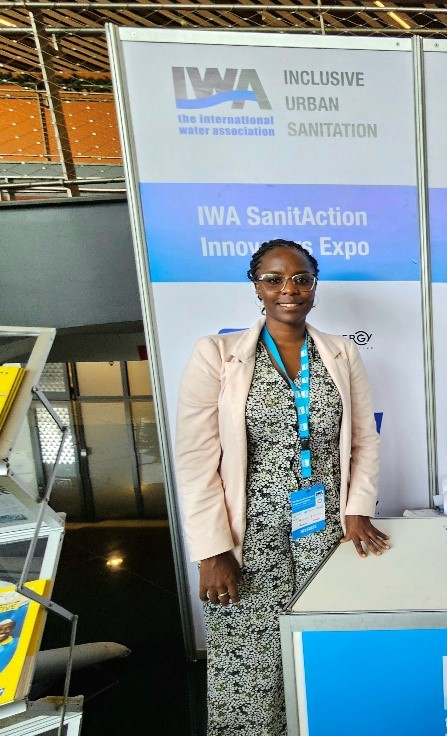
Photo: Attending the International Water Association Sanitation Conference and Expo. Photo Credit: Merch Hinga, 2023

In the dynamic realm of Science, Technology, Engineering, and Mathematics (STEM), mentorship stands as a powerful catalyst in propelling the aspirations of Kenyan women in the water sector towards attaining Sustainable Development Goal 6 (SDG6) – safe water and sanitation for all. Across the continent, where opportunities in the sector remain uneven, mentoring emerges as a beacon of hope, connecting emerging talents with seasoned professionals towards increasing skilled and diverse talent in the water sector.

A significant challenge faced by African women in STEM within the water and sanitation sector is the scarcity of role models and avenues for skill development. Imagine being a young engineer without a senior female mentor to turn to for guidance? This absence profoundly impacts motivation and career aspirations. This encounter motivated me to coordinate numerous meetings connecting a senior female engineer with my fellow graduate female colleagues, offering a platform for connection, guidance, and access to resources that would otherwise remain out of reach.

The impact of mentorship extends beyond personal growth; it shapes the future of STEM in Africa and communities at large. Drawing from personal experience in the Rural Water Supply Network (RWSN) mentorship program, my trajectory was transformed. This mentorship not only encouraged further education but also led to the prestigious Chevening Scholarship, shaping my career advancement. Furthermore, participating in the mentorship project Mentoring future women graduates in STEM in Africa implemented by the University of Plymouth and funded by the Royal Academy of Engineering (RAE) has played a crucial role in shaping my career aspirations in leadership and management. This has been achieved through engaging sessions with my mentor and fellow participants in the program.

While there has been tremendous improvement in the inclusion of women in water utilities, consulting firms, research institutions, and NGOs, it’s crucial to acknowledge that the glass ceiling has not yet been shattered. For instance, less than one in five water workers are women, according to new research by the World Bank’s Water Global Practice. Women are also underrepresented in technical and managerial positions where, in sampled utilities, on average only 23 percent of licensed engineers are women. This is contributing to an ongoing deficiency in the representation of women in both the expansion and leadership aspects of the field. More women need to secure seats at the table where decisions are made to ensure that diverse perspectives shape the future of the water and sanitation sector.

Mentorship plays a pivotal role in breaking barriers, extending its reach from low cadres to mid-level and management positions. To truly shatter the glass ceiling, mentorship programs should not only focus on professional development but also advocate for a conducive work-life balance. It is essential to empower women to enjoy what they do in the sector, fostering an environment where their contributions are not only recognized but also celebrated.

In my opinion, mentorship initiatives should extend beyond traditional hierarchies, creating networks where women can learn from each other at all levels. Establishing women’s networks within the sector provides a platform for sharing experiences, insights, and strategies to navigate challenges. These networks become invaluable sources of support, fostering a sense of community and mutual empowerment.

In conclusion, let us recognize mentorship as a powerful catalyst propelling African women’s engagement and success in the water and sanitation sector. Just as the proverb “it takes a village to raise a child” signifies collective support in nurturing future generations, supporting African women in the water and sanitation sector demands a collective effort. I believe that it is crucial for existing systems to champion and support the talents of women in STEM, fostering an environment where their contributions are not just acknowledged but celebrated, driving progress and innovation in these critical fields.

Mercy Hinga is a Water and Sanitation Engineer specializing in WASH Projects business models and financing. She is also a mentee with the Mentoring future women graduates in STEM in Africa project by the University of Plymouth and funded by Royal Engineering Academy UK.

Inspire inclusion through mentorship: a collaboration between RWSN and Agenda for Change

Image: An inspiring group of women water and sanitation professionals captured during World Water Week 2023 (L to R): Jane Nabunnya, Bethlehem Mengistu, Helen Pankhurst, Kate Harawa, Alec Shannon, Irene Gai, and Tara Bartnik.

The water and sanitation sectors have historically been male-dominated due to embedded gender and social norms, thereby restricting women’s study and employment in these fields. The lack of women role models has further contributed to the prevalence of men in technical and decision-making roles. While progress has been made in recent years, achieving gender parity in these sectors remains a challenge.

Gender disparities are especially pronounced in leadership roles within water-related career opportunities, such as utilities, ministries, and senior roles in non-governmental institutions. A World Bank study from 2019 conveyed that only 18% of their workers from 64 water and sanitation service providers worldwide were women, and only 23% of engineers and managers in a utility were female. These disparities start at the university level, which is why encouraging more girls to study science, technology, engineering, and mathematics related topics is crucial for untapped talent for the water and WASH sectors.

This is also where mentorship emerges as an effective strategy to help close this gender gap, since it enables professional development, equipping women with the skills required to navigate systemic barriers and collectively level the playing field. As a global network, RWSN has supported an annual mentoring scheme for young water professionals since 2019. This year, we are teaming up with Agenda for Change to offer both a general mentoring track and one specifically for women water and sanitation professionals, encompassing mentors and mentees at any career stage.

Mentorship benefits both mentors and mentees, fostering a win-win situation. The mentor’s role includes active listening skills, offering empathetic understanding to your mentee, and providing clarity on their personal and professional objectives. This dedicated focus on another’s journey fosters personal and professional growth, as seen in the example questions mentees bring (below), ranging from career paths to organizational decisions:

  • Does the student finishing her PhD really want a career in international development or will she achieve much more in her own country?
  • Should the mid-career consultant take over the retiring boss’s company or step away from water consulting completely?
  • How should an NGO manager rebuild and refocus the organisation after COVID?

Sponsorship complements mentorship. While mentorship enhances skills, provides guidance, and offers coaching, sponsorship goes further. The mentor becomes the mentee’s advocate, facilitating connections, and acts as an amplifier. This external facing aspect is equally vital and boosts the mentees access to opportunities.

On Women’s Day (and everyday), it is important that senior women not hinder the progress of those following in their career footsteps. Equally, for men to be subtle champions for women, fostering respect and an openness to learn about invisible barriers they may face. Ultimately, collaborative efforts between genders will continue to ensure continuous flow of talent that benefits us all.

Happy International Women’s Day!


We are thrilled to announce our joint RWSN and Agenda for Change mentorship program in 2024! Applications will open on 14 March 2024.

This year’s programme features three tracks: 

  • Women in WASH (for women only – with traditional and near-peer mentoring tracks)
  • Career Progression (for young professionals of both genders)
  • Solar pumping and groundwater courses alumni (by invitation)

Find more details on the eligibility criteria and on how to apply here: RWSN Mentoring programme – Rural Water Supply Network and here: Agenda for Change Women in WASH mentorship program.

Mentoring as a pathway toward increasing African women in STEM

This blog is written by Njeri Ngugi, a female Graduate Engineer who finalising her Master’s degree in Environmental and Biosystems Engineering.

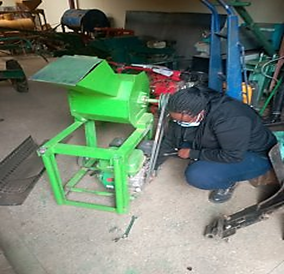
Feature image: Njeri Performing routine maintenance on feed chopper, Kenya, 2023. Credit: Njeri Ngugi

“Achieve Gender Equality and empower women and girls” is the stated goal of United Nations Sustainable Development Goal 5 (SDG 5). The UN and Constitution of Kenya, 2010 acknowledges gender equality as a fundamental right and cornerstone of a sustainable, peaceful, and prosperous global community. Gender equality pertains to equal access to health care, legislative representation, economic processes, education and decent work.

I define mentoring as when someone (a mentor), shares their knowledge, skills, and experience with another person (a mentee), to help them to progress. It is a relationship between two people with the goal of professional and personal development.

I believe we all should wear both caps. Seek guidance from those with more knowledge and/or experience whilst guiding others.

The underrepresentation of women in Science, Technology, Engineering, and Mathematics (STEM), particularly in Africa and even in my country Kenya, is a challenge that demands innovative solutions. We continue to face barriers in pursuing STEM careers, ranging from cultural stereotypes to limited access to educational resources amongst others. Mentors serve as living examples that debunk myths and demonstrate that success knows no gender.

Statistics Confirm Power of Mentorship for African Women Engineers

According to a 2021 UNESCO report on Unlocking the Potential of Girls in STEM in Kenya, women make up 35% of students in STEM in higher education worldwide.

I am a Kenyan graduate engineer under the Engineers Board of Kenya (EBK) – the Kenyan statutory body that registers and accredits engineering programs offered by universities. As of January 2024, out of the 21,769 registered graduate engineers in Kenya, only 3,010 are women, representing a paltry 13.8 percent.

“If you cannot see where you are going, ask someone who has been there before.”

J Loren Norris

Over the years, I have sought mentors at various stages of my life and career. I have not only gained knowledge and skills but also obtained invaluable tips about challenges faced and those expected in pursuing my education and career.

There are initiatives across Africa actively mentoring women in STEM. These initiatives are actively working towards bridging the gender gap in STEM fields by providing mentorship, training, networking, and support systems that empower African women to excel and thrive in STEM. They include African Women in Science and Engineering (AWSE), Society of Women Engineers (SWE) Africa, TechWomen Africa, African Women in Agricultural Research and Development (AWARD) and Next Einstein Forum (NEF) Fellows Program. I would like to highlight two more that have transformed my career.

The Institution of Engineers of Kenya (IEK) has a mentorship platform under the Women Engineers Chapter. By linking mentees with established professionals, the mentorship program provides access to a broader range of opportunities, including internships and collaborative projects. Additionally, mentoring enhances personal and professional networks, making job hunting easier when the time comes. Engaging with women engineers has played a pivotal role in boosting my confidence and challenging stereotypes that discourage women from entering and building engineering careers.

I am currently a mentee under Mentoring future women graduates in STEM in Africa implemented by the University of Plymouth and funded by the Royal Academy of Engineering (RAE). My mentor Euphresia Luseka has guided me in career mapping and held me accountable to achieving my goals. She encouraged me to envision myself in leadership roles within STEM. As mentees progress in their careers, they often become mentors themselves, creating a ripple effect that contributes to a sustainable increase in the number of women pursuing and excelling in STEM fields.

African women in STEM should proactively utilize such programs that aim to connect them with experienced mentors, offering support, guidance, and networking opportunities to advance their careers in STEM.

Finding Your Mentor and Grow Towards Your Goals

A mentee must identify what you hope to achieve through mentorship. Clarify your career aspirations, areas for improvement, or specific skills you want to develop. Leverage professional networks, both online and offline, to connect with individuals who align with your goals. LinkedIn and industry associations have been particularly helpful to me. Subsequently, identify potential mentors, initiate contact through a polite and concise message. Express your admiration for their work and articulate why you seek their mentorship.

The mentorship relationship needs to be built and nurtured. Where possible, invest time in building a relationship before formally asking for mentorship. Attend their activities, engage in discussions, or seek advice on specific topics to establish rapport. Define the structure, frequency of meetings, and specific areas you hope to focus on during the mentorship. Open communication is key to a successful mentorship.

Mindfulness in any relationship enhances gratitude and satisfaction, and mentorship is no exception. Explicitly recognizing the four pillars of mentorship (trust, respect, expectation, communication) strengthens the relationship and makes it more effective.

Paying it Forward keeps the Future of Mentorship Bright

In learning you will teach, and in teaching you will learn.

Phil Collins

For women in STEM fields, loneliness can be a major disincentive. Through the connection of women with similar experiences, mentoring fosters a sense of community. This network of support not only advances their career path but also makes the STEM field more diverse and inclusive.

In the quest to increase the number of African women in STEM fields, mentoring serves as a ray of hope. Mentorship programs have the capacity to unleash the full range of creativity and talent present on the continent by establishing a culture of support, encouragement, and direction.

As Our World in Data reveals, it is worth noting that while economic gender disparities are still prevalent and significant, they are now less than they were a few decades ago. As we celebrate the successes of women who have broken barriers in STEM, let us also commit to paying it forward, creating a future where the brilliance of African women in STEM shines as a beacon of progress and inspiration.

About the author:

Njeri Ngugi is a female Graduate Engineer finalising a Master’s degree in Environmental and Biosystems Engineering (Irrigation and Water Resources Engineering) and holds a Bachelor’s degree in Agricultural and Biosystems Engineering. She is registered with the Engineers Board of Kenya (EBK) as an EIA/EA Associate Expert with a passion for Integrated Water Resources Management, Multiple uses of water and the water-food-energy nexus. She is also a mentee with the Engineers Board of Kenya and Mentoring future women graduates in STEM in Africa project by the University of Plymouth and funded by Royal Engineering Academy UK.

My experience with the RWSN Mentoring Programme

This is a guest blog by RWSN mentee Margret Mwanza and RWSN mentor Esther Shaylor.

My name is Margret Mwanza, a Zambian who recently completed her Master of Science in Advanced Water Management from Cranfield University in the United Kingdom. As a young professional in the international water and environment sector, I became a member of the Rural Water Supply Network (RWSN) at the start of my MSc program and eventually, I came across the RWSN Mentorship Programme, a journey I embarked on in May 2023. At that point, I was eager to grow in the water sector and expand my professional network. I was interested in the prospect of being paired with a mentor who could guide me in job hunting, networking, career progression, and project management.

I sought to be paired with Esther Shaylor, an Innovation Manager for the UNICEF Sustainable WASH Innovation Hub in Denmark. She has always been a distinguished water and sanitation engineer and a published researcher. Her record in designing and implementing innovative solutions to WASH challenges in resource-poor environments and her systems thinking and people skills made her an ideal mentor for my aspirations.

Our mentorship journey began with a focus on networking. Esther encouraged me to proactively seek opportunities to connect with industry leaders and professionals by utilising platforms such as LinkedIn, participate in events under RWSN, my University, and membership bodies like CIWEM, and IWA, and be on the lookout for events in the industry that would provide this opportunity. The interactions I got from these recommendations not only broadened my professional network but also opened doors to new and exciting opportunities within the sector.

The quest for a fulfilling career in the water sector can be daunting for early-career professionals. My mentor played a crucial role in guiding me through my research thesis by suggesting valuable blogs, such as Ian Ross’s insights on the economics of water, sanitation, and hygiene (WASH) services. Additionally, she assisted me in identifying work and learning opportunities through platforms like Josh Water Jobs and making effective use of LinkedIn connections. To strengthen my professional profile, she suggested I actively participate in CV and cover letter reviews by tapping into the resources offered by the university careers office and seeking input from HR professionals in my previous workplaces. This was coupled with enhancing my branding on various social media platforms, applying the STAR method to articulate my skills and experiences effectively and diligently following up on unsuccessful applications and interviews. Her insights were influential in helping me navigate the competitive job market with confidence.

My mentor was key in helping me define my career goals and develop a strategic plan for professional advancement and career progression. Through honest discussions, we defined areas for personal and professional development and explored potential career paths within both the UK and international water sector. Her guidance enabled me to envision my career path and set achievable goals for achieving professional objectives. Having previously worked on projects in the international WASH sector, my mentor provided some useful tips in project planning, stakeholder engagement, resource allocation, and monitoring and evaluation. These insights equipped me with practical tools and techniques applicable to future projects in the WASH sector. She also advised me to seek training and learning opportunities that would intensify this skill. 

What stood out about Esther was her genuine interest in understanding my life beyond the professional and academic boundaries. She always encouraged me to maintain a social life, make friends, explore the UK, embrace different cultures, find my niche, and take each day as it came. This integrated approach contributed to a more balanced and fulfilling career journey.

As I embark on the next chapter of my career, I carry with me the priceless guidance my mentor rendered to me through the RWSN Mentorship Programme. I am confident that these experiences will serve as a compass, guiding me toward a fulfilling and impactful career in the water sector. The program, timed perfectly with my academic journey, provided the guidance needed to complete my thesis research, complete my MSc program, and secure a job in the industry. The RWSN Mentorship Programme stands as evidence of the transformative power of mentorship in personal and professional development. This has been a journey of growth, learning, and empowerment.

To join RWSN and be informed about the next round of the mentoring programme, please sign up here.