The UN WWDR 2026 shall serve as a vital resource, illustrating how global trends and phenomena are reshaping gender dynamics in societies around the world. The interplay between conflict, migration, and gender equity in WASH reveals stark realities. In regions afflicted by conflict and instability, women’s safety and access to essential services are severely compromised.
The plight of women in conflict zones is further exacerbated by migration. Women and girls face an increased risk of sexual and gender-based violence during conflicts. Yet, amid these challenges, women remain indispensable agents of change—actively participating in peace-building, conflict resolution, and post-conflict reconstruction. This resilience highlights the need to recognize and harness women’s potential for positive transformation in their communities.
Migration and its intersection and climate change also alters traditional gender roles and expectations, as families adapt to new environments; it presents opportunities for economic independence and education, empowering them to challenge restrictive gender norms. Still Migrant women often encounter exploitation, discrimination, and limited access to resources, underscoring the urgent need to address these barriers.
Corruption emerges as another formidable barrier to WASH and gender equity. It restricts women’s access to essential services and undermines their participation in leadership and decision-making processes, as demonstrated in weaponisation of water. U.N. Women has called for urgent action to protect Sudanese women and girls, emphasizing the need for accountability in addressing high levels of sexual violence and exploitation. “We cannot let Sudan become a forgotten crisis,” asserts U.N. Women’s Addou, highlighting the critical necessity for action in conflict-affected regions.
On my blog on Diversity in Water sector leadership I emphasise the concerning underrepresentation of women. A World Bank report highlights that less than 18% of the workforce in water utilities are women and that two-thirds of sanitation leaders are white according to a FLUSH LLC publication that I co-authored. This systemic inequity reflects deeper societal structures, suggesting that without diverse leadership, the water sector risks stagnation and failure in meeting SDG6 targets.
“Gender equality is a fundamental human right and an obvious question of equity and fairness. But it is also a necessary foundation for sustainable development and a peaceful, prosperous world.” – Beate Trankmann, UNDP Resident Representative
However, the intersection of WASH reveals profound challenges that hinder the potential of women and girls in achieving equitable and sustainable development, within the realms of WASH. Cecilia Sharp, UNICEF Director of WASH and CEED, explains this by informing that “unsafe water, toilets, and handwashing at home robs girls of their potential, compromises their well-being, and perpetuates cycles of poverty.” She added, “responding to girls’ needs in the design and implementation of WASH programmes is critical to reaching universal access to WASH and achieving gender equality and empowerment.”
Since the emergence of gendered thinking in WASH in 1970s, the dialogue surrounding gender equity has evolved including a dedicated SDG 5 that envisions a world where gender equality is achieved and all women and girls are empowered. It targets the eradication of discrimination and violence against women, child marriage and female genital mutilation, and the recognition of unpaid care work. Furthermore, it emphasizes the necessity for women’s participation in decision-making and access to sexual and reproductive health services.
Water Scarcity and Gender Inequality: Exploring the Hidden Costs of a Thirsty World
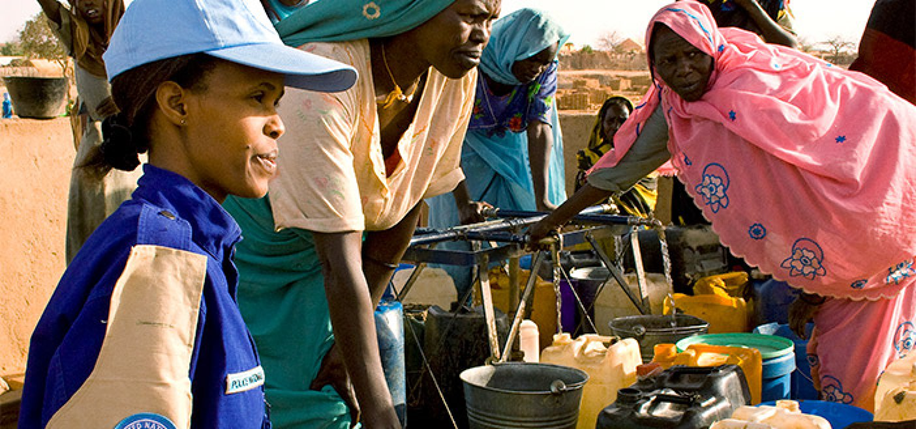
The intersection of WASH and gender unveils unique challenges that disproportionately burden women and girls. As demonstrated on Graph 2 below, Research reveals that when water sources are not easily accessible, women and girls aged 15 and older assume the primary responsibility for water collection in 70% of households—an alarming statistic that starkly contrasts with the 30% of households where men share this burden. This reality not only highlights the entrenched gender roles but also raises critical questions about the time and energy expended by women and girls, which could otherwise be invested in education, employment, or health.
This multifaceted vulnerability contributes to a staggering increase in mortality rates among women and girls.
Brightening the Horizon: Positive Trends in Gender Recognition in WASH Initiatives
“In the landscape of gender recognition, a nuanced narrative unfolds—one that, while acknowledging persistent challenges, also celebrates the transformative strides women are making within the water sector.”
The forthcoming UN WWDR 2026 stands as a beacon of hope, poised to spotlight the remarkable achievements of women in this vital field. By illuminating their contributions and sharing success stories, the report shall aim not just to honour past accomplishments but to ignite inspiration in future generations of women aspiring to carve out their own paths in WASH careers. This acknowledgment is not merely celebratory; it is a critical step toward fostering gender equity in a sector that has historically marginalized female voices.
Senegal, for instance, has shown remarkable strides between 2015 and 2020, as highlighted in the 2022 SDG Gender Index by Equal Measures 2030. They improved on undernourishment (SDG2) and drinking water (SDG6). The Senegalese government, since adopting the Beijing Declaration, has actively championed gender equality. The introduction of a parity law for elected institutions in 2010 has positioned Senegal as a global leader, boasting one of the highest proportions of women parliamentarians in West Africa. This progressive move places Senegal fourth in Africa concerning gender parity in its legislative assembly. Complementing these efforts, the government has ratified several international conventions to bolster women’s rights and developed a National Strategy for Gender Equity (SNEEG 2016-2026), to ensure equitable participation of both genders in decision-making and access to resources.
Such positive trends in gender recognition in WASH, have spilled into the political arena particularly women’s activism; Hon. Anne Désirée Ouloto—dubbed ‘Maman Bulldozer’ lead transformative efforts in WASH initiatives in Côte d’Ivoire. Presiding over a monumental US$1.2 billion investment in sanitation and drainage in Greater Abidjan, her work exemplifies the profound impact of female leadership in WASH sector.
Moreover, Women are not just participating but breaking barriers, challenging norms and stepping into leadership roles, shaping policies, and driving change by making their voice heard. Indonesia’s Retno Marsudi, who serves as the first UN Special Envoy on Water, exemplifies the vital role women play in global discourse on water issues.


 Rural Water Supply Network - blog