
With our 9th blog on Pastoralists on Water in this series, let me give the floor to Patrick Worms, Senior Science Policy Adviser for the Nairobi-based World Agroforestry Centre, with his reflections on very rapid land degradation. And if you are wondering how this relates to water, do check out our 5th blog – A brief introduction to green water.
By Patrick Worms
“Last month, I gave keynotes on grazing management and agroforestry at a conference on climate and health I was kindly invited to by Nightingale Wakigera, Maison Ole Kipila and Nathan Uchtmann at Maasai Mara University in Narok, Kenya. I focussed on the very rapid land degradation that typically follows the spread of fencing across the savanna, be it for livestock grazing or to keep wildlife penned into too-small conservation areas.
Maasai Mara may be one of the better places in East Africa to contrast the results of good and bad grazing management: on one side of the fence, you have the vast Serengeti-Maasai Mara ecosystem, where a million-strong wildebeest herd follows the rains and new grass in their massive migration, one of the last ones on the planet; on the other, the creeping fences are privatising the savanna into small enclosures. The resulting contrast couldn’t be greater: swaying, thick grasses on one side; degraded, bare ground and thorny bushes on the other.

From the perspective of soil and rangeland health, it doesn’t much matter if your grazers are cows or wildebeest. What matters is the way the grazing is done. An intense, short period of grazing followed by a long rest period is best. That’s the management style pioneered by lions chivvying migrating herds along in tight bunches in the Serengeti.
Anything else sets the stage for land to degrade, either drying into desert or choking under invasive bush. That is the trouble of most pastures across the world’s semi-arid zones, of many of the smaller African national parks, and of the fenced grazing lands that fringe Kenya’s Mara reserve. Why? When livestock are not moved, they repeatedly graze the tastiest plants, manuring the thorny, toxic ones while doing so. The grass doesn’t get rested, and eventually dies from overgrazing.

(Source: Patrick Worms)
But don’t think that removing animals altogether does the trick: grasses evolved to be grazed (they are by far the biggest group of plants that grow from their base, not from their tips). When they’re undergrazed, they eventually die and form a thick thatch that prevents new grass growth from emerging.
Overgrazing and undergrazing is killing grasslands around the world, whether they’re rangelands geared to livestock production, too-small conservation areas geared to preserving iconic wildlife, or indeed mountain and hillside pastures in temperate areas. Everywhere, bare ground and woody bushland is spreading.
But this is not fate. It’s a choice.
The good news is that managing grasslands well does not require capital, but skill – and a nerdish attention to the health of the soil and rangeland. With livestock, the tools can be as simple as competent herders or cheap, mobile electric fences (if there are lions around, things get more complicated, but still manageable – lions can be scared off by guard dogs, and livestock made invisible in a night enclosure). With wildlife, the tools are salt/mineral licks and boreholes that can be turned on and off.
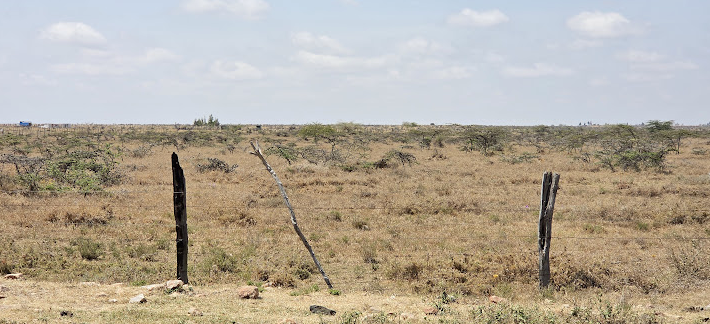
(Source: Patrick Worms)
The goals are the same: to ensure high animal impact for very short periods, by imitating the Maasai Mara’s migrating wildebeest herds allowing the savannahs to rest and regrow before being grazing again, typically after the next rains.
This is how we can regenerate grasslands around the world, by learning the lessons of the Maasai Mara”.

This is an adaptation of a LinkedIn post by Patrick Worms in August 2025.

 Rural Water Supply Network - blog