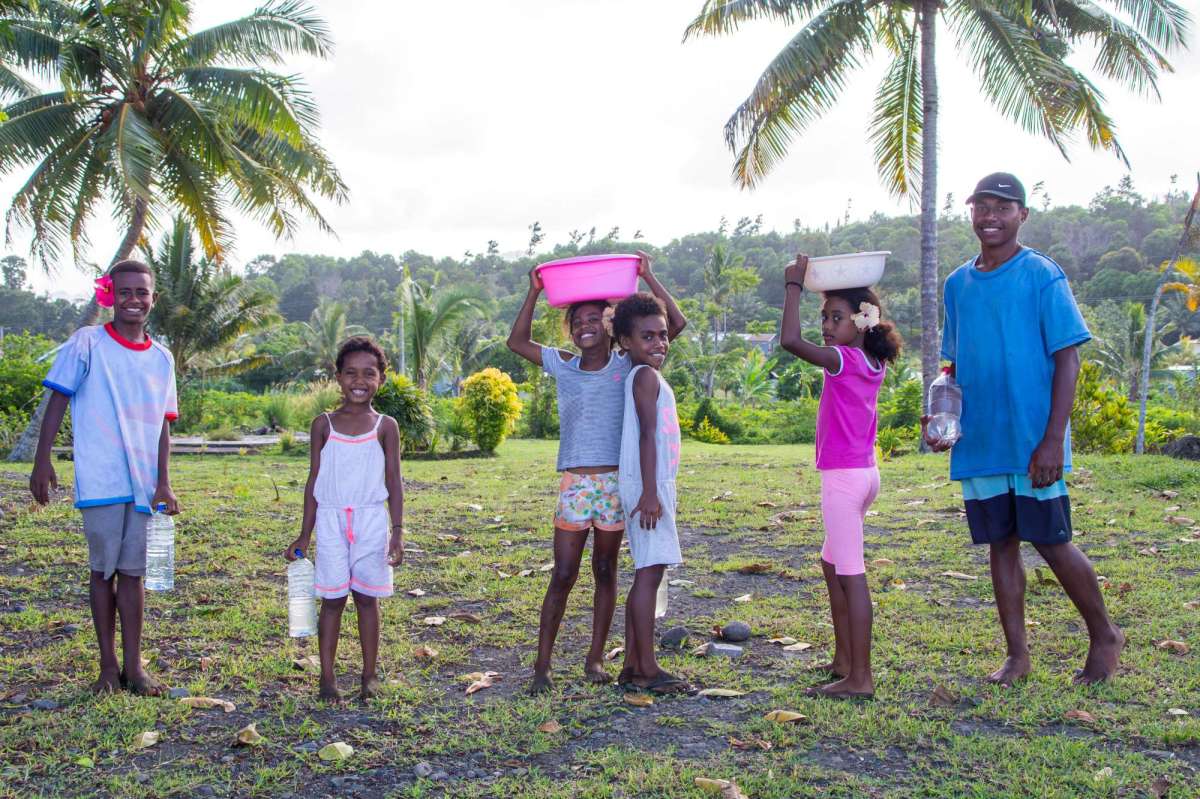
Sustaining Access to Safe and Healthy Drinking Water in Fiji: A Universal Challenge for Island and Rural Coastal Communities

Access to safe and healthy drinking water is a fundamental human right. Yet for many island and rural coastal communities worldwide, this right remains fragile or unattainable. Fiji, an archipelago of more than 300 islands, vividly illustrates this challenge. Despite its tropical climate and abundant rainfall, freshwater resources in Fiji are increasingly under pressure. Over-abstraction, particularly in water-intensive tourism sectors, combined with the accelerating impacts of climate change, threatens the sustainability of water systems. Fiji’s experience reflects a universal struggle for water security in island nations and rural coastal regions.

Island environments are naturally constrained when it comes to freshwater. Unlike continental landmasses, islands have limited rivers, streams, and shallow aquifers. In Fiji, water is sourced from rivers, streams, natural springs, rainwater harvesting systems, and underground aquifers. These sources are highly sensitive to variations in rainfall, land-use changes, and contamination. Once compromised, alternatives are often scarce, making water security a central concern for both rural villages and small island nations.

“Sustaining access to safe and healthy drinking water is not just about scarcity, it is about how water is managed, shared, and protected.”

Over-Abstraction and Tourism Pressures

Over-abstraction has become a critical issue in Fiji. Population growth, urban expansion, and changing lifestyles have steadily increased water demand across the islands. Coastal zones and smaller islands are particularly vulnerable, where shallow freshwater lenses can be quickly depleted. Once over-extracted, these lenses may collapse or become contaminated with saltwater, leaving water unsuitable for consumption.

Tourism, a major pillar of Fiji’s economy, further intensifies pressure on freshwater resources. Hotels, resorts, and other facilities consume large volumes of water for swimming pools, gardens, laundry, and guest services. In many cases, tourist water use exceeds that of local residents. When regulation and conservation measures are weak, tourism can compete directly with community water needs, a challenge common to island destinations worldwide.

Climate Change and Extreme Weather

Climate change magnifies existing water challenges. Rising temperatures increase evaporation, reducing water availability in rivers, reservoirs, and storage tanks. Altered rainfall patterns have caused longer dry periods and more frequent droughts, disproportionately affecting rural and outer-island communities that rely on rainwater harvesting. During extended dry seasons, households often face water rationing or must rely on untreated sources.

Extreme weather events, including cyclones and floods, further threaten water systems. Floodwaters can damage infrastructure, carry debris and pathogens into freshwater sources, and overwhelm natural filtration processes. Sea-level rise also poses a long-term risk for coastal groundwater, as saltwater intrusion contaminates shallow freshwater lenses. Recovery, if possible, may take decades, underscoring the lasting impact of climate change on water security.

Health and Social Implications

Unsafe or unreliable water has serious health consequences. Limited access to clean water increases vulnerability to waterborne diseases, including diarrhea, typhoid, cholera, and skin infections. Children, the elderly, and immunocompromised individuals are particularly at risk. In rural areas with limited infrastructure, households often rely on untreated sources, further increasing health risks and placing additional strain on local healthcare systems.

Inequality in water access compounds the problem. Urban populations generally benefit from centralized treatment and distribution systems, while rural and outer-island communities rely on small, self-managed infrastructure such as rainwater tanks and natural springs. These systems are often outdated, poorly maintained, and highly susceptible to contamination.

Toward Sustainable Solutions

Fiji’s challenges reflect broader patterns among islands and rural coastal regions: limited freshwater resources, competing demands, climate change impacts, and unequal access to infrastructure. Addressing these issues requires integrated, multi-faceted solutions:

  • Investment in climate-resilient infrastructure to protect storage systems, pipelines, and natural water sources.
  • Community engagement and local management to ensure maintenance and equitable access.
  • Promotion of responsible water use across all sectors, particularly tourism.

By implementing these strategies, Fiji can move toward sustainable water management that balances economic development, environmental protection, and public health.


Sustaining access to safe drinking water is more than a development goal, it is a matter of survival, health, and dignity. Over-abstraction, tourism pressures, climate change, and social inequality threaten the long-term resilience of water systems. Protecting freshwater resources, investing in resilient infrastructure, and promoting equitable water management are critical steps not only for Fiji but for island and coastal communities worldwide.

“Ensuring safe drinking water for present and future generations is not only a matter of development, but a commitment to the survival and dignity of island communities everywhere.”


Save our Fiji is dedicated to addressing these pressing water challenges in Fiji and beyond. They work directly with local communities to improve water infrastructure, promote sustainable water management practices, and build resilience to climate-related impacts. By combining research, community engagement, and practical interventions, they aim to ensure that every island and coastal community has reliable access to safe, clean, and sustainable drinking water for generations to come. Save our Fiji joined the RWSN member organisations in April 2024.
Addressing Asia’s Safe Water Crisis: Innovative Solutions from 1001fontaines

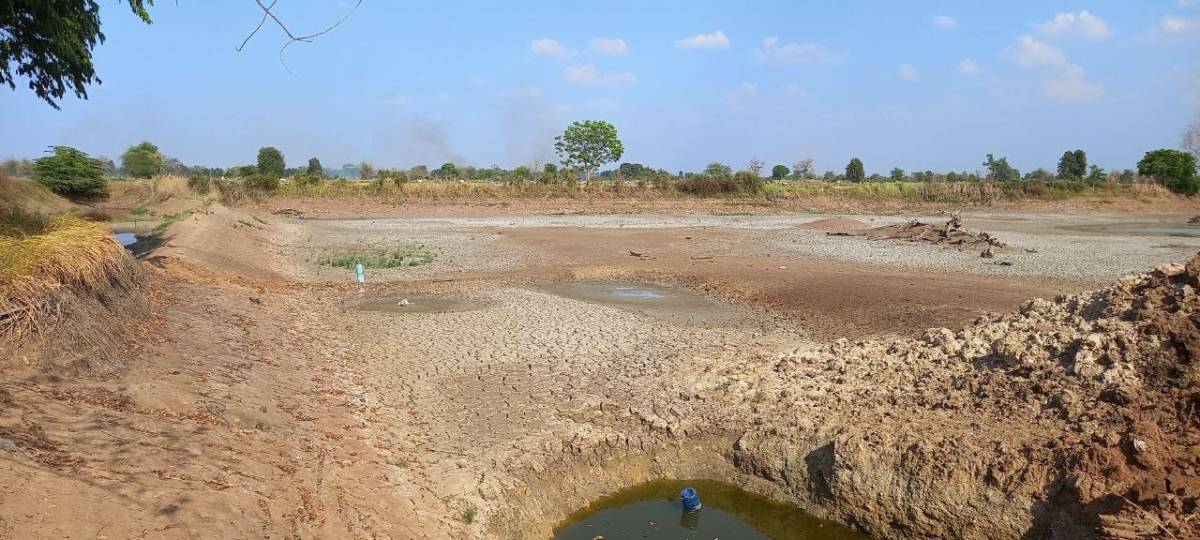
Image: Pond dried up in Banteay Meanchey province.

by Amandine Muret, Chief Partnerships Officer, 1001fontaines, RWSN Member Organisation
Am.muret@1001fontaines.com

As Asia grapples with an intense heatwave, exacerbating the already acute lack of access to safe drinking water for vulnerable communities, the call for innovative and resilient water supply solutions becomes increasingly urgent. The World Water Forum, held in Bali from May 18 to 24, brought together governments and experts from around the world, including 1001fontaines, a global NGO distinguished by its two decades of on-the-ground experience in providing safe water to communities in challenging contexts.

A Water Crisis Exacerbated by Climate Change

South and Southeast Asia are currently experiencing record temperatures. In Cambodia, where the mercury has soared to over 40°C several times, levels unprecedented in 170 years, the situation is alarming. This extreme heat wave increases the vital need for drinking water while compromising access to uncontaminated water sources, crucial to meeting this need. In rural areas, the majority of inhabitants still rely on self-supply water solutions, such as wells or ponds – with increasingly intense droughts and floods due to climate change, vulnerable populations see their water sources affected, with impacts on their
resilience and health.

The World Bank recently estimated that $36.1 billion would be needed to develop missing water access infrastructure in Asia (source: “Funding a Water-Secure Future: An Assessment of Global Public Spending” report, published in May 2024). Climate change, impacting the accessibility and quality of water resources, requires even larger investments to establish sustainable and efficient supply systems in the face of new constraints, particularly in maintenance and treatment.

In development contexts, where financial and technical resources are limited, and existing service providers already struggle to cover maintenance costs due to low household purchasing power, the idea of having a tap of safe drinking water in every home seems increasingly out of reach. Innovative approaches like those proposed by 1001fontaines appear essential to avoid regression in achieving Sustainable Development Goal 6: ensuring universal access to safe water.

Social Innovation to Address the Vital Need for Safe Drinking Water

For over 20 years, 1001fontaines has been designing and deploying sustainable solutions for access to safe drinking water for vulnerable populations in Asia and Africa. By focusing on the needs of vulnerable communities, the organization emphasizes the quality of the water produced and the strengthening of local capacities through social entrepreneurship.

In concrete terms, 1001fontaines installs decentralized water treatment stations (“Water Kiosks”) and trains local entrepreneurs to deliver the produced drinking water directly to households and schools, all in reusable
20-liter bottles.

This service, offered at an affordable price, now reaches a million consumers daily across rural Cambodian communes, where the model was initiated, while covering its operating costs. After 20 years, 90% of the deployed Water Kiosks are still operational, and consumer satisfaction reflects sustainable behavior
change benefiting public health improvement.

Sharing Experiences at the World Water Forum

At the World Water Forum in Bali, 1001fontaines will share the lessons learned from its innovative approach. With operations now expanded to four countries (Cambodia, Madagascar, Vietnam, Bangladesh), the organization has demonstrated the resilience of its model in the face of development and climate change challenges.

Unlike traditional water supply systems, which aim to provide between 50 and 100 liters of water per person, often costly to implement in sparsely populated areas, 1001fontaines focuses on a more targeted consumption, between 1 and 3 liters of safe water per person per day. This cost-effective approach ($15 subsidized per beneficiary) reduces pressure on water resources while offering better quality control. By using reusable bottles delivered directly to homes, the distribution model is less susceptible to infrastructure aging or climate-related damage, with maintenance focused on water treatment facilities.

Another key advantage is adaptability. In Cambodia, 4 regional laboratories monthly monitor water quality at the 330 active sites, allowing the identification of quality changes, often localized and related to the effects of climate change, and enabling the local technical team to implement targeted and low-cost mitigation measures.

Amandine Chaussinand, General Manager of 1001fontaines’ local entity in Cambodia, Teuk Saat 1001, testifies: “We have achieved remarkable results over two decades of operations. We are proud to share them with academic institutions, development financing institutions, and governments at the Forum in Bali because we believe that better consideration of alternative water supply systems, such as bottled water, could accelerate access to safe water for the benefit of populations facing the impacts of climate change.”

Amandine Muret, Chief Partnerships Officer, emphasizes that “Collaboration with local authorities is a key factor in the success of 1001fontaines’ programs, as is the mobilization of development aid to finance infrastructure construction and capacity building, at the heart of the sustainability of the services implemented.”

As the G7 recently announced the creation of a global coalition to address the global water crisis, high-level political dynamics could promote exchanges of successful experiences and stimulate, in the coming years, social innovations in the field of access to safe drinking water. 1001fontaines intends to contribute at its level by continuing to grow its impact.

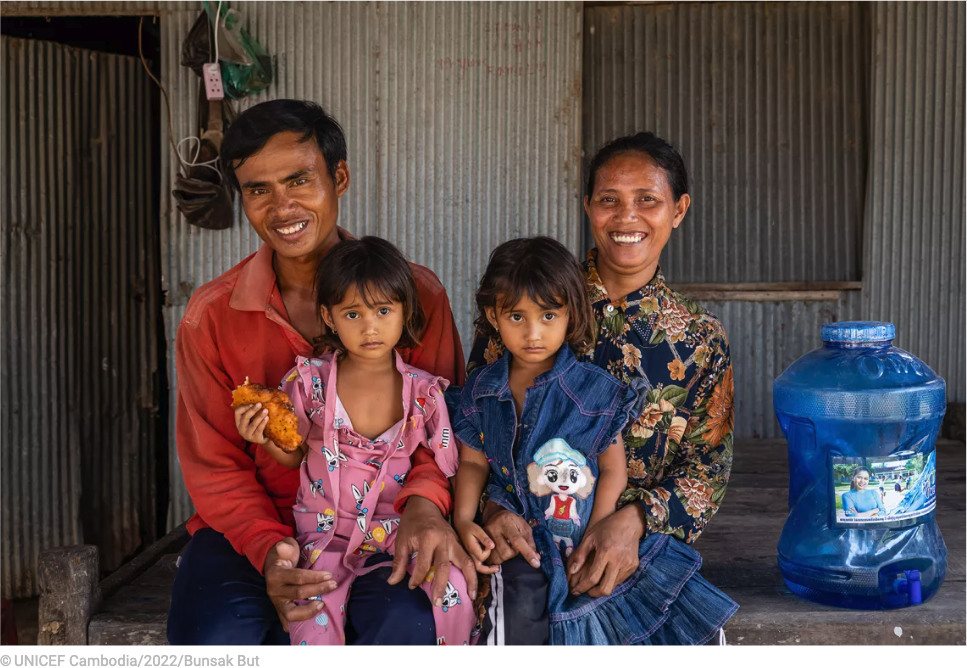
Choum Sophorn poses with her husband and twin four-year-old daughters in her home next to the 20 litre drinking water bottle that is delivered to her home every three days.

Teuk Saat 1001’s entrepreneur stands next to the UV filtration system and holds up some freshly filled bottles, ready to be sealed before delivering directly to customers in Kouk Pou commune.

About: For two decades 1001fontaines have worked to meet the needs of underserved communities through resilient water purification infrastructure and affordable and convenient services. We aim to encourage long-term behavior change and are proud that a million consumers across four countries in Asia and Africa have adopted our safe drinking water solutions.

Our 2030 ambition is to extend our impact by proving the relevance of our safe drinking water solutions in five countries and ensuring all our local partners are on track to reach financial viability at scale.

For more information: www.1001fontaines.com/en/

Addressing Water Challenges in Rural Fiji: The Mission of Save Our Fiji

This blog is written by Patricia Kroes, the founder of Save Our Fiji, which is a non-profit organisation that provides healthy and safe drinking water in the rural areas of Fiji.

Photo Credit: Viniana Bau

Fiji, known for its stunning beaches and pristine waters, is a tropical paradise. However, beyond the tourist destinations lies a harsh reality for many rural communities. In rural communities, access to clean and safe drinking water is a daily struggle for thousands of residents. Save Our Fiji, a non-profit organisation, is dedicated to tackling this pressing issue and ensuring that every individual in rural Fiji has access to clean water. In this blog post, we’ll explore the water challenges prevalent in rural Fiji and delve into the mission of Save Our Fiji in addressing these critical issues.

Water Challenges in Rural Fiji

Rural communities in Fiji encounter numerous obstacles in accessing clean water. Contamination of water sources is a significant concern, stemming from agricultural runoff, improper waste disposal, and inadequate sanitation facilities. This contamination leads to waterborne diseases and poses serious health risks to residents. Additionally, the accessibility of clean water is hindered by the remote locations of many rural communities. Residents often endure long journeys to fetch water, straining their time and energy, particularly for women and children.

Infrastructure shortcomings further compound the water crisis in rural Fiji. The lack of piped water systems and water treatment facilities contributes to unreliable water supply and poor water quality. Moreover, Fiji’s vulnerability to climate change exacerbates the situation, with changing rainfall patterns and extreme weather events affecting water availability and quality. Droughts, floods, and water scarcity are recurrent challenges faced by rural communities.

Continue reading “Addressing Water Challenges in Rural Fiji: The Mission of Save Our Fiji”