Why getting ‘water affordability’ right matters – and how water diaries can be of help

re-posted from REACH

Dr Sonia Hoque, University of Oxford

Having access to 24/7 potable piped water in the comfort of our dwelling is a luxury that many of us take for granted. In the UK, an annual water and sewerage bill of £400 accounts for about 1% of the annual average household income of £40,000. This ‘safely managed’ water service, defined as having access to an improved source within one’s premises, is well within the widely established global affordability threshold of 3-5% of one’s household income. Estimating payments for water as a percentage of households monthly expenditures may adequately reflect ‘affordability’ in contexts where households have connections to piped water systems or rely on paid sources only.
Continue reading “Why getting ‘water affordability’ right matters – and how water diaries can be of help”

Are you responsible for universal, safe, sufficient, affordable & equitable water services?

by Johanna Koehler, University of Oxford, re-posted from REACH

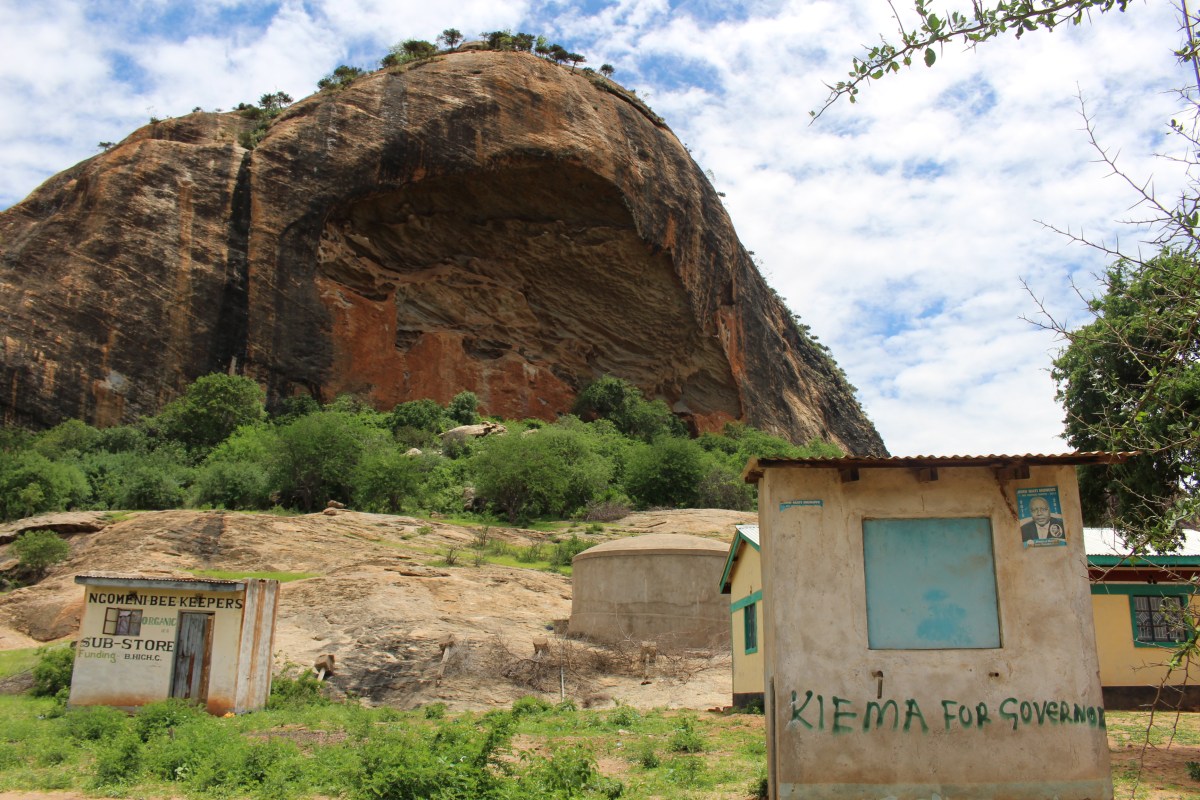
The answer to this question was mixed by the policymakers across all 47 water ministries of the first devolved county governments in Kenya. Political, socioclimatic and spatial factors influence to what degree county policymakers assume responsibility for the water service mandate. A new article published in Geoforum presents novel insights into Kenya’s devolution and water service reform drawing on perceptions by all devolved county water ministries.

Continue reading “Are you responsible for universal, safe, sufficient, affordable & equitable water services?”

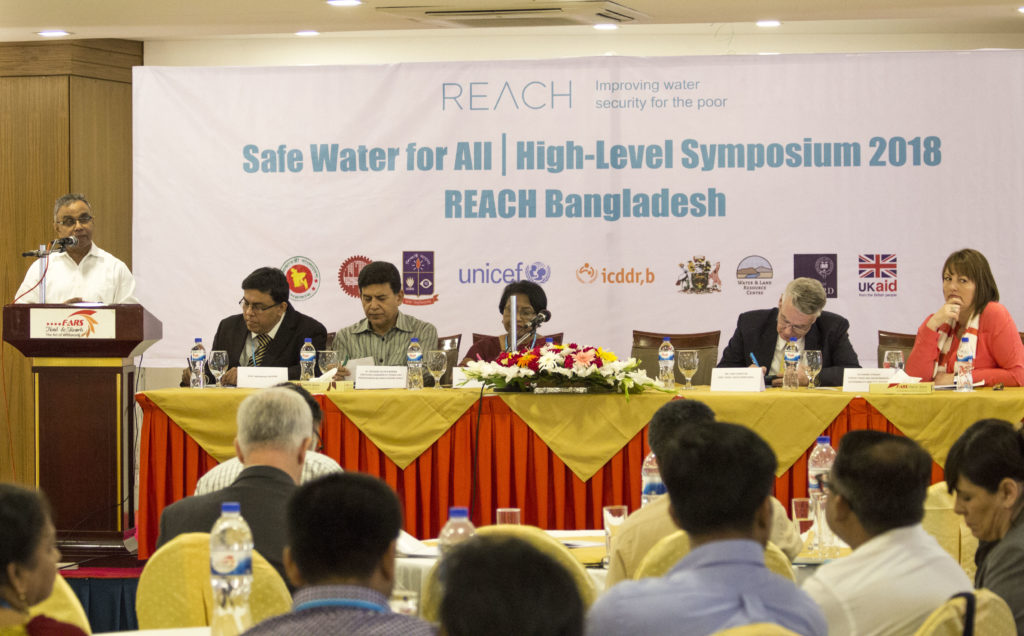
Safe Water for All: REACHing everyone in Bangladesh

by Dr. Rob Hope, University of Oxford, Prof. Mashfiqus Salehin, Bangladesh University of Engineering and Technology and Dara Johnston, UNICEF Bangladesh , re-posted from REACH

A large concrete pipe belches untreated sewage into the Buriganga River in Dhaka, whilst men wade through the water to shift aggregate to construct more buildings for more people. The riverbanks team with life and colour as hospital bed sheets dry after being recently washed in the river, bamboo poles float-in-waiting for the next tower block and mountains of fresh fruit lie ready for sale in nearby markets while countless children play without a care in the water.

Continue reading “Safe Water for All: REACHing everyone in Bangladesh”

New 2018 RWSN webinar series (April 3rd – June 5th, 2018)

Mark your calendars! RWSN is delighted to announce its 2018 series of 10 webinars dedicated to rural water services, April 3 -June 5, in English, French, Spanish and/or Portuguese!

To attend any of the webinars, please register here by April 2nd: http://bit.ly/2prrVf3

We will hear from more than 20 organisations on a range of topics, including:

· A special double session with the WHO/ UNICEF Joint Monitoring Programme to find out how you can make the most of the JMP data, and how countries nationalise SDG6 targets and indicators (May 2nd and May 29th);

· The challenges specific to sustainable and safe water supply in peri-urban areas and small towns, with a focus on the urban poor (April 17th and 24th);

· Practical ways of financing to reduce corruption in the sector (April 3rd), and to improve social accountability for better rural water services (May 8th);

· A discussion on community-based water point management (April 10th), and a radio show-style session showcasing experiences with capacity strengthening for professional drilling (June 5th);

· A debate on water kiosks (May 15th), and the role of self-supply and local operator models for universal access in rural areas (May 22nd).

To find out more about the session topics, dates and times, see here: http://www.rural-water-supply.net/en/news/details/66

To attend any of the webinars, please register here by April 2nd: http://bit.ly/2prrVf3

Getting to the heart of climate resilient WASH

by Dr John Butterworth, IRC WASH Ethiopia – re-posted with permission

Climate resilient WASH is about new ways of working across the traditional humanitarian and development sectors. We went to one of the harshest spots in Ethiopia, and surely in the world, to find out more.

Photo: An existing water point in Afdera, Afar

Continue reading “Getting to the heart of climate resilient WASH”

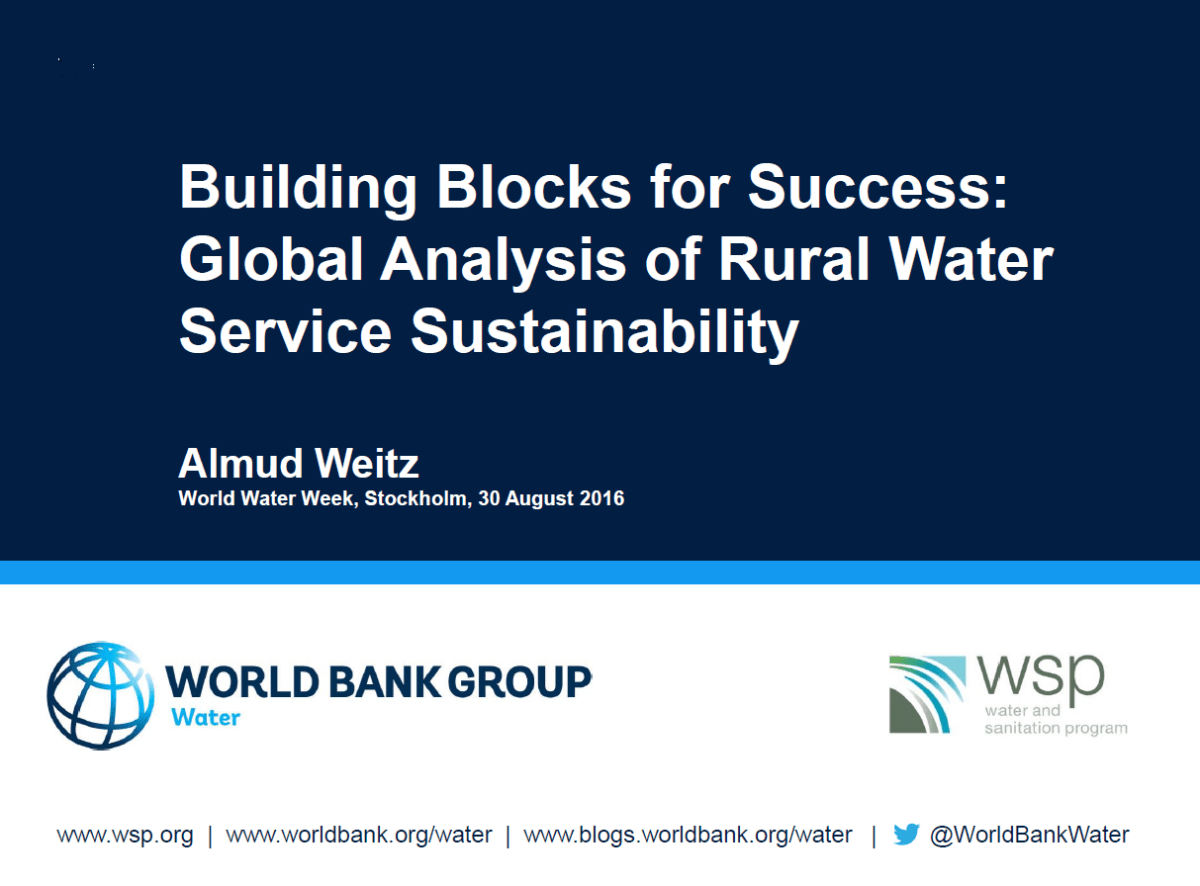
#RWSN @ #WWW : the presentations

RWSN co-convened two sessions at last week’s SIWI World Water Week in Stockholm and presentations are available to download:

WASHoholic Anonymous – Confessions of Failure and how to Reform

All presentations: http://programme.worldwaterweek.org/sites/default/files/panzerbeiter_lt_1400.pdf

Build and Run to Last: Advances in Rural Water Services

Continue reading “#RWSN @ #WWW : the presentations”