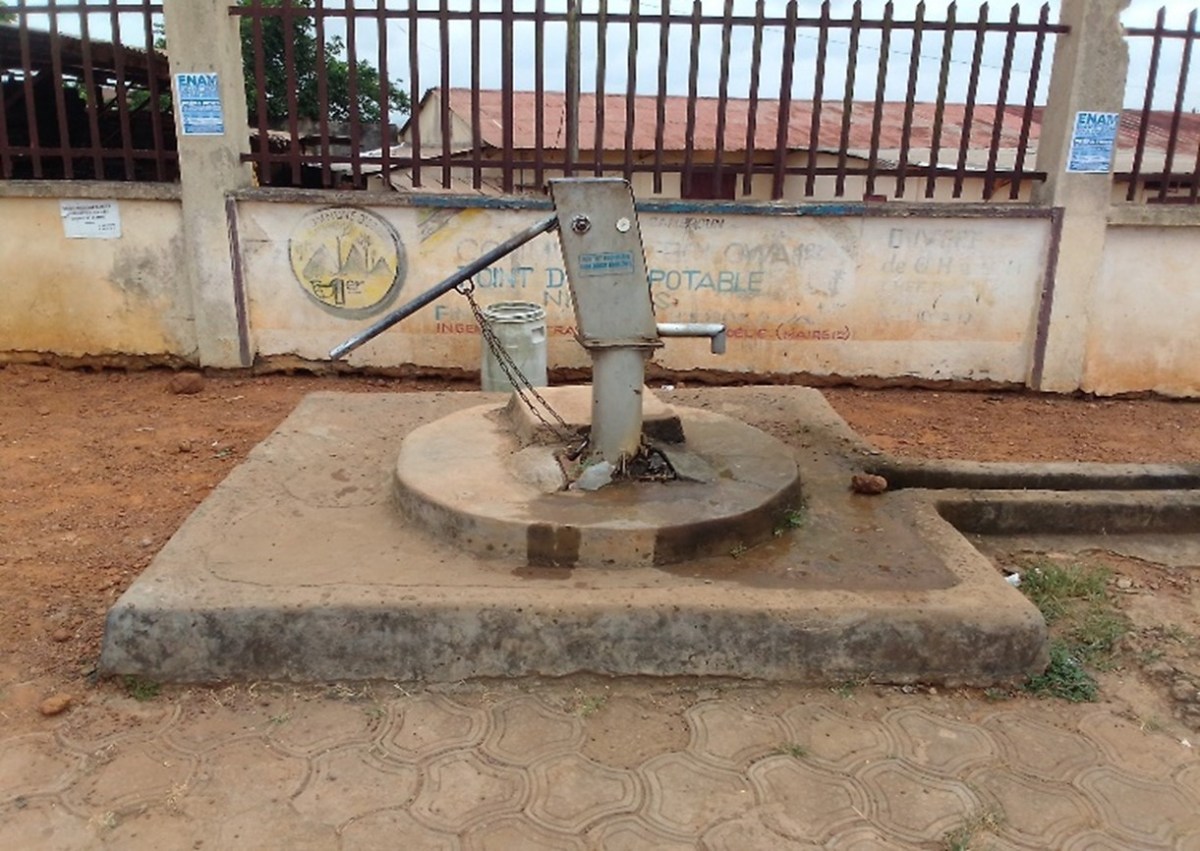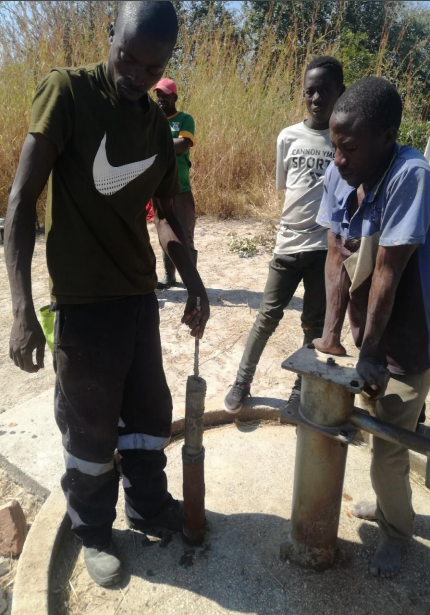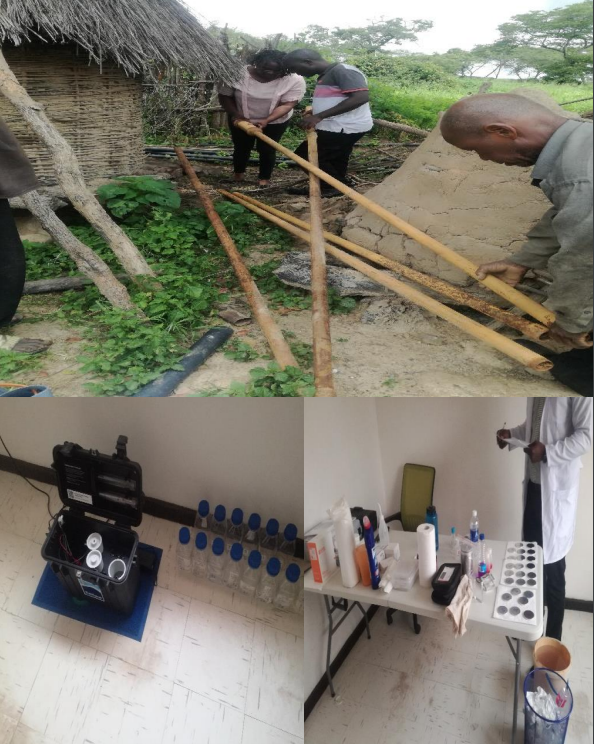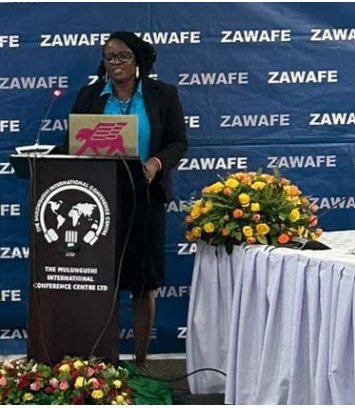
Lessons from the RWSN webinars

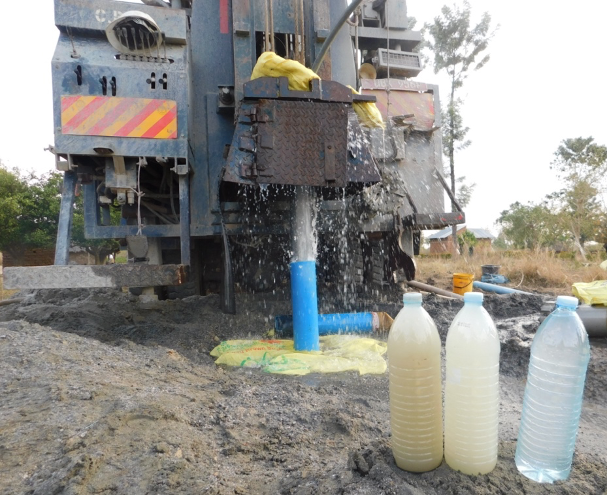
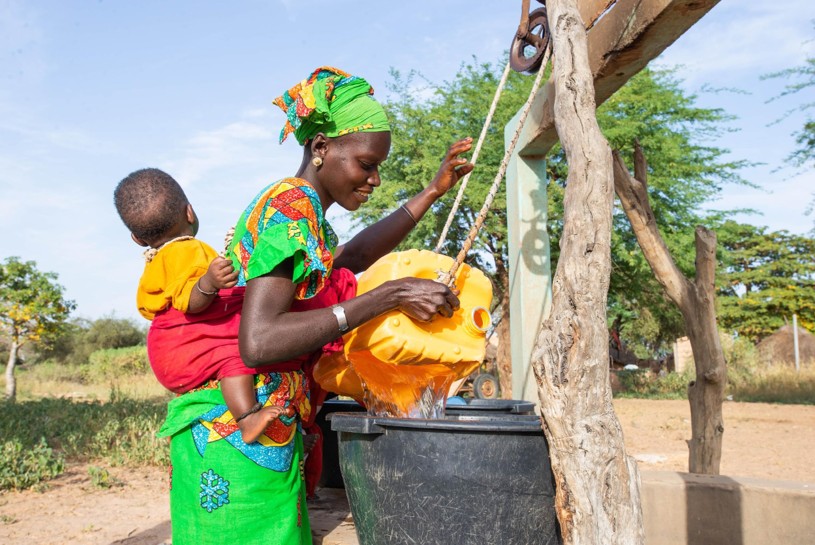
Guest blog by Rebecca Laes-Kushner. Featured photo from RWSN webinar presentation on 29.4.25 (What Drives the Performance of Rural Piped Water Supply Facilities?) by Babacar Gueye from GRET Senegal.

Professionalism. Standards. Systems. These themes are repeated throughout Rural Water Supply Network’s (RWSN) spring and fall 2025 webinar series.

Given the large percentage of boreholes with early failure – within one to two years – improvements in standards and professionalism in borehole drilling are necessary. Drilling association leaders spoke passionately about the need for borehole drillers to professionalize to improve the quality of boreholes, increase accountability, stop illegal drilling and enhance community buy-in, which occurs when standards are enforced and certified materials are used.

George k’Ouma, from the Small Scale Drillers Association of Kenya, said it best: Professionalism isn’t optional.

A tidbit: Small borehole drillers have an advantage over large operations because they have knowledge of the local geology and seasonal changes, which enables better planning and materials selection.

Another area in need of increased professionalism is water management. Professor Kwabena Nyarko, from Kwame Nkrumah University of Science and Technology, Kumasi (KNUST), conducted a study comparing public sector, private sector and community water management in Ghana. Model type was less important than having professional standards and following best practices, including metering, tariffs that covered maintenance costs, efficient collection of tariffs, audits and reporting, digital recordkeeping and training, as well as financial support.

Jose Kobashikawa, head of the Enforcement Directorate for Sunass, the regulatory body for drinking water and sanitation services in Peru, echoed these concepts in his presentation. SUNASS uses a benchmarking tool to evaluate rural providers. Metrics include formality and management (are they registered, do they have a water use license), financial sustainability (do they collect tariffs, what percent of customers are defaulters), and quality of services (is water chlorinated and daily hours of water supply). High performing providers are awarded certificates recognizing their good practices in public management and workshops are held in each region to disseminate best practices.

Focusing on systems is another thread that runs through the varied webinar topics. Systems thinking means designing a scheme for the long-term provision of water. Boreholes must be properly sited. Appropriate materials, such as high quality stainless steel (304/316), need to be selected in order to prevent corrosion, as RWSN’s Stop the Rot initiative details. Handpumps often corrode within months or years instead of lasting a decade. Ayebale Ared, Technical and Social Expert at Welthungerhilfe, shared Uganda’s systemic solution: in 2016 the country banned the use of galvanized iron (GI) risers and rods in all new and rehabilitated handpumps – the first sub-Saharan country to do so. Uganda also requires a water quality analysis be done before materials are selected.

In addition, data collection and use must be embedded in all stages and aspects of water projects.. Dr. Callist Tindimugaya, Commissioner for Water Resources Planning and Regulation in Uganda, collects data from drillers which he then turns into groundwater maps the drillers can then use.

Systems thinking also means including the needs of the entire population in the design, especially women,  who bear the burden of hauling and carrying water. Women – who are killed by crocodiles while washing clothes in rivers, whose skin is irritated by harsh detergents, who find leaning over low wash basins harder as they age, who need to wash bloody clothes and bedsheets separately from the family’s regular laundry when they menstruate. Laundry is barely mentioned in WASH circles but RWSN devoted an entire webinar to the topic. One speaker questioned how the WASH sector would be different if the metric for success was the amount of time women spend collecting water.

Understanding the local culture is critical; psychologists, behaviorists and sociologists can help provide insights. Technical solutions which aren’t accepted by the community will only lead to failure.

The lack of funds to cover maintenance work on wells is well known. Systems thinking means anticipating root causes of funding issues in a community and pre-emptively building a system that attempts to solve those issues. Tariffs are too low to cover maintenance? Then the project needs to determine how sufficient funds will be raised, whether through higher water fees (that may be less affordable to low-income families) or from external sources. The water committee is inefficient at collecting funds? Then training and capacity building need to be part of the project design from the beginning. 

Looking at the bigger picture helps creative ideas flourish: Household rainwater harvesting, replenishing water aquifers through tube recharging, deep bed farming that breaks up the hard pan so water can return to the aquifer, sand dams that filter water and incorporating water management and regreening in the design and construction of roads so crops can grow next to roads. During the laundry webinar, three organizations presented their laundry solutions – devices that save women time, eliminate much of the manual labor, use less water and even offer income-generating opportunities.

The webinars are at times frustrating because we clearly know what needs to be done – yet professionalism, systems thinking and best practices are not always prevalent. More often, though, the webinars are full of insightful information and inspiring stores from experts. The knowledgeable participants, who ask focused, detailed questions, enhance the experience. I look forward to the spring 2026 webinars which are currently being planned.


Rebecca Laes-Kushner is a consultant to NGOs and companies with a social mission, with a particular focus on development issues such as WASH, climate change, supporting SMEs, health care and nutrition. Laes-Kushner Consulting (https://laeskushner.net/) provides research and writing, data analysis, M&E and training services. Rebecca has a Master’s in Public Administration (USA) and a Certificate of Advanced Studies in Development and Cooperation from ETH NADEL in Switzerland.
From overseeing drilling operations to supervising them for the client: field realities from Uganda

By Ayebale Ared (Welthungerhilfe)

With this blog, I would like to share a few short reflections from my experiences overseeing and supervising drilling activities over the past ten years, both from the contractor’s and the INGO/client’s perspectives.

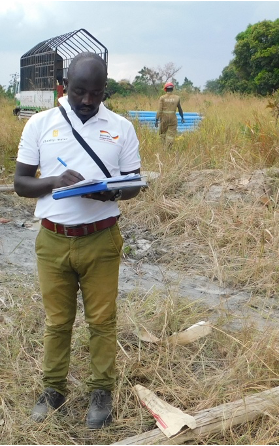
Figure 1: Ayebale Ared on the field (Welthungerhilfe)

From the drilling contractor’s side – overseeing drilling operations

I was fortunate to work with a drilling firm that prioritized quality, accountability, and training. The work culture encouraged flexibility, allowing us to try out different drilling methodologies. One of the most valuable aspects was the emphasis on real-time logging and decision-making based on live site observations. As the overseer of the drilling operations, I had to be physically present in the field, equipped with a laptop, drilling logs, a handheld GPS, a tape measure, a V-notch Weir, a dip meter, an E.C & a pH meter, and a camera, to support real time supervision and technical decisions as drilling progressed.

There was no remote oversight; everything was site-based and collaborative. Communication within the team was strong both for daily updates and for collectively addressing any issues that had financial or technical implications.

Figure 2 (above) Sample box containing drill cuttings (Source: Ayebale Ared)

However, there were limitations.

At the time, our machinery could not compete for larger contracts, particularly those requiring the drilling of production boreholes with casing diameters larger than 5″ internal diameter (ID). While we successfully drilled several open-hole design boreholes, which are suitable for handpumps these cannot be upgraded to accommodate technologies such as solar-powered water systems (SPWS) due to initial design constraints.

Figure 3 (above) Water Sampling during borehole development showing decreasing turbidity (Source: Ayebale Ared)

From the Client’s Side (INGO) – supervising drilling

Switching to the client’s side offered me the opportunity to work with a range of drilling firms year after year. By then, I had completed the Rural Water Supply Network (RWSN) Professional Drilling and Borehole Management course (2019), and I was actively applying the knowledge in the field. I have worked with drillers with different equipment, resulting in more efficient drilling, constructing cased, rather than open holes. I also have had the chance to mentor and train new supervisors in professional supervision practices, proper borehole logging, and how to make sound real-time decisions at the site.

However, not all experiences have been positive

Remote, or part time supervision is common with a bigger percentage of the drilling firms I have worked with, often resulting in decisions made by drillers to minimize cost rather than address real-time field conditions which are not supervised in the field by the client. Some drilling firms opt for untrained, inexpensive overseers, which undermines the quality of work. As an example, many have no idea what real time logging is but just write a number of pipes and send short video clips to their bosses in office who make remote decisions. This usually becomes a challenge with the client’s supervisor ends up being painted bad as “a bad guy”. Without a qualified client supervisor on-site, the narrative of events can shift dramatically. I’ve observed poor siting practices, with boreholes positioned near anthills or trees leading to complex drilling challenges and post-installation issues such as silting, root intrusion, and compromised water quality. This has been subsequently verified through borehole video inspections and microbial tests. Additionally, poor gravel packing techniques have led to bridging, and inadequate borehole development has left screens poorly cleaned and functioning below standard.

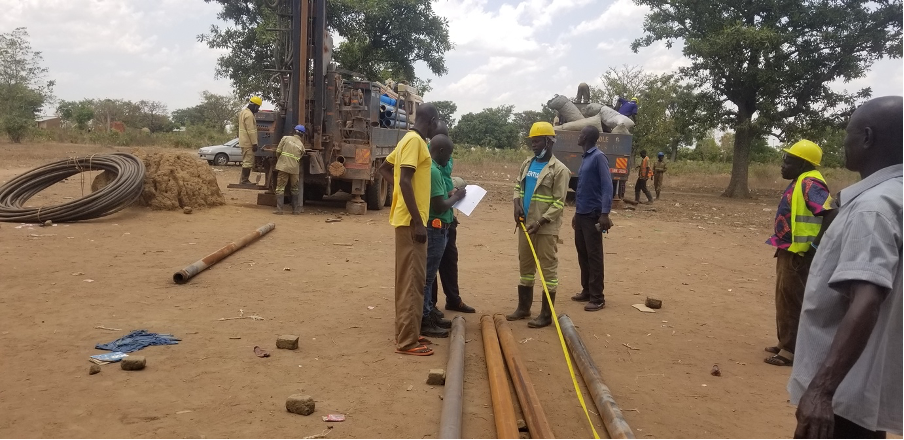
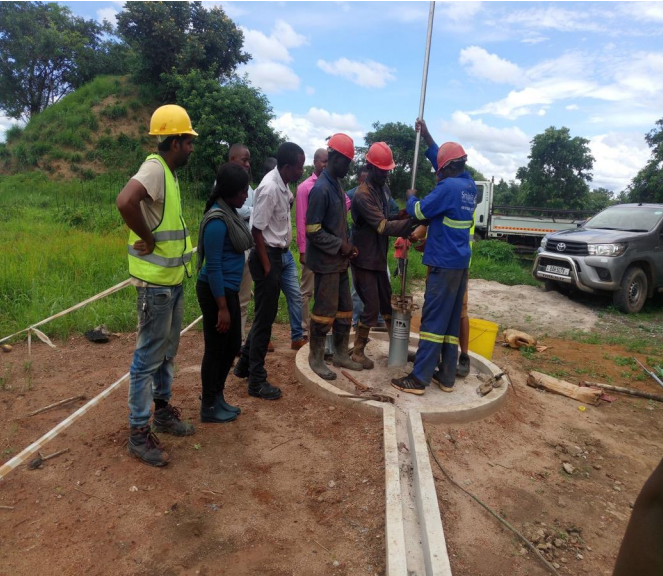
Figure 4 (above) Measuring drill pipe lengths (Source: Ayebale Ared)

These reflections underline the critical importance of professional supervision, well-trained personnel, good oversight by the drilling contractor, and appropriate on-site decision-making throughout the drilling process.

I hope these insights are helpful as we continue to improve and uphold quality in our water supply interventions.

Ayebale Ared has over 10 years of experience in the water sector, specializing in WASH programs, borehole drilling, and rehabilitation in Uganda. He has worked on both the contractor and client sides, gaining a well-rounded perspective on best and worst drilling supervision experiences and practices

Getting infrastructure quality right from the outset – a series of checklists for WASH Funders (and Grantees)

Dr Kerstin Danert, Ask for Water Ltd, Edinburgh, Scotland

High-quality infrastructure design and construction is not the only important concern in relation to rural water supply services, but provides a solid basis. Poor quality infrastructure jeopardises everything that follows – including it the maintenance, and management of the service, and even being able to collect user fees.

There are many reasons why infrastructure ends up not meeting the standards needed. And for the last two decades, the Rural Supply Network (RWSN) has emphasised ensuring that boreholes are properly drilled and completed – with a range of guidance and training materials now widely available – and (I am pleased to know) used!

However, we were mainly writing (or making short films) for people that are implementing projects. With the most recent publication we are addressing a different audience – FUNDERS OF WATER SUPPLY INFRASTRUCTURE.  You may ask yourself why?

Unfortunately, not all funding agencies have the policies in place, nor the checks and balances that consistently foster high-quality infrastructure – whether initial construction and installation, or rehabilitation.  And to make matters worse, well-intentioned policies can actually have negative unintended consequences. Low-per capita investment costs are a case in point – they can be set too low.

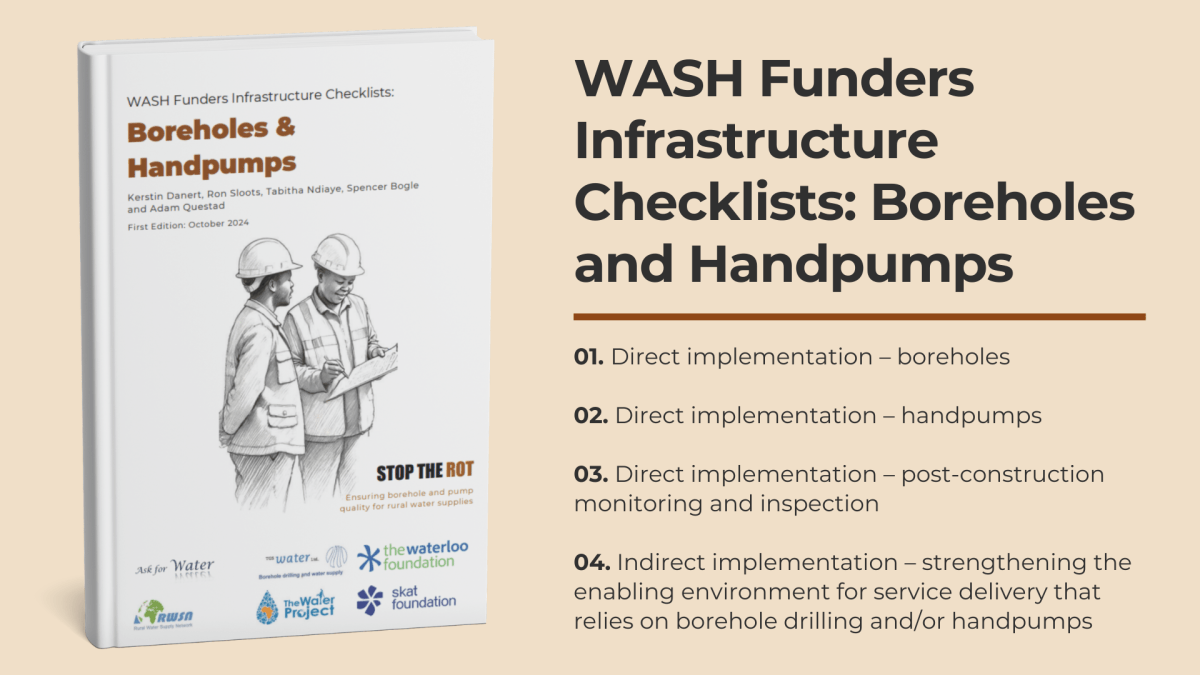
At the end of 2024, RWSN published the WASH Funders Infrastructure Checklists: Boreholes and Handpumps. They start off by recognising that when it comes to infrastructure quality, a number of things can go wrong. Grantees may simply not have the procedures in place, or the capacity to consistently ensure quality or they may not follow suitable contracting procedures. National standards may be lacking, or grantees may cut corners in order to meet Funder requests for an (unrealistic) low budget or fast schedules.

We have developed a series of four checklists – each providing guidance for WASH funders, whether financing direct implementation or systems strengthening activities. We have tried to make the checklists accessible even for those without a detailed knowledge of groundwater, drilling or handpumps. Each checklist is intended to help funders to reflect on their policies and procedures and/or those followed by the respective grantees. 

Please take a look – and do get back to us through ask@ask-for-water.ch with comments feedback.  We would like to keep improving this guidance in the future!

The WASH Funders Checklists were developed under the RWSN Initiative Stop the Rot.

Stop the Rot: Uganda

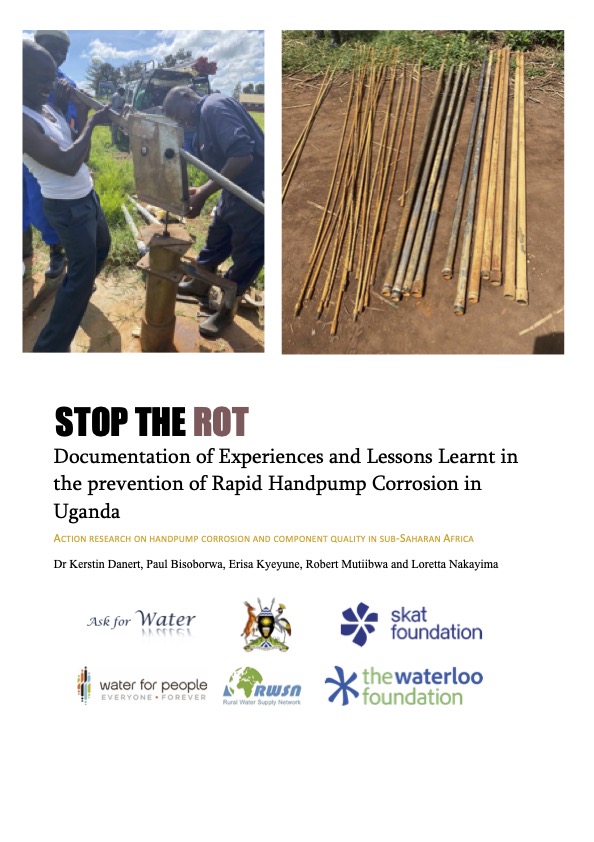
Documentation of Experiences and Lessons Learnt in the prevention of Rapid Handpump Corrosion in Uganda

Report by Kerstin Danert, Paul Bisoborwa, Erisa Kyeyune, Robert Mutiibwa and Loretta Nakayima

The full report is available here.

About 67% of the population of rural Uganda rely on a handpump, and, according to the Ministry of Water and Environment (MWE) database, the country currently has an asset base of over 63,000 handpumps. While there is a policy shift towards piped supplies (including using solar-driven pumps), handpumps will remain important in providing water to Uganda’s rural population for the foreseeable future. The U2 and U3 (known elsewhere as the India Mark II and Mark III), as well as the Uganda 3 Modified Pump (U3M) are the standardised pumps used in the country.

The rapid corrosion of submerged handpump riser pipes and rods has been well documented in Uganda, with over a dozen reports, and studies, including academic publications on the subject. When handpumps corrode, the red, badly-tasting water of the supply is often rejected and sources abandoned, with users returning to more distant and contaminated supplies. Rapid corrosion also leads to premature failure of the supply as riser pipes leak or even break completely. It is widely accepted that galvanised iron (GI) riser pipes and rods corrode in aggressive groundwater where pH levels are low (<6.5). High levels of salinity and high chloride concentrations are also highly corrosive.

In recognition of the widespread corrosion problem in Uganda, in 2016 MWE issued a letter suspending the use of galvanised iron riser pipes. Despite the fact that rapid corrosion is a problem in at least 20 countries in sub-Saharan Africa (plus Sudan), Uganda is one of the very few countries to have taken affirmative action to address the issue.

This short study, funded by The Waterloo Foundation, set out to document Uganda’s experience and lessons learnt in preventing rapid corrosion. It is intended to provide insights and recommendations for Uganda and other countries. The in-country study was undertaken in October/November 2023, and comprised interviews with 55 stakeholders from government, suppliers, NGOs, drillers and handpump mechanics as well as a review of select documentation and analysis of quantitative data collected in 16 districts by the NGO Water for People. As well as discussing with stakeholders based in Kampala, the study involved visits to Mityana, Kibaale, Kyegegwa, Mubende, Kamwenge and Masindi Districts, including some observations of components and handpump removal.

The study has found qualitative evidence that the suspension of use of GI pipes on handpump installations in Uganda has had an overall positive effect on reducing the phenomenon of handpump corrosion in the country. It took a few years for stakeholders to adjust to the suspension, including availing alternative materials and determining which grades of stainless steel to be used. In the early years, there were issues of availability and supply of alternatives, gaps in information among some stakeholders alongside cost concerns. Initially, some organisations installed grade 202 stainless steel, which was also found to corrode rapidly. In addition to stainless steel pipes, uPVC (with uPVC connectors) and uPVC pipes with stainless steel connectors are used.

While most stakeholders seem to be aware of the suspension of GI riser pipes and rods, this does not seem to be fully adhered to, with some district local governments, NGOs and communities apparently still installing GI on new installations or for replacements. The study witnessed “mixed” installations comprising GI, and stainless steel (which also sometimes appeared to comprise different grades). Such installations risk creating problems through galvanic corrosion, a phenomenon whereby dissimilar metals submerged in water increase corrosion.

The study concludes with a number of recommendations as summarised below:

Studies and research

  • Explore reasons why some stakeholders are not adhering to the suspension of GI riser pipes and pump rods and how to effectively overcome these barriers.
  • Undertake analysis of quantitative data including MWE Management Information System (MIS) data on shallow wells and boreholes (including their functionality status/due for decommissioning). Quantify the extent to which handpumps with corroding GI components have been replaced in the country, and also estimate the cost and human capacity implications of replacing poorly functioning or abandoned sources as a result of corrosion. 
  • Monitor installations to determine if there are any problems with corrosion of the water tank and cylinder when connected to a stainless steel pipe as a result of galvanic corrosion or poor installation, and consider checking for the release of contaminants, including lead.
  • Clarify maximum installation depths for alternative materials through testing, and communicate this clearly to all stakeholders through written guidance (discussed below).
  • Developa short document (and film) on what users can measure and inspect directly. This could support stakeholders in assuring quality.
  • Undertake further research on the relationships between pH, salinity, other water quality parameters and the quality of the galvanising (particularly the thickness of the galvanising).
  • Explore alternatives to the nationwide suspension of GI, such as lifting the suspension locally based on very clear, scientifically robust criteria in relation to pH and salinity.
  • The appropriateness of the discontinuation of funding for shallow wells should be further studied and reviewed for appropriateness.

Recommended actions for Uganda

  • Support quality assurance efforts by updating the Uganda Standard Specifications for the India Mark deepwell and shallow well handpumps, referred to in Uganda as the U2 and U3 pumps.
  • Develop a certification mechanism for the suppliers of handpumps/components to ensure quality and include labelling requirements to help consumers identify appropriate parts.
  • Raise awareness and improve knowledge of (i) the GI suspension, and the rationale behind it, (ii) how to determine whether iron in water is naturally occurring or caused by corrosion, (iii) appropriate alternatives (iv) key issues with respect to grades of stainless steel and depth limitations and (v) identifying appropriate parts. Written guidance should be provided.
  • Provide training for handpump mechanics and handpump installers across the country on the correct handling of the uPVC and stainless-steel alternatives currently available on the market in Uganda, and ensure that they have the appropriate toolkits to handle these materials.
  • Incorporate inspection of handpump component quality and installation in post-construction monitoring by government, NGOs, the Uganda Drilling Contractors Association (UDCA) and funding agencies.
  • Continue to engage with and support innovations such as the Handpump Improvement Project.
  • MWE, in collaboration with NGOs and District Local Governments should find ways of supporting poor and vulnerable communities with ongoing corrosion problems to replace GI pipes and rods.

Lessons for other countries

Based on the experiences of Uganda, key lessons for other countries that are considering taking affirmative action to address rapid handpump corrosion are:

  • Undertake an in-country study to document the extent of the problem and any efforts that may have been undertaken to address it in the past. If rapid handpump corrosion is found to be a widespread problem in the country, and is related to GI installed in aggressive groundwater, consider suspending the use of GI – carefully considering the pros and cons of a nationwide or more localised suspension as well as the feasibility of using alternative parts.
  • Prior to any suspension, undertake extensive and transparent stakeholder consultation, taking on board concerns and developing a suitable timeline. Provide user-friendly guidance on alternative materials and their handling. In advance of any suspension, ensure that all stakeholders are informed of it, and are made aware of any implications for programmes and budgets.
  • Government should either refer to suitable international standard specifications, update national standard specifications or (as an interim measure) provide clear guidance regarding alternative materials, components and dimensioning that should be used. Evaluation is needed to ensure that materials are safe for contact with drinking water. Guidance should include information on depth limitations and material handling.
  • Document the process of suspension, and monitor adherence, as well as challenges faced by organisations and communities, and consider how to adapt programmes and policies to enable changes to be effective.
  • Ensure that handpump mechanics and others across the country are trained in the correct handling of the alternatives to GI. They should also be provided with appropriate toolkits for handling the stainless-steel and uPVC pipe materials.
  • The responsible line ministry should work with the agency responsible for standards to ensure the importation of quality handpump components and consider certification of suppliers.

The full report is available here.

The presence of a handpump does not mean that people have access to reliable and sustainable water services. Here’s how we tried to show it in eight councils in the Mvila Division, South Region of Cameroon.

By Victor Dang Mvongo, MSc, a PhD student at the University of Dschang (Cameroon) and an independent consultant in WASH. He conducted the work featured in this blog at the Faculty of Agronomy and Agricultural Sciences.

Handpumps, the most common rural water supply equipment in sub-Saharan Africa, are a symbol of the sustainability issue facing rural water services. According to Macarthur (2015), handpumps are a lifesaver for 184 million people living in rural sub-Saharan Africa. Sub-Saharan African statistics on handpumps’ functionality indicate that 36% of them are broken, with country-level rates varying from 10% to 65% (RWSN 2009).

In Cameroon, little data are available on the functionality of the handpump. However, Deal and Furey (2019) estimate that 32% of handpumps are non-functional. Thus, for the impacted rural areas, this means that the anticipated returns on investment—better health, nutrition, and education—are jeopardized. In order to mobilize the necessary national and international efforts in the region, this study intends to give local information on the functionality of handpumps in the Mvila Division (Southern Region of Cameroon).

Continue reading “The presence of a handpump does not mean that people have access to reliable and sustainable water services. Here’s how we tried to show it in eight councils in the Mvila Division, South Region of Cameroon.”

The role of galvanized pipes in the corrosion and failure of hand pumps

Stop the Rot during ZAWAFE 2023 Zambia – 4/4

This blog is part of a four-part series covering the presentations given at the 11th Zambia Water Forum and Exhibition. The event, themed “Accelerating Water Security and Sanitation Investments in Zambia: Towards Agenda 2023 through the Zambia Water Investment Programme”, lasted three days. 

Our blog series takes a focused look at the presentations and discussions that revolved around “Addressing Rapid Hand Pump Corrosion in Zambia – Stop the Rot!”, which was co-convened by UNICEF and WaterAid,  together with Ask for Water GmbH and the RWSN, hosted by Skat Foundation. 

Cover photo: Red, iron-rich water being pumped. Photo: WaterAid Uganda

Second session:

The role of galvanized pipes in the corrosion and failure of hand pumps

Empowered Communities Helping Others (ECHO) has been implementing a safe water project since 2020. This is a Water Sanitation and Hygiene (WASH) project, whose main intervention is borehole rehabilitation which is implemented in rural parts of Zambia’s Western and Central Provinces, in collaboration with the Local Authority. In practice, the need to rehabilitate a borehole arises when a functioning borehole presents usage problems such as non-production of water, worn out parts such as pipes, rods, handles, chains, cylinders, water chambers, pedestal, head assembly, bearings, etc.

Since 2020, ECHO has rehabilitated a total of about 850 boreholes in Central and Western Zambia, benefiting a total of about 255,000 people. 

It was found that rehabilitating a borehole can be more economical than constructing a new one. It is simpler and faster and can be an appropriate solution in an emergency because it doesn’t require things like mobilizing a drilling rig. However, if the rehabilitated borehole is to be used for a long time, it is important to estimate its life expectancy.

The rehabilitation option chosen depends on the conditions of the existing borehole, the causes of the damage, the technical and logistic options, and the existing alternatives such as the construction of a new water point. 

According to the severity of the borehole problems, the work requirements may vary from a simple repair at the surface to re-equipment. 

For the project, all GI pipes are replaced with new PVC ones. This is done in order to prevent and reduce iron contamination (as a result of corrosion) which from the past four years we have observed is a contributing factor to borehole failure and abandonment 

The main observed sources of iron are

▪ From natural sources in the aquifer 

▪ From pump components such as steel casings and galvanized pipes. 

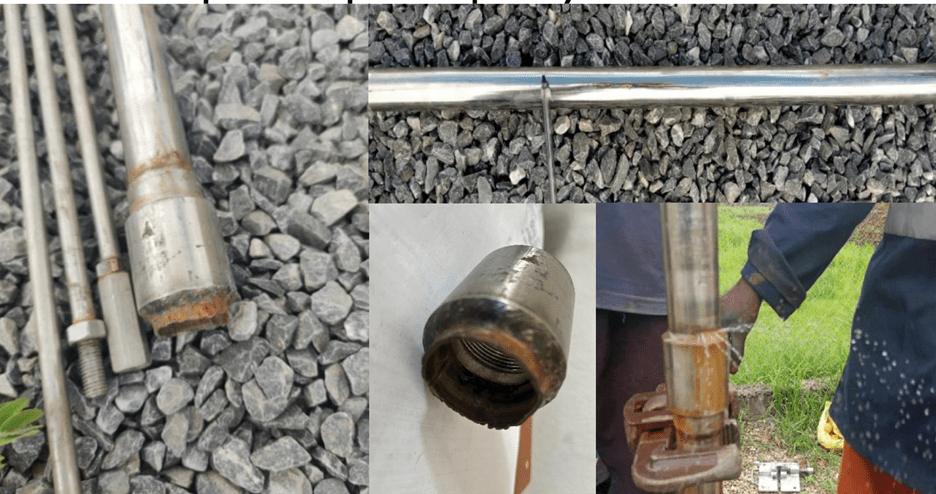
▪ In other instances, a combination of both has been observed to be possible. ▪ Within 3 to 6 months of installing hand pumps with galvanized material, pipes and rods have been found to be heavily corroded. 

▪ When corrosion is the main source of iron, iron concentrations reduce drastically when water is pumped out and fresh recharge is allowed. If iron concentrations remain high throughout during continued pumping, the case has been that it is likely the iron is coming from the aquifer.

Experiences on hand pump corrosion 

Hand pumps with GI pipes, sometimes only a year or two old have corroded, and people have returned to unprotected water sources. Water with pH below 6 has been observed to have corroded pipes. High iron concentrations in handpumps have been a usual occurrence this has been observed through regular water quality testing and evaluating the change in iron concentration over the period of our operations. Stainless steel pipes and rods had corrosion rates lower than galvanized iron (GI) pipes and rods.

Experiences on hand pump corrosion 

The brown or reddish color is observed in the morning when the pumps had not been used during the night 

However, groundwater has been observed to hold significant concentrations of iron but appears clear and colorless. When this water is pumped out after being exposed to the atmosphere, the color changes to red/brown.

Figure 3: Sampled on Friday 2nd June 2023 in Central Province. 

General complaints recorded from communities: 

Within weeks and months of installation, communities would begin to complain about water quality. These complaints range from metallic taste, odor, and the appearance of water. Also, the communities would report discoloration of water and cloths and highly turbid water. 

All these result in people abandoning the water point and going back to unprotected alternative water sources. 

Positive observations 

The use of uPVC pipes and stainless-steel adapters has so far shown positive results in reducing iron contamination.  After switching from galvanized pipes to UPVC, the communities have observed reduced to no brown or reddish color in the water.  uPVC pipes last long, so you won’t have to worry about replacing them anytime soon. Since uPVC is non-porous, uPVC pipes help by preventing any contamination from occurring. uPVC is resistant to corrosion as it is not susceptible to chemical and electrochemical reactions, so there are better option in controlling iron contamination. The use of uPVC pipes and stainless-steel adapters has so far shown positive results in reducing iron contamination

Figure 4:  Riser pipe removal and water quality testing for an installation that was less than six months old by ECHO. 

What we are advocating for: 

▪ Stakeholders should address the handpumps with corrosion problems as a priority in order to guarantee the water quality we supply to the people.

▪ Testing boreholes that present iron contamination to determine whether the source of iron is from the aquifer or from corrosion. This will provide the best options for the right material to equip the water point with 

▪ Competent borehole drilling and rehabilitation supervision should be ensured so that all standards and specifications are adhered to. 

▪ Regular water quality analysis is undertaken, and critical parameters are tested to address problems such as corrosion and other related problems that shorten the life span of a hand pump

You are invited to access the presentations HERE, along with the session’s concept and report. If you would like to dive deeper into the enriching exploration of water challenges and solutions through the Stop the Rot initiative, visit this page.

About the author: 

Annie Kalusa – Kapambwe presenting at  at ZAWAFE 2023 

Annie Kalusa is an accomplished development practitioner and administrator. Currently working for a local Zambian NGO Empowered Communities Helping Others (ECHO) in Zambia, focusing on improving the wellbeing of Vulnerable Rural Communities. Her areas of focus are climate resilient Water Sanitation and Hygiene (WASH). She is currently developing her thesis on Rural Agriculture Practices and Mechanisms for Water Resource Management.

Photo credits: Annie Kalusa

The journey towards reducing the effects of rapid corrosion in Kalumbila District, Zambia

Stop the Rot during ZAWAFE 2023 Zambia – 3/4

This blog is part of a four-part blog series highlighting the presentations delivered during the 11th Zambia Water Forum and Exhibition.  The event, themed “Accelerating Water Security and Sanitation Investments in Zambia: Towards Agenda 2023 through the Zambia Water Investment Programme”, lasted three days. 

Our blog series takes a focused look at the presentations and discussions that revolved around “Addressing Rapid Hand Pump Corrosion in Zambia – Stop the Rot!”, which was co-convened by UNICEF and WaterAid,  together with Ask for Water GmbH and the RWSN, hosted by Skat Foundation. 

Third session:

The journey towards reducing the effects of rapid corrosion in Kalumbila District.

Kalumbila District is a district in the North-Western Province of Zambia. It has two major mines namely Lumwana and Kalumbila Mines.

With a population of over 170,000, the district has about 300 water points (boreholes and protected wells equipped with handpumps). 

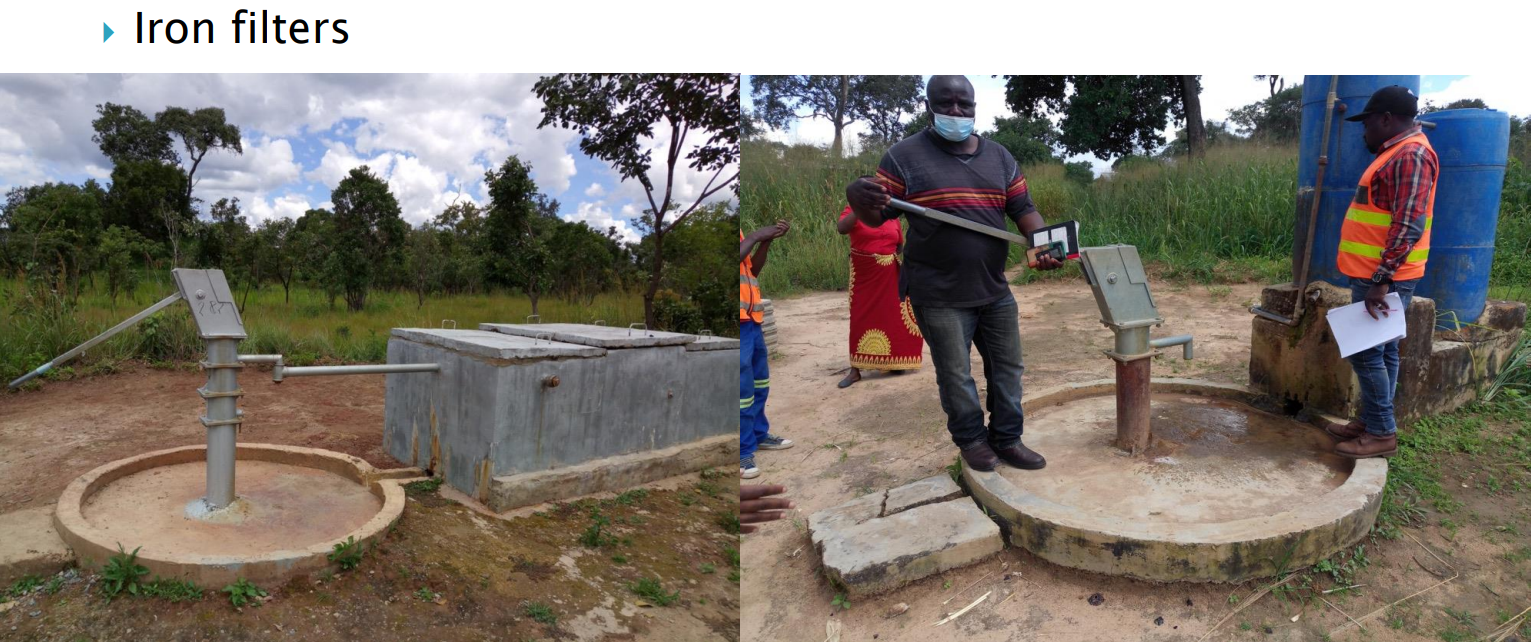
Rapid handpump corrosion has been a problem since the district was created in 2015. One of the interventions that the district has undertaken has been iron removal filters (to remove iron from pumped water), although these have not been sustainable. 

Figure 1: Location of Kalimbula District

In every program of drilling of boreholes about 40% of boreholes were abandoned within one year after handover due to rapid corrosion.

We started looking for a solution to this problem. We found that iron filters were used but were not sustainable. 

Figure 2: Handpump evaluation

One of the interventions that the district has undertaken has been iron removal filters (to remove iron from pumped water), although these have not been sustainable. In Kalumbila District it was found, that in every borehole programme, about 40% of the handpumps installed were abandoned due to high iron content, with some boreholes being abandoned as early as three months after construction and commissioning.

Projects

In 2017 UNICEF supported Kalumbila district in the drilling of 23 boreholes and rehabilitation of 15 water points.  

In 2018 JICA also supported Kalumbila district with rehabilitation of 77 water points using uPVC pipes with stainless steel adapters.  It is from these projects that we learnt a lot of important lessons and made recommendations to the D-WASHE committee.  No water point was abandoned after one year of handover  Kalumbila district decided to suspend the use of galvanised iron (GI) pipes and recommended the use of stainless steel and uPVC pipes for Indian Mark II and Afridev hand pumps. 

Lessons learnt

It is from these two projects that we learnt a lot of lessons, and we told ourselves never to keep quiet. From these two projects, we observed that no water point was abandoned after one year of handover. We saw a solution – why continue to use GI pipes when there was a solution. So we made recommendations to the D-WASHE committee. After this, Kalumbila district decided to suspend the use of galvanised iron (GI) pipes and recommended the use of stainless steel and uPVC pipes for India Mark II and Afridev hand pumps. We have discovered that handpumps with stainless steel riser pipes do not require frequent repair and maintenance whereas sometimes the GI pipes would require replacement every six months. For the past four years, those handpumps remain working. 

Our challenges include a lack of funding for the rehabilitation of boreholes affected by rapid corrosion. Further, some stakeholders have not supported the districts fully. 

Recommendations

  • Stakeholders at the national level take an interest in order to address this issue of rapid corrosion. 
  • The use of materials that are environmentally friendly without change of properties when they come into contact with aggressive water (i.e. materials such as stainless steel and uPVC). 
  • There is capacity building of all Area Pump Menders (APMs) in Afridev hand pumps.
  • All hand pumps that have galvanised iron (GI) riser pipes are to be rehabilitated.

You are invited to access the presentations HERE, along with the session’s concept and report. If you would like to dive deeper into the enriching exploration of water challenges and solutions through the Stop the Rot initiative, visit this page.

About the author:

Daniel Shimanza presenting at ZAWAFE 2023 

Daniel Shimanza is a Zambian Citizen who has worked in the water sector for more than 6 years. He worked on many water supply projects in Kalumbila district, Zambia in collaboration with GRZ, NGOs such as UNICEF, and World Vision. He has a passion for the improvement of access to clean water supply for people living in rural areas. He’s championing a campaign to reduce the effects of rapid corrosion in Kalumbila district by using alternative materials such as stainless steel pipes, PVC pipes, Iron Filters, and more. He holds a Diploma in Water Engineering from NRDC and currently pursuing a Bachelor of Civil Engineering from the Copperbelt University.

When stainless steel is not stainless steel

Stop the Rot during ZAWAFE 2023 Zambia – 2/4

This blog is part of a four-part series covering the presentations given at the 11th Zambia Water Forum and Exhibition. The event, themed “Accelerating Water Security and Sanitation Investments in Zambia: Towards Agenda 2023 through the Zambia Water Investment Programme”, lasted three days.

Our blog series takes a focused look at the presentations and discussions that revolved around “Addressing Rapid Hand Pump Corrosion in Zambia – Stop the Rot!”, which was co-convened by UNICEF and WaterAid,  together with Ask for Water GmbH and the RWSN, hosted by Skat Foundation.

Continue reading “When stainless steel is not stainless steel”

History of the Rapid Hand pump Corrosion Problems in Zambia and Potential Next Steps

Stop the Rot at ZAWAFE 2023 Zambia – 1/4

This blog is part of a four-part series covering the presentations given at the 11th Zambia Water Forum and Exhibition. The event, themed “Accelerating Water Security and Sanitation Investments in Zambia: Towards Agenda 2023 through the Zambia Water Investment Programme”, lasted three days. 

Our blog series takes a focused look at the presentations and discussions that revolved around “Addressing Rapid Hand Pump Corrosion in Zambia – Stop the Rot!”, which was co-convened by UNICEF and WaterAid,  together with Ask for Water GmbH and the RWSN, hosted by Skat Foundation. 

Cover Photo: Removal of corroding riser pipe in Hoima District, Uganda in 2012 (source: Larry Bentley). In 2018 the Government of Uganda issued a directive to prevent further use of galvanised iron riser pipes throughout the country.

First session:

History of the Rapid Hand Pump Corrosion Problems in Zambia and Potential Next Steps

In Sub-Saharan Africa (SSA), an estimated 200 million people rely on a handpump for their main source of drinking water. They most likely use about 700,000 handpumps (Danert, 2022). Although the popularity of other technologies is growing, handpumps are likely to remain important in the region for decades to come, particularly in areas that are remote or with low population density. Unfortunately, many handpump services perform poorly or fail prematurely due to technical or installation defects with the borehole or the pump, as well as weaknesses with operation and maintenance or financial constraints. 

In Zambia, it has been estimated that handpumps are the main source of drinking water for 19% of the urban and 32% of the rural population. It is worth to highlight that all metallic components that are submerged in water, or move in and out of water will eventually corrode, and so corrosion must be considered as part of the long-term maintenance of water wells with handpumps (or motorised pumps). 

About rapid handpump corrosion

Rapid handpump corrosion occurs when aggressive groundwater reacts with galvanised iron (GI) riser pipes and rods of a handpump, and the India Mark II in particular. The materials corrode, with the pumped water becoming bitter in taste, with an unpleasant smell and a rusty colour. This not only renders the water unfit for drinking from a user perspective but also considerably reduces the pump lifespan. In Zambia, the main cause of rapid handpump corrosion is contact between groundwater with a pH of less than 6.5 and GI pipes and rods. However, salinity is also a problem in some parts of the country and can result in rapid corrosion too. 

The use of alternative materials to GI, particularly stainless steel (SS) riser pipes and rods and uPVC rider pipes fitted with stainless steel connectors, can prevent rapid handpump corrosion. While rapid handpump corrosion was documented in West Africa in the late 1980’s ((Langenegger, 1989), and actions to prevent it have been taken in some places, the phenomenon still occurs in over 20 countries in sub-Saharan Africa. Zambia, with an estimated 22,000 handpumps in use, serving 32% of the population with their main drinking water supply, is among these countries. 

Figure 1: Soil reaction map (pH) map of Zambia, 2014. (Shitumbanuma et all, 2021)

Figure 2: Zambia’s Agro-Ecological Zones (1987) and the 10 Provinces (Makondo & Thomas, 2020

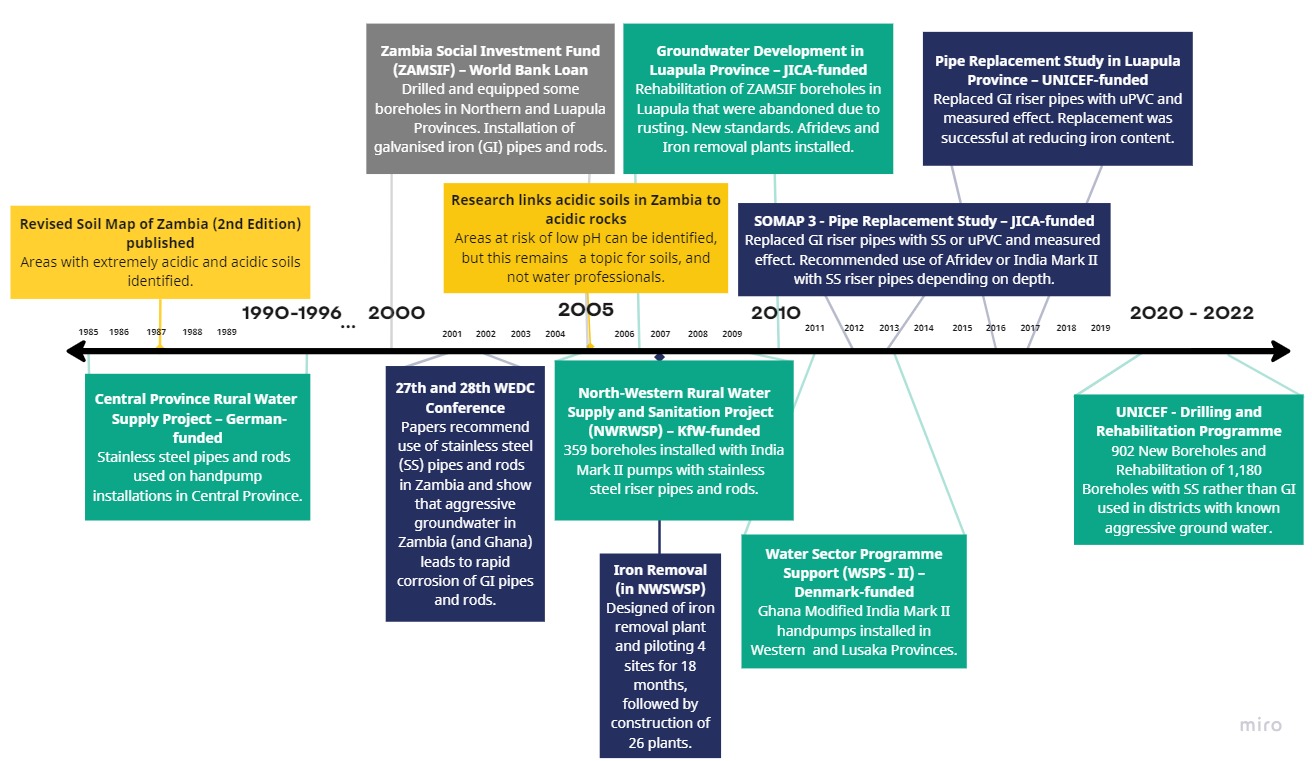
Figure 3: History of efforts in Zambia in relation to rapid handpump corrosion – Overview

In Zambia, while the geographical extent of aggressive water is not fully understood by water sector professionals, it has been documented and explained with respect to soils.  A Soil Survey by the Mount Makulu Research Station from 1990 presents the situation clearly, with extreme soil acidity in the north, and soil acidity in the central parts of the country. Further, in Zambia the traditional Chitemene – ‘slash and burn’ – method of cultivation in the high rainfall region has been used since time immemorial to neutralise low pH in soils in order to cultivate crops. Leaching from these highly acidic soils affects the pH of the groundwater. 

The problem of rapid corrosion in handpumps in Zambia has been known for more than 30 years (Pitcher, 2001) and is well documented, including in the following: 

  • The Central Province Rural Water Supply Project (CPRWSP) (1985 – 1996) – which installed 564 handpumps with stainless steel riser pipes rather than using GI to prevent rapid corrosion. 
  • The North-Western Province Rural Water Supply and Sanitation Project (2004 – 2009) – over 350 handpumps were installed with stainless steel riser pipes, also in response to the same issue. 
  • In Luapula Province under the Japan International Cooperation Agency (JICA)-supported Groundwater Development Project (2007 – 2010), some Afridev handpumps with uPVC riser pipes were installed. The project rehabilitated existing, corroded handpumps which the community had previously abandoned. Replacing the GI pipes with uPVC stopped the iron problem, indicating that in these boreholes, using iron pipes had been the cause of corrosion. Iron removal plants were also installed on some boreholes. 

However, while solutions were implemented at scale in the aforementioned projects in Central and North-Western Provinces, as well as the study in Luapula, the use of GI riser pipes and rods still continued in subsequent projects in the same areas.

Some stepbacks

  • There was a change in the ministry responsible for drilling works. The period 1985 – 1996 saw borehole drilling under the Department of Water Affairs, while the Department of Infrastructure and Support Services under the Ministry of Local Government and Housing took on this role after it had been created in 1995. 
  • National Guidelines for Sustainable Operation and Maintenance of Handpumps in Rural Areas (MLGH, 2007) includes neither aggressive water as a criterion for handpump selection nor the use of stainless steel riser pipes, and so the use of GI pipes in aggressive water as the cause of the ensuing rapid corrosion was in effect further supported. 

Initiatives undertaken in the last 10 years

  • Under the SOMAP 2 project (2012 – 2013), the JICA-supported programme carried out pipe replacement of GI at 20 sites in four provinces (Luapula, Copperbelt, Central and the North Western) whereby GI pipes were removed, the boreholes flushed and then installed with uPVC pipes. The replaced handpumps performed well without the water turning rusty, and the communities continued to draw water from them, whereas previously they had been abandoned. 
  • UNICEF also carried out pipe replacement in Mansa and Milenge districts of Luapula Province. In the study, India Mark II handpumps GI pipes at 45 sites were replaced with uPVC riser pipes. After the pipe replacement of GI riser pipes, the community used the handpumps that had previously been abandoned, with unsafe water sources being used instead. The pipe replacement study was successful, with the water users returning to previously abandoned boreholes which had clear, rust-free water. 
  • There is some evidence of other projects and organisations starting to use either stainless steel riser pipes, or uPVC riser pipes with stainless steel connectors in their projects, but documentation is limited. While stainless steel riser pipes have been used effectively, there are also some outstanding technical issues – particularly in relation to the removal of narrower diameter riser pipes, which require suitable tools that are not in the standard India Mark II toolkit. Further, the use of uPVC pipes has also been found to be problematic, as they need to be cut on removal and cannot easily be re-threaded. However, at least one NGO in Zambia has been using an alternative, comprising uPVC with stainless steel couplers which is available on the Zambian market. A further complication is that some parts of Zambia appear to exhibit naturally occurring iron. Tests are available to determine whether iron is naturally occurring or a result of corrosion, but there is no comprehensive map to indicate areas at risk of high levels of geogenic iron.

While stainless steel riser pipes have been used effectively, there are also some outstanding technical issues – particularly in relation to the removal of narrower diameter riser pipes, which require suitable tools that are not in the standard India Mark II toolkit. Further, the use of uPVC pipes has also been found to be problematic, as they need to be cut on removal and cannot easily be re-threaded. However, at least one NGO in Zambia has been using an alternative, comprising uPVC with stainless steel couplers which is available on the Zambian market. A further complication is that some parts of Zambia appear to exhibit naturally occurring iron. Tests are available to determine whether iron is naturally occurring or a result of corrosion, but there is no comprehensive map to indicate areas at risk of high levels of geogenic iron.  Despite all of the efforts to date, and notwithstanding the widespread nature of rapid handpump corrosion of GI riser pipes and pump rods, the problem still persists in 2023. 

Potential Next Steps for GRZ / International Donor Community / Universities 

  1. Revise the National Water Policy to include aggressive groundwater in community boreholes 
  2. Restrict Types of Handpumps to Certain Regions. 
  3. Enact a Law and a Statutory Instrument on Aggressive Groundwater in Community Boreholes. 
  4. Incentivise the private sector for provision of corrosion-resistant pipes and rods 
  5. Regulation of Quality of Handpumps by Zambia Bureau of Standards. 
  6. Standardise Handpumps Used in Zambia. 
  7. Further studies and replacement of galvanised iron riser pipes. 
  8. Further Research Studies on the phenomenon of naturally occurring iron in ground and surface water and 
  9. Research Studies on Saline Water in Western Province

You are invited to access the presentations HERE, along with the session’s concept and the study report:  Nkhosi. J and Danert, K. (2023). ‘Stop the Rot: History of the Rapid Handpump Corrosion Problem in Zambia and Potential Next Steps. Action research on handpump component quality and corrosion in sub-Saharan Africa’. Ask for Water GmbH, Skat Foundation and RWSN, St Gallen, Switzerland. https://doi.org/10.13140/RG.2.2.27489.28006.

If you would like to dive deeper into the enriching exploration of water challenges and solutions through the Stop the Rot initiative, visit this page.

About the author:

 Javan Nkhosi presenting at ZAWAFE 2023

Javan Nkhosi is a Zambian water professional. He has worked in the rural water sub-sector for more than 25 years on many water supply projects funded by the government, NGOs and donor agencies as a private consultant across Zambia. He has a passion for improving water supply to the unreached areas of rural Zambia. He holds a Diploma in Agricultural Engineering from NRDC, Lusaka, Advanced Diploma in Water Engineering from the Copperbelt University and an MSc in Project Management from the University of Lusaka. He is a Registered Engineer with Engineering Institute of Zambia (EIZ) and also a member of the Association of Consulting Engineers of Zambia (ACEZ) , an affiliate of the International Federation of Consulting Engineers (FIDIC). 

References: