Sustaining Access to Safe and Healthy Drinking Water in Fiji: A Universal Challenge for Island and Rural Coastal Communities

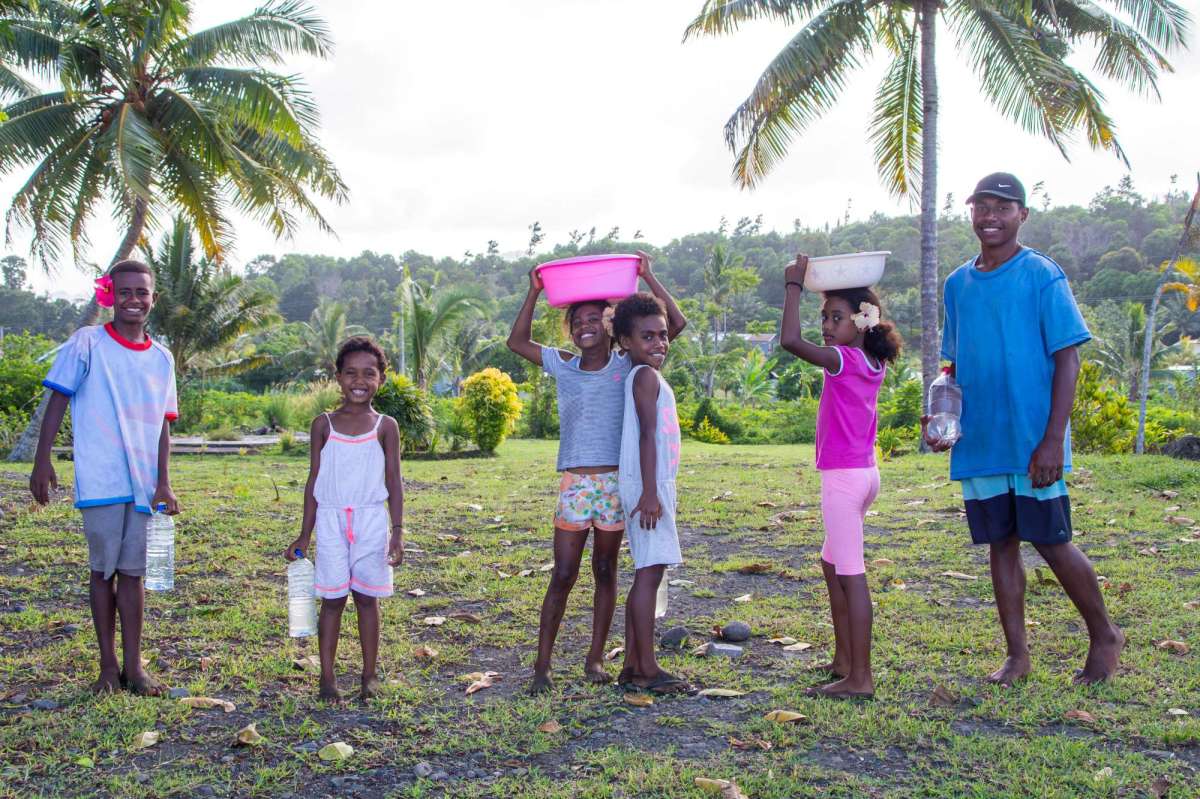
Access to safe and healthy drinking water is a fundamental human right. Yet for many island and rural coastal communities worldwide, this right remains fragile or unattainable. Fiji, an archipelago of more than 300 islands, vividly illustrates this challenge. Despite its tropical climate and abundant rainfall, freshwater resources in Fiji are increasingly under pressure. Over-abstraction, particularly in water-intensive tourism sectors, combined with the accelerating impacts of climate change, threatens the sustainability of water systems. Fiji’s experience reflects a universal struggle for water security in island nations and rural coastal regions.

Island environments are naturally constrained when it comes to freshwater. Unlike continental landmasses, islands have limited rivers, streams, and shallow aquifers. In Fiji, water is sourced from rivers, streams, natural springs, rainwater harvesting systems, and underground aquifers. These sources are highly sensitive to variations in rainfall, land-use changes, and contamination. Once compromised, alternatives are often scarce, making water security a central concern for both rural villages and small island nations.

“Sustaining access to safe and healthy drinking water is not just about scarcity, it is about how water is managed, shared, and protected.”

Over-Abstraction and Tourism Pressures

Over-abstraction has become a critical issue in Fiji. Population growth, urban expansion, and changing lifestyles have steadily increased water demand across the islands. Coastal zones and smaller islands are particularly vulnerable, where shallow freshwater lenses can be quickly depleted. Once over-extracted, these lenses may collapse or become contaminated with saltwater, leaving water unsuitable for consumption.

Tourism, a major pillar of Fiji’s economy, further intensifies pressure on freshwater resources. Hotels, resorts, and other facilities consume large volumes of water for swimming pools, gardens, laundry, and guest services. In many cases, tourist water use exceeds that of local residents. When regulation and conservation measures are weak, tourism can compete directly with community water needs, a challenge common to island destinations worldwide.

Climate Change and Extreme Weather

Climate change magnifies existing water challenges. Rising temperatures increase evaporation, reducing water availability in rivers, reservoirs, and storage tanks. Altered rainfall patterns have caused longer dry periods and more frequent droughts, disproportionately affecting rural and outer-island communities that rely on rainwater harvesting. During extended dry seasons, households often face water rationing or must rely on untreated sources.

Extreme weather events, including cyclones and floods, further threaten water systems. Floodwaters can damage infrastructure, carry debris and pathogens into freshwater sources, and overwhelm natural filtration processes. Sea-level rise also poses a long-term risk for coastal groundwater, as saltwater intrusion contaminates shallow freshwater lenses. Recovery, if possible, may take decades, underscoring the lasting impact of climate change on water security.

Health and Social Implications

Unsafe or unreliable water has serious health consequences. Limited access to clean water increases vulnerability to waterborne diseases, including diarrhea, typhoid, cholera, and skin infections. Children, the elderly, and immunocompromised individuals are particularly at risk. In rural areas with limited infrastructure, households often rely on untreated sources, further increasing health risks and placing additional strain on local healthcare systems.

Inequality in water access compounds the problem. Urban populations generally benefit from centralized treatment and distribution systems, while rural and outer-island communities rely on small, self-managed infrastructure such as rainwater tanks and natural springs. These systems are often outdated, poorly maintained, and highly susceptible to contamination.

Toward Sustainable Solutions

Fiji’s challenges reflect broader patterns among islands and rural coastal regions: limited freshwater resources, competing demands, climate change impacts, and unequal access to infrastructure. Addressing these issues requires integrated, multi-faceted solutions:

  • Investment in climate-resilient infrastructure to protect storage systems, pipelines, and natural water sources.
  • Community engagement and local management to ensure maintenance and equitable access.
  • Promotion of responsible water use across all sectors, particularly tourism.

By implementing these strategies, Fiji can move toward sustainable water management that balances economic development, environmental protection, and public health.


Sustaining access to safe drinking water is more than a development goal, it is a matter of survival, health, and dignity. Over-abstraction, tourism pressures, climate change, and social inequality threaten the long-term resilience of water systems. Protecting freshwater resources, investing in resilient infrastructure, and promoting equitable water management are critical steps not only for Fiji but for island and coastal communities worldwide.

“Ensuring safe drinking water for present and future generations is not only a matter of development, but a commitment to the survival and dignity of island communities everywhere.”


Save our Fiji is dedicated to addressing these pressing water challenges in Fiji and beyond. They work directly with local communities to improve water infrastructure, promote sustainable water management practices, and build resilience to climate-related impacts. By combining research, community engagement, and practical interventions, they aim to ensure that every island and coastal community has reliable access to safe, clean, and sustainable drinking water for generations to come. Save our Fiji joined the RWSN member organisations in April 2024.

Pouring hope or pouring doubt – Navigating the aftermath of disasters in coastal Bangladesh

by Afsana Afrin Esha, REACH Research Associate and PhD student at Durham University, re-blogged from REACH

Every year, the southwestern coastal zone of Bangladesh faces weather-related disasters, worsening a perpetual drinking water crisis. Cyclone Sidr in 2007 and Cyclone Aila in 2009 caused widespread destruction. While people were still recovering, Cyclone Amphan caused heavy damage to infrastructure and contamination. Saltwater intrusion due to cyclones and storm surges is having devastating consequences on groundwater and freshwater resources. Different water treatment options and alternative strategies are being applied by the local government institutions, NGOs and aid agencies, whilst informal or small water service providers too, are on the rise, addressing critical gaps in public investments in the rural water sector. However, in the face of rising climatic changes along with other socio-political factors, water shortages persist. In this short piece, I portray the effects of disaster on drinking water sources to understand the nuances of climate resilience.

Continue reading “Pouring hope or pouring doubt – Navigating the aftermath of disasters in coastal Bangladesh”

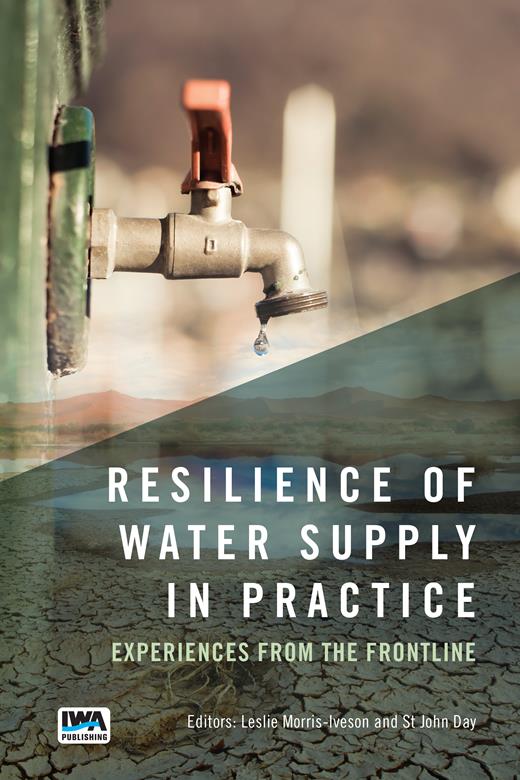
Resilience of Water Supply in Practice: Experiences from the Frontline

Guest blog by Leslie Morris-Iverson and St. John Day

The protracted Covid-19 pandemic has restricted international travel, cancelled or shifted international conferences on-line and confined many of us to working from home. These changes, along with an awareness of growing and intersecting threats to water supply means it is increasingly important to hear the voices and learn from the experiences of practitioners who continue to work on the frontline. We have edited a book “Resilience of Water Supply in Practice: Experiences from the Frontline” (published at the end of 2021) to help us listen to those voices, people working for utilities, contractors, catchment organizations, or non-governmental authorities, on how they are implementing to address these increasingly complex resilience challenges.

Many service providers are striving to improve the resilience of their water supply services in some very challenging environments. This refers to improving or maintaining service levels, so they can resist, recover from and withstand multiple growing pressures and shocks, such as increased water demands, aged and crumbling infrastructure, environmental pressures (including climate change) and natural or human-made disasters.

In the book, we highlight there needs to be renewed focus on strengthening resilience to raise service levels and improve professional standards of service. If service levels decline or systems breakdown there will be little prospect of getting at least basic services to people, let alone the more ambitious target of safe, adequate and affordable water supply services for all.

To improve resilience, service providers need to imagine what a resilient water supply service will look like. They should conceptualise the key factors that underpin resilience and introduce approaches that will strengthen each component. They also need to ensure inter-linkages between these component parts. This requires detailed analysis of water resources, high quality infrastructure – fit for the local context, strong management arrangements and an adaptive or iterative approach so that learning, adjustments and improvements are continuous. This means decision-makers and service providers should be concerned with wider systems strengthening work, but at the same time they must also identify immediate actions and areas where they can achieve maximum impact.  This is often referred to as ‘doing the right thing and doing it right’.

In the book we present several case studies from different contexts. It consists of eight different examples, contributed by different authors, all of whom are highly experienced in water supply service provision. Each case study brings a different context, challenge, experiences and some practical findings and conclusions. Examples range from: managing water demand in the United Kingdom, to the Cape Town water crisis, to rebuilding water supply services in Freetown; from the challenges of rural water supply in Eastern Sudan, Tajikistan and Iraq, to improving service levels in post emergency situations.

This network is devoted to the important issue of rural water supply. Over the past decade or so, there have been numerous studies highlighting underperformance and shortcomings in community-based maintenance approaches. In this book many of the challenges faced by utilities are highlighted, and, in our opinion, much work is required to improve service levels and increase customer satisfaction. One of the main challenges, as demonstrated in the Sierra Leone case study, is how to strengthen resilience in a systematic manner, when development projects are short term, projects are pre-conceived and often fail to address the most critical problems the utility is facing.

One of the main conclusions from the book is that resilience is being improved through an iterative and adaptive approach. Frontline operators often need to start by ‘doing what they can with what they have,’ while setting realistic and achievable targets. There must be a strong focus on ensuring interventions are relevant to the local context and implemented professionally to prevent reworking and excessive costs. In editing the book, the importance listening to service providers who really are on the frontline – has become ever apparent.

We would like to thank everyone who contributed to this book being published and for assisting in making the book open access.

Strengthening WASH systems in Bangladesh

by Anisul Azam Khan BA (Hons) MA,
Chief Executive, LORDS Bangladesh

WASH means Water, Sanitation and Hygiene.   People cannot live with out WASH. It is the part and parcel of a human  life. WASH is the symbol of civilization in the modern age. We say water is life: according to scientists, all kinds of species of life originated in water, a human body  is 70% water, and all  civilization was created in river basins. I don’t want to write more about water.

Sanitation is another vital  component of human life. The symbol of modern  civilization means sanitation system of a home. A dirty and  unhygienic toilet is the symbol of poor civilization.  A comparatively clean healthy toilet is the symbol of civilization. Once upon a time our society used dirty toilets, historically in Bangladesh this is not long ago. In our Society before hundred years a few numbers of people using sanitary latrine and rest of the people were non user of sanitary latrine.

Hygiene is the most important component of human life. Hygiene is divided into two parts: one is personal hygiene and another is community hygiene. Personal hygiene means – hand washing, mouth washing, cleaning the body and regular cutting of pubic hair, and regular cutting of nails etc.

Since the liberation war in 1971, Government and Non-Government Organisations  have been doing social movement WASH programmes all over the Bangladesh. But it is not sufficient for our society!  Bangladesh is a disaster-prone delta region. Every year, millions of people are affected by floods in the north and the  coastal belt of southern Bangladesh is hit by cyclones every year and the dreams of million people are destroyed. At the same time our WASH system is also demolished by the cyclone and flood every year.

The WASH system of Bangladesh needs to be strong and sustainable. It must be inclusive in its approach, not only benefiting a few people. WASH has to be for all! It is a basic human right for all people in society: men, women and children, the rich and the poor, all types of people have the right to access the WASH system. So, WASH systems need to available for all across the country, in both rural and urban areas, and they need to withstand the shocks of floods and cyclones.

We need measures for sustainable WASH systems in Bangladesh. From practical experience I recommend:

  1. All handpump platforms should be constructed with stronger and higher foundations so that the pump is above the high level of flood water in flood risk and cyclone-prone areas.
  2. All latrines in flood risk and cyclone-prone areas should be constructed with a stronger foundation that is above the likely floodwater level.
  3. In our country all people should maintain personal hygiene as well as community hygiene practice, as for example: regularly washing hands, wearing clean and hygienic clothes etc. Its need to campaign all over the country.

My name is Anisul Azam Khan, I have completed B.A(Hons), M.A in Social Work at Rajshahi Universityi, Bangladesh. Now I am volunteer with WaterAid Bangladesh. I have worked with National an International NGOs, such as PIACT Bangladesh, Dhaka Ahsania Mission, DPHE-DANIDA Project and Enfants du Monde(EDM Bangladesh). I am committed to establishing Local Resource Development Society (LORDS Bangladesh) A Non-Profit, Non-Political Development Organization.

Our goal is to improve the lifestyle of marginalised people, and our objectives are:

  • To develop capable human resources & skill development training.
  • To develop technical assistance for marginal People.
  • To promote Social Development activities.
  • To provide relief &Rehabilitation support to the disaster people after natural calamities

Notes: Local Resource Development Society (LORDS) Bangladesh is registered with the Directorate of Social Service Govt. of The People Republic of Bangladesh Vide Registration No Dha-06268. Rupayan Kutir, 33 North Road, Dhanmondi, Dhaka-1205 Bangladesh


About the RWSN member eXchange

Exchanging ideas and experience is at the heart of what RWSN is about, but the online world is overloaded with content. Over the last 6 years, RWSN has run over 120 webinars in 3 languages, but that is only scratching the surface of what is out there and we want to give a platform to our members who are working on rural water at an operational level around the world. The RWSN member eXchange is an experiment to see if we can do that.

If you would be interested in submitting a blog post or video then download the guidelines:

Disclaimer: Any claims in an RWSN member eXchange article or video have not been verified and any views presented or services provided the individual organisation are not necessarily endorsed by RWSN or any of it executive partners or Secretariat.

Getting to the heart of climate resilient WASH

by Dr John Butterworth, IRC WASH Ethiopia – re-posted with permission

Climate resilient WASH is about new ways of working across the traditional humanitarian and development sectors. We went to one of the harshest spots in Ethiopia, and surely in the world, to find out more.

Photo: An existing water point in Afdera, Afar

Continue reading “Getting to the heart of climate resilient WASH”