
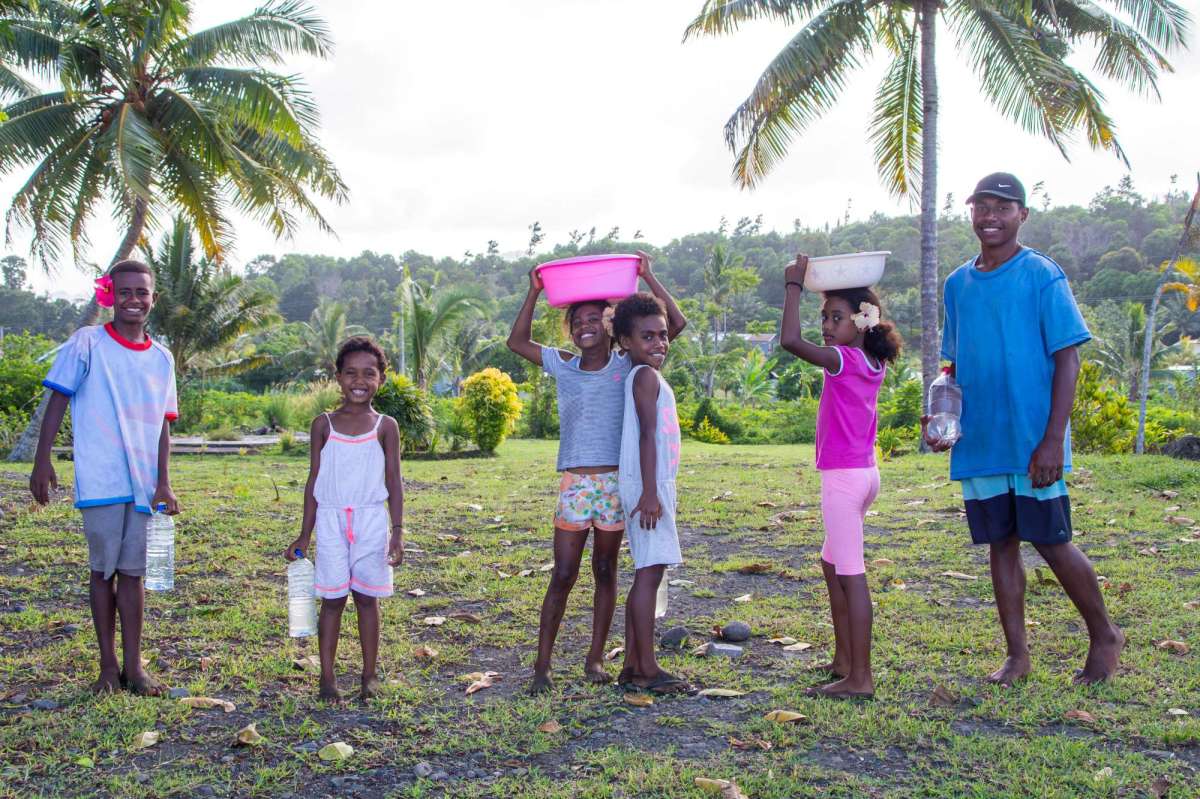
Access to safe and healthy drinking water is a fundamental human right. Yet for many island and rural coastal communities worldwide, this right remains fragile or unattainable. Fiji, an archipelago of more than 300 islands, vividly illustrates this challenge. Despite its tropical climate and abundant rainfall, freshwater resources in Fiji are increasingly under pressure. Over-abstraction, particularly in water-intensive tourism sectors, combined with the accelerating impacts of climate change, threatens the sustainability of water systems. Fiji’s experience reflects a universal struggle for water security in island nations and rural coastal regions.
Island environments are naturally constrained when it comes to freshwater. Unlike continental landmasses, islands have limited rivers, streams, and shallow aquifers. In Fiji, water is sourced from rivers, streams, natural springs, rainwater harvesting systems, and underground aquifers. These sources are highly sensitive to variations in rainfall, land-use changes, and contamination. Once compromised, alternatives are often scarce, making water security a central concern for both rural villages and small island nations.
“Sustaining access to safe and healthy drinking water is not just about scarcity, it is about how water is managed, shared, and protected.”
Over-Abstraction and Tourism Pressures
Over-abstraction has become a critical issue in Fiji. Population growth, urban expansion, and changing lifestyles have steadily increased water demand across the islands. Coastal zones and smaller islands are particularly vulnerable, where shallow freshwater lenses can be quickly depleted. Once over-extracted, these lenses may collapse or become contaminated with saltwater, leaving water unsuitable for consumption.
Tourism, a major pillar of Fiji’s economy, further intensifies pressure on freshwater resources. Hotels, resorts, and other facilities consume large volumes of water for swimming pools, gardens, laundry, and guest services. In many cases, tourist water use exceeds that of local residents. When regulation and conservation measures are weak, tourism can compete directly with community water needs, a challenge common to island destinations worldwide.
Climate Change and Extreme Weather
Climate change magnifies existing water challenges. Rising temperatures increase evaporation, reducing water availability in rivers, reservoirs, and storage tanks. Altered rainfall patterns have caused longer dry periods and more frequent droughts, disproportionately affecting rural and outer-island communities that rely on rainwater harvesting. During extended dry seasons, households often face water rationing or must rely on untreated sources.
Extreme weather events, including cyclones and floods, further threaten water systems. Floodwaters can damage infrastructure, carry debris and pathogens into freshwater sources, and overwhelm natural filtration processes. Sea-level rise also poses a long-term risk for coastal groundwater, as saltwater intrusion contaminates shallow freshwater lenses. Recovery, if possible, may take decades, underscoring the lasting impact of climate change on water security.
Health and Social Implications
Unsafe or unreliable water has serious health consequences. Limited access to clean water increases vulnerability to waterborne diseases, including diarrhea, typhoid, cholera, and skin infections. Children, the elderly, and immunocompromised individuals are particularly at risk. In rural areas with limited infrastructure, households often rely on untreated sources, further increasing health risks and placing additional strain on local healthcare systems.
Inequality in water access compounds the problem. Urban populations generally benefit from centralized treatment and distribution systems, while rural and outer-island communities rely on small, self-managed infrastructure such as rainwater tanks and natural springs. These systems are often outdated, poorly maintained, and highly susceptible to contamination.
Toward Sustainable Solutions
Fiji’s challenges reflect broader patterns among islands and rural coastal regions: limited freshwater resources, competing demands, climate change impacts, and unequal access to infrastructure. Addressing these issues requires integrated, multi-faceted solutions:
- Investment in climate-resilient infrastructure to protect storage systems, pipelines, and natural water sources.
- Community engagement and local management to ensure maintenance and equitable access.
- Promotion of responsible water use across all sectors, particularly tourism.
By implementing these strategies, Fiji can move toward sustainable water management that balances economic development, environmental protection, and public health.
Sustaining access to safe drinking water is more than a development goal, it is a matter of survival, health, and dignity. Over-abstraction, tourism pressures, climate change, and social inequality threaten the long-term resilience of water systems. Protecting freshwater resources, investing in resilient infrastructure, and promoting equitable water management are critical steps not only for Fiji but for island and coastal communities worldwide.
“Ensuring safe drinking water for present and future generations is not only a matter of development, but a commitment to the survival and dignity of island communities everywhere.”
Save our Fiji is dedicated to addressing these pressing water challenges in Fiji and beyond. They work directly with local communities to improve water infrastructure, promote sustainable water management practices, and build resilience to climate-related impacts. By combining research, community engagement, and practical interventions, they aim to ensure that every island and coastal community has reliable access to safe, clean, and sustainable drinking water for generations to come. Save our Fiji joined the RWSN member organisations in April 2024.

 Rural Water Supply Network - blog