How three male allies are advancing gender equity in Kenya’s water sector

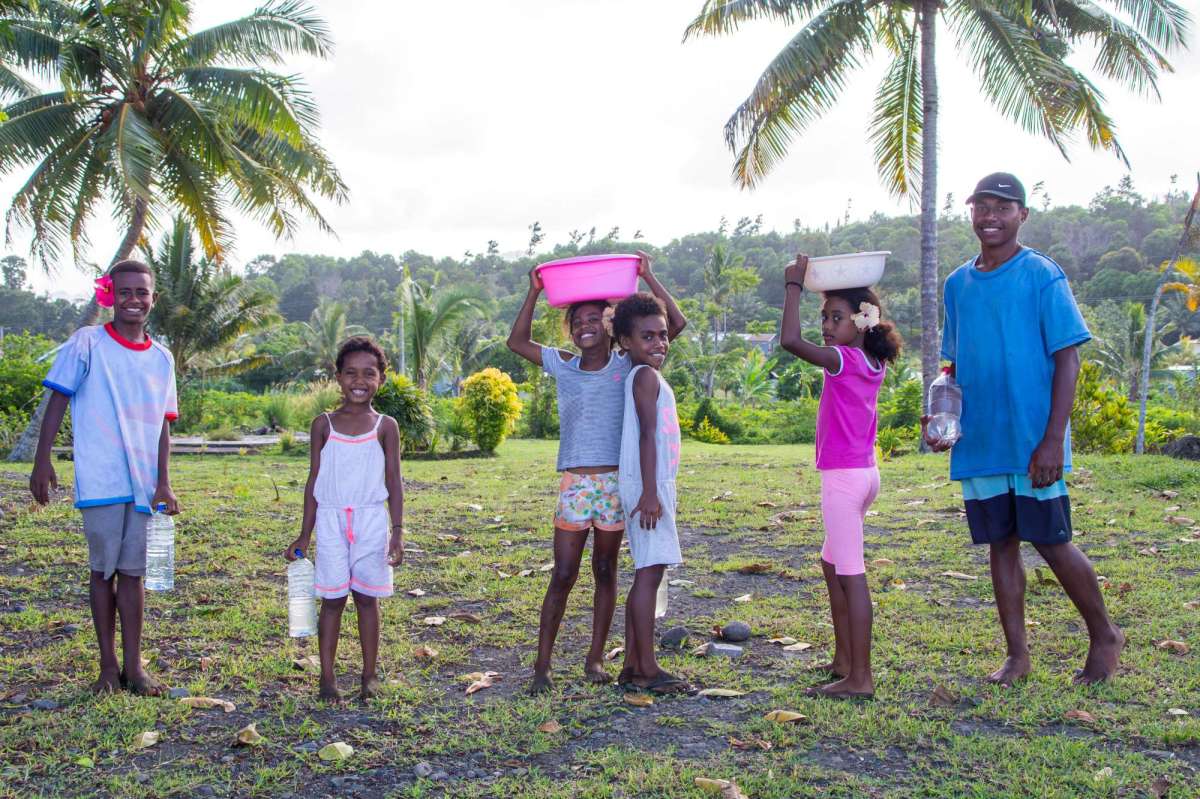
Featured photo: Daily, millions of girls and women in Kenya walk for water, losing time, safety, and opportunity. Photographer: Euphresia Luseka

Blog by Euphresia Luseka, co-lead of the RWSN Leave No-one Behind theme.

The views and opinions expressed in this blog post are those of the author. They do not necessarily reflect the views of the Rural Water Supply Network (RWSN) or its Executive Committee.

A Walk Before Dawn

At five in the morning, Busia County, Kenya is still wrapped in silence. But Jeruto is already walking. Fourteen years old, barefoot, a yellow jerrycan pressed into her hip. Three kilometres to water, three kilometres back.

She knows this path by heart. She also knows it is never safe. Men wait in the shadows. The price of water is sometimes not money but dignity. By the time she returns, the day has already slipped away; half her classes gone, her body exhausted, her hope dimmed.

“I was afraid,” she says. “But what choice did we have?”

This is the  reality of women and girls without drinking water supplies on the premises  every day stolen by the simple act of survival. And yet, here is the cruel paradox; when decisions are made about water, women are nowhere in the room. They carry the heaviest burden but hold the least power. The sector is still led by men.

That irrationality is finally being challenged. In western Kenya, three men, yes, men are ripping up the old rules of water and power. They are saying: enough. Not with platitudes, not with empty gender policies that gather dust, but with radical reforms that change who gets to sit at the table, who gets paid, who gets promoted, who gets heard.

And the truth they have stumbled into is this; Gender equity is not tokenism. It is infrastructure. It is resilience. It is the difference between a girl chained to a jerrycan and a girl being educated.

When Water Becomes Opportunity

The revolution begins small. For Jeruto, it started with the hum of a drilling rig. Just metres from her school gate, the Lake Victoria North Water Works Development Agency (LVNWWDA) sunk a borehole. Water surged from the ground, and with it, time, safety, and dignity returned to her life.

The 3 hours she once lost on the road became minutes. Within a year, girls’ local schools’ attendance had risen by nearly 30 percent.

For Joel Wamalwa, the agency’s CEO, this borehole was not just a piece of engineering. It was a revelation.

“Water unlocks education, strengthens health, reduces risks of violence, and frees women’s time for work and enterprise,” he says. “When women are included in planning and leadership, water systems become not only more equitable but more sustainable.”

Water, he insists, is not only a service. It is a multiplier.

Joel Wamalwa, CEO LVNWWDA says water is a Multiplier, Photographer: Euphresia Luseka

The Paradox of Exclusion

And yet, Joel has spent much of his career staring at a contradiction that borders on absurd. Women carry the heaviest weight of water scarcity rationing supplies, absorbing the stress of breakdowns, managing survival when systems fail. They are the first to wake, the last to sleep, the ones who walk the farthest.

But when utilities gather to make decisions on staffing, on budgets, on infrastructure women are almost invisible.

“We made choices about them without them,” he says quietly. “That was not only unjust. It was inefficient.”

The numbers from Mckinsey back him up. Utilities with gender-diverse leadership are 21 per cent more profitable. Boards with women deliver up to 95 per cent higher returns. For Joel, the conclusion is obvious: “Equity is not compliance. It’s not tokenism. It’s strategy.”

Continue reading “How three male allies are advancing gender equity in Kenya’s water sector”

THE INTERSECTION OF WASH AND GENDER

Blog by Euphresia Luseka, co-lead of the RWSN Leave No-one Behind theme.

“Gender equality is a fundamental human right and an obvious question of equity and fairness. But it is also a necessary foundation for sustainable development and a peaceful, prosperous world.”
– Beate Trankmann, UNDP Resident Representative

However, the intersection of WASH reveals profound challenges that hinder the potential of women and girls in achieving equitable and sustainable development, within the realms of WASH. Cecilia Sharp, UNICEF Director of WASH and CEED, explains this by informing that “unsafe water, toilets, and handwashing at home robs girls of their potential, compromises their well-being, and perpetuates cycles of poverty.” She added, “responding to girls’ needs in the design and implementation of WASH programmes is critical to reaching universal access to WASH and achieving gender equality and empowerment.”

Since the emergence of gendered thinking in WASH in 1970s, the dialogue surrounding gender equity has evolved including a dedicated  SDG 5 that envisions a world where gender equality is achieved and all women and girls are empowered. It targets the eradication of discrimination and violence against women, child marriage and female genital mutilation, and the recognition of unpaid care work. Furthermore, it emphasizes the necessity for women’s participation in decision-making and access to sexual and reproductive health services.

Yet, five decades later, the promise of transformative models within policies and programs remains nascent.  This stagnation raises pressing questions about the efficacy of our current approaches and the urgency of progressive change.

The connection between WASH and gender equity remains tenuous.

This status is explained by the acknowledgement that while the importance of advancing WASH as a means to achieve SDG 5 is increasingly acknowledged in global discourse with even SDG 6.2 explicitly calling for paying special attention to the needs of women and girls, still a glaring omission persists: a lack of commonly agreed-upon indicators for the national and global monitoring of gender within WASH initiatives. This absence underscores a systemic failure that perpetuates gender inequalities, inhibiting the realization of SDG 6 targets.

Water Scarcity and Gender Inequality: Exploring the Hidden Costs of a Thirsty World

The intersection of WASH and gender unveils unique challenges that disproportionately burden women and girls. As demonstrated on Graph 2 below, Research reveals that when water sources are not easily accessible, women and girls aged 15 and older assume the primary responsibility for water collection in 70% of households—an alarming statistic that starkly contrasts with the 30% of households where men share this burden. This reality not only highlights the entrenched gender roles but also raises critical questions about the time and energy expended by women and girls, which could otherwise be invested in education, employment, or health.

Compared to men, women experience many negative WASH-related health outcomes, some of which have been disaggregated. Dr. Maria Neira, Director of the WHO’s Environment, Climate Change, and Health Department, informs, “Women and girls not only face WASH-related infectious diseases, like diarrhoea and acute respiratory infections, they face additional health risks because they are vulnerable to harassment, violence, and injury when they have to go outside the home to haul water or just to use the toilet.”  They also account for a higher number of disabilities adjusted life years (DALYs) caused by inadequate hygiene.

Graph 2 Average time spent collecting water by women, girls and boys, by country, selected surveys, 2012-2022 Source UNICEF and WHO, 2023

The gravity of these issues is further compounded by the fact that contaminated drinking water and poor sanitation can have dire consequences for maternal health, including complications during pregnancy and an increased incidence of reproductive tract infections. Despite the wealth of existing studies on health inequities related to WASH, there exists a significant research gap regarding the specific impacts of drinking water access on gender disparities. While some investigations have touched upon the broader issues of water fetching, sanitation, and sexual violence, the social, educational, and economic ramifications of inadequate access to safe drinking water for women remain largely underexplored.

This multifaceted vulnerability contributes to a staggering increase in mortality rates among women and girls.

Brightening the Horizon: Positive Trends in Gender Recognition in WASH Initiatives

“In the landscape of gender recognition, a nuanced narrative unfolds—one that, while acknowledging persistent challenges, also celebrates the transformative strides women are making within the water sector.”

The forthcoming UN WWDR 2026 stands as a beacon of hope, poised to spotlight the remarkable achievements of women in this vital field. By illuminating their contributions and sharing success stories, the report shall aim not just to honour past accomplishments but to ignite inspiration in future generations of women aspiring to carve out their own paths in WASH careers. This acknowledgment is not merely celebratory; it is a critical step toward fostering gender equity in a sector that has historically marginalized female voices.

Each March annually heralds the convening of the United Nations Commission on the Status of Women (CSW), a platform designed to evaluate the progress made since the Beijing Declaration and Platform for Action. Despite the stark realities of slow advancement in gender and WASH, some nations have emerged as exemplars of progress.

Senegal, for instance, has shown remarkable strides between 2015 and 2020, as highlighted in the 2022 SDG Gender Index by Equal Measures 2030. They improved on undernourishment (SDG2) and drinking water (SDG6). The Senegalese government, since adopting the Beijing Declaration, has actively championed gender equality. The introduction of a parity law for elected institutions in 2010 has positioned Senegal as a global leader, boasting one of the highest proportions of women parliamentarians in West Africa. This progressive move places Senegal fourth in Africa concerning gender parity in its legislative assembly. Complementing these efforts, the government has ratified several international conventions to bolster women’s rights and developed a National Strategy for Gender Equity (SNEEG 2016-2026), to ensure equitable participation of both genders in decision-making and access to resources.

Such positive trends in gender recognition in WASH, have spilled into the political arena particularly women’s activism; Hon. Anne Désirée Ouloto—dubbed ‘Maman Bulldozer’ lead transformative efforts in WASH initiatives in Côte d’Ivoire. Presiding over a monumental US$1.2 billion investment in sanitation and drainage in Greater Abidjan, her work exemplifies the profound impact of female leadership in WASH sector.

The landscape of advocacy and legal rights protecting women in WASH is also evolving. In Kenya, alongside legislators and WASH CSOs’, I have led concerted efforts to address the pernicious issue of sextortion in the water sector. Such advocacy is not only a legal necessity but a moral imperative, critical to achieving SDG5 on gender equality and SDG16.6 on accountable governance.

Moreover, Women are not just participating but breaking barriers, challenging norms and stepping into leadership roles, shaping policies, and driving change by making their voice heard. Indonesia’s Retno Marsudi, who serves as the first UN Special Envoy on Water, exemplifies the vital role women play in global discourse on water issues.

What I’ve learned in 10 years of working to make water, sanitation and hygiene inclusive

by Louisa Gosling on 3 December 2021 on WaterAid WASHmatters, originally a keynote speech at the 42nd WEDC Conference

Are we doing enough to make water, sanitation and hygiene services as inclusive as possible? Louisa Gosling shares her reflections on how far we have come, and what else we need to achieve.

I started working on equality, inclusion and rights in the water, sanitation and hygiene (WASH) sector in 2011. The challenge then, as it is now, was to do three things:

  • To raise awareness of inequalities and exclusion by encouraging people working on WASH to think about the different needs of different people and understand the barriers they face.
  • To develop the skills and confidence of WASH professionals.
  • To get WASH professionals to recognise the limits of their expertise so that they reach out to others who can help find solutions.
Continue reading “What I’ve learned in 10 years of working to make water, sanitation and hygiene inclusive”

Multi-dimensional challenges of ensuring sustainable water supplies

Word from the RWSN Chair:
Louisa Gosling, WaterAid

Download the latest RWSN Update in English, French or Spanish

Dear RWSN colleagues, the 4 months since the last newsletter have been eventful for the RWSN.

It has become clear that covid-19 will be with us for a long time and that people need water to stay safe. But there is still no sign of the long term investment needed to ensure services are sustainable, while the social, economic and health pressures of the pandemic are making existing inequalities worse. 28 July marked the 10th anniversary of the recognition of water and sanitation as a human right by the UN General assembly.

In his statement to mark the anniversary, the UN special rapporteur concludes: “On the positive side, the international community is well aware that it has the obligation, both moral and legal, to ensure access to safe drinking water and to sanitation for all, without discrimination (…) However, without a swift and considerable increase in the efforts currently dedicated to water and sanitation, and a better understanding of the legal and policy changes required by a human rights-based approach to water and sanitation, the international community will not fulfill the ambitious promises it has made.”

The last RWSN webinar series focused on the human right to water as more practitioners are looking for ways to use human rights commitments to leverage progress.

On the positive side, the pandemic has generated a new urgency for agencies and practitioners to collaborate and work out solutions. RWSN has supported many discussions through webinars and online forums, its members bringing a large range of skills, experience and perspectives to the challenges posed by covid and climate change.

An important milestone was the conclusion of the UPGro research on groundwater in Africa, which has released a huge amount of valuable insights about the potential of groundwater and how to unlock it – especially for the poor. This is the result of a long collaboration between institutions in the global north and global south, with RWSN as knowledge broker. Meanwhile, hugely enriching discussions about decolonising WASH knowledge have erupted on the LNOB group, triggered by Black Lives Matter.

Institutionalised power imbalances between water experts from the south and the north and the different value placed on their expertise were exposed. These dynamics are damaging in themselves and ultimately compromise the viability of solutions developed. I encourage everyone to join this discussion and to challenge the systemic discrimination that limits the potential of collaborative learning.

The role of RWSN has never been more important in jointly tackling the multi-dimensional challenges of ensuring sustainable water supplies for rural populations.

What is the legal status of water and sanitation as human rights? Your questions answered

28 July 2020 marks the 10th anniversary of the recognition of the human rights to water and sanitation. 10 years and 12 resolutions later, this blog answers common questions on the legal status of water and sanitation as human rights in international and national law.

On 28 July 2010, the UN General Assembly passed resolution A/RES/64/292, which “Recognizes the right to safe and clean drinking water and sanitation as a human right that is essential for the full enjoyment of life and all human rights”. 122 UN member states voted for the text and none against; 41 abstained.

Continue reading “What is the legal status of water and sanitation as human rights? Your questions answered”

Regulating the WASH sector from a human rights lens – IWA/RWSN webinar

Featuring a presentation from the United Nations Special Rapporteur on the human rights to safe drinking water and sanitation, this webinar aims to:

• exchange experience with and among regulatory actors and practitioners, in particular highlighting barriers and opportunities and share good practices and practical approaches to promoting and implementing the human rights to water and sanitation
• discuss the way forward for the next decade on the realization of the human rights to water and sanitation
• provide input/suggestions for the mandate of the Special Rapporteur

SIGN-UP

TYPEWebinar
DURATION60 mins
START DATE13 Feb 2020
START TIME15:00 (Amsterdam time)
LANGUAGEEnglish
FORMATPresentation, Discussion + Q&A

Target Audience

Practitioners in WASH sector, representatives of regulatory agencies

Regulatory actors have an important role in how individuals enjoy their human rights to water and sanitation. They contribute towards the enjoyment of human rights by taking measures to monitor how utilities comply with rules and standards that are in line with the human rights to water and sanitation. Further, they are responsible to ensure that utilities are held accountable for non-compliance. Such regulators are able to oversee services, and to ensure that all – especially the most disadvantaged – are provided with the services they need and deserve. Therefore, in the current world where 1 out of 3 people do not have access to safe drinking water, the role of regulation has been steadily gaining ground in the water (as well as sanitation and hygiene) sector.

It is equally important to note the challenge of regulating WASH services in rural areas and peri-urban informal settlements. In such unserved or underserved areas, many households have no choice but to turn to informal, small-scale providers that operate beyond any institutional oversight. Regulating these actors might not be an easy endeavour, but it is instrumental in guaranteeing the compliance of the services provided with human rights standards.

Learning Objectives

Featuring a presentation from the United Nations Special Rapporteur on the human rights to safe drinking water and sanitation, this webinar aims to:

• exchange experience with and among regulatory actors and practitioners, in particular highlighting barriers and opportunities and share good practices and practical approaches to promoting and implementing the human rights to water and sanitation
• discuss the way forward for the next decade on the realization of the human rights to water and sanitation
• provide input/suggestions for the mandate of the Special Rapporteur

Host

IWA, UN Special Rapporteur on the human rights to water and sanitation, WaterAid & Rural Water Supply Network (RWSN)

Panelists

  • Léo Heller UN Special Rapporteur on the human rights to water and sanitation
  • Kelvin Chitumbo Director, National Water Supply and Sanitation Council (NWASCO)

SIGN-UP

Make the last mile the first mile: is business the key to fulfilling human rights?

This guest blog was written by Selma Hilgersom (Simavi). The original blog post is available here and is re-published with permission and thanks from Simavi.

Last week, I attended the AGUASAN workshop. This yearly event is organised by the Swiss Agency for Development and Cooperation and joined by a broad variety of WASH practitioners. The key focus of this year’s workshop were ‘service providers that take an inclusive business approach and drive the advancement of the human right to water and sanitation’. Within the conference, six cases of young and inspiring entrepreneurs were put forward during the week and participants teamed up to dive into the business cases and assess the human rights angle of making a business out of WASH.

If anything, the week has given me a serious mind exercise on the role of the private sector in development. I have a background in the field of water technology and supporting the development of innovative business propositions. I do believe that the private sector is key in addressing global challenges. Business comes with internal drivers to guarantee the delivery of products and services that meet the demands of costumers, as entrepreneurs depend on the success of their business to generate an income. This drives efficiency, cost-efficiency and the continuous exploring smarter ways of working.

So, if business has the potential to provide everyone in the world with well-functioning WASH infrastructure, why are we not collectively entrepreneuring into the most rural areas of this world and ensuring that the human right to water and sanitation is fulfilled? And why are NGOs still funded to do a job that business can do while making money out of it?

Let’s first set the perspective straight. I work for an NGO. I am not afraid to re-consider my role in a fast-changing world. I do believe business has an key role to play in accelerating development and strengthening (business) ecosystems in-country. Especially local entrepreneurship and equal North-South partnerships can go a long way in providing people with the basic services that they need. Especially the businesses that pro-actively include women and girls and effectively respond to the needs of all members of a given community, regardless of who they are and their circumstances, seem to have the exact same goal as many NGOs. And stepping away from the ‘beneficiary perspective’ and including people as ‘costumers’ creates a different perspective. Two sidenotes: let’s try to avoid the discussion whether capitalism is the system that ensures everlasting happiness here and at the same time acknowledge that disadvantaged people benefit from a system in which they are participating as more than just ‘costumers’ that are defined by their purchasing power.

The nature of business is to ensure that there is a profit made. And from my experience in start-ups, this is a challenge when starting-up a business. The question that comes to my mind is then how feasible it is to design a self-sustaining business model targeting consumers with the least purchasing power, especially in the beginning. And whether it is possible to focus on the lower-bottom of the pyramid; even if this comes with challenges. A few examples: geography (what if a village is located at a remote mountain), reaching relatively few costumers per community, having to invest a lot in demand-creation before WASH services and products are bought. Are there smart models that make this ‘work’? Or stable financing mechanisms that can blend different revenue streams to cover the high need with the limited profitability? And how do you create a business ecosystem with local entrepreneurs to serve the people who currently lack access to WASH? What is the role and contribution of the government?
There is a broader development perspective to this too. Including ‘impact indicators’ in doing business, which reflect the aim of development work, does require extra efforts that may conflict with business interests. But results in lasting positive change in communities. Think of delivering water in a community where people are at high risk of a specific disease; is this just solved by delivering water? Or does this require the provision of additional health information and working towards improved service delivery? Or in the case that women are not allowed to decide over their own bodies, does the delivery of WASH provide an answer to the broader challenges that exist in the community?

Even if we would imagine an all-inclusive model of the private sector that perfectly responds to the needs of people, there is still one discussion that was put forward more than once during AGUASAN: (government) systems are the enablers of the success and upscaling of any business. The central question is therefore how business models fit in existing local, national and global systems? This links into the very basis of acknowledging that people have rights, and that they should be able to claim them, wherever in the world that may be.
And this is not ‘just a remark’ – it links into the issue of rightly anchoring the responsibility where it belongs: who is (or should) take the responsibility for fulfilling the human right to water and sanitation, and what is the place of the private sector therein? What to do if there is no profitable business case for providing WASH? Maybe the consideration is whether the ideal business model, if it would exist, would silence this discussion: does access to WASH equal that human rights are fulfilled? Even if this is done independently from the government, and in a profitable way? And if so, is it possible (capacity wise) to reach the 2.1 billion people (!) that still do not have safe and sustainable water delivery? Should the private sector be made responsible for fulfilling the human right to water and sanitation, if governments fail to do this?

I am not afraid of profit. I believe that businesses and NGOs both play a vital role in development. I believe in systems that are driven by (young) entrepreneurs and create a broad-range of value to consumers and are self-sustaining. There are many examples in the world where the private sectors makes a huge difference in the lives of disadvantaged people. I refer to the two amazing female entrepreneurs of Pad2Go who want to break the barriers women face in Nepal due to their menstruation (and with whom I had the honour to work with during the week). I am incredibly happy that many entrepreneurs are positive towards cooperation with NGOs. However, I also believe that this comes with a joint dream and a joint responsibility.

Often, the cooperation between NGOs and the private sector is defined by the roles ‘taking care of the business’ and ‘taking care of development’. I advocate for a more integrated business case, where investing in business and investing in development are one and the same thing. Could we agree that the success on the broader impact indicators is equally important as the development of a sustainable business model? And not from a ‘charity perspective’, but from the believe that this will increase the integrated value proposition of businesses. And thereby open up new markets and potential (impact) costumers. And a call to NGOs – can we move beyond the output, outcome and impact indicators, and join hands with those who will remain long after the funding of our NGO programmes has run out? And create built-in incentives to be as successful as we can? And not be guided by pre-set targets?

One of the things that stayed in my mind after AGUASAN is the presentation of human rights superstar Ms. Catarina de Albuquerque, who challenged us to “make the last mile the first mile”. Let’s do that. Together.

Edit from the author: I had some discussions about the extent of ‘pushing (Western) values upon local communities’, and whether businesses or even NGOs should be involved in this at all – or that we should limit ourselves to basic product or service delivery. I can write another blog on my thoughts on this. As this blog has a slightly different focus, I refer to Simavi’s aim to ensure that disadvantaged people in low and middle income countries are enabled to practice healthy behaviour based on their own free and informed decisions and free from coercion and violence. By doing this through supporting civil society to claim its rights with and through local organisations, development is no more than amplifying positive changes that start locally.

About the author

Selma holds a master degree in ‘Human Geography’ and ‘Policy and Organisation’ with a specialisation in transnational advocacy and business and innovation. She has worked in international organisations to promote and support the development of new business models, sustainable innovations and the uptake of new water technologies. Currently, she coordinates programs of Simavi in Tanzania and Nepal that aim to ensure that disadvantaged people, and especially women and girls, can live healthy lives


RWSN members’ inputs on social accountability are helping Human Rights Special Rapporteur report to UN General Assembly

RWSN Secretariat Director, Sean Furey, took part in a consultation meeting on accountability in relation to Human Rights to Water and Sanitation.

by Sean Furey, Skat/RWSN Secretariat

What does ‘accountability’ mean to you? When it comes to the Human Rights to Water and Sanitation what progress has been made to ensure that Duty Bearers (Governments) are accountable to their Rights Holders (Citizens)?

Such legalistic sounding terms can seem distant from the needs of family in rural Mongolia or fast-growing city in India, but the Human Rights to Water and Sanitation form the legal back-bone to which signatory governments (which is nearly all of them) have to comply.

Léo Heller, the UN Special Rapporteur of the Human Rights to Water & Sanitation, has been running an open consultation on his forthcoming report to the UN General Assembly, which is focusing on the principle of accountability. I was honoured to be invited to attend a meeting in Geneva on 14 & 15 May on behalf of RWSN.

Like his predecessor, Catarina de Albuquerque , Prof. Heller has been collaborating with the network to engage with rural water supply practitioners so that he can communicate the global issues to those working on national and local implementation and policy, and likewise learn from the those who working to making Human Rights a reality at a practical level. This included the recent e-discussion on Social Accountability.

In his draft report, Prof. Heller drew points from this discussion, particularly regarding the accountability of non-governmental organisations:

“Participants [of the RWSN e-discussion] discussed that accountability is enhanced when reducing dependence on external funds, and through ensuring meaningful participation of citizens in all process relating to water, sanitation and hygiene processes.”

The principle of accountability as a core human rights principle does not have a set and agreed definition. The three dimensions that were used to frame the discussion were:

  1. “Responsibility” which means “what” Duty Bearers are accountable for; “who” carries out the duties; and “how” those WASH service responsibilities are done.
  2. “Answerability” is need for public officials to communicate what they are doing and why and how decisions have been taken. This is important because governments, as the Duty Bearers, are required to demonstrate the “progressive realisation”, which means maximising available resources to ensure universal access to safe water, sanitation and hygiene.
  3. “Enforceability” is about making sure that there are the mechanisms in place to ensure that rules and laws are enforced, and that there is a fair and accessible means for complaints and conflict resolution.

A lot of the discussion focused on factors and barriers to effective accountability, such as corruption and the lack of protection for whistle-blowers. It was also highlighted that civil society, and civil society organisations (CSOs), have a vital role to play in holding governments to account – not least where responsibility has been delegated to private sector service providers, community management or self-supply.

In the wide-ranging discussion it was clearer that there are lots of threats to accountability, not least because it involves changing power dynamics, which will be resisted by those in power. Defining clear roles and responsibilities is critical for accountability, which is why those are who are to be held accountable have an interest to keep such things vague.

“The fight for Human Rights is against human wrongs”

For rural water supply – as for rural issues generally in low and middle-income countries – a key problem is that formal legal processes and agencies, such as courts and lawyers, are often physically distant, expensive and not trusted. So where does that leave traditional social or religious mechanisms for conflict resolution? Do those working to extend a rights based approach work with these structures (at the risk of entrenching existing discrimination) or try to extend legal and judicial mechanisms?

What is clear is that these issues around accountability, rights and justice are not unique or special for rural water supply, or even for WASH, so it was great that in this meeting we had representatives from outside the sector, who highlighted, for example, the strong links between the Human Rights for Water and Sanitation with other Rights, including housing, food and dignity.

To keep up to date with this discussion and for opportunities to submit your ideas and experiences, follow Léo on Twitter.

20180515_122720 (2)
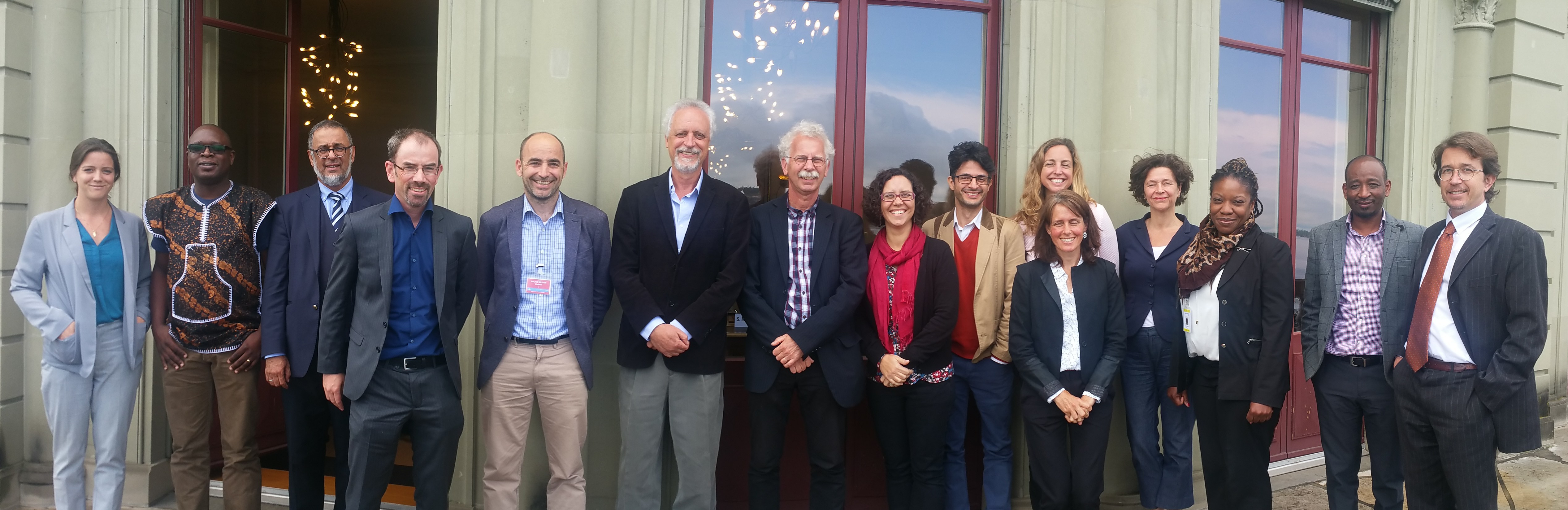
UN Special Rapporteur, Léo Heller (centre) with representatives from WASH and human rights organisations and networks (including RWSN, SIWI, Water Integrity Network, KEWASNET, End Water Poverty, Coalition Eau and WSSCC)


To find out more have a look at these RWSN resources:

E-discussion synthesis & publications:

Webinar Recordings:

Leo Heller on : Regulation of water and sanitation services

by Léo Heller, UN Special Rapporteur on the human rights to safe drinking water and sanitation

Re-posted from: https://medium.com/@SRWatSan/regulation-of-water-and-sanitation-services-bef44401caf4 

Report A/HRC/36/45, submitted by the Special Rapporteur to the Human Rights Council in September 2017, focuses on the role regulatory frameworks play in the implementation of the human rights to water and sanitation at national level.

art by aicoculturas / anderson augusto

Regulatory frameworks comprise the rules or standards defining how services should be provided to individuals in a given context, and the institutions responsible for monitoring service providers’ compliance with these norms and standards.

The number of States with a regulatory framework for water and sanitation services is increasing and so is the contingent of regulatory actors. However, there is no universal regulatory model. Regulation should be adapted to local circumstances, needs and challenges.

States have interpreted the role of regulation in various ways depending largely on the norms applicable to their particular context and corresponding needs, leading to a range of different institutional arrangements and regulatory models including self-regulation, regulation by contract and regulation by a separate regulatory body.

Being at the interface between policy-makers, service providers and users, while acting as guarantors of accountability, regulatory actors play an essential role in the realisation of the human rights to water and sanitation.

Continue reading “Leo Heller on : Regulation of water and sanitation services”

Making rights real by supporting local government heroes

re-posted from: http://www.wateraid.org/news/blogs/2016/december/making-rights-real-by-supporting-local-government-heroes

Louisa Gosling, WaterAid’s Quality Programmes Manager, introduces a guide to using the status of water and sanitation as human rights to drive progress on the ground, and explains how marketing strategies can help us reach our target audiences.

The UN officially recognised the human rights to safe drinking water and sanitation in 2010. But what does this actually mean for work on the ground?

For people living in rich countries, where heavily regulated utilities supply the population with water and collect and treat wastewater, rights to water and sanitation are mainly covered by enforceable domestic laws and regulations.

Independent inspectorates and complaints mechanisms ensure service providers can be held accountable to service users.

But for people living in countries with very poor access to water and sanitation services, it is a different picture. For the nearly 2.4 billion people without access to adequate sanitation, and 663 million without access to clean water, these systems are often not in place. The lack of access is due to lack of capacity and resources in the sector, weak demand by service users, and poor accountability of service providers to users – their rights are neither demanded nor fulfilled.

The human rights framework clearly assigns responsibilities – people have the rights to water and sanitation services, and governments are duty bound to realise them. But what does that mean in practical terms for government, especially local government officials, who are closest to the people? How can the human rights actually help local officials to reach everyone, even when they have very limited resources and capacities?

With more countries integrating human rights to water and sanitation into national systems there is an opportunity to explore the difference this can make to both providers and users of water and sanitation services.

Making rights real – a guide

The UN Special Rapporteur’s handbook on realising the human rights to water and sanitation sets out the practical implications in considerable detail, which is helpful. But it is too long and detailed for many practitioners to use. So, WaterAid, WASH United, End Water Poverty, University of Technology Sydney, UNICEF, and the Rural Water Supply Network joined forces to develop guidance specifically aimed at local government officials. We worked with a content marketing agency, C3, to help make a really user-friendly guide.

Content marketing is customer centric communication. Understand your audience and their needs, and to be serious about it. What can we sell "them" today? What are you interested in right now?

Image 1: Finding out what the user wants to know.

A marketing approach

To find out more about our target audience the ‘Making Rights Real’ project partners, funded by players of the People’s Postcode Lottery, carried out an audience analysis. First, we interviewed local government officials in low-income settings to learn what they thought about their responsibilities for reaching everyone everywhere with water and sanitation. We wanted to know what helps them, what makes their work difficult, and what can help to inspire them. We presented the resulting paper – ‘Achieving universal and equitable access to water, sanitation and hygiene (WASH) for all – practitioner perspectives and perceptions [191]’1 at the Rural Water Supply Network forum in Abidjan.

Findings slide from C3

Image 2: Some of the challenges local government officials face, according to audience analysis.

The report clearly showed the many challenges that local government officials face, and their low understanding of human rights as something relevant to their work.

So, working with C3, we used these interviews to develop user ‘personas’ to help us better target the content of human rights to our audience.

Local government official personas

Image 3: Local government user personas adapted from C3.

Would-be heroes

We decided to target our materials towards the would-be heroes. The analysis defined this audience segment as a large group of people working in local government, who feel personally committed to providing services to local people but are constrained and thwarted by lack of resources and political support.

We agreed that if this group were empowered and supported some of them could become superheroes and really help progress. Champions within institutions can have a huge impact. For example, the WaterAid-commissioned research ‘A tale of clean cities’ found that one of the main drivers for improving urban sanitation was committed champions at the municipal level.

The would-be heroes have many misconceptions about human rights. For example, they often believe that if water is a human right it should be provided to everyone free of charge, which is clearly incompatible with governments needing to raise revenue to help run sustainable services. However, the human rights standards state that it is fine to ask people to pay for services, as long as the tariffs are affordable.

We also discovered the many different groups that influence the would-be heroes’ actions and decisions (see image 4). We learned how important it is to recognise these influencers, to galvanise as much support, advocacy, and collaboration as possible from them in order to achieve adequate and sustainable services for all.

Who influences the would-be hero?

Image 4: Influencers of local government officials. Adapted from a C3 slide.

We wanted to create a guide to help support and nurture sector champions. To clarify to local government officials the usefulness of human rights thinking, we used the analysis to design a colourful three-piece guide – ‘Making Rights Real’. The idea is for sector partners (like WaterAid) to use the materials in conversations with government partners.

The guide comprises: the pocket guide, containing basic thoughts and principles; the manual, with each step explained; and the journey, which shows the process at a glance.

You can download the guide (currently in English, French, and Portuguese) and instructions, from the Rights to Water and Sanitation website, and use them in your working relationships with governments.

Rights at the RWSN Forum

We launched the materials at the Rural Water Supply Network Forum (RWSN) in Cote d’Ivoire, using presentations, discussions, and role play. The response from participants was very promising. There is a strong desire among people in the sector to know more about human rights and how they can use them to clarify responsibilities of governments, communities, service providers, and service users, and make everyone more accountable to provide adequate and sustainable services for all.

If we are to reach everyone everywhere with access to water and sanitation by 2030, as promised in the UN Sustainable Development Goals, a change in approach is needed. These essential human rights can only be delivered if those with the duty to deliver them are empowered and inspired to do so.

1Keatman T, Carrard N, Neumeyer H, Murta J, Roaf V, Gosling L (2016). Achieving universal and equitable access to water, sanitation and hygiene (WASH) for all – practitioner perspectives and perceptions [191]. Making Rights Real project team. See the presentation here.

Louisa Gosling is Quality Programmes Manager at WaterAid. She tweets as @louisagosling1 and you can read more of her blogs here.