Guiding the future of STEM: empowering African women through mentorship

This blog is written by Mercy Hinga, a Water and Sanitation Engineer.

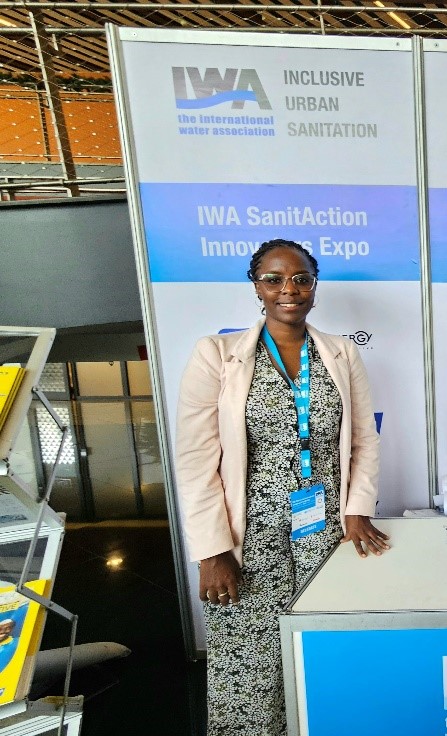
Photo: Attending the International Water Association Sanitation Conference and Expo. Photo Credit: Merch Hinga, 2023

In the dynamic realm of Science, Technology, Engineering, and Mathematics (STEM), mentorship stands as a powerful catalyst in propelling the aspirations of Kenyan women in the water sector towards attaining Sustainable Development Goal 6 (SDG6) – safe water and sanitation for all. Across the continent, where opportunities in the sector remain uneven, mentoring emerges as a beacon of hope, connecting emerging talents with seasoned professionals towards increasing skilled and diverse talent in the water sector.

A significant challenge faced by African women in STEM within the water and sanitation sector is the scarcity of role models and avenues for skill development. Imagine being a young engineer without a senior female mentor to turn to for guidance? This absence profoundly impacts motivation and career aspirations. This encounter motivated me to coordinate numerous meetings connecting a senior female engineer with my fellow graduate female colleagues, offering a platform for connection, guidance, and access to resources that would otherwise remain out of reach.

The impact of mentorship extends beyond personal growth; it shapes the future of STEM in Africa and communities at large. Drawing from personal experience in the Rural Water Supply Network (RWSN) mentorship program, my trajectory was transformed. This mentorship not only encouraged further education but also led to the prestigious Chevening Scholarship, shaping my career advancement. Furthermore, participating in the mentorship project Mentoring future women graduates in STEM in Africa implemented by the University of Plymouth and funded by the Royal Academy of Engineering (RAE) has played a crucial role in shaping my career aspirations in leadership and management. This has been achieved through engaging sessions with my mentor and fellow participants in the program.

While there has been tremendous improvement in the inclusion of women in water utilities, consulting firms, research institutions, and NGOs, it’s crucial to acknowledge that the glass ceiling has not yet been shattered. For instance, less than one in five water workers are women, according to new research by the World Bank’s Water Global Practice. Women are also underrepresented in technical and managerial positions where, in sampled utilities, on average only 23 percent of licensed engineers are women. This is contributing to an ongoing deficiency in the representation of women in both the expansion and leadership aspects of the field. More women need to secure seats at the table where decisions are made to ensure that diverse perspectives shape the future of the water and sanitation sector.

Mentorship plays a pivotal role in breaking barriers, extending its reach from low cadres to mid-level and management positions. To truly shatter the glass ceiling, mentorship programs should not only focus on professional development but also advocate for a conducive work-life balance. It is essential to empower women to enjoy what they do in the sector, fostering an environment where their contributions are not only recognized but also celebrated.

In my opinion, mentorship initiatives should extend beyond traditional hierarchies, creating networks where women can learn from each other at all levels. Establishing women’s networks within the sector provides a platform for sharing experiences, insights, and strategies to navigate challenges. These networks become invaluable sources of support, fostering a sense of community and mutual empowerment.

In conclusion, let us recognize mentorship as a powerful catalyst propelling African women’s engagement and success in the water and sanitation sector. Just as the proverb “it takes a village to raise a child” signifies collective support in nurturing future generations, supporting African women in the water and sanitation sector demands a collective effort. I believe that it is crucial for existing systems to champion and support the talents of women in STEM, fostering an environment where their contributions are not just acknowledged but celebrated, driving progress and innovation in these critical fields.

Mercy Hinga is a Water and Sanitation Engineer specializing in WASH Projects business models and financing. She is also a mentee with the Mentoring future women graduates in STEM in Africa project by the University of Plymouth and funded by Royal Engineering Academy UK.
Rural Water Point Functionality: Evidence From Nine Countries in Sub-Saharan Africa and South Asia

by Dr Anna Murray, Deputy Director of Research, The Aquaya Institute

The sustainability of drinking water supply infrastructure remains a challenge in rural areas of low-and middle-income countries. Through this research to identify factors contributing to functionality, we analyzed monitoring data from ten non-governmental organization drinking water supply programs across nine sub-Saharan African and South Asian countries. Data were from 1,805 randomly selected water points, including tap stands, spring protections, rainwater collection systems, and hand pumps.

We found an impressive 92% of sampled water points constructed within the prior year were functional, versus only 79% of those constructed earlier (average 3.5 years, range: 1–12 years old).

Tap stands from piped water systems exhibited 74% lower odds of functioning than boreholes with hand pumps within the older construction sample. This disparity underscores the necessity of considering the suitability and reliability of various water supply systems in rural contexts.

As global efforts to expand piped water services align with international development goals, our results advocate for a nuanced approach. Higher water service levels offer undeniable benefits, but the accompanying technological, institutional, and financial requirements must be carefully weighed. Particularly in rural settings, where challenges of limited resources and infrastructure maintenance persist, comprehensive strategies are essential to mitigate risks and maximize the effectiveness of water supply interventions.


Read the full Open Access paper here:

Murray, A. L., Stone, G., Yang, A. R., Lawrence, N. F., Matthews, H., & Kayser, G. L. (2024). Rural water point functionality estimates and associations: Evidence from nine countries in sub-Saharan Africa and South Asia. Water Resources Research, 60, e2023WR034679. https://doi.org/10.1029/2023WR034679

The dataset is available here.

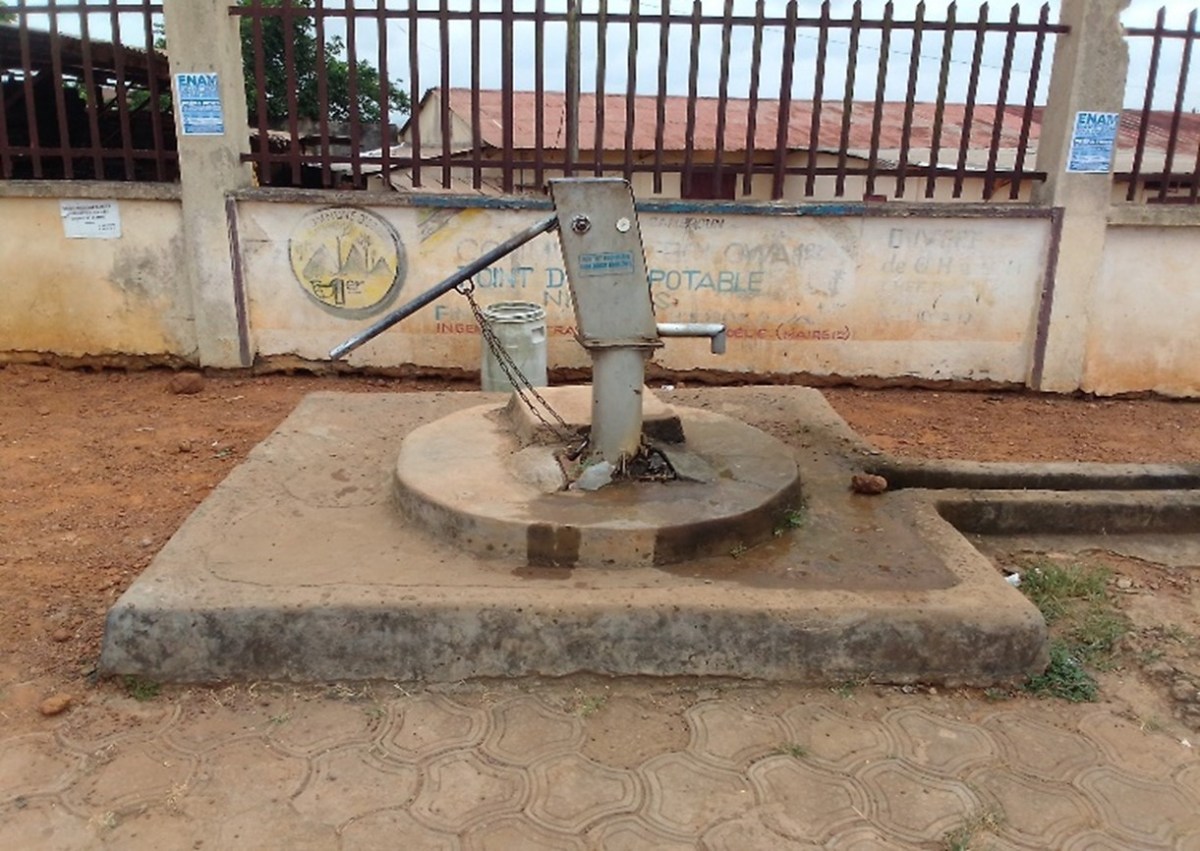
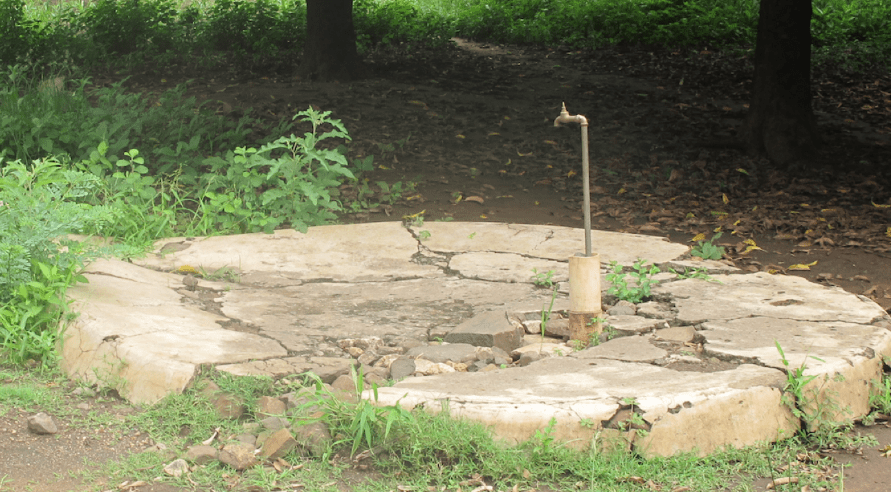
Photo: An abandoned tap stand. Credit: A. Murray

Mentoring as a pathway toward increasing African women in STEM

This blog is written by Njeri Ngugi, a female Graduate Engineer who finalising her Master’s degree in Environmental and Biosystems Engineering.

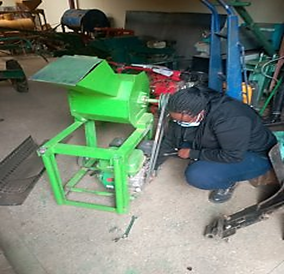
Feature image: Njeri Performing routine maintenance on feed chopper, Kenya, 2023. Credit: Njeri Ngugi

“Achieve Gender Equality and empower women and girls” is the stated goal of United Nations Sustainable Development Goal 5 (SDG 5). The UN and Constitution of Kenya, 2010 acknowledges gender equality as a fundamental right and cornerstone of a sustainable, peaceful, and prosperous global community. Gender equality pertains to equal access to health care, legislative representation, economic processes, education and decent work.

I define mentoring as when someone (a mentor), shares their knowledge, skills, and experience with another person (a mentee), to help them to progress. It is a relationship between two people with the goal of professional and personal development.

I believe we all should wear both caps. Seek guidance from those with more knowledge and/or experience whilst guiding others.

The underrepresentation of women in Science, Technology, Engineering, and Mathematics (STEM), particularly in Africa and even in my country Kenya, is a challenge that demands innovative solutions. We continue to face barriers in pursuing STEM careers, ranging from cultural stereotypes to limited access to educational resources amongst others. Mentors serve as living examples that debunk myths and demonstrate that success knows no gender.

Statistics Confirm Power of Mentorship for African Women Engineers

According to a 2021 UNESCO report on Unlocking the Potential of Girls in STEM in Kenya, women make up 35% of students in STEM in higher education worldwide.

I am a Kenyan graduate engineer under the Engineers Board of Kenya (EBK) – the Kenyan statutory body that registers and accredits engineering programs offered by universities. As of January 2024, out of the 21,769 registered graduate engineers in Kenya, only 3,010 are women, representing a paltry 13.8 percent.

“If you cannot see where you are going, ask someone who has been there before.”

J Loren Norris

Over the years, I have sought mentors at various stages of my life and career. I have not only gained knowledge and skills but also obtained invaluable tips about challenges faced and those expected in pursuing my education and career.

There are initiatives across Africa actively mentoring women in STEM. These initiatives are actively working towards bridging the gender gap in STEM fields by providing mentorship, training, networking, and support systems that empower African women to excel and thrive in STEM. They include African Women in Science and Engineering (AWSE), Society of Women Engineers (SWE) Africa, TechWomen Africa, African Women in Agricultural Research and Development (AWARD) and Next Einstein Forum (NEF) Fellows Program. I would like to highlight two more that have transformed my career.

The Institution of Engineers of Kenya (IEK) has a mentorship platform under the Women Engineers Chapter. By linking mentees with established professionals, the mentorship program provides access to a broader range of opportunities, including internships and collaborative projects. Additionally, mentoring enhances personal and professional networks, making job hunting easier when the time comes. Engaging with women engineers has played a pivotal role in boosting my confidence and challenging stereotypes that discourage women from entering and building engineering careers.

I am currently a mentee under Mentoring future women graduates in STEM in Africa implemented by the University of Plymouth and funded by the Royal Academy of Engineering (RAE). My mentor Euphresia Luseka has guided me in career mapping and held me accountable to achieving my goals. She encouraged me to envision myself in leadership roles within STEM. As mentees progress in their careers, they often become mentors themselves, creating a ripple effect that contributes to a sustainable increase in the number of women pursuing and excelling in STEM fields.

African women in STEM should proactively utilize such programs that aim to connect them with experienced mentors, offering support, guidance, and networking opportunities to advance their careers in STEM.

Finding Your Mentor and Grow Towards Your Goals

A mentee must identify what you hope to achieve through mentorship. Clarify your career aspirations, areas for improvement, or specific skills you want to develop. Leverage professional networks, both online and offline, to connect with individuals who align with your goals. LinkedIn and industry associations have been particularly helpful to me. Subsequently, identify potential mentors, initiate contact through a polite and concise message. Express your admiration for their work and articulate why you seek their mentorship.

The mentorship relationship needs to be built and nurtured. Where possible, invest time in building a relationship before formally asking for mentorship. Attend their activities, engage in discussions, or seek advice on specific topics to establish rapport. Define the structure, frequency of meetings, and specific areas you hope to focus on during the mentorship. Open communication is key to a successful mentorship.

Mindfulness in any relationship enhances gratitude and satisfaction, and mentorship is no exception. Explicitly recognizing the four pillars of mentorship (trust, respect, expectation, communication) strengthens the relationship and makes it more effective.

Paying it Forward keeps the Future of Mentorship Bright

In learning you will teach, and in teaching you will learn.

Phil Collins

For women in STEM fields, loneliness can be a major disincentive. Through the connection of women with similar experiences, mentoring fosters a sense of community. This network of support not only advances their career path but also makes the STEM field more diverse and inclusive.

In the quest to increase the number of African women in STEM fields, mentoring serves as a ray of hope. Mentorship programs have the capacity to unleash the full range of creativity and talent present on the continent by establishing a culture of support, encouragement, and direction.

As Our World in Data reveals, it is worth noting that while economic gender disparities are still prevalent and significant, they are now less than they were a few decades ago. As we celebrate the successes of women who have broken barriers in STEM, let us also commit to paying it forward, creating a future where the brilliance of African women in STEM shines as a beacon of progress and inspiration.

About the author:

Njeri Ngugi is a female Graduate Engineer finalising a Master’s degree in Environmental and Biosystems Engineering (Irrigation and Water Resources Engineering) and holds a Bachelor’s degree in Agricultural and Biosystems Engineering. She is registered with the Engineers Board of Kenya (EBK) as an EIA/EA Associate Expert with a passion for Integrated Water Resources Management, Multiple uses of water and the water-food-energy nexus. She is also a mentee with the Engineers Board of Kenya and Mentoring future women graduates in STEM in Africa project by the University of Plymouth and funded by Royal Engineering Academy UK.

USAID REAL-Water Explores the Impact of the Water Quality Assurance Fund on Ghana’s Water Sector Formalization

Read the full article here

Bono and Ahafo Region, Ghana — Ensuring the safety and quality of drinking water supplies is a pressing concern for public health. While urban areas often benefit from established procedures for water quality monitoring, rural regions frequently lack resources and expertise. This article, produced by USAID’s REAL-Water Activity, explores how a rural water innovation is shifting the communal mindset from “water is life” to “safe water is life,” emphasizing the importance of water quality and the heightened expectations for water operators. It also highlights the unique challenge that researchers face in meeting the growing demand for solutions, which often outpaces the rate at which they are able to complete their evaluations. The article elaborates on this “researcher’s dilemma” and its implications.

Related Resources

African children submit demands to governments to be first and fast to firm up climate change action in the water sector

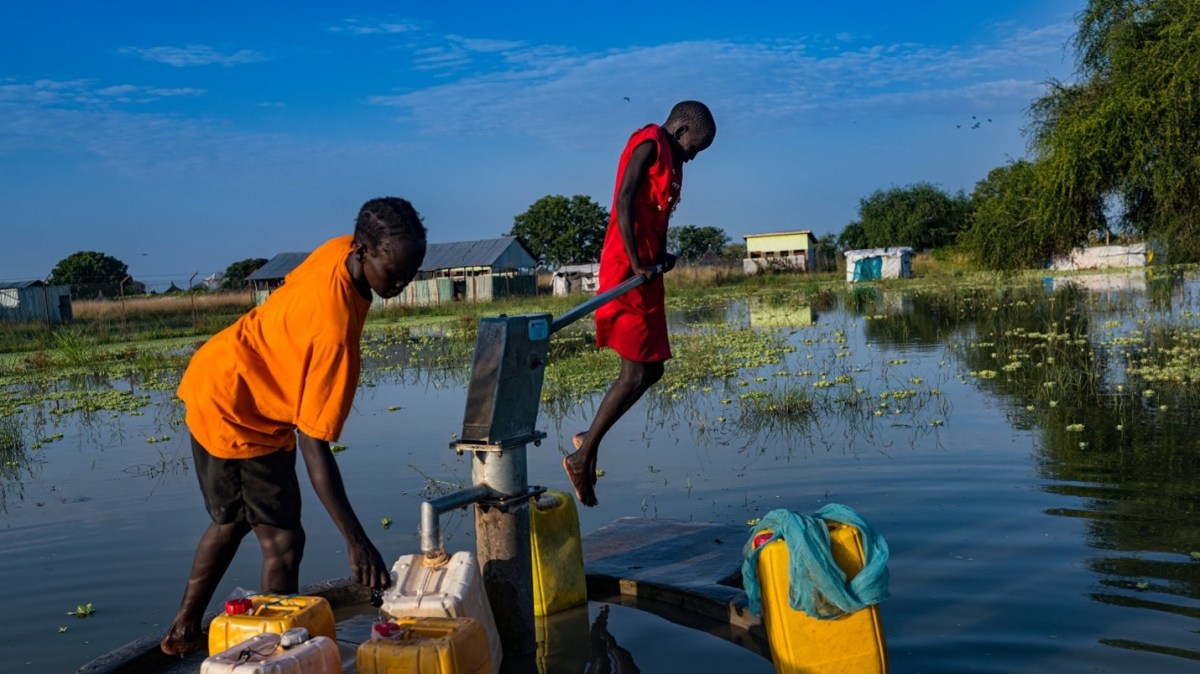
Feature image: Ajoh Majur, 12, uses her body weight to activate a handpump. South Sudan, Photo Credit: Lynsey Addario

Blog by Euphresia Luseka, RWSN Leave No-one Behind Theame Leader

The SDG’s commitment to ‘Leave No One Behind’ means acceleration efforts must focus on reaching the most vulnerable groups; this includes children.

 African children are born and grow in the climate crisis. 

“Present and future generations of children will bear the brunt of the intensifying effects of the climate crisis throughout their lifetime, these impacts are already occurring,” said UNICEF.

UNICEF estimates that one billion children globally are at “extremely high” risk of suffering from impacts of the climate crisis. The need for action has never been more urgent. The climate crisis is a children’s rights crisis.

Since the adoption of the United Nations Convention on Rights of the Child (UNCRC) in 1989, unprecedented gains have been made for children. However, the UN Intergovernmental Panel on Climate Change (2018), Special Report on Global Warming warns the progress risks undermining the escalating climate crisis, which poses an acute threat to children’s survival, development and well-being. 

Short-term Thinking as a Triple Threat of Water-Related Crisis is Endangering the Lives of Africa’s Children

On August 2023, the United Nations Committee on the Rights of the Child affirmed children’s right to a clean, healthy and sustainable environment under General Comment No. 26. During the 2023 Human Rights Council the United Nations High Commissioner for Human Rights Mr.Volker Türk, deplored that despite all the alarm bells going off, leaders were still not acting with the determination required and getting “stuck in the short term”. 

“If this is not a human rights issue, what is?”, he asked.

Africa is facing a water catastrophe. While the climate and water-related shocks are escalating globally, the risks compound most for children in Africa; 40% of Africa’s population was under 15 years old in 2022Children in 98 percent of African countries are at the highest risk from a convergence of three water-related threats: Inadequate water, sanitation, and hygiene; Its related diseases; and Climate hazards. This is most acute in the Central African Republic, Chad, Nigeria, Guinea, Somalia, and Guinea-Bissau making West and Central Africa one of the world’s most water-insecure and climate-impacted regions. 

Continue reading “African children submit demands to governments to be first and fast to firm up climate change action in the water sector”

The presence of a handpump does not mean that people have access to reliable and sustainable water services. Here’s how we tried to show it in eight councils in the Mvila Division, South Region of Cameroon.

By Victor Dang Mvongo, MSc, a PhD student at the University of Dschang (Cameroon) and an independent consultant in WASH. He conducted the work featured in this blog at the Faculty of Agronomy and Agricultural Sciences.

Handpumps, the most common rural water supply equipment in sub-Saharan Africa, are a symbol of the sustainability issue facing rural water services. According to Macarthur (2015), handpumps are a lifesaver for 184 million people living in rural sub-Saharan Africa. Sub-Saharan African statistics on handpumps’ functionality indicate that 36% of them are broken, with country-level rates varying from 10% to 65% (RWSN 2009).

In Cameroon, little data are available on the functionality of the handpump. However, Deal and Furey (2019) estimate that 32% of handpumps are non-functional. Thus, for the impacted rural areas, this means that the anticipated returns on investment—better health, nutrition, and education—are jeopardized. In order to mobilize the necessary national and international efforts in the region, this study intends to give local information on the functionality of handpumps in the Mvila Division (Southern Region of Cameroon).

Continue reading “The presence of a handpump does not mean that people have access to reliable and sustainable water services. Here’s how we tried to show it in eight councils in the Mvila Division, South Region of Cameroon.”

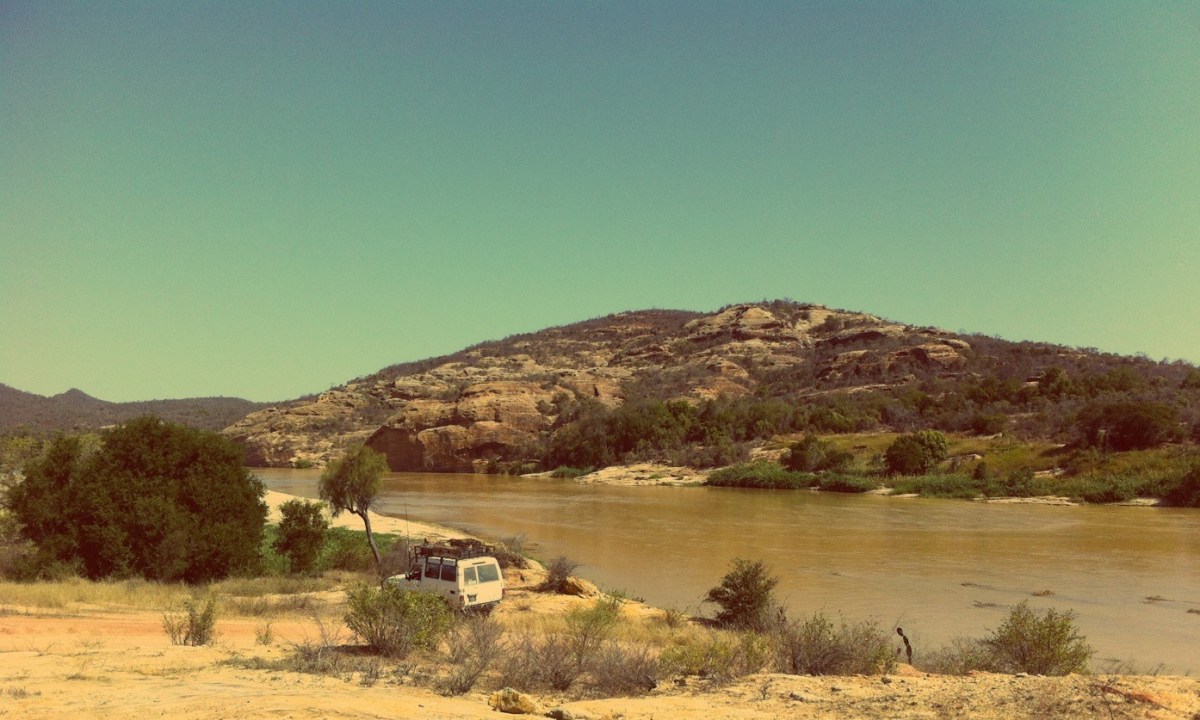
Hydrogéologie du Sud de Madagascar: nouvel outil cartographique

BushProof Sàrl, mettant à profit une expérience de travail de plus de 15 ans dans le Sud de Madagascar, appuyé par deux hydrogéologues de la Direction du Développement et de la Coopération (DDC), s’est proposé de travailler de manière appropriée sur la connaissance des aquifères des régions du Sud de Madagascar. Ensembles, ils ont financé et créer un outil cartographique afin d’améliorer la connaissance du fonctionnement des eaux souterraines dans le Sud de Madagascar. Cet outil a été réalisé en 2023.

Le Sud de l’île de Madagascar connait, depuis plusieurs années, des périodes prolongées de sécheresse. Les populations locales grandissantes y ont aujourd’hui un accès très restreint à l’eau, ce qui engendre des conditions de vie dégradées. Pourtant, d’importantes d’eau transitent dans cette zone via des aquifères dont le fonctionnement reste mal connu.

Continue reading “Hydrogéologie du Sud de Madagascar: nouvel outil cartographique”

Service Delivery Management Models, Good Political and Water Governance for Strong Rural Water Systems (2/3)

To unlock the economic potential and alleviate poverty in rural areas, access to improved water access crucial. Building upon the insights of the previous blog under the same title “Politics, Water Governance and Service Delivery Management Models for A Resilient Rural Water Sector”, this blog delves into the transformative power of adaptation and partnerships in addressing the challenges of the rural water sector. Discover how Kakamega County Government adopted Pilot Markets Based Water Service Delivery Management Models, its benefits and lessons.

Transforming Rural Water Management through Partnerships.

Between 2012-2015, SNV Kenya in partnership with Kenya Markets Trust and Adams Smith International designed a participatory action research based innovative programme; the Market Assistance Programme (MAP) that aimed at improving sustainability of rural and small towns’ water supply by engaging private firms. This project used the Making Markets Work for the Poor (M4P) concept in analysing and designing models for post-construction management of water systems.

By addressing capacity of both public and private actors (formal and informal), SNV concluded space for interventions taking a market systems approach could be successful. The approach in Kakamega County included: (1) Market Research on willingness and ability to pay by consumers (2) Commercial Viability Assessments for rural water supplies (3) Modelling Private Public Community Partnerships (PPCPs) and business planning for private firms (4) Procurement, negotiation and contracting of private firms (5) Orientation and capacity building for the lease operator and nurturing relationships (6) Consumer Awareness, (7) Strengthening National and County level evidence-based policy lobbying and advocacy.

Kakamega County selected the Lease Operator Model (Refer to Figure 1 below) where a Water Service Board (Lake Victoria North Water Service Board) engaged a Lease Contract with the main Water Service Provider (WSP) in Kakamega; Kakamega County Water and Sanitation Co. (KACWASCO). The national water regulator (WASREB) approved the framework for water tariff setting and enforcement, while taking into consideration affordability and cost recovery principles. The project created awareness on the pros and cons of adopting Public Private Community Partnership Management Model, oriented KACWASCO on possible business opportunities and models; and supported public authorities (WSB and Kakamega County Government) on participatory and transparent procurement process. KACWASCO provided water services under a licensing regime/revenue payment model in Navakholo Sub- County. KACWASCO was attracted by the potential of increasing their bottom line and public sector investments in infrastructure to strengthen overall profitability.

Figure 1 Illustrating the Lease Operator Model

Results

The facilitated interventions improved sustainability of water services in Navakholo. KACWASCO was able to increase access to water for 8,330 people in underserved and unserved areas of Navakholo by 2015, whilst greater oversight opened the possibility for the county government support to improve services, collect data on performance, and demand accountability from them. Other results included:

  • Improved Management of Navakholo Rural Water Supplies:

In rural areas, improving management practice of Water Management Committees is key to improving sustainability.

SNV facilitated: (1) legal transformation of the Water Management Committees to Water Users Association (WUAs) to separate governance and management roles, and (2) engagement of KACWASCO Lease Contract that enabled professionalized management towards demand responsive service provision.

  • Access to Finance for the Lease Operator: During the initial stages of implementing the Lease Contract, financing rehabilitation works to operationalise unfunctional systems was a key issue. If KACWASCO were to borrow from a commercial market (at a high interest rate of 18-21%) notwithstanding the risks, the water tariff had to be increased to ensure the water supplies are commercially viable which would be unaffordable for the poor. MAP designed a water-financing product, using blended subsidy concept, to enable WSPs access market finance.  

 It is worth noting that taking a market systems approach in the water sector is complicated given the public nature of water. A purely free-market approach was fraught with risks and could lead to inequitable access, meaning careful consideration had to be given to the role of the public sector. SNV first evaluated the rural water sector, highlighting potential for growth in services delivery. Whilst assets were publicly owned and activities regulated by WASREB, there was room for commercial incentives. Profits were generated through tariffs and connection/reconnection fees, creating potential for private sector investment that encouraged the uptake of the water financing product.

  •  Public Sector Capacity Strengthening: The PPP procurement is different from the traditional procurement of good and services, as the payment for the PPP’s is mainly made from the projected revenues of the water systems. A high level of trust, mutual commitment to set objectives and clearly defined incentives for KACWASCO was created.
  • Policy Advocacy and Support: The entire concept of PPCP and private sector participation was a relatively new concept in the rural water sector. Therefore, the project supported evidence-based policy advocacy and improvements at national and county levels; MAP supported the State Department for Water in developing PPP tools and guidelines and in improving coordination and communication through National PPP Node.

Lessons

The success of any SDM pilot depends a lot on learning and adaptation to provide an effective evidence base for policy and regulatory adjustments. Overall, there was a huge potential for PPPs to improve sustainability, service levels and revenues through operational and managerial efficiencies. Change of mind sets takes time MAP was time bound; the success of the model required strategic continuous engagement of all three groups of stakeholders: the water buyers (users), the water sellers (Lease operator) and the Sector policy and regulations makers (public authorities) to achieve sustainable outcomes. Particularly there was need to support Kakamega County in developing and implementing appropriate legislations, policies, guidelines so that PPPs are fully recognised and adopted to enhance scaling of the model through transparent procurement process and tools, financing, performance monitoring, learning and replication of emerging success of PPCPs, yet such documents take a lot of time and resources to be accented and adopted.

Through these partnerships and improved legislations and policies, the path is paved for understanding the institutional reforms and scaling solutions needed to achieve a sustainable rural water sector, fostering economic growth and improving livelihoods. More on “Scaling Sustainable Models can be found in the Blog 3 of “Politics, Water Governance and Service Delivery Management Models for A Resilient Rural Water Sector”

About the author:

Euphresia Luseka is a Water Governance Specialist and Co-Lead of RWSN Leave No-One Behind Theme. She is a seasoned Expert with experience in leadership, strategy development, partnerships and management in WASH sector nationally, regionally and internationally. She has specialised in WASH Public Policy, Business Development Support Strategies and Institutional Strengthening of urban and rural WASH Institutions. Euphresia has several publications and research work in her field.

Service Delivery Management Models, Good Political and Water Governance for Strong Rural Water Systems (1/3)

Photo: Lumino Containarised Water Project in Kakamega County, Kenya financed on PPP at US$765,000 serving 8,000 Households

Water has a profound bearing on health, human dignity. Inequalities in access to safe rural drinking as an input for economic growth towards alleviating poverty reinforce wider inequalities in opportunities. This blog explores the economic significance of improved water access, its role as a fundamental input for economic growth, and the challenges faced by Kakamega County’s rural water sector.

A Well Governed and Effective Rural Water Sector has Potential to Spur its Economic Growth and Alleviate Poverty Levels

The case for strengthening the Rural Water Sector in Kakamega County, Kenya continues to be solid; across Sub-Saharan Africa, universal access to improved water and basic sanitation could lead to economic gains of 34.7 billion USD per year. The UN calculates a global cost-benefit ratio of 2.0 times more for improved drinking water. Kenya’s development blueprint, Vision 2030, targets a 10% Gross Domestic Product (GDP) growth rate per year from 2012 to 2030. Water plays a fundamental role in enabling this growth as a necessary input for agriculture, manufacturing, blue economy and so on, in fact 78% of jobs globally are dependent on water. Similarly in Kakamega County, Water is an essential resource for economic growth, health and quality of life. Recognizing this, the County Government of Kakamega aims to ensure access to improved water for all by 2030, in line with Sustainable Development Goal six and its current Governor’s Political Manifesto for the year 2022-2027 affirmed and budgeted for in their County Integrated Development Plan 2022-2027; the main planning document guiding Counties development.

Systemic Challenges in Kakamega’s Rural Water Functionality in the year 2012

Overall and nationally, the strategy for Socially Responsible Commercialisation (SRC) as pioneered by the Water Act of 2002 was successful in urban and peri-urban areas in Kenya but the concept dismally realised its potential in the rural areas where service provision areas are small, water coverage, usage and willingness to pay is low. Towards addressing the challenge, the Community Based Management Model was rolled out with an objective of empowering communities towards enhancing sustainability. There are few cases of the success of the model, Kakamega County faced the following challenges:

  • Rural Water Knowledge Gap: Kenya’s National Water Services Regulatory Board (WASREB) Impact Report 10  indicated that it is ‘not in a position to provide detailed information on rural areas with regards to rural water supply and sanitation coverage’. This information gap made it impossible to respond to key rural water indicators in Kakamega County and undermined assessing whether investments were translated to impact reflected in increased water coverage. This also explained why despite Kakamega County being predominantly rural, water sector investments were skewed towards the urban water sub-sector that had validated data.
  • Non-Functionality and Weak Management of Rural Water Supplies: A Water Point Mapping (WPM) Report by SNV Kenya in 2012 revealed that 59% of Kakamega water points had no professional manager. Those managed by voluntary Water Management Committees (WMCs) reported non-compliance, unaccountability and lack of skills in managing and operating the water supplies. This was worrying because in case of a breakdown, the water supplies stood a high risk of complete abandonment. Further 60% of residents in rural areas did not pay for water. The lack of consumer focus and incentives for private sector contributed to the inability to attract alternative financing support. The limited funds, when available from NGOs and public authorities, were depleted in maintenance with no or minimal resources available to expand services to un-served areas.
  •  Equity and Inclusion: The WPM exposed a concern about fair budget allocation and distribution of infrastructure in rural areas. The poor purchased unreliable poor-quality water from vendors at higher rates compared to those with household connections. The glaring evidence that some areas had fewer safe water infrastructure was attributed to politics; areas that voted the government of the day had better allocations.

Understanding the importance of a resilient rural water sector in alleviating poverty sets the foundation for exploring innovative approaches and partnerships in the next blog of Service Delivery Management Models, Good Political and Water Governance for Strong Rural Water Systems.”

About the author:

Euphresia Luseka is a Water Governance Specialist and Co-Lead of RWSN Leave No-One Behind Theme. She is a seasoned Expert with experience in leadership, strategy development, partnerships and management in WASH sector nationally, regionally and internationally. She has specialised in WASH Public Policy, Business Development Support Strategies and Institutional Strengthening of urban and rural WASH Institutions. Euphresia has several publications and research work in her field.

Credits for the Photos: Euphresia Luseka

Measuring water point functionality is trickier than you’d think. Here’s how we tried to make it more reliable in Uganda.

If you measure something, how do you know that someone else would get the same result? This is a fundamental question in many fields including medicine and psychology, but it is rarely considered in rural water supply.

This is a guest blog by Daniel W. Smith, a Water & Sanitation Advisor at the Center for Water Security, Sanitation, and Hygiene at USAID in Washington, DC.

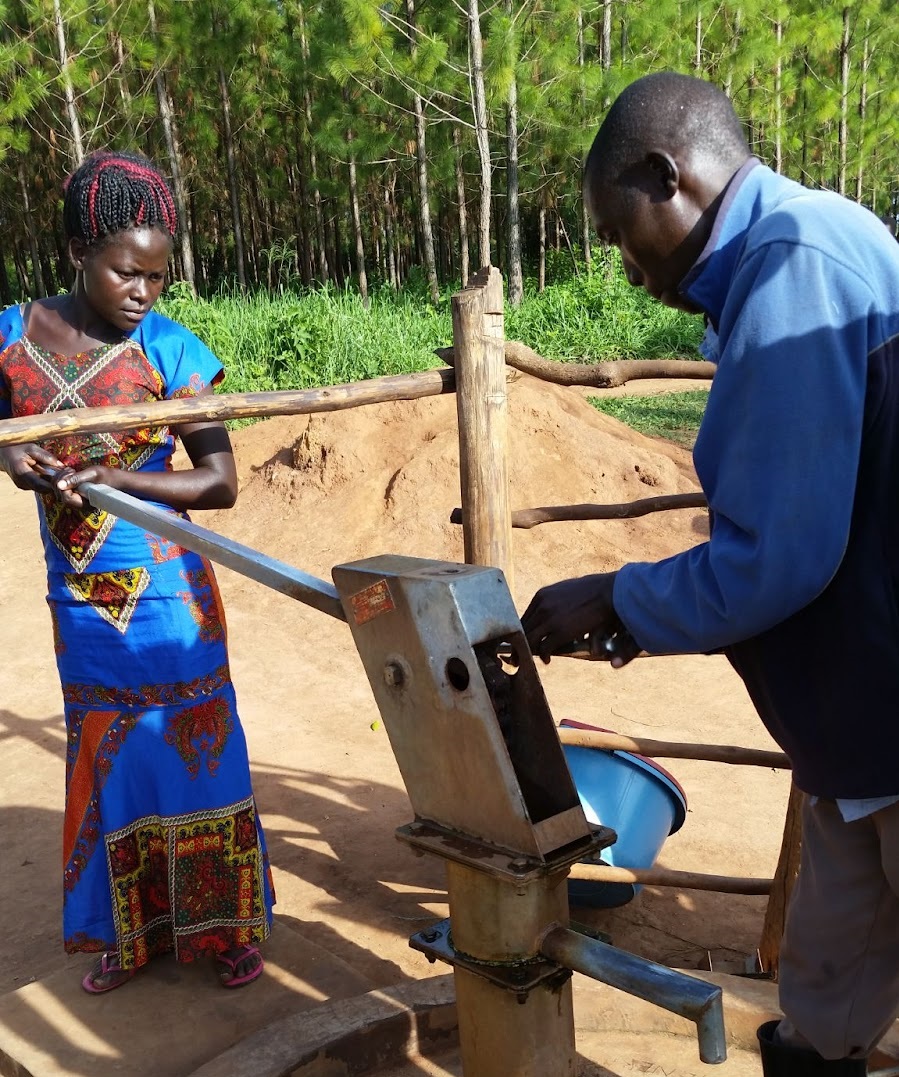
Photo: A handpump mechanic performs preventive maintenance in Uganda
(Photo: Daniel W. Smith)

If you measure something, how do you know that someone else would get the same result? This is a fundamental question in many fields including medicine and psychology, but it is rarely considered in rural water supply.

This problem became painfully apparent during a recent study of professionalizing handpump maintenance in Uganda conducted by the Program for Water, Health, and Development at the Stanford Woods Institute for the Environment and International Lifeline Fund. Our data collection team had a seemingly straightforward instruction: Count a handpump as functional if it provides water. But different data collectors interpreted the instruction differently. Some would count a handpump as functional even if it took a long time to get a little water. Others counted handpumps in a similar condition as nonfunctional. We needed a clearer, more reliable procedure to ensure that handpump functionality measured by different people would be comparable.

Continue reading “Measuring water point functionality is trickier than you’d think. Here’s how we tried to make it more reliable in Uganda.”