by Tapio S. Katko, Jarmo J. Hukka, Petri S. Juuti, Riikka P. Juuti and Eric J. Nealer.
Illustrations: Pertti O. Väyrynen. Publisher: IWA Publishing, London.
Is bottled water better for you than tap water? Is the pollution created by wastewater treatment plants a major issue? Is privatisation the best solution for more efficient water use? These are just a few of the myths busted in Dispelling Myths About Water Services.
In any society, water and wastewater systems are of fundamental importance to the development of communities and the well-being of both people and the ecosystem. Unfortunately, this fact has been reinforced by the COVID-19 pandemic, by all manner of natural disasters, and by recent armed conflicts around the world. In such situations, clean water and sanitation are among the first things that need to be organised.
In this book, internationally renowned experts examine 21 common misconceptions regarding water supply and wastewater services, dispelling the myths by drawing on their global insights and avoiding technical jargon, while simultaneously raising questions of concern relating to water services.
Access to clean water and safe sanitation is essential for life. Without it, our time on this planet becomes dangerously short. People do not necessarily think about the challenges relating to water services, but the message is clear: to build sustainable water services, proper rules, accountable and responsive leadership, and well-informed stakeholders are vital, alongside resilient organisations and robust physical systems.
Originally published in Finnish, this English edition has been completely rewritten and includes examples and references from countries across the world. Original illustrations bring the content to life.
Whether you’re a water professional, policy maker, or environmental enthusiast, Dispelling Myths About Water Services helps sort the fact from the fiction regarding our most vital resource: water.
The book is freely available as an e-version: DOI: https://doi.org/10.2166/9781789064162 and a printed copy can be bought as well from the website for 20% off seasonal offer for the printed version by the code “DMAWS25”, Valid until 21st Dec 2025.
Erich Bauman, the founder of RWSN, passed away in Ireland at the age of 81 after a brief illness. He was an imaginative and gifted water engineer and development practitioner with many years of hands-on field experience, mainly in Asia and Africa.
A pragmatic, out-of-the-box thinker and leading authority on the design, manufacture, and maintenance of handpumps in low-income countries, Erich was a forceful advocate for the community ownership and management of small-scale water schemes and an indefatigable trainer of government engineers and village-level operatives.
Erich was born and grew up in Switzerland. After graduating as a mechanical engineer, he began his career designing tractors, but the 1970s were a bad time for the industry and many factories, including his, closed. So, in 1979, he moved to Bangladesh where he began work at the Mirpur Agricultural Workshop and Training School (MAWTS) where his focus moved from tractors to expanding the manufacturing capacity of factories to produce and sell the simple rower-pump, which was ideal for low-cost irrigation. It was through this that he met Ken Gibbs (UNICEF) and Tim Journey (World Bank) who were working on improvements to direct-action handpumps for domestic water supply.
In 1984, Erich turned down a job at the World Bank to return to Switzerland and join SKAT, which was then an association affiliated with the University of St. Gallen. He rose to become Managing Director and navigated the organisation through the tricky transition of becoming an independent consulting company, SKAT Consulting Ltd, in 1997 and establishing Skat Foundation in 2002, before handing over the reins to Jürg Christen. His attention to detail and quality was applied to getting ISO 9000 accreditation in quality management within the organisation.
But perhaps Erich will be best remembered for his progressive management of two influential, global development networks: The Handpump Technology Network (HTN); and The Rural Water Supply Network (RWSN).
In 1992, in the wake of the 1981-1990 International Drinking Water Supply and Sanitation Decade (IDWSD) during which hand pumps had become the mainstay of rural water supply programmes, a meeting was organised by the donor community at Kakamega, Kenya. A global forum for the better coordination of hand pump development, manufacture, operation and maintenance was mooted and Erich was tasked with setting up a Secretariat for what was to become the Handpump Technology Network (HTN). It was to be funded by The Swiss agency for Development Cooperation (SDC) and based at Skat in St. Gallen, Switzerland.
After twelve years under Erich’s leadership and with the proven benefits of this coordinating technical network for everything related to hand pumps, the HTN mandate was broadened in 2004 to become the Rural Water Supply Network (RWSN) to more comprehensively support rural water supply initiatives from drilling and hand pumps to water quality testing and everything in between.
During his tenure, his achievements, which it is no exagerration to say have touched the lives of tens of millions of people and their everyday water access, included:
Supporting governments in multiple countries, including Ghana and Uganda to develop standardisation policies so that chaos of 10, 20, 30 different handpumps was rationalised to 2-3 so that supply chains and operation and maintance support become more sustainable.
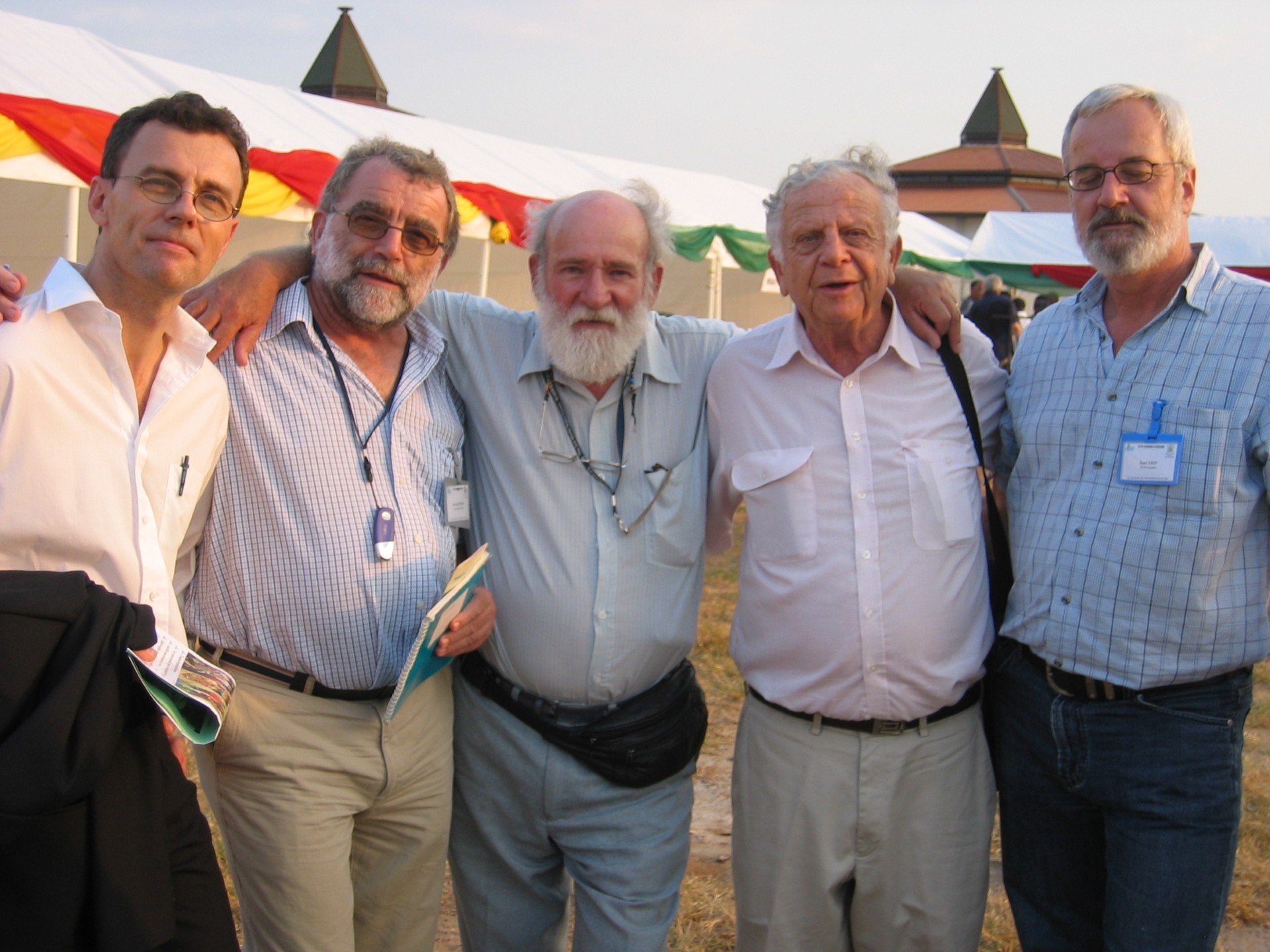
At the RWSN Forum Ghana (2005), from the left: Julian Jones, Erich Baumann, Peter Morgan, Peter Wurzel, Karl Erpf (photo from Peter Morgan)
Those of us who worked with Erich in the early years know that the HTN and its successor, the RWSN, would never have come into being, let alone thrived, without his passion, drive and commitment. His engagement with Network members, travels to participating programmes in far flung places, the training courses he ran and his precise documentation of the successes and failures of water projects around the world, reinforced belief in the worth of the RWSN, while his promotion of multi-year work plans secured longer term funding and continuity in the running of the Network.
In 2009, after seventeen years, Erich handed over the reins of the Secretariat to Dr Kerstin Danert and retired to Ireland from where he maintained a watching brief over his RWSN brainchild, mentoring and encouraging his successor to grow the Network. Which she did, embracing drilling practice and bringing it mainstream.
Erich leading a handpump training course hosted by the Austrian Red Cross, Vienna, 2012 (Photo: S Furey)
Kerstin was succeeded in 2017 by the Network’s third and current Director, Sean Furey who has continued to build on Erich’s pioneering initiatives and Kerstin’s work while expanding the RWSN remit and enhancing its profile such that it is now recognised by donors, governments and sector professionals as the leading rural water supply forum globally – a vibrant network of some 17,000 members in 174 countries and bringing rural water supply know-how and technical solutions to quite literally, millions of poor communities. This then, is Erich’s legacy, and likely a long lasting one.
Erich was a humanist at heart; generous and self-effacing but dogged in the pursuit of a goal. Balancing the serious business of rural development with his own wry brand of humour was a welcome asset when accompanying him on contentious field missions or when engaged in difficult negotiations with partners.
Erich was a much-valued mentor to many water wallahs around the world and a great friend to those who were lucky enough to know him. He was a one off. Irreplaceable.
RIP Erich and thank you for what you did in the time that you had, mostly for others.
By Rupert Talbot (UNICEF WES; India, Sri Lanka, Ethiopia (1970 -2003), HTN Chair, 1996-2003) with contributions from Dr Peter Wurzel (UNICEF, HTN Chair, 1992-1996); Jürg Christen (former Managing Director, Skat Consulting Ltd.); Dr Peter Morgan; Dr Kerstin Danert (Ask for Water Ltd. RWSN Director, 2009-2017); Sean Furey (Skat Foundation, RWSN Director, 2017-present).
The Rural Water Supply Network (RWSN) is a network of individuals and organisations that are committed to improving water services for the rural poor everywhere in the world. Being a Theme Leader of RWSN is a commitment to sharing knowledge and good practices, and to share the RWSN vision of “a world in which all rural people have access to sustainable and reliable water supplies which can be effectively managed to provide sufficient, affordable and safe water within a reasonable distance of the home.”
The Sustainable Services Theme is one of 6 Themes in the Rural Water Supply Network. Sustainable Services means that water users have reliable and affordable access to enough water of sufficiently high quality to meet their daily needs. There are many ways that such access can be achieved, from household self-supply to large-scale water utilities.
The sustainability of rural water services is a constant and critical challenge, requiring skilled individuals with adequate resources and support to ensure the consistent availability of safe water in households. Although community management is prevalent, it has limitations, prompting the development of new management models that prioritise professionalisation. This shift is occurring amidst escalating challenges such as climate change, pollution, shrinking aid budgets, corruption, rising income inequality, violence, and political instability.
Thematic Priorities
Systematic institutional strengthening: sharing lessons learned on strengthening local and national systems, and practical approaches and overcoming tensions between working with the grain of existing social and institutional structures that are likely to be more sustainable, but less inclusive to some marginalised groups.
Professionalisation: Documenting and sharing management models, professional development and management practices, and their enabling systems at local and national levels.
Regulation: engaging with regulators and sharing experiences and identifying good practices in rural and small town regulation on how to balance tensions and trade-offs between competing economic, social, political and environmental priorities.
Financing of life-cycle costs and exploring ways to increasing financial sources and financial viability of rural water services across different contexts.
Resilient services: sharing emerging practices and solutions for increasing the resilience of rural water service providers – with a specific focus on climate resilience, which has be identified by RWSN members as one of their main challenges.
Interested?
We are particularly interested in applicants with operational experience of rural water services.
Download the full description and apply by 23 February:
Send your CV along with a 1-page cover letter to the RWSN Executive Steering Committee to introduce yourself and your organisation, and state why you’re interested in the Theme Leader position by 23 February 2024. Applications and enquiries should be sent to the RWSN Secretariat (info@rural-water-supply.net).
2023 is racing by all too quickly! But as we enter the second half of the year, let’s look at how rural water professionals are using our the network:
membership of our RWSN LinkedIn group is going wild: 16,795 people! This is up from 12,748 in January (by comparison it took the group 8 years, from 2012 to 2020, to get to over 5,000 members)
Although our Twitter following grew from 4,174 to 4,455 so far this year, engagement is down. Is Twitter dead? For serious exchange, perhaps yes.
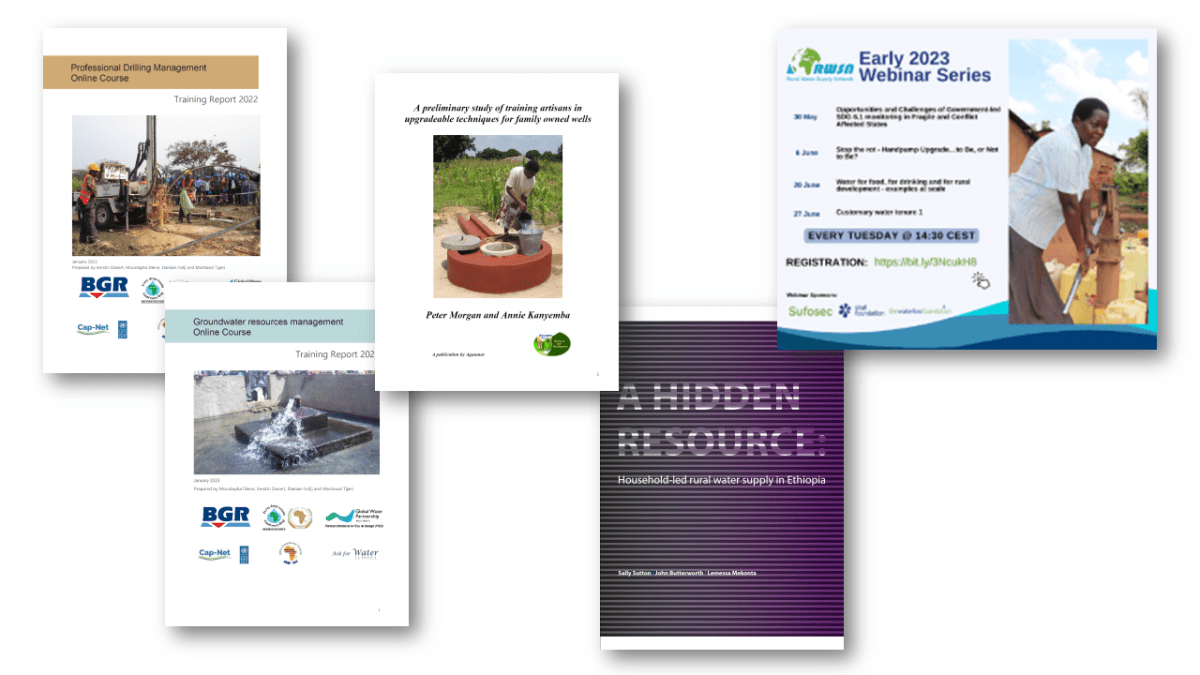
Nearly 10,000 documents were downloaded from the RWSN online library so far this year, and here is the current top ten:
Well, we try and curate a variety of resources that we think are likely to the most useful for rural water operators, regulators, researchers and policy-makers, but it is clear that from our online library of more than a 1,000 reports, books and presentations, what you want from us is practical guidance.
It’s interesting that some the resources above are more than a decade old, but that shows that good advice is timeless. We don’t just hold work from RWSN, but from wherever we can find it, but it is notable that the work of RWSN legends Peter Morgan, Kerstin Danert, Dotun Adekile, Richard Carter, Sally Sutton, John Butterworth, Moustaphe Diene, and Jon Naugle are so prominent in what users download. And thank you to all our authors, reviewers, presenters and members who generate and share such valuable content.
This year we are preparing our RWSN strategy to 2030, the end of the SDGs. So, what practical guidelines or standards are missing from your work that we could work with partners to create?
THE HAGUE, THE NETHERLANDS – 1 MAY 2023 – Between 2-4 May 2023, more than 700 changemakers and systems leaders from water, sanitation and hygiene, health, climate, economic development, and social justice – will gather at the World Forum, The Hague, for the All Systems Connect International Symposium 2023. Those attending include 10 ministerial level delegations from Ethiopia, Guatemala, Ghana, Honduras, Indonesia, Liberia, Malawi, Nepal, Rwanda and Uganda. The Symposium will prompt systemic thinking, leadership, and action across sectors and silos to achieve the Sustainable Development Goals by 2030.
The event follows hot on the heels of the UN Water conference in March 2023, providing the ‘how’ to the UN Conference’s ‘why’. The three core themes are systems leadership – leading across boundaries and driving collective action in complex circumstances; connecting across silos and sectors – finding better ways to address shared system challenges, together; and importantly on day three, taking action – making commitments that will accelerate progress and deepen impact to achieve the Sustainable Development Goals (SDGs). Throughout, it will highlight the central role of water and sanitation in achieving the SDGs, and the injustice that one in three of the world’s population still lacks access to safe water and sanitation. Delegates will experience 250+ presenters recognised for their global expertise and influence; 60+ cross-cutting sessions on water, sanitation and hygiene, climate, finance, health and beyond; ten themes crafted to build connection, break silos and generate action; three Make Change design sprints to innovate and prototype solutions along with country dialogues designed to catalyse change. The Symposium is convened by international think tank IRC, global nonprofit Water For People and Water for Good, a nonprofit with expertise in working in fragile states – members of the One For All global alliance. Multiple stakeholders include UNICEF, the Conrad N. Hilton Foundation, the World Health Organization, Sanitation and Water for All, the Government of the Netherlands, World Vision and the Osprey Foundation. Patrick Moriarty, CEO, IRC said: “We need to connect across silos and sectors if we’re to tackle the challenges we’re all facing and achieve the SDGs. The issues are complex, but the solutions are there. They lie in strong, interconnected, national and local systems working in co-ordination to deliver crucial public services. All Systems Connect is a determined intervention to change the way we work and look at how to make this happen.”Samson Bekele, Co-CEO, Water For People, said: “We have less than a decade to ensure that every home has taps and toilets, and every community has safe, continuous and unending water, sanitation and hygiene services. We’re failing in many areas, but we know what’s needed–joint commitments, more funding to the sector, and political will at every level. At All Systems Connect we’ll be uniting to equip ourselves with the skills, know-how and connections to achieve so much more.” Jon Allen, CEO, Water for Good, added: “We recognise that the current way of doing things in the sector needs to shift to achieve universal and sustainable WASH services. This requires collaborative planning and execution and connecting beyond sectors and silos. The Symposium will enable all of us to connect with purpose, work on collective solutions, and strengthen our capabilities as systems leaders.” said Jon Allen, CEO, Water for Good.
REAL-Water to coordinate data and actions for the sustainable development of water resources in arid Southern Madagascar.
In Madagascar, there are significant disparities in access to essential water and sanitation services. Currently, only about half of the population (54.4%) has access to vital water services, and just over 10% have access to necessary sanitation services. The situation is particularly challenging in Southern Madagascar, where various development issues, such as population growth, changes in land use, and worsening dry-season water shortages, are present. These difficulties are exacerbated by poverty, which hinders water resource development, leads to poor infrastructure, and contributes to food insecurity.
To guide regional programming that considers the development and humanitarian requirements, USAID Madagascar has commissioned REAL-Water to assess water resources and infrastructure needs. The program will entail specific activities, including a literature review of water development activities, data collection on existing and planned water infrastructure, analyses of remaining water resources and infrastructure needs, and planning for future investments.
The six districts of interest covered in the assessment are shown on an I-digital elevation model (from the Shuttle Radar Topography Mission). Small gray and green polygons indicate areas of human settlement (“Settlement Extents”) from the GRID3 DATA HUB. Each settlement extent type (built-up area, small settlement area, and hamlet) is included, with built-up areas depicted in green).
This year we are celebrating 30 years since the Rural Water Supply Network was formally founded. From very technical beginnings as a group of (mostly male) experts – the Handpump Technology Network- we have evolved to be a diverse and vibrant network of over 13,000 people and 100 organisations working on a wide range of topics. Along the way, we have earned a reputation for impartiality, and become a global convener in the rural water sector.
RWSN would not be what it is today without the contributions and tireless efforts of many our members, organisations and people. As part of RWSN’s 30th anniversary celebration, we are running a blog series on rwsn.blog, inviting our friends and experts in the sector to share their thoughts and experiences in the rural water sector.
This is a guest blog by RWSN Member Lilian Pena P. Weiss based in Washington DC, USA.
I started working in the rural water sector in 2002, in my very first assignment with the World Bank, when I was part of a team assessing the social and environmental impacts of rural water systems in the dry northeast part of Brazil. As a recent engineering graduate, I was very much focused on the infrastructure – but I quickly learned that sustainable rural water services need to take into account a lot more than that. I remember vividly exchanging with the rural users on how to organise the community associations for managing water services, discussions on tariffs, Operation & Maintenance, and support from local governments amongst others. Since there, I never stopped working on delivering rural water services
In the early 2000s in Latin America, I worked on many projects in rural water services to indigenous and Afro-Latin communities that had been financed by the Inter-American Development Bank and the World Bank. Through those, I gained a better understanding of how these communities value water, the related cultural connections, and their willingness to have and pay for better services! This underlined the importance of working on the social side, especially behavior change and communications to make rural water services sustainable. At the time, the Demand-Responsive Approach (DRA) was the mantra with rural water practitioners! Some of the lessons learned from my engagement with Indigenous communities in Latin America and the Caribbean were later captured in this publication.
Around 2010, we started to develop a joint rural water information system, SIASAR, with Honduras, Nicaragua and Panama, which has since turned into a rural water platform across 14 national or subnational governments, from Costa Rica and Uganda to Kyrgyzstan. Developing SIASAR has been one of the most interesting and rewarding initiatives of my professional career so far; we worked hand in hand with multiple countries to develop – from scratch – a new governance and structured information system that focused on service delivery and sustainability with active participation from local users up to central governments harmonized across a wide range of countries.
It was around 2012 that I became involved in the Rural Water Supply Network. At the time, I was co-chairing the internal rural water thematic group of the World Bank together with my colleague Miguel Vargas. The interactions with the RWSN I believe were a win-win for us and for them. The RWSN with its powerful outreach and strong presence in Africa could deepen our dialogue and understanding of how to reach the last mile in rural water supply and give us the opportunity to exchange lessons and initiatives with so many institutions working on the same topic. At the same time, the World Bank’s global perspective also helped the RWSN to expand beyond Africa.
Later in 2015, I was fortunate to join the World Bank’s team in Vietnam, to lead a new generation of rural water projects where financing was fully based on results. It was fascinating to evolve our dialogue from delivering tanks and connections to really focusing on ‘how can we make sure these systems will deliver 24/7, reliably, with O&M cost recovery and sustain over the years? The work started in Vietnam has scaled up globally; this blog gives a good overview of the lessons learned from this approach in Vietnam. To date that the World Bank has supported more than 20 programs for results in the water sector globally.
Although so much progress has been achieved in rural water over the last 20 years, from an old top-down, infrastructure-based approach, to the evolution of the CBO-based models with institutionalized backstopping support, and growing Private Sector Participation, the challenges ahead remain complex. Not only do we need to continue working to ‘leave no one behind’,we also need to promote better and more efficient levels of service (ie. household connections, 24/7 supply, financial sustainability, etc). Moreover, climate change and its impacts on water security are perhaps the greatest challenge for this decade. Rural systems and their water sources are naturally more vulnerable to extreme climate events. The role of Development Partners, including the RWSN, become increasingly important to work with Governments, rural water practitioners, academia, and the private sector to develop and deploy effective solutions and advocate for the necessary funding to ensure universal, sustainable and climate resilience rural water services.
About the author: Lilian Pena P. Weiss is a Lead Water Supply and Sanitation specialist at the World Bank, based in Washington DC, USA. She has been working for over 20 years with World Bank operations, in Latin America countries, in East Asia and more recently in South Asia. She has led over 20 World Bank-financed investment projects in the water and sanitation sector, mostly focused on the rural water and sanitation sector. Lilian has also worked with water sector reforms, institutional strengthening of water utilities, environmental sanitation topics, community-driven development (CDD), results-based approaches and water security. She was the co-chair of the World Bank’s Rural Water Thematic Group from 2012 to 2015. Lilian is a Brazilian national, civil engineer, has a master in water resources management and environmental technology, and has a MBA in financial management.
Did you enjoy this blog? Would you like to share your perspective on the rural water sector or your story as a rural water professional? We are inviting all RWSN Members to contribute to this 30th anniversary blog series. The best blogs will be selected for publication. Please see the blog guidelines here and contact us (ruralwater[at]skat.ch) for more information. You are also welcome to support RWSN’s work through our online donation facility. Thank you for your support.
Photo credits:
Inauguration ceremony of a new water system in Panama. Photo credit: Lilian Pena P. Weiss.
SIASAR information system. Each point represents a rural community and the colour defines the status of rural water services.
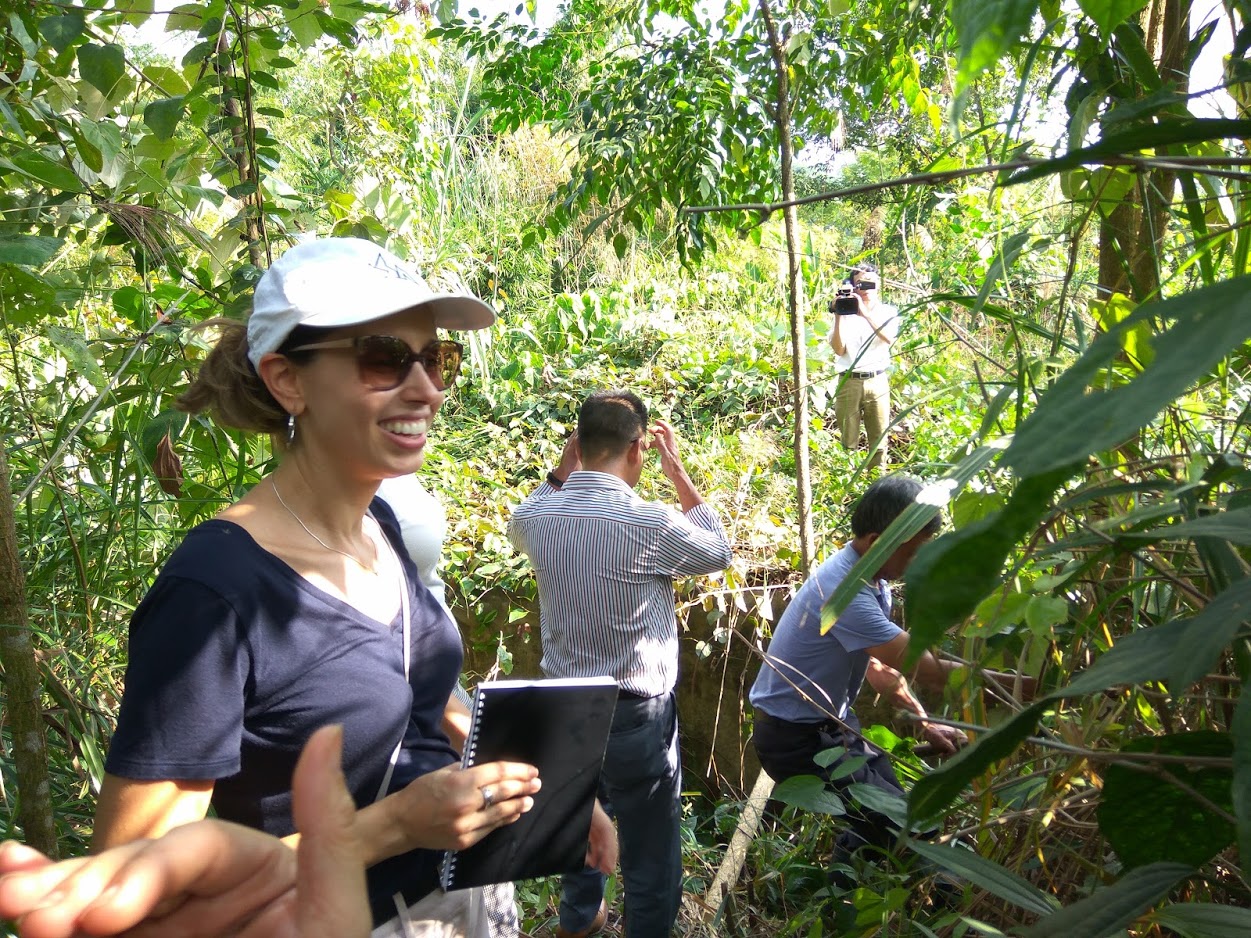
Visiting a rural water source in Vietnam. Photo credit: Lilian Pena P. Weiss.
This year we are celebrating 30 years since the Rural Water Supply Network was formally founded. From very technical beginnings as a group of (mostly male) experts – the Handpump Technology Network – we have evolved to be a diverse and vibrant network of over 13,000 people and 100 organisations working on a wide range of topics. Along the way, we have earned a reputation for impartiality, and become a global convener in the rural water sector.
RWSN would not be what it is today without the contributions and tireless efforts of many our members, organisations and people. As part of RWSN’s 30th anniversary celebration, we are running a blog series on rwsn.blog, inviting our friends and experts in the sector to share their thoughts and experiences in the rural water sector.
This is a blog post from a RWSN Thematic Lead, Euphresia Luseka, from Kenya
“In Diversity there is beauty and there is strength”
Maya Angelou
Diversity is the difference. People are the same and different by their ethnic, age, professional experience, religion, race, and gender.
Let’s agree that women’s contributions and leadership are central to providing solutions to water challenges. Consequently, the water sector needs a more diverse labour force to establish a more inclusive and equitable experience for all its practitioners. By highlighting the scale of issues facing female Water leaders, we can better understand their challenges, and galvanize action for progressive, systemic change while examining other robust potential and scalable solutions.
The current women’s underrepresentation in water sector leadership is a prominent concern. According to a World Bank publication on Women in Water Utilities, women are significantly underrepresented; less than 18% of the workforce sampled were women, one in three utilities sampled had no female engineers and 12% of utilities have no female managers. Referencing the analysis of the employment data from participating organizations in a FLUSH LLC publication that I co-authored, white males from High-Income Countries comprised over a third of all sanitation leadership positions. With regards to race, two-thirds of all sanitation leaders were white, with white leaders 8.7 times more likely to hold multiple positions across different organizations than Black, Indigenous and People of Colour (BIPOC). BIPOC Women were the least represented group.
This affirms the importance of an intersectional perspective in advancing gender and racial equity in the water sector leadership.
Women and specifically BIPOC female water leaders are missing out on opportunities in the water sector that hold the promise of advancement of SDG6 targets and the rising economic security that comes with it.
Without diverse leadership, the water sector will continue to experience failure.
Are there consequences for this?
Gender diversity in the Water sector is not only a pressing political, moral and social issue but also a critical economic challenge. There are consequences for not having women in water leadership, the financial consequences are significant.
The untapped and unmeasured contribution of women is enormous. Women make up half the world’s population but generate 37% of the global GDP, reflecting the fact that they have unequal access to labour markets, opportunities, and rights. A McKinsey & Co study found that companies in the top quartile for gender or racial and ethnic diversity are more likely to have financial returns above their national industry medians. Companies in the bottom quartile in these dimensions are statistically less likely to achieve above-average returns.
Beyond that, compared to senior-level men, senior-level women have a vast and meaningful impact on an organization’s culture; they champion racial and gender diversity more.
Unfortunately, given the high male dominance in the Water sector they are usually the “Onlys” – the only or one of the only women hence more resistance, sharper criticism especially on affirming their competence, more prejudice, and more experience to micro-aggressions.
If women leaders are not present in the workforce, women at all levels lose their most powerful champions.
Absolutely, diversity wins and here are some examples of what I mean.
Though many ambitious women in water desire to advance into leadership positions, very few have the managerial and Ally support to get and keep those positions. Though many employees perceive themselves as our Allies, they do not take enough action such as publicly advocating for racial or gender equality, publicly confronting discrimination, publicly mentoring and sponsoring them. Though women in water have the capacity to lead in the sector, there exist geographic mismatches between them and opportunities, we remain underrepresented and paid less. Though many organizations are hiring more women to entry-level positions numbers dwindle at management level, particularly for BIPOC women.
This obviously has a long-term impact on the talent pipeline; eventually, there are fewer women to hire, fewer to promote to senior managers and overall fewer women in the sector. If women continue encountering the sticky floor, a broken rung on the ladder to success, and a revolving door in entry-level jobs, we might never break the glass ceiling.
Women can never catch up with this status quo!
But why are we missing and losing women in water leadership?
We have come from so far as a sector but have moved very little on Gender parity at the workplace.
To give an illustration, the United Nations organized four outstanding world conferences for women: 1) at Mexico City in 1975; establishing the World Plan of Action and Declaration of Equality of Women and their Contribution to Development and Peace. 2) The Copenhagen conference in 1980, 3) the Nairobi Conference in my country Kenya, in 1985 4) in Beijing in 1995 which marked a significant turning point for the global agenda on gender equality with an outcome of a global policy document.
27 years later, still the water sector is investing in the same gender challenges emerging from gender norms that are stuck with us generation after generation.
Women’s dual roles and time burden affect their economic productivity however inequalities in access to education impact their growth attributing to the high rates of poor women. Therefore, the woman in water at work and society starts at a disadvantaged position.
This affirms the supposition that instead of making transformation the goal in gender and water sector leadership, how about we make it a way of doing business?
Are women better leaders than men?
As demonstrated in Eagly (2007) study, women are manifesting leadership styles associated with effective performance. On the other hand, there appears to be widespread recognition that women often come in second to men in leadership competitions. Women are still suffering disadvantage in access to leadership positions as well as prejudice and resistance when they occupy these roles. It is more difficult for women than men to become leaders and to succeed in male-dominated leadership roles. This mix of apparent advantage and disadvantage that women leaders experience reflects the considerable progress towards gender equality that has occurred in both attitudes and behaviour, coupled with lack of complete attainment of this goal. Although prejudicial attitudes do not invariably produce discriminatory behaviour, such attitudes can limit women’s access to leadership roles and foster discriminatory evaluations when they occupy such roles.
It is time for Women to take up power, are they?
The 20th-century paradigm shift championed by UN towards gender equality has not ceased as affirmed by the profound changes taking place in diversity targets in the Water sector. The trends are clear that women are ascending towards greater power and authority. The presence of more women in water leadership positions is one of the clearest indicators of this transformation.
The central question of gender equality is a question of power, we continue to live in a male-dominated world with a male-dominated culture. Power is not given, power is taken; we have to push back against the resistance to change, as advised by António Guterres, Secretary General, United Nations.
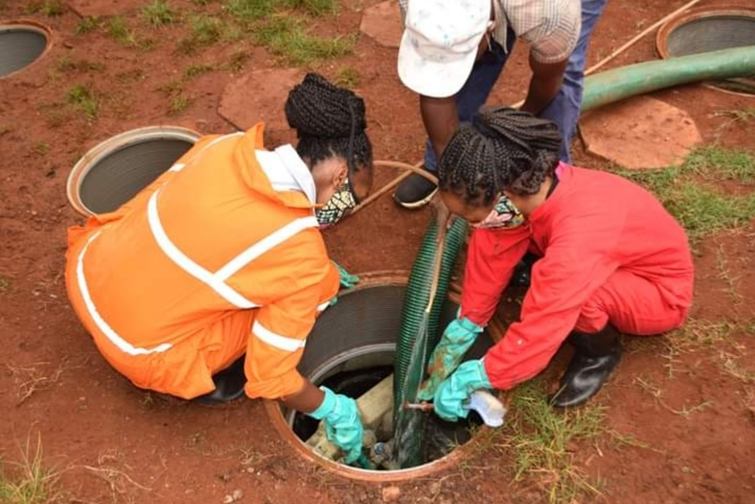
Photo 3: Water Utility Staff during a Non-Revenue Water management training, Kenya, 2022
How do we sustain the gains?
Focus and execution discipline not only makes a big difference, it is the only thing that can sustain change. It is noteworthy that placing a higher value on diversity and implementing targeted initiatives have not closed the representation gaps for women leaders in Water and especially BIPOC Women, with most outcomes remaining elusive despite scaling up of initiatives.
Useful data can resolve this; effective policies are informed best by evidence. We cannot change what we do not measure and we cannot measure what we do not know. Therefore, borrowing from President Biden’s approach upon issuing an executive order on advancing racial equity and support for underserved communities, I guide, assess institutional gender capacity to build a robust pipeline for women in water professionals at all levels of-management.
Inquire what actions can influence diverse representation in the water sector leadership towards an inclusive environment where women feel supported by peers and leaders.
Co-creation will be key in strategically prioritising interventions addressing necessary changes across the organisation, progress cannot be made in silos. Collaborative efforts galvanise collective action that will build trust across the organization. Focus should not take a gender-neutral approach; some interventions can specifically focus on men others women as a corrective measure to enhance leadership diversity. This shall move the process of change through equality to equity to justice.
Empowering and equipping management to not only develop technical and managerial skills but advance female leaders and mainly BIPOC could follow. Use influencers to drive change. Translate allyship into action across all levels. Maintain open communication and feedback channels. Reinforce and scale what works and re-envision what does not. Measure and celebrate progress towards diversity outcomes.
****
I thought I would support transforming the water sector instead it transformed me. This blog is dedicated to Leslie Gonzalez, Director of Project Delivery, Africa at DAI. I acknowledge the efforts of Portia Persley Division Chief, RFS/Center for Water Security, Sanitation and Hygiene at USAID, Heather Skilling, Principal Global Practice Specialist, WASH at DAI, and Dr. Leunita Sumba, at WIWAS. History will remember your efforts in advancing women in water, working with you is like working with the change you want to see in the water sector.
Photo credits: Euphresia Luseka
About the author:
Euphresia Luseka is a Water Governance Specialist and Co-Lead of RWSN Leave No-One Behind Theme. She is a seasoned Expert with experience in leadership, strategy development, partnerships and management in WASH sector nationally, regionally and internationally. She has specialised in WASH Public Policy, Business Development Support Strategies and Institutional Strengthening of urban and rural WASH Institutions. Euphresia has several publications and research work in her field.
Did you enjoy this blog? Would you like to share your perspective on the rural water sector or your story as a rural water professional? We are inviting all RWSN Members to contribute to this 30th anniversary blog series. The best blogs will be selected for publication. Please see the blog guidelines here and contact us (ruralwater[at]skat.ch) for more information. You are also welcome to support RWSN’s work through our online donation facility. Thank you for your support.
This year we are celebrating 30 years since the Rural Water Supply Network was formally founded. From very technical beginnings as a group of (mostly male) experts – the Handpump Technology Network – we have evolved to be a diverse and vibrant network of over 13,000 people and 100 organisations working on a wide range of topics. Along the way, we have earned a reputation for impartiality, and become a global convener in the rural water sector.
RWSN would not be what it is today without the contributions and tireless efforts of many our members, organisations and people. As part of RWSN’s 30th anniversary celebration, we are running a blog series on rwsn.blog, inviting our friends and experts in the sector to share their thoughts and experiences in the rural water sector.
This is a blog post from RWSN Member Joshua Briemberg, based in Nicaragua.
My career in the water and sanitation sector started in 1993 not long after RWSN was born. It was a deliberate choice for me after a brief stint in the UK oil industry that followed upon living and working during 4-months between 1991 and 1992 in rural Nicaragua to build a two-room school house. During this time diarrhea was often the order of the day, and night, for me in a rudimentary pit latrine. I still remember looking up into giant banana leaves waving in the moonlight to find a sense of peace in certain agony. At the time, I struggled to focus while in university in Canada between studies in chemical engineering with one class in water treatment that caught my attention, and studies in humanities, intrigued by the discussion of water rights and the First Nations people of Canada.
Having finished my engineering degree in 1992, my true calling continued to elude me and I moved to the UK. While in London, first as a bicycle courier and then as a health and safety engineer for the construction of an 11 billion dollar North Sea oil platform, the Intermediate Technology book shop (which later became Practical Action) became my favorite destination and the monthly publication Waterlines an early inspiration, as I planned a return to Nicaragua to do something, anything related to water. I also remember carrying the odd parcel as a courier to a small WaterAid office in a building near Green Park. Twenty years later, still living in Nicaragua I would be asked to design and then lead WaterAid’s first country program in Latin America.
Somewhere along the way, I let fall by the wayside any idea of pursuing further formal training in the halls of renowned institutes like WEDC at the University of Loughborough, where I once met with John Pickford, or IHE in Delft where I also made a short visit. The field was to become my classroom.
My journey in the world of water and sanitation in 1993 started for real by conducting a study of the presence of pesticides in the groundwater supplies for the cities of Nicaragua’s historic cotton-belt of the 1970s. I moved on from there to a couple of jobs in what was meant to be my field as a chemical engineer – sewerage master plans for Managua and wastewater treatment while briefly back in Canada.
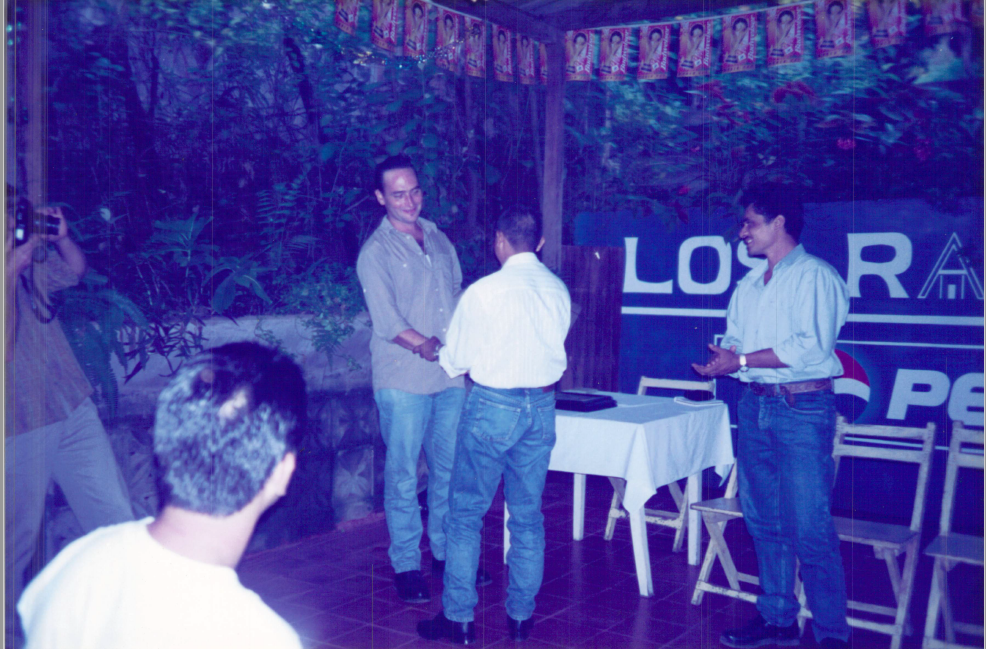
Photo: Agua Para la Vida Graduating Class
But it was then, as I found myself heading up the first cycle of a program to train village-engineers to design and build small rural spring-fed gravity-driven water supply systems in the north-central mountains that I truly found my calling: rural water supply. In just over 30 years this operation – Agua para la Vida – has worked with small rural mountainous communities to establish more than 100 water supply systems using state-of-the-art design tools to optimize performance and cost. Well-designed mountain spring-fed gravity-driven water supply systems are amazingly durable with highly manageable operating costs; the main challenge is the protection of the recharge area of the watershed and ensuring community cohesion and effective management.
Captivated by the joy of opening the tap and having clean water gushing out after months of sweat and toil, I was driven to carry on in pursuit of a glass of clean water everywhere.
One thing I found during these years was that while we designed for growth the communities often shrunk in size due to migration in search of greater economic opportunities elsewhere.
I took the skills learned with war-ravaged communities on the agricultural frontier to work with indigenous Miskitu and Mayangna communities to bring clean mountain water to people along a system of rivers in the farthest depths of one of two biosphere reserves in Nicaragua. Gravity-fed piped water supplies continued to be my default option until the springs ran out.
On my first reconnaissance mission in 1997 to the village of Raiti on the Coco River (Wangki) that separates Honduras from Nicaragua, I was accompanied by an American hydrogeologist who spoke neither Spanish nor the local language Miskitu. During the conversation with community leaders about the existence of potential spring sources, one community leader told me that the potential source was about 15 minutes away while another said it was more like a day away. Needless to say my hydrogeologist decided to stay behind and it took us close to 6 hours to reach the place thought by the villagers to be a viable source!
Unfortunately, like almost all surface water sources in the eastern or Caribbean region of Nicaragua, it was located at lower elevations than the community, which was the way the communities would protect themselves against the risk of flooding. And thus began my first experiences with digging and drilling wells with what had become a Nicaraguan standard by then: the rope pump.
Transporting pipes on the Rio Coco (2000-2003)
It was not until the early 2000s, and with a decade of empirical experience in the field, that I began to come in contact with networks such as RWSN which became sporadic but important references combined with other guiding lights of inspiration that I encountered in the rare opportunities when I emerged from remote communities by footpaths, dirt roads, and rivers.
Through these contacts, I was inspired to add new tools to my toolbox in the continued search for clean water. Rainwater harvesting and point-of-use treatment or filters became significant aspects of my search to truly reach the last mile, while also experimenting with hydraulic ram pumps along the way. In addition to technologies themselves, approaches such as the Technology Applicability Framework (TAF), accelerating self-supply, and systems strengthening have become essential tools in the last ten years of my journey.
In addition to RWSN, which I did not formally encounter until 2011 when I attended the RWSN’s 6th International Forum in Kampala, Uganda, I also found inspiration from the HWTS network, the International Rainwater Harvesting Alliance (IRHA), the SMART Centre Group, SuSanA, Agenda for Change, and others. At the local level the Nicaraguan and Central American WASH Networks (RASNIC and RRAS-CA respectively) represented efforts to bring collaboration to the regional, national and local levels.
Out of these contacts came not only key technical references, but a greater understanding of the importance of context in the applicability of a solution, the complexity of sustainability, the importance of demand-based approaches accompanied by systems that are not necessarily exclusive to the public sector but include the role of the local private sector, entrepreneurship, alliances and the acceleration of self-supply models of service delivery.
There is still considerable tension between these two approaches to water supply – systems strengthening and accelerating self-supply models – although I consider the latter to be complementary and part of the former, and despite the fact that in sanitation individual family solutions continue to be the standard for the population in rural areas.
Needless to say, I moved on from my beginnings in spring-fed gravity-driven systems to shallow and deep borehole wells, manual and machine drilling, handpumps and renewable energy-driven pumps, rooftop rainwater catchment, and household water treatment and storage. I also ventured in to the concept of resilience and the concepts of both multiple uses and multiple sources or hybrid systems, the latter still less commonly considered.
It should not go unnoticed that my search for clean water in Nicaragua has been both confronted and marked along the way by an increasing number of hurricanes: Mitch in 1998 that took me to the Coco River to build water supply systems where there had been none but where the communities along the river had been entirely wiped away. Felix in 2007 left a swath of destruction across the northeast Caribbean Coast. And most recently Eta and Iota back-to-back in November 2020 that wiped out all of the more than 250 rooftop rainwater catchment systems with 4,000 litre ferrocement tanks that had been built one by one over 5 years by men and women in the community of Wawa Bar.
Training RWH System installers Wawa Boom (2021)
On this journey, I also came across some significant contributions to rural water supply incubated in Nicaragua in the spirit of its famed poet of modern Spanish letter Ruben Dario: Si la Patria es pequeña, uno grande la sueña. (If the homeland is small, one dreams it to be grand.) These include the rope pump (known in Nicaragua as the bomba de mecate), the clay pot filter (Filtron), and an artisan-made in-line chlorinator (originally known as CTI-8).
It was household water treatment and storage, and Ron Rivera of Potters for Peace that started me on the road to the concept of self-supply and market-based approaches. This concept has ended up twice costing me my job with “non-profit” organizations unwilling to undermine their charity model and dependence on a permanent state of “humanitarian philanthropy”.
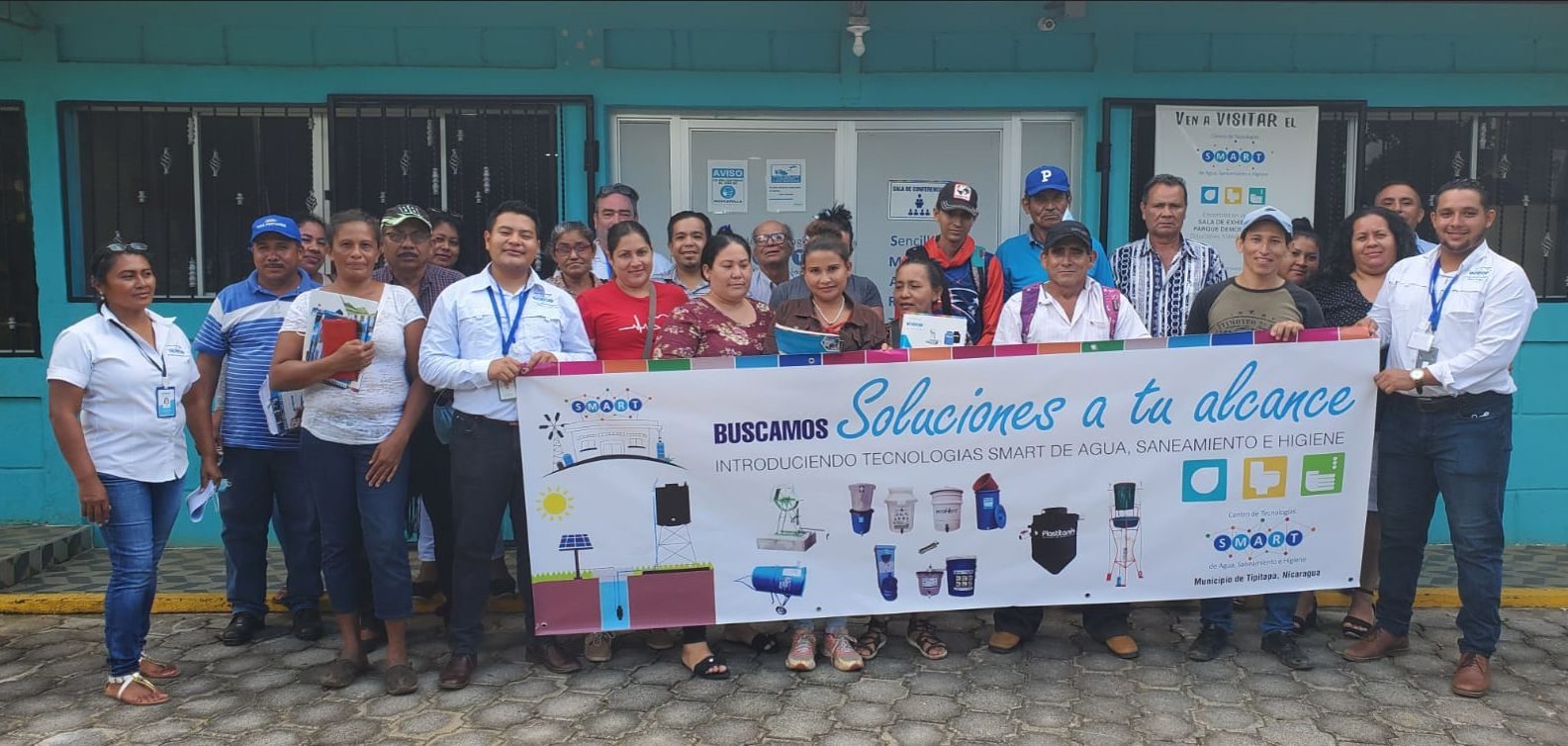
Now as my life journey enters its home stretch, my focus is on bringing together both physically and virtually as many of all these great initiatives and new ones as they come along, within a context-based framework and the collective construction of appropriate service delivery models. My vehicle since 2017 is the Nicaragua SMART Centre: Connecting, assisting, accelerating. The SMART Centre was inspired in 2015 by Henk Holtslag whom I first met that the RWSN Forum in Kampala in 2011.
Joshua has worked as a practitioner in the rural WASH sector for over 30 years almost entirely in Nicaragua, Central America with the exception of a 3-year period when he led the development of a program in Colombia. His work has taken him from brief stints in the public sector and with a private engineering consulting firm, to both small and internationally recognized non-governmental organizations, and bilateral aid agencies. He is the founding director of the Nicaragua Centre for SMART Technologies for WASH (Centro de Tecnologías SMART de Agua, Saneamiento e Hygiene), a social enterprise bringing together the public and private sectors, microfinance institutions, and academia to promote SMART approaches including self-supply to reach the last mile. He recently co-authored a RWSN Field Note taking stock of the 40-year history of the rope pump in Nicaragua.
Did you enjoy this blog? Would you like to share your perspective on the rural water sector or your story as a rural water professional? We are inviting all RWSN Members to contribute to this 30th anniversary blog series. The best blogs will be selected for publication. Please see the blog guidelines here and contact us (ruralwater[at]skat.ch) for more information. You are also welcome to support RWSN’s work through our online donation facility. Thank you for your support.
This year we are celebrating 30 years since the Rural Water Supply Network was formally founded. From very technical beginnings as a group of (mostly male) experts – the Handpump Technology Network- we have evolved to be a diverse and vibrant network of over 13,000 people and 100 organisations working on a wide range of topics. Along the way, we have earned a reputation for impartiality, and become a global convener in the rural water sector.
RWSN would not be what it is today without the contributions and tireless efforts of many our members, organisations and people. As part of RWSN’s 30th anniversary celebration, we are running a blog series on rwsn.blog, inviting our friends and experts in the sector to share their thoughts and experiences in the rural water sector.
This is a guest blog by RWSN Member Jaime Aguirre, based in Bilbao, Spain.
EMAS is the Spanish acronym for “Escuela móvil del agua y saneamiento” meaning Mobile School of Water and Sanitation; the acronym was coined in the 1980´s in Bolivia by Wolfgang Buchner, supported by a group of volunteers.
The main mission of EMAS is to teach families how to obtain clean water by themselves. “Hand-on learning” is the most optimal way to learn these techniques.
The EMAS WaSH scheme include various Do-It-Yourself technologies like the EMAS manual pump, manual well drilling up to 90 metres, water storage tanks, and VIP toilets among others. All technologies have been in constant development since the 1990’s. They have been implemented in more than 25 countries, mostly in Latin America and Africa. The RWSN library hosts documentation and assessments of the use of EMAS technologies in Uganda, Sierra Leone, Panama and Bolivia amongst others.
The goal of EMAS technologies is to provide access to clean water and sanitation through training of local technicians and beneficiaries. These trainings are compact courses where over several weeks all techniques are demonstrated and practiced. In a long term, all facilities can be maintained by the user due to the technology’s simplicity. The result:
Improved access to clean drinking water for the world’s rural populations combined with simple sanitary facilities, thus preventing the spread of infectious diseases and reducing mortality rates.
Increased quality of life, e.g. by eliminating laborious water-hauling, thus saving women and children time and enabling small farming operations.
The trained well builders are self-sufficient and independent, and can, if necessary, receive repeated advising and training.
Sustainability: The wells and water facilities are very affordable. Experience has shown that the owners maintain the facilities quite well, which results in long service lives. Any repairs that may be needed are usually easy to complete.
All materials needed for these repairs can be obtained locally.
The materials and methods are environmentally responsible and most of the steps are performed manually.
The withdrawal of moderate amounts of water and its disciplined use have no negative impact on the environment or groundwater levels.
Improved opportunities for people to stay in their home regions permanently.
The EMAS hand pump is the key component of the EMAS-technologies because it is capable of pumping water vertically up to 50 m. While other hand pumps have higher resistance to intensive or even inappropriate use (many times when the pump is being used by a whole community), the EMAS pump is designed mainly for household use. EMAS pumps have a long service life since any repairs that may be needed are usually easy to complete by the user.
Video-instructions can be viewed on a YouTube channel which counts about 15.000 followers with some videos having over 700.000 views.
Sometimes adaptions of the technologies have to be made or are even necessary in some countries due to material availability.
As of now, approximately 70.000 EMAS wells have been drilled worldwide. The majority have been financed by the families or beneficiaries. Since the 1980’s, worldwide more than 100 trained technicians have created a micro enterprise offering WASH services to their community. EMAS technologies have been implemented in over 25 countries through cooperations with various local and international organizations (e.g. PAHO (Pan American Health Organization) ). As a result of the cooperation with Welthungerhilfe more than 3.000 EMAS wells have been drilled in Sierra Leone.
EMAS aims to partner with organizations which include WASH in their programmes and also wish to implement the mentioned technologies trough training projects in WASH. Projects should include follow-up and support to trained WASH technicians to help them in becoming SMEs. Many cases show that workers of SMEs create their own company and serve other regions which have high demand for WASH services.
An EMAS learning page will be launched shortly in order to share all experiences in various countries and also facilitate all available material. This webpage will also target users with technical skills who wish to learn more about the technologies.
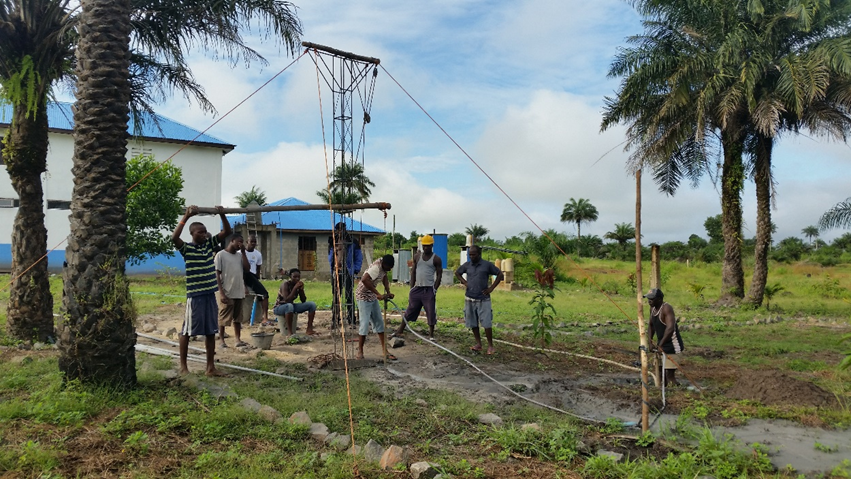
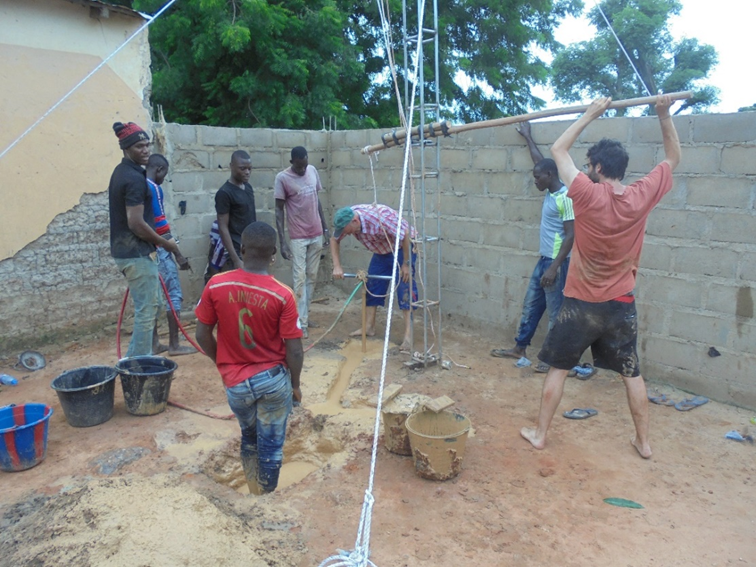
Drilling a well in Sierra Leona WASH Center
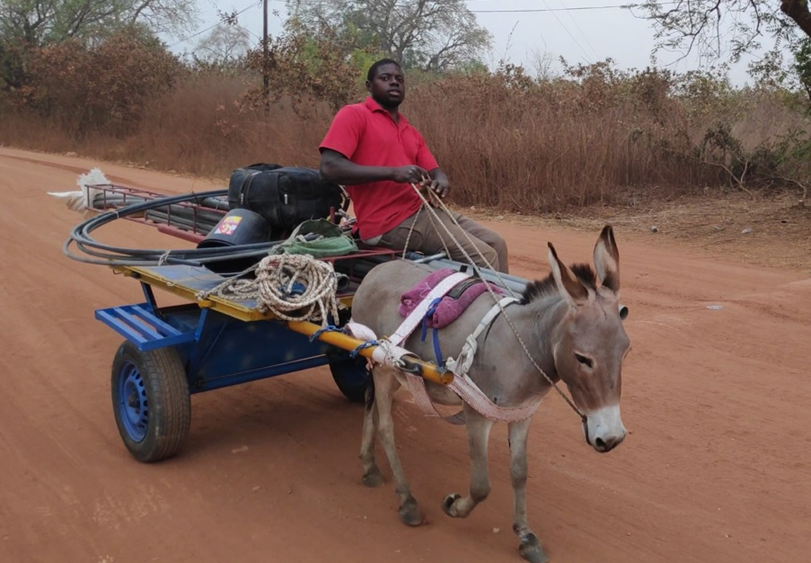
Amadou, EMAS technician from Senegal going with his drilling equipment to make a new well
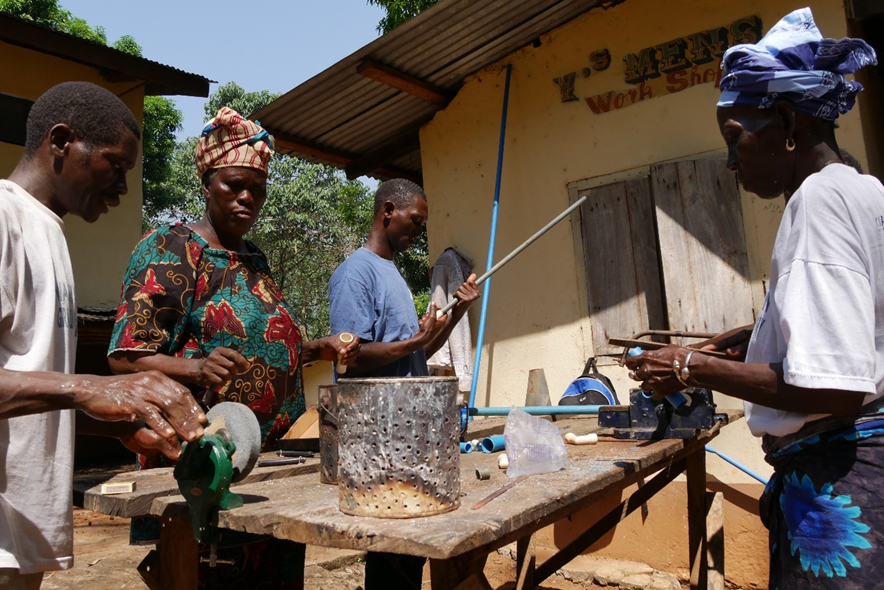
Training of EMAS pump making at Sierra Leone
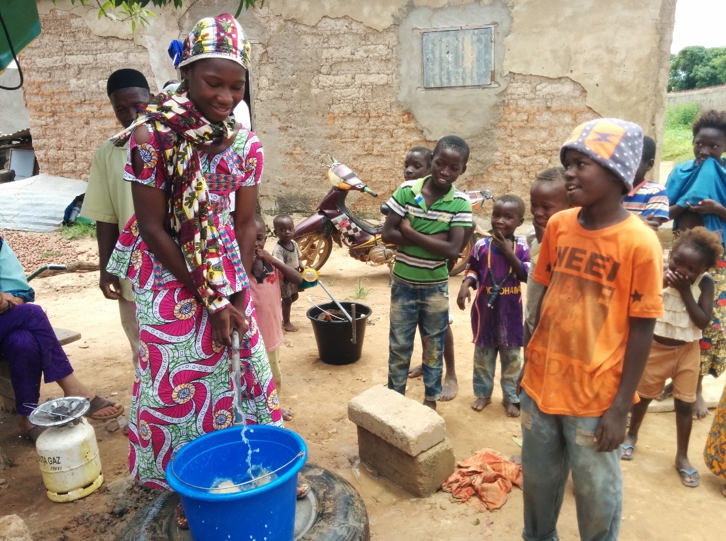
Drilling training at Mali
EMAS systems including rainharvesting, underground tank, bomba manual, toilet, shower and sink
About the Author: Jaime Aguirre is originally a mechanical engineer who acted many years as design engineer in the wind energy sector. After some disappointing experiences with the implementation of high-tech WaSH technologies he joined in 2014 voluntarily an EMAS training in Bolivia. Since then, he has permanently been engaged in providing training together with German based NGO EMAS-International e.V. In 2015 he initiated the Spanish NGO TADEH in Bilbao, Spain which provides training in EMAS Self Supply technologies worldwide.
Did you enjoy this blog? Would you like to share your perspective on the rural water sector or your story as a rural water professional? We are inviting all RWSN Members to contribute to this 30th anniversary blog series. The best blogs will be selected for publication. Please see the blog guidelines here and contact us (ruralwater[at]skat.ch) for more information. You are also welcome to support RWSN’s work through our online donation facility. Thank you for your support.










 Rural Water Supply Network - blog