This is a guest blog by Faith Lilian Kuloba, who participated as a mentee in the RWSN Mentorship Programme 2024.
My name is Faith Lilian Kuloba, a Ugandan currently pursuing an MSc in Water and Wastewater Processes at Cranfield University. My journey to this point began during my time as an Assistant Water Resources Engineer at Water Access Consulting, when my supervisor encouraged me to join the Rural Water Supply Network (RWSN).
About a year later, while reading one of RWSN’s monthly email updates, I found the 2024 Mentorship Programme for Career Development. Although I wasn’t sure what to expect, I applied with optimism, and I was honoured to be selected.
Shortly after submitting my application, I was paired with my mentor, Rodolfo Bezerra Nóbrega, a lecturer and researcher in the water and environmental sector. His extensive experience in research and academia made him the perfect guide.
At the time, I was eager to advance my career through further studies. I had already applied for several master’s programmes without success, and my family was experiencing financial strain, making the prospect of funding my education even more uncertain. When I shared my career goals and challenges with Rodolfo, he committed to guiding me through the process.
Applying for a master’s degree can feel overwhelming, but Rodolfo provided exceptional mentorship. He helped me identify the right programmes, advised me on suitable universities, and taught me how to search for scholarships including how to reach out to universities about funding opportunities. He supported me in reviewing scholarship requirements, refining my CV to UK standards, and learning how to write strong, structured essays. He also assisted with interview preparation.
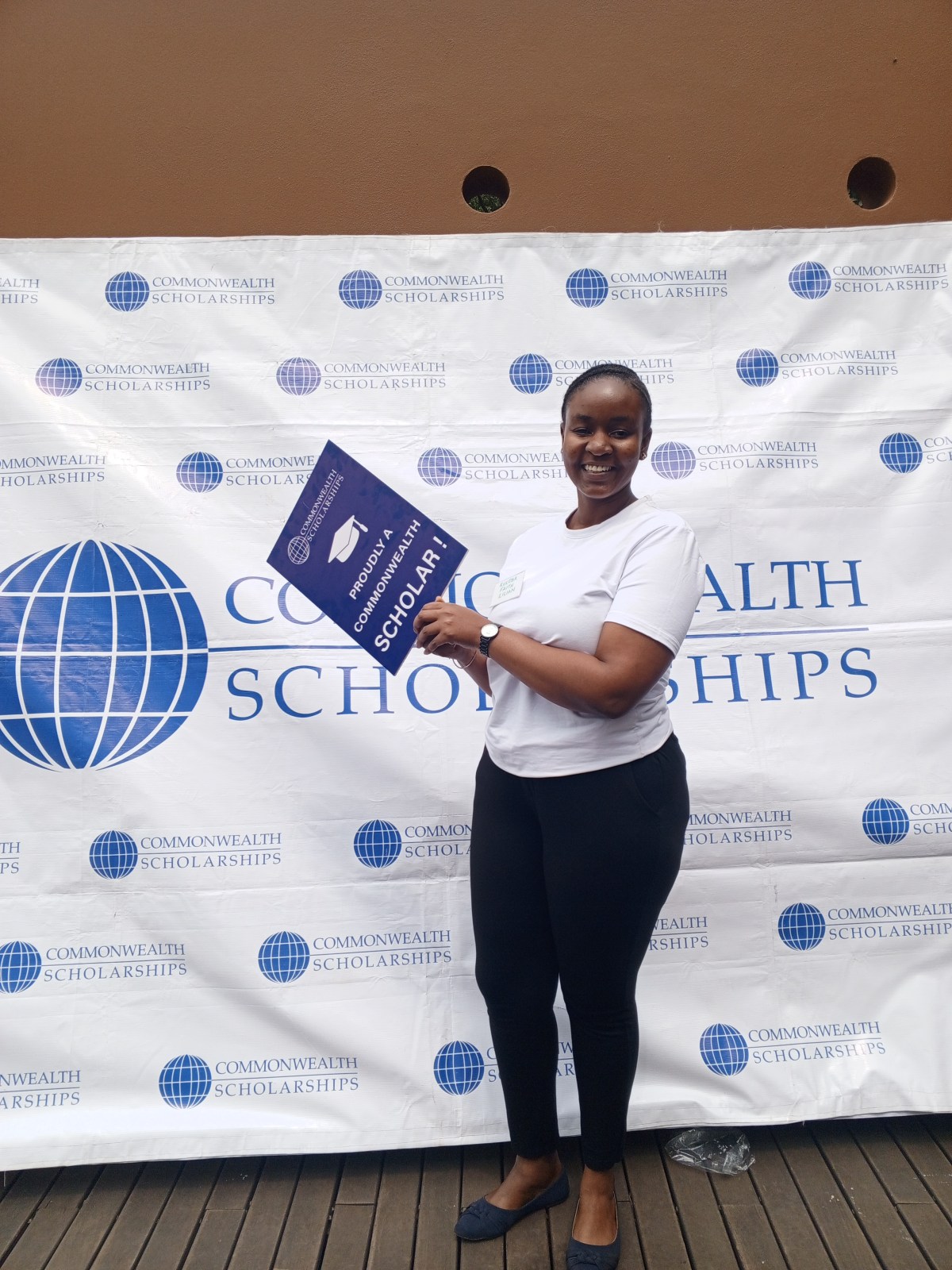
Earlier this year, I was honoured to received the Commonwealth Shared Scholarship, which has allowed me to begin my masters programme at Cranfield University.
This mentorship programme has been truly transformative. Without Rodolfo’s support, encouragement, and skill, I would not be where I am today. Just a year ago, I was unsure how I would finance my studies and now I am in the UK pursuing the master’s degree I always hoped for.
My sincere thanks go to RWSN and the Skat Foundation for organising this mentorship programme. It is an outstanding professional initiative that empowers women in WASH to grow, learn, and advance their careers. I am deeply grateful for the knowledge, confidence, and opportunities it has given me.
To join RWSN and be informed about the next round of the mentoring programme, please sign up here.
This is a guest blog by Esther Lydia Akol, who participated as a mentee in the RWSN and Women in WASH 2025 Mentorship Program.
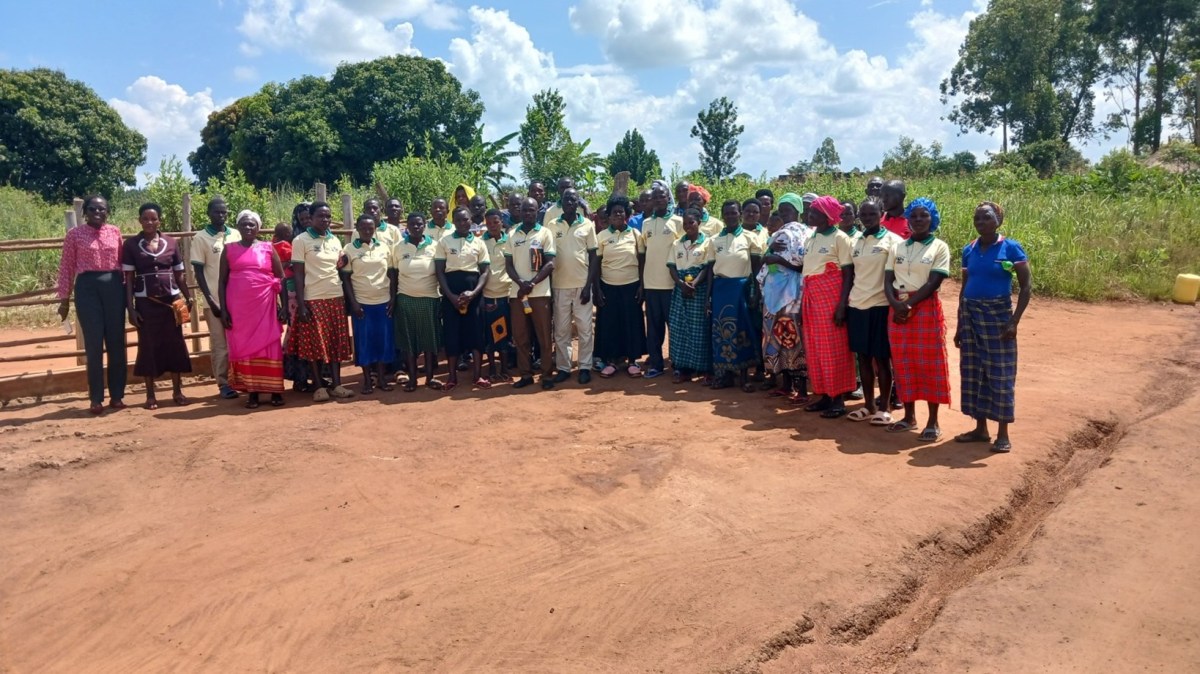
Photo: Esther (Mentee) with Community Water users after an Exchange Learning visist on Water Point Sustainability in Uganda
When I joined the RWSN and Women in WASH Mentorship Programs in April 2025, I hoped to grow professionally and expand my network. What I didn’t expect was a six-month journey that would challenge my thinking, deepen my confidence, and transform the way I approach leadership in rural water, sanitation, and hygiene (WASH). From meaningful conversations with my mentor to new global opportunities, these programs has shown me that mentorship is not just guidance; it is a ripple effect that strengthens communities, builds leadership, and fuels sustainable change.
My name is Esther Lydia Akol, a Ugandan WASH professional with The Water Trust. I joined the mentorship program to grow professionally, expand my network, and strengthen my leadership in promoting sustainable and inclusive rural water systems. Coordinated by the Rural Water Supply Network (RWSN) and Agenda for Change, the programs pair emerging professionals with experienced mentors to foster leadership, learning, and collaboration. It is more than a capacity-building effort; it is a platform for women to find their voices, share experiences, and lead change in communities and organizations.
Discovering Strength in Shared Experience
My mentor, Elon Ryan Sooknanan (PMP, MSc(Eng), MBA), brought a wealth of experience and a genuine spirit of guidance. Our monthly conversations went beyond technical discussions; they explored how sustainability, equity, and innovation intersect to make WASH initiatives more effective and inclusive. Through his mentorship, I learned to communicate with clarity, set achievable goals, and adopt a systems approach to rural water challenges.
Perhaps the most transformative lesson was realizing that mentorship is a two-way flow. While I learned from my mentor’s experiences, I also shared reflections from my work in Uganda’s rural communities. Together, we explored how local realities inform global strategies and how personal growth strengthens professional impact.
During this period, my mentor introduced me to Transformations Leeds (UK), a charity offering apprenticeship and coaching programmes in leadership. I was awarded a one-year apprenticeship and an additional six-month coaching opportunity focused on leadership, sustainable solutions, and climate change. Alongside this, he shared resources on scholarships and WASH knowledge platforms, which I continue to explore to expand my learning and global perspective. This experience demonstrated that mentorship often extends far beyond formal programme sessions, opening doors to lasting professional growth and collaboration.
Bridging Knowledge, Confidence, and Community
Beyond one-on-one mentoring, the RWSN and Women in WASH Mentorship Programs connected me with a diverse community of professionals committed to improving the sustainability and inclusivity of WASH services. Peer-learning sessions and resource-sharing platforms provided spaces for dialogue, reflection, and practical problem-solving.
What stood out most was the sense of community. Our mentor created a WhatsApp group for all the mentees he was mentoring, connecting us with WASH professionals from different regions and countries. Each participant brought a unique perspective, yet we shared a common determination to make a difference. Stories of resilience from across the globe reminded me that collaboration is one of the most powerful tools for advancing rural water supply.
Lessons That Will Flow Forward for me
Reflecting on this journey, I carry forward lessons that will guide my WASH and community development work:
Mentorship multiplies impact. Guiding others strengthens leadership, knowledge-sharing, and the sustainability of development efforts.
Diversity enhances problem-solving. Global exchanges between mentors and mentees bridge context-specific and universal challenges.
Confidence grows through support. Having someone believe in your potential helps dismantle self-doubt and nurtures leadership courage.
Networks are transformative. The mentoring programs connected me to a vibrant community of practitioners who continue to inspire collaboration.
Gender equity drives sustainability. Empowering women in WASH leadership fosters inclusive, resilient, and community-driven systems.
A Call to Future Mentees and Mentors
To women joining future mentorship cycles: embrace every session, challenge, and conversation with openness and curiosity. Ask questions, share your story, and listen deeply to others. The RWSN and Women in WASH Mentorship Programs’ true strength lies in mutual learning, where every perspective contributes to shaping a more inclusive and resilient WASH sector.
To professionals considering mentorship: your experience and time are powerful investments in the next generation of WASH leaders. Mentorship is not about having all the answers; it is about guiding reflection, nurturing curiosity, and helping others grow in confidence and skill. Every shared insight strengthens a global community working toward sustainable rural water services.
Conclusion: When Women Lead, WASH Thrives
Participating in the RWSN and Women in WASH Mentorship Programs has been deeply transformative. It reaffirmed that sustainable water supply is not only about infrastructure—it is about people, relationships, and shared learning.
As I continue my work in Uganda, I carry the lessons of mentorship: the power of connection, the strength of collaboration, and the hope that when women lead, communities thrive. Every act of guidance creates ripples of change, ripples that sustain clean water, dignity, and opportunity for all.
About the author:
Esther Lydia Akol is a WASH Officer with The Water Trust in Uganda. She is passionate about sustainable WASH solutions, gender equity, and empowering rural communities to build resilient rural water systems.
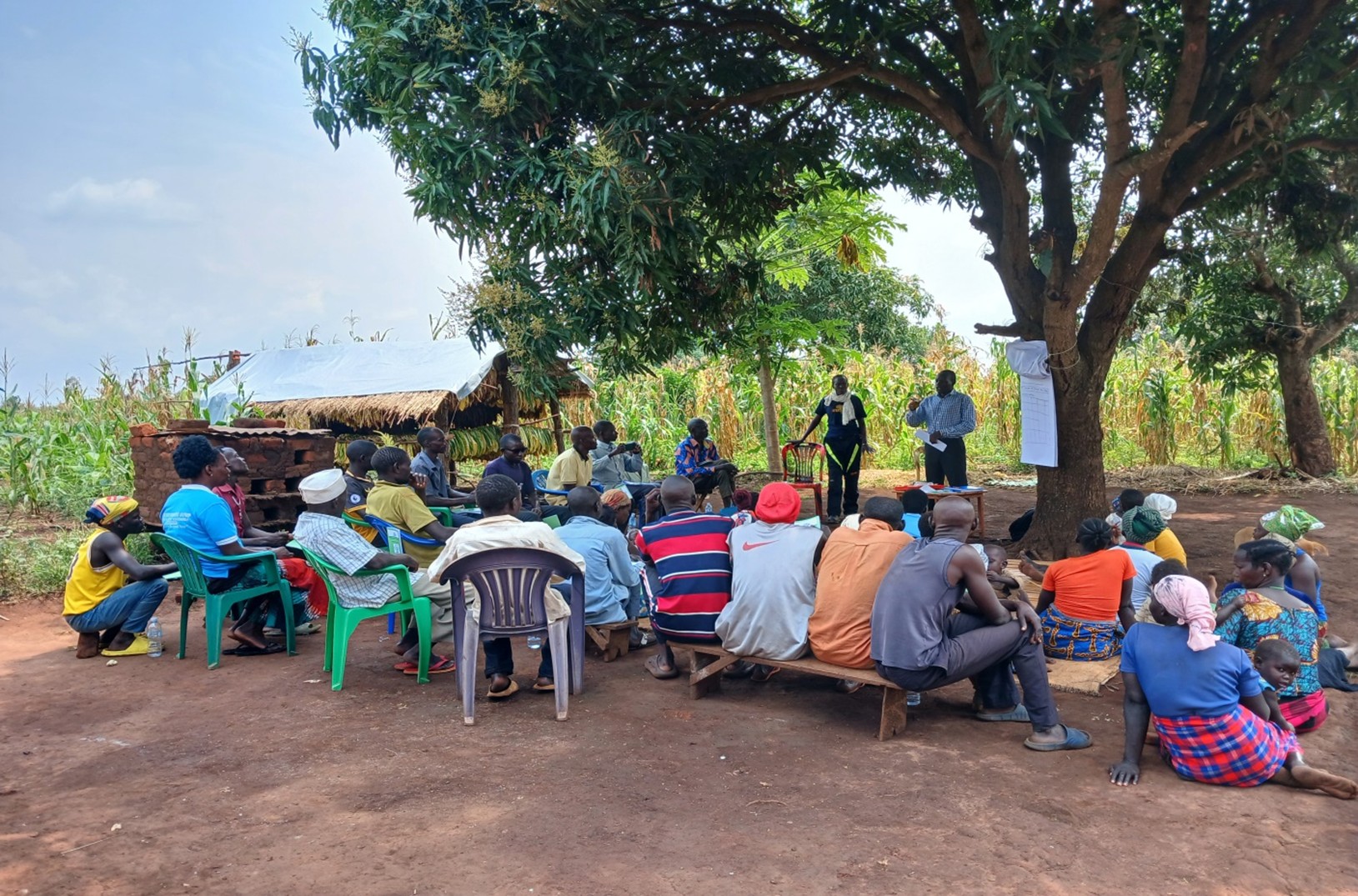
Photo: Esther (Mentee) facilitating a community WASH Committee Meeting in Uganda
To join RWSN and be informed about the next round of the mentoring programme, please sign up here.
This is a guest blog by Kachusha Nkosha, who participated as a mentee in the RWSN and Women in WASH 2025 Mentorship Program.
Being part of the RWSN and Women in WASH Mentoring Programs has been one of the most defining experiences of my professional journey. Having previously mentored in the health sector, I joined the program eager to contribute, but what unfolded went far beyond expectation. It became a season of personal growth, deeper purpose, and renewed conviction in the power of mentorship as a tool for transformation.
I was privileged to be mentored by Dr. Marie Christine Faye, a woman whose wisdom, humility, and global WASH experience profoundly shaped my outlook. Her mentorship went beyond career guidance; it encouraged reflection, strategic thinking, and a systems approach to leadership. Through her example, I learned that great mentors do not simply provide answers, they create space for discovery, confidence, and courage.
As a mentor myself, I was paired with two exceptional mentees under the hygiene programming track. One of them, Ms. Samira Nassir, displayed remarkable growth and commitment. Her ability to absorb lessons and translate them into tangible progress was inspiring. Our exchanges were grounded in openness, curiosity, and a shared determination to make a difference. My second mentee faced challenges balancing professional and personal responsibilities, as she was not engaged full-time, but I shared resources that she affirmed were valuable. However, even that experience carried important lessons. I continued to share resources, encouragement, and opportunities, reaffirming that mentorship is not about perfection — it is about planting seeds of belief and resilience that grow in their own time.
This program validated one of my strongest personal values, the value of supporting others to rise. It reminded me that true leadership is measured not by personal achievement, but by the impact we create in others. This belief has always guided me and was at the heart of my TEDx Talk, where I spoke about the transformative power of mentorship and the ripple effect it creates in communities. The RWSN program gave that philosophy new depth, connecting it to a global community of women equally passionate about change.
Beyond professional development, this experience strengthened my resolve to continue advancing in the WASH field, particularly in systems strengthening. It inspired me to pursue higher studies and deepen my understanding of how sustainable change is built — not only through projects, but through empowered people, resilient systems, and collaborative leadership.
Looking ahead, I am more determined than ever to contribute meaningfully at local, regional, and global levels — championing women’s leadership, innovation, and inclusivity within WASH. The RWSN and Women in WASH Mentoring Programs have reaffirmed my belief that when we lift others, we lift ourselves — and when women lead with empathy and vision, entire systems transform.
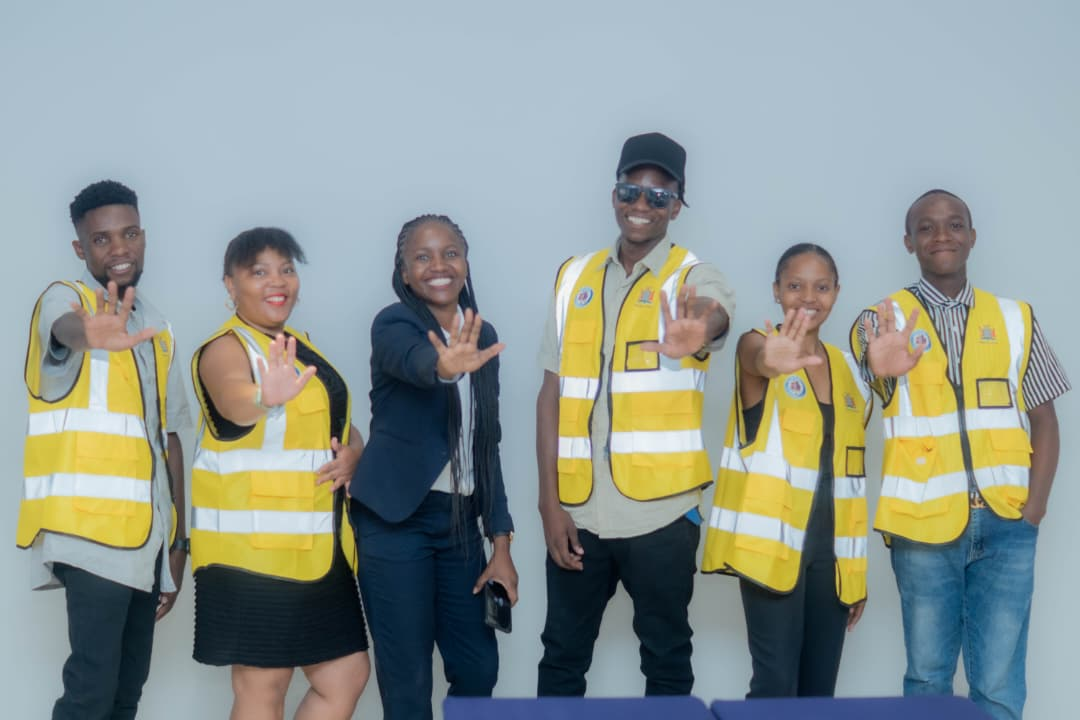
Photo: Kachusha Nkosha mentoring the youth WASH Ambassadors Club – the first WASH Club in Zambia led by youths.
To join RWSN and be informed about the next round of the mentoring programme, please sign up here.
This is a guest blog by Alinafe Favour Kanyimbo, who participated as a mentee in the RWSN and Women in WASH 2025 Mentorship Program.
My name is Alinafe Favour Kanyimbo, a WASH passionate Malawian emerging professional with a background in Water Resources Management and Water Policy. Over the past few years, my academic and professional experiences have strengthened my commitment to advancing sustainable water and sanitation systems that improve community well-being, especially for women and youth. Earlier this year, I had the privilege to participate in the RWSN and Women in WASH 2025 Mentorship Programs, an enriching journey that ran from April to September 2025 and profoundly shaped my professional and personal growth.
When I joined the mentorship program, I was enthusiastic to broaden my understanding of women in WASH, leadership, and professional development within the WASH sector. I was also looking for direction on how to channel my growing passion for inclusive WASH and Menstrual Hygiene Management (MHM) into meaningful action. I was paired with Mr. Sylvester Vungu, an experienced WASH professional whose leadership and dedication to community-centered development greatly inspired me.
From our very first interaction, my mentor encouraged me to reflect deeply on my career goals and to identify the specific areas I wanted to strengthen. Through consistent conversations, he shared valuable guidance on navigating career pathways, building confidence, and enhancing professional visibility. His mentorship also highlighted the importance of leadership grounded in empathy, collaboration, and service, lessons that resonated strongly with my own vision for community empowerment.
One of the most impactful aspects of the mentorship was our discussion on gender inclusion and women’s participation in the WASH sector. I came to appreciate how meaningful engagement of women in decision-making processes can transform not just water and sanitation outcomes but entire communities. Reading articles from different countries, I appreciated the efforts by different organizations like World Vision to promote MHM, especially in rural areas and schools. These reflections reinforced my dedication to championing inclusive WASH approaches that prioritize the needs, voices, and dignity of women and girls.
The regular sessions, knowledge-sharing events, and peer exchanges allowed me to learn from diverse perspectives and discover innovative solutions that can be adapted to local contexts in Malawi.
As I look back, the RWSN and Women in WASH Mentorship Programme has been more than just a professional development opportunity; it has been a journey of rediscovery and empowerment. It has strengthened my belief that when women are supported, mentored, and included in WASH initiatives, communities thrive, and sustainability becomes attainable.
As I move forward, I am motivated to keep contributing to the development of equitable, resilient, and gender-responsive WASH systems, ensuring that no one is left behind. I remain deeply grateful to my mentor, Mr. Sylvester Vungu, for his timeless support, encouragement, and wisdom throughout this transformative journey.
Author Bio
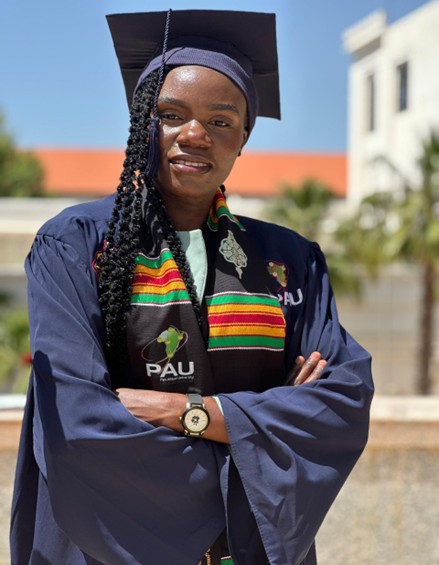
Alinafe Kanyimbo is a water and sanitation professional from Malawi with a Master of Science in Water Policy from the Pan African University Institute for Water and Energy Sciences (PAUWES). She is passionate about gender inclusion, climate resilience, and sustainable WASH systems that empower communities and promote equity.
To join RWSN and be informed about the next round of the mentoring programme, please sign up here.

 Rural Water Supply Network - blog