First published on the CAWST blog, reposted with thanks
The goal: ensure availability and sustainable management of water and sanitation for all by 2030. The task at hand, right now: learn quickly from failure and share lessons learned.
Scaling-up of WASH service coverage will require a focus on both affordable infrastructure and enabling environments. CAWST and the SMART Centre Group are focused on both through capacity development of local providers of WASH products and services. As part of this work, both groups have been following the model of establishing and supporting local centres of WASH expertise. Each centre is unique, housed in an existing in-country organization and provides capacity development services on technical and non-technical WASH solutions and approaches. Between us, we have a combined 22 years of testing this approach. We can unequivocally say that it is a key part of achieving SDG 6, and we have come together to share our key lessons learned:
Lesson 1: Local WASH centres are worth the long-term investment
- Long-term follow-up support after training is vital to effective capacity development of an individual, especially in the case of entrepreneurs, who often encounter business challenges.
- Locally embedded centres can reach people that an external organization cannot: Grounded networks, know-how, and understanding of the context are invaluable and not replicable. Engrained local organisations are a rich source of endogenous best, second best, and worst practices.
CAWST’s Water Expertise and Training (WET) Centre in Afghanistan, housed in the Danish Committee for Aid to Afghan Refugees (DACAAR), was the first WET Centre to become functionally and financially independent, due to high demand for capacity development in the country and an inability of external organizations to supply much of that demand. From 2011-2015, over 1 million community members benefitted from WASH projects implemented by the centre’s 1,378 clients.
Lesson 2: Create enough critical mass and identify leaders at various levels
- The commitment of the centre’s personnel is critical, yet challenging. Especially in the context of informal systems within developing countries where personnel turnover is high, developing the capacity of many to ensure enough critical mass of expertise over time.
- Look for the entrepreneurial spirits and provide long-term coaching. Sustained business is essential: entrepreneurs need to sell their products and services profitably, so they will continue even if the centre ceases to exist – the concept of profit-based-sustainability.
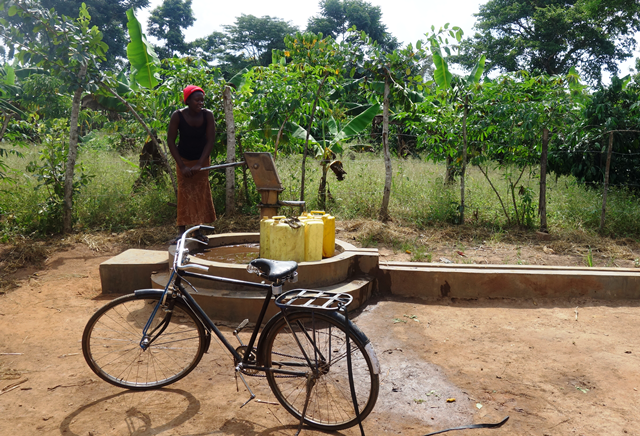
More than a decade ago, the Southern Highlands Participatory Organisation (SHIPO) started accelerating access to WASH products and services by working relentlessly on capacity development and coaching of the private sector. There are now more than 40 small local companies who have produced over 3,000 wells, 11,000 rope hand pumps, and other SMARTechs throughout the country. SHIPO was the first WASH Centre of expertise within the SMART Centre Group. Key to its success has been its focus on market-based technologies and the promotion of (supported) self-supply (household wells).
Lesson 3: The host organization must meet certain quality standards
- The local host organization leadership’s commitment to the vision is critical.
- Look for champions within the host organization – someone with the passion and network to make change happen, situated within an enabling environment (or with the ability to create an enabling environment). A champion must be able to effect change within institutional or structural limitations.
- A base level of organizational capacity is necessary to develop technical and training capacity.
CAWST’s WET Centre in Zambia, housed in the Seeds of Hope International Partnerships organization, has adopted the model of training existing networks of community sales agents in WASH topics to increase implementation of a range of healthy home products while earning an income.
Lesson 4: Flexibility is key
- All stakeholders must share the willingness and ability to be flexible: A WASH centre needs to have an innovative, entrepreneurial spirit. WASH Centres need to be able to adapt to sector needs and trends.
- Innovation and capacity development -not only in technology, but also in marketing and other business skills- is essential. A centre needs to pursue various channels to generate income, like selling training and consulting support and implementing projects.
In Tanzania, VETA (The Vocational Education and Training Authority) has included the rope pump in its curriculum based on the cooperation they have with the SHIPO SMART Centre. They are also planning to add manual drilling in the near future.
Lesson 5: Engage with local networks
- If the centre is represented and active in relevant networks, it will increase legitimacy and business opportunities. Be innovative in how you integrate the centre into these networks – seek to add value and establish a fundamental niche service.
- Being part of an international network such as WET Centres and SMART Centres increases knowledge exchange, learning from each other and innovation.
- Linkages to the formal education sector, vocational training, and employment standards (e.g. job profiles) should be made where possible. To support scale-up and sustainability of impact it is critical to get the knowledge and expertise embedded in national (vocational) training curricula.
Locally embedded knowledge and skills as well as pursuing innovative and affordable approaches such as training local private sector actors are essential to reach water and sanitation related development goals. CAWST and the SMART Centre Group will continue to apply these lessons and spread practice in the sector around establishing local education and training centres.
About the authors
The SMART Centre Group is a network of endogenous WASH training centres in Tanzania, Malawi, Mozambique and Zambia, with additional centres starting up in Ethiopia, South Sudan, Niger and Nicaragua. SMART stands for Simple, Market-based, Affordable and Repairable Technologies. SMART Centres train technicians in production and maintenance of SMARTechs and coach entrepreneurs in business skills like marketing so that they can deliver WASH products and services to a range of customers.
CAWST is a Canadian charity and licensed engineering firm that acts as a global centre of expertise in WASH capacity development. CAWST addresses the global need for safe drinking water and sanitation by developing local knowledge and skills on simple, affordable solutions that people can implement themselves. To reach more people and to ensure that knowledge and skills are truly retained locally, CAWST partners with existing in-country organizations to create Water Expertise and Training (WET) Centres that deliver CAWST-like capacity development services of their own. Independently of CAWST, the seven WET Centres across 3 continents have provided services to 658 client organizations whose projects have reached 3.7 million people with better water or sanitation.
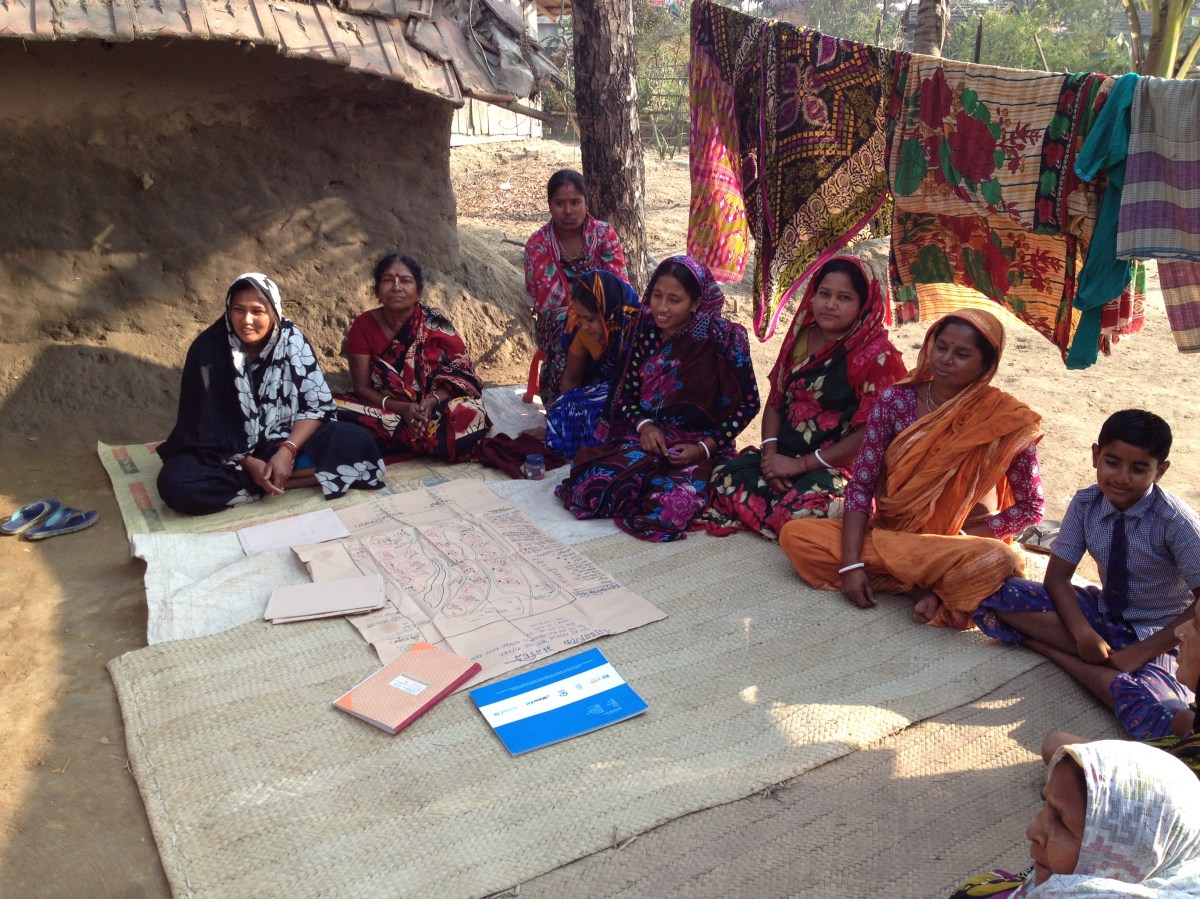
Photo credit: CAWST (2018)





 Rural Water Supply Network - blog