Nurturing Professional Growth in the WASH Sector

by Lisa Mitchell, Senior Director of Learning Services, Global Water Center, re-blogged from the Global Water Center

Mentoring plays an important role in the Global Water Center’s (GWC) strategy to offer ongoing support to our clients. We know that training is just the first step in learning new knowledge and skills. To consolidate new competencies, ongoing support is necessary. Mentors are well placed to provide this support.

This year, GWC trialed a new strategy to support the graduates of our solar powered water systems (SPWS) training: we paired with the Rural Water Supply Network’s (RWSN) Mentoring Program, to offer SPWS alumni mentoring support. We also supported RWSN’s general mentoring stream, so they could extend it to a broader pool of WASH professionals.

As part of these activities, I had the privilege of becoming a mentor to three mentees, from very different corners of the world: India, Côte d’Ivoire, and Switzerland. I believe I learned more from my mentees than they likely learned from me!

I met with the mentees once or twice per month over the last six months. During our exchange, I reviewed my mentees resume, journal submissions, and even a PhD application. We discussed behaviour change and educational theories and considered innovative approaches to their work. From them I learned about a range of topics from measuring the transfer of agrochemicals into groundwater to involving communities in groundwater recharge initiatives. I also discovered new WASH organizations and initiatives.

The beauty of these relationships is that they evolved according to the mentees’ needs. No two meetings were the same, and each meeting brought out new learning and ideas. I also formed a strong relationship with three people I would not have met otherwise, and I’m confident we will continue to support one another in our professional journeys moving forward.

In the coming months we will share the evaluation from the SPWS stream of the mentoring program. For now, I believe that the mentees from this stream of the program gained at least as much as I did from the program.

Interested in becoming a mentor or mentee yourself? Considering signing up for RWSN’s mentoring program. Details of next year’s program will be released in early 2024.

My experience with the RWSN Mentoring Programme

This is a guest blog by RWSN mentee Beatrice Kyomuhendo (Uganda) and RWSN mentor Eng. Cornelius Mpesi (Malawi) who took part in the 2023 RWSN Mentoring Programme.

Mentee’s Thoughts

My name is Beatrice Kyomuhendo, I am a WASH Technical Assistant at The Water Trust in Uganda. The Water Trust is an organization that aims at empowering the poorest rural communities in Uganda by providing clean water and healthy homes for children and their families to thrive.

I found out about RWSN through my supervisor Mr. Enock Obwon Gmuipe who shared information about the RWSN Mentoring Programme. After filling out the application, not knowing what exactly the outcome was going to be, I received an email from Eng. Cornelius Mpesi requesting to be my mentor.

Eng. Cornelius Mpesi is a mechanical and water engineer registered with the Malawi Engineering Institution (MEI) and working with Water Mission. I went through his profile, and I was very surprised at how someone willingly offers to share their knowledge at zero cost. I accepted the request, and we scheduled our first meeting. During the first meeting, we set our targets, objectives, expectations, mode of communication, convenient time for meetings and also signed the mentoring agreement. We were the first mentor and mentee to sign the mentoring agreement.

The most interesting bit of this mentoring programme is that, at the time, we were starting on our first piped water project as an organization and Eng. Cornelius was of great help to me throughout the whole project. The first assignment he gave me was to pick coordinates from our proposed source and where we planned to construct the public stand posts. This is what we used during our classes on Google Earth and EPANET. He took me through pump sizing and solar sizing basing on our project. This made work so interesting as I was always eager to go to the field and practice what we discussed in our previous classes and would also be eager to get back to my mentor with feedback on what transpired in the field.  

Eng. Cornelius has encouraged me to register with the Uganda Institution of Professional Engineers (UIPE) and helped me appreciate and utilize LinkedIn to its full capacity.

I see many benefits in my experience with the RWSN Mentoring Programme:

  • Gained skills in solar sizing, pump sizing
  • Learned to use Google Earth and EPANET
  • Appreciated the use of LinkedIn
  • Was encouraged join the UIPE.
RWSN Mentor Eng. Cornelius Mpesi

Mentor’s Thoughts

I saw the call for mentors and mentees on RWSN LindedIn page since I am a frequent user. I quickly signed up, and as I was searching for profiles of people with similar interests in my field, Beatrice’s profile sparked my interest. I looked through it and thought to myself that there is an opportunity for me to share the little I know with someone who is eager to learn. We linked up and had our first meeting to discuss the areas in which I could help. We communicated frequently through various platforms like WhatsApp, Google Meet and Emails. From the interactions we had, I saw someone who is willing to learn and is very inquisitive. Sometimes she would nudge me with a bunch of questions which I am glad I was able to answer and assist with. This experience helped me to be a better tutor. Knowing something is one thing, but knowing how to explain it to someone so they understand it, is a totally different thing altogether. I am glad I was able to help Beatrice shape her career, and I have no doubt she will take off and keep soaring higher.

To join RWSN and be informed about the next round of the mentoring programme, please sign up here.

Pouring hope or pouring doubt – Navigating the aftermath of disasters in coastal Bangladesh

by Afsana Afrin Esha, REACH Research Associate and PhD student at Durham University, re-blogged from REACH

Every year, the southwestern coastal zone of Bangladesh faces weather-related disasters, worsening a perpetual drinking water crisis. Cyclone Sidr in 2007 and Cyclone Aila in 2009 caused widespread destruction. While people were still recovering, Cyclone Amphan caused heavy damage to infrastructure and contamination. Saltwater intrusion due to cyclones and storm surges is having devastating consequences on groundwater and freshwater resources. Different water treatment options and alternative strategies are being applied by the local government institutions, NGOs and aid agencies, whilst informal or small water service providers too, are on the rise, addressing critical gaps in public investments in the rural water sector. However, in the face of rising climatic changes along with other socio-political factors, water shortages persist. In this short piece, I portray the effects of disaster on drinking water sources to understand the nuances of climate resilience.

Continue reading “Pouring hope or pouring doubt – Navigating the aftermath of disasters in coastal Bangladesh”

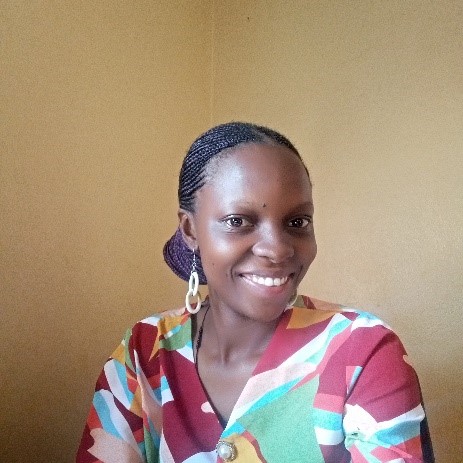
Making the Sum of All (WASH) Knowledge Freely Accessible: An interview with Elisabeth Von Muench

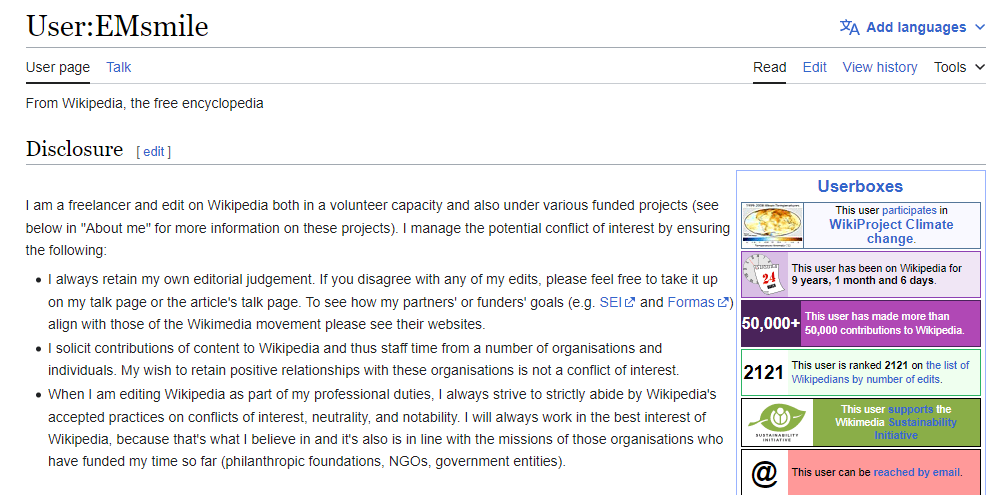
Paresh Chhajed-Picha interviews Elisabeth von Muench, former moderator of the SuSanA discussion forum and a dedicated Wikipedia editor. With over nine years of editing experience and nearly 50,000 edits to her name, she ranks among the top 2,000 editors globally for the English Wikipedia. Through volunteer work and paid assignments, she has improved and written numerous Wikipedia articles on WASH, climate change, and SDGs. In this interview, Elisabeth explains her motivation, the need for wider participation in editing Wikipedia articles, and the challenges in doing so. 

Re-blogged from SuSanA

Continue reading “Making the Sum of All (WASH) Knowledge Freely Accessible: An interview with Elisabeth Von Muench”

My Mentee Journey in the RWSN Mentoring Programme

This is a guest blog by RWSN mentee RAKOTOARIMANANA ZY Harifidy and RWSN mentor Sean Furey who took part in the 2023 RWSN Mentoring Programme.

Who am I?

My name is RAKOTOARIMANANA ZY Harifidy, from Madagascar. Currently, I am a Ph.D. candidate at the Interdisciplinary Center for River Basin Environment (ICRE), University of Yamanashi in Japan. My research focuses on water resources assessment of the Major River Basins in Madagascar (MRBM) in the context of global change. Before coming to Japan, I worked for an NGO involved in the water, sanitation, and hygiene (WASH) sector in Madagascar.

What is the Rural Water Supply Network (RWSN) Mentoring Programme?

I first learned about this program on my LinkedIn while I was searching for a mentorship or fellowship opportunity in the WASH sector. It turned out to be the RWSN Mentoring Programme, which enables professionals in the WASH sector to collaborate, advance their careers, and learn from one another. This program specifically supports mentees who are starting their careers or going through career transitions. It is important to note that this program is free and open to the public for a duration of 6 months. Thanks to the Pushfar platform, I could easily schedule appointment slots, monitor the progress of my mentoring relationship, and engage in online conversations with my mentor. For more information, please visit this website.

How was my experience as a mentee?

My journey as a mentee began when I found Sean Furey, the Director of RWSN Secretariat through the PushFar platform and he accepted my request on 15 May 2023. I am grateful and honored to have him as my mentor. I was in my second year of my doctoral program, uncertain about my next steps, and in need of direction. Therefore, Sean became the guiding hand I was looking for.

My objectives for joining this program were to receive feedback about my research project and to learn from my mentor’s experience and expertise in the WASH sector. I also want to improve my communication skills, particularly in presenting research findings and networking. I would like to get some advice on my future career development. These are my goals from this mentoring process.

During my mentorship, we had five one-on-one meetings scheduled once a month for 1 hour. Sean shared his experience and knowledge about the WASH sector with me. I have learned from his insights and perspectives.

  • 9 June 2023: During our first conversation, I talked about my goals and my expectations for the mentorship program. Upon Sean’s introduction, I was greatly inspired by his professional journey in the WASH sector, which I found to be particularly motivating for young people like me. Since I was uncertain about my post-graduation plans, Sean elucidated various career options for Ph.D. students. He asked about my dream job, which I regarded as a pivotal factor in selecting my career path. He also provided insights and comments related to my research.
  • 23 June 2023: I rehearsed my presentation for the SWAT conference in Denmark alongside Sean. As this marked my first experience at an international conference, I felt somewhat anxious and had concerns about my proficiency in English. Sean provided constructive feedback on how to effectively communicate my research findings to a non-academic audience, offering valuable tips and guidance to enhance my presentation slides for better audience comprehension. Thanks to his advice, my conference presentation was successful. Importantly, I honed both my presentation and networking abilities in the process.
  • 11 August 2023: Sean reviewed my CV and provided valuable guidance for proactive job hunting. He recommended that I prepare two distinct versions of my CV. One focused on my academic achievements, including qualifications, grants, fellowships, awards, research experience, and publications; and the other was tailored for a professional context, emphasizing work experience, responsibilities, deliverables, evidence of teamwork, and engagement within and outside the organization. Sean also emphasized the importance of including a brief motivational paragraph in my CV. Furthermore, he connected me with some amazing African women in the WASH sector so I could look at their career paths.
  • 15 September 2023: We focused on the review and completion of my CV. Sean provided guidance on writing a cover letter and preparing for job interviews. Moreover, he shared his own experiences, including insights from his initial interview and how he secured the job. He recommended that I practice with my friends and lab mates. An additional advantage of having Sean as my mentor is the opportunity to improve my English language skills by conversing with a native speaker.
  • 14 November 2023: In our last meeting, we talked about the results of the mentorship program and exchanged feedback. During this mentorship, I joined the RWSN Young Professionals which is an interesting platform for networking and receiving information about events, seminars, and job opportunities in the WASH sector. I was happy that I joined this program and I decided to keep in contact with my mentor through LinkedIn.

Overall, this mentorship program is a valuable journey for me. I strongly recommend this program to every Ph.D. student and young professional in the WASH sector, who wants to shape their career and personal development. I believe that my participation in this program would have a positive impact on my future career. I forged a strong international contact network. I sincerely thank my mentor, Sean Furey, for his advice, tutelage, and precious time during the program. I am also grateful to the RWSN Secretariat for their support since the beginning of the mentoring program.

My Mentor`s comment

Zy Harifidy Rakotoarimanana is a promising Ph.D. student who is quietly confident and determined to achieve her goals of working for an international organization in a water resource role. Our mentoring calls helpfully focused on specific topics that she chose. Over the course of the mentoring meetings, we explored her career ideas, aspirations, and some possible pathways. Working together on her presentation and CV helped her think about how to communicate clearly to different audiences about herself and her expertise and work. Being in her second year of Ph.D. she still has time to explore and reflect on what she wants from a career, and I encourage her to be brave and persistent! I will be following her career with interest.

To join RWSN and be informed about the next round of the mentoring programme, please sign up here.
RWSN at the REACH Conference – Within reach: a water secure world 

The RWSN secretariat team (Sean, Meleesa and Aline) participated in the REACH conference (20 to 22 September), and the REACH internal meetings that preceded.

RWSN has been a knowledge broker for the REACH programme since its inception. This has included support to translate research into practice, including the delivery of several publications, such as a global diagnostic survey to evaluate the status and prospects of rural water service providers for results-based funding and a study on the evolution of rural water policy in francophone West Africa.

At the conference and internal meeting, RWSN was involved in:   

  • a session of the internal meetings on “REACH Exit Strategy: Planning activities and delivering impact”; in the session, participants took stock of the impact pathways and engagement activities of the Programme. Challenges and best practices were discussed, as well as the implementation of REACH’s Exit strategy.  
  • We co-led the the organisation of a session on innovative service delivery models to address rural water service delivery models to address rural water risks along with Dr Johanna Koehler, with case studies from Kenya, Bangladesh and West Africa.
Continue reading “RWSN at the REACH Conference – Within reach: a water secure world “

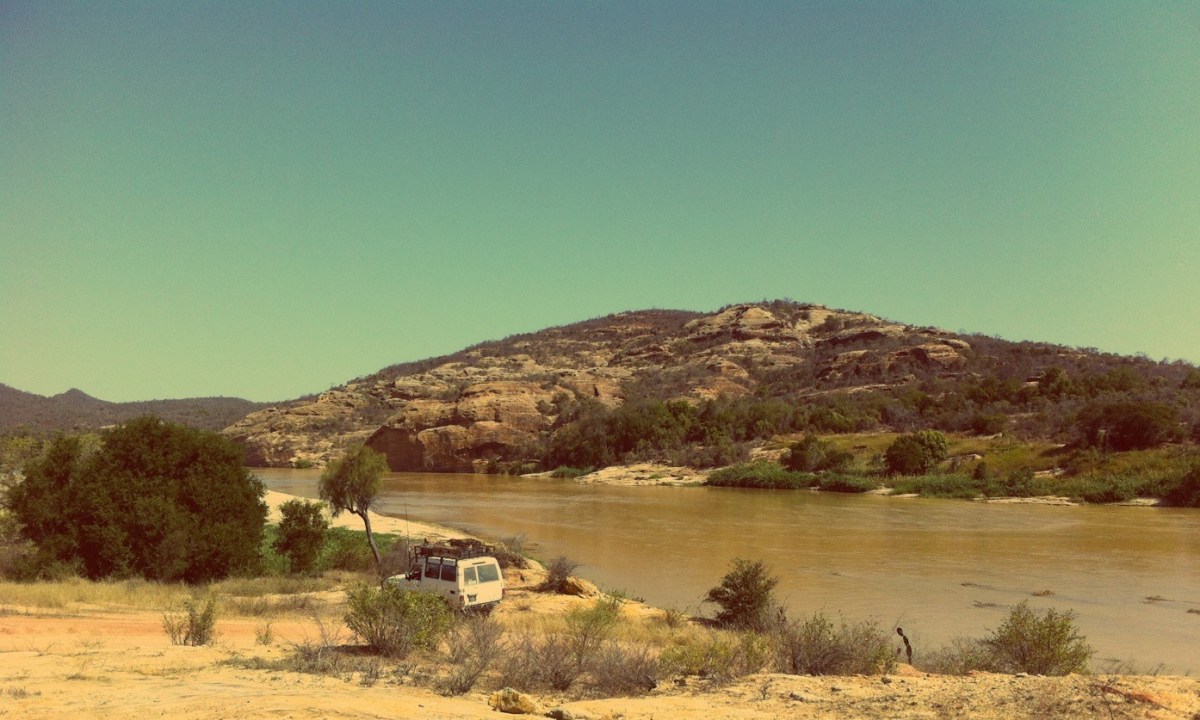
Hydrogéologie du Sud de Madagascar: nouvel outil cartographique

BushProof Sàrl, mettant à profit une expérience de travail de plus de 15 ans dans le Sud de Madagascar, appuyé par deux hydrogéologues de la Direction du Développement et de la Coopération (DDC), s’est proposé de travailler de manière appropriée sur la connaissance des aquifères des régions du Sud de Madagascar. Ensembles, ils ont financé et créer un outil cartographique afin d’améliorer la connaissance du fonctionnement des eaux souterraines dans le Sud de Madagascar. Cet outil a été réalisé en 2023.

Le Sud de l’île de Madagascar connait, depuis plusieurs années, des périodes prolongées de sécheresse. Les populations locales grandissantes y ont aujourd’hui un accès très restreint à l’eau, ce qui engendre des conditions de vie dégradées. Pourtant, d’importantes d’eau transitent dans cette zone via des aquifères dont le fonctionnement reste mal connu.

Continue reading “Hydrogéologie du Sud de Madagascar: nouvel outil cartographique”

Hydrogeology of southern Madagascar: new mapping tool

BushProof Sàrl, drawing on more than 15 years’ experience of working in southern Madagascar, supported by two hydrogeologists from the Swiss Agency for Development and Cooperation (SDC), set out to work in an appropriate way on knowledge of aquifers in the regions of southern Madagascar. Together, they financed and created a mapping tool to improve knowledge of the functioning of groundwater in southern Madagascar, which was completed in 2023.

The south of the island of Madagascar has been experiencing prolonged periods of drought for several years. The growing local populations there now have very limited access to water, leading to deteriorating living conditions. However, large quantities of water flow through this area via aquifers whose functioning remains poorly understood.

Continue reading “Hydrogeology of southern Madagascar: new mapping tool”

Que peut apprendre le secteur de l’eau rurale de l’expérience de l’Afrique de l’Ouest francophone ?

De nombreux pays cherchent à développer les services d’eau en milieu rural et à améliorer les niveaux de service pour les habitants des petites villes et des zones rurales en investissant dans des réseaux d’eau décentralisés et de petite taille. L’Afrique de l’Ouest francophone a une longue histoire de délégation des services d’eau potable (généralement des petits réseaux) dans les petites villes et les zones rurales à des opérateurs professionnels, qui peuvent être des associations publiques ou des opérateurs privés.

Le Secrétariat du RWSN, en partenariat avec le programme REACH, a passé l’année passée à enquêter sur l’expérience de la délégation des services d’eau et les moteurs des récentes réformes de la politique de l’eau potable en milieu rural dans plusieurs pays d’Afrique de l’Ouest francophone. Nous avons réalisé une étude documentaire détaillée et parlé à 25 experts du secteur de l’eau en milieu rural dans la région pour comprendre pourquoi et comment les réformes des politiques d’eau potable en milieu rural se sont produites, et quelles leçons peuvent être tirées des diverses expériences de délégation des services d’eau potables en milieu rural à des opérateurs professionnels.

Continue reading “Que peut apprendre le secteur de l’eau rurale de l’expérience de l’Afrique de l’Ouest francophone ?”

What can the rural water sector learn from francophone West Africa?

Many countries are looking to expand rural water services and improve service levels for people living in small towns and rural areas by investing in small, decentralised piped water services. Francophone West Africa has a long history of delegating water services (usually piped) in small towns and rural areas to professional operators, both public and private.

The RWSN Secretariat in partnership with the REACH programme spent the last year investigating the experience of the delegation of rural water services and the drivers behind recent rural water policy reforms in several countries of francophone West Africa. We did a detailed desk review, and spoke to 25 experts in rural water sector in the region to understand why and how rural water policy reform happened, and what lessons can be drawn from their experiences in delegating rural water services to professional operators.

Continue reading “What can the rural water sector learn from francophone West Africa?”