
This is a guest blog by RWSN member Kirsten de Vette.
Capacity development plays a pivotal role in fostering sustainable progress towards ensuring availability and sustainable management of water and sanitation for all. This article presents several striking findings stemming from several recent capacity assessments and capacity development reviews I was involved in over the past three years. Tackling these issues will have transformative impact on the water, sanitation, and hygiene and development sectors, whilst the required effort is expected to be relatively low.
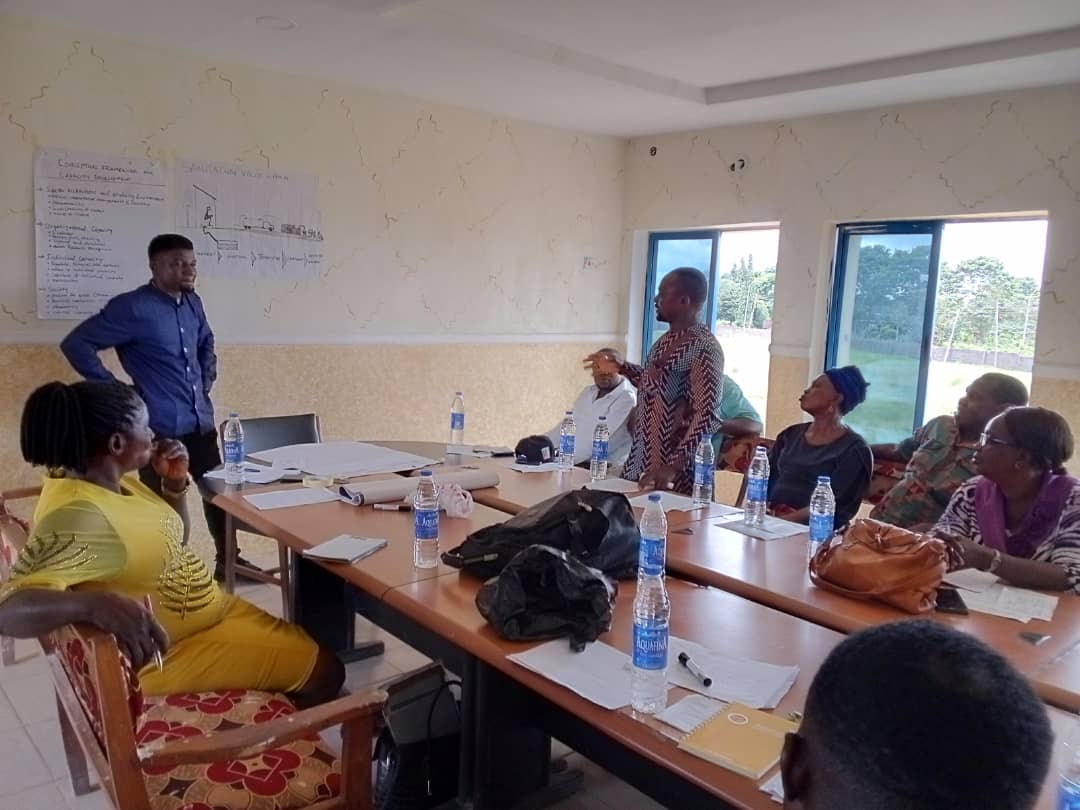
Photo 1: WASHPaLS#2: Focus Group Discussion Jigawa Nigeria. Photo credit Nanpet Chuktu
Finding 1: There is misalignment on what capacity means
There are diverse definitions and interpretations of this concept, which can impede effective implementation of interventions. Some speak of institutional capacity (enabling environment and organizational capacity), others speak about individual capacity (skills, competencies, abilities), and others only address the organizational capacity (knowledge management, leadership, systems etc) itself. This has a knock-on effect on what capacity development means. For some it is simply looking at the education of new professionals (i.e. TVET, universities). Others only equate the term capacity development with training, and others may indicate it is strengthening institutions (i.e. systems, policies etc.).
Very few stakeholders interviewed incorporate all four levels of capacity (enabling environment, organizational, individual, and society)[1] in their thinking. Many even seem to neglect the broader issues affecting capacity, such as workforce development and sustainable employment.
On top of this the terms capacity – building, – development and – strengthening are now used interchangeably to describe the process of increasing capacities. In academic literature the first two are explored and do in fact mean something different. The third is used by some to overcome a certain level of tension on the terminology inherited from the history of capacity development (will be described in following blog).
To address this, we need to develop a common understanding among stakeholders in water, sanitation, and or hygiene (perhaps broaden to include all development work) on what capacity means, and what effective capacity development then entails. This will create a solid foundation for future endeavours and collaboration.

Photo 2: WASHPaLS#2: Field visit Bihar India. Photo credit: Anand Shekhar
Finding 2: Addressing the Job Shortage Dilemma
Strengthening capacity and education alone may not be sufficient if there is a lack of suitable job opportunities. While the importance and shortages of human resources have been identified (IWA, 2014; GLAAS 2012/ 2014/ 2017/ 2022; World Water Development Report, 2016; forthcoming USAID WASHPals#2), the existence or development of corresponding employment opportunities cannot be guaranteed.
The labor market, especially for rural sanitation, is largely reliant on (I)NGOs, or Development partners, who are normally in place on project basis. Where positions are present in the public sector, they are shared with other responsibilities (e.g. water, solid waste, building & constructions and or others) that are of higher priority. The positions in the informal private sector are dependent on demand (and or projects) and often do not (yet) guarantee full-time employment in the long run.
To address this, we need to address sustainable employment, and create avenues for career growth in the sectors. This can be supported by raising awareness about the need for job creation (and investment), but also by developing the proper policies, mandates and incentives that justify stakeholders to create the needed jobs.
Finding 3: Coordination and Communication gaps
There is insufficient coordination and communication among capacity development providers, development partners, and sector actors. The education sector often struggles to meet the needs of the WASH sector, while the sector itself is unable to effectively communicate its requirements. It was also highlighted by several key informant interviews in country studies that INGOs/ development partners working at country level often fail to coordinate (all of) their capacity development efforts (the forthcoming USAID WASHPaLS #2). This results in overlapping interventions in certain regions while leaving others with inadequate support.
We need to make capacity development a collaborative endeavour. By integrating capacity development (jointly defined as per finding one) and in particular workforce development into the narrative, and into the national review meetings and or Water, Sanitation and or Hygiene plans. But also, by developing a platform for stakeholders to engage in dialogues and share insights on how to develop the needed workforce and supporting structures to deliver the country’s plans. By fostering collaboration and shared responsibility, we can harness the collective expertise and resources to enhance capacity development outcomes.

Photo 3: WASHPaLS#2: Validation workshop, Accra Ghana. Photo credit Bertha Darteh
Finding 4: Persistent challenges in capacity development efforts
Beyond, the higher-level findings (1-3), there are also persistent challenges in capacity development interventions themselves. The most important ones are:
- Mismatch supply and demand: This can be caused by focus on what supply has on offer rather than soliciting what the audiences need.
- Time Constraints and Limited Application: Capacity development initiatives often fall short in allocating sufficient time for participants to fully engage in the learning process and apply acquired knowledge to their work. This issue is compounded when training or workshops disrupt regular duties, compelling participants to tackle additional workload.
- Narrow Focus and Overemphasis on Training: Capacity development is still frequently equated solely with training. This neglects other ways of (adult) learning that have already been recognized by the education sector and (adult) learning specialists. This limited perspective also fails to address broader aspects such as organizational structures, enabling environments, and societal factors that significantly influence capacity development outcomes.
- One-Size-Fits-All Approach: Many capacity development efforts suffer from a lack of consideration for the diverse target audiences involved, including politicians, managers, and technicians. Recognizing the unique interests, needs, and learner preferences of each group is pivotal in designing tailored interventions that foster meaningful impact.
- Unidirectional Learning: Traditional capacity development activities often fail to harness the valuable expertise and input of participants. By disregarding the insights of practitioners and experts during the design and implementation of programs, the potential for an inclusive and collaborative learning environment is undermined.
- Lack of (long-term) capacity development strategy: Many capacity development efforts lack a comprehensive strategy (also referred to as design) capturing the outcomes, outputs, objectives, audiences, learning methods approaches, actions at the four levels of capacity, and evaluation of the intervention. In addition, and relevant for our sectors with high turnover rates, is strategizing for the retention and utilization of acquired learning and knowledge through knowledge management practices.
- Insufficient Knowledge of Effective Practices: A lack of information on successful but also failing capacity development practices poses a significant challenge to the advancement of this field. Collecting data on impact and application is essential to identify and share evidence-based strategies, enabling continuous improvement and enhanced effectiveness.
Every capacity development intervention needs to check these points and address them accordingly.
Guiding Principles for Effective Capacity Development:
Building upon the identified four challenges there is a need for overarching guiding principles for effective capacity development.
- Time and Application: Allow sufficient time for learning and provide opportunities for participants to apply their knowledge in their work. Consider local governance, mandates, and roles to minimize disruptions and extra workload.
- Holistic Approach: Expand the scope of capacity development to address multiple levels of capacity, including individual, organizational, enabling environment, and society. Incorporate diverse learning methods, such as peer-to-peer interactions, virtual tours, mentoring, communities of practice, and working groups.
- Tailored Solutions: Recognize the unique interests, needs, and approaches of different target audiences. Develop customized capacity development activities that align with specific requirements.
- Engage Specialists: Involve practitioners and experts in the design and implementation of capacity development programs. Their expertise will ensure a comprehensive design that considers different audiences, learning methods, and impact measurement.
- Inclusive Learning Environment: Value the input and expertise of participants to create an inclusive and collaborative learning environment.
- Evidence-based Approach: Emphasize the importance of measuring impact and collecting effective capacity development practices. This data-driven approach enables continuous improvement and knowledge sharing.
- Learning Mindset: Foster a culture of sharing experiences, success stories, failures and lessons learned to encourage ongoing learning and adaptation
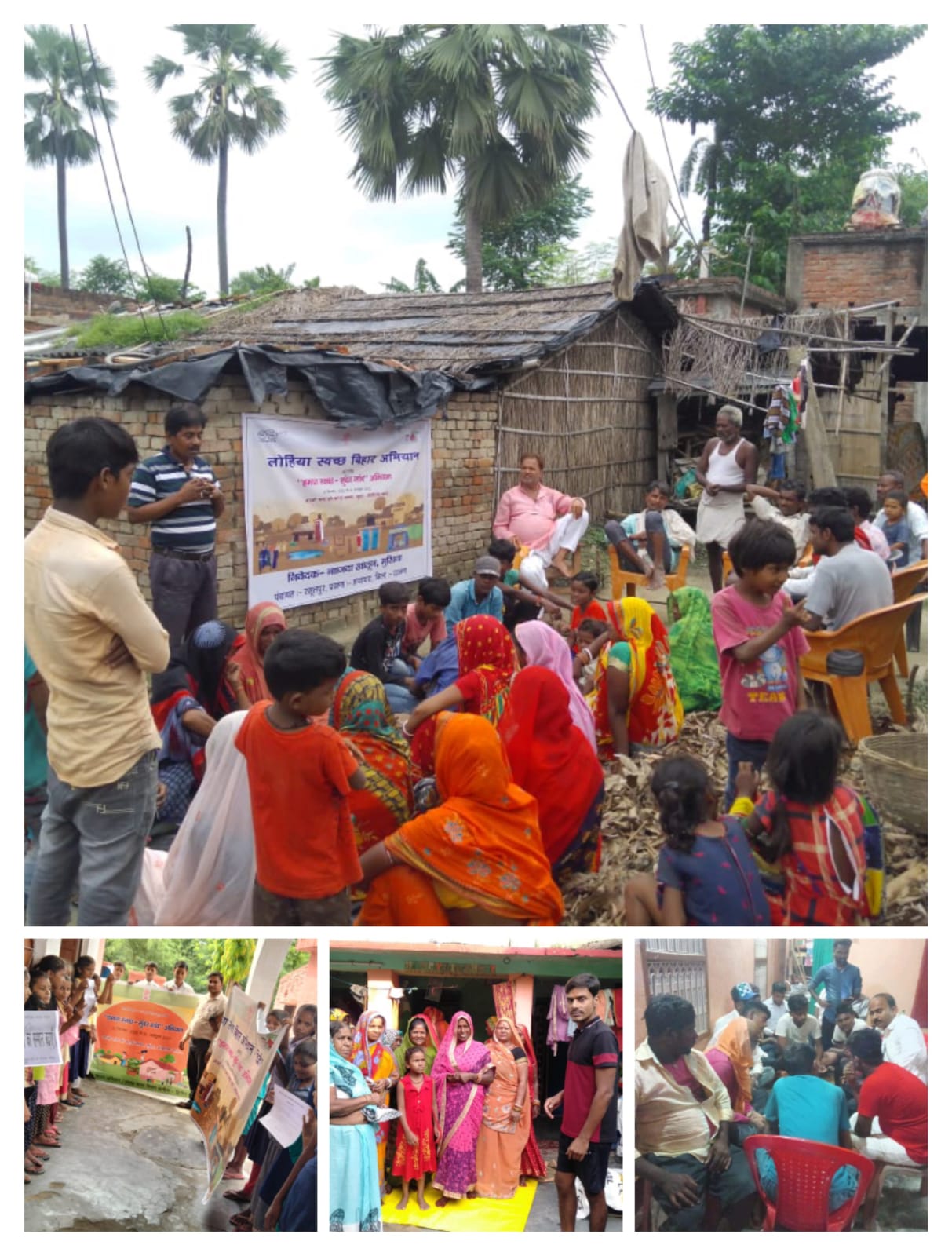
Photo 4: WASHPaLS#2: Focus Group Discussions, Bihar India. Photo credit Anand Shekhar
By embracing these guiding principles, stakeholders involved in capacity development can address common errors and enhance the effectiveness of interventions in the water, sanitation, and hygiene sectors. Collaboration, coordination, and a shared vision are paramount in creating sustainable solutions and achieving meaningful impact. Let us, as water professionals and international development professionals, strive for innovative and context-specific approaches to capacity development that foster lasting change.
Do you have additional thoughts, ideas, or guiding principles to add? Reach out to me
Sources:
link to WASHPaLS 2: https://www.globalwaters.org/resources/assets/washpals-2-factsheet
link to one of Wateraid projects I worked on (the others are internal to WaterAid)
IWA. 2014. An Avoidable Crisis: WASH Human Resource Capacity Gaps in 15 Countries. [online] Available at: <https://iwa-network.org/wp-content/uploads/2015/12/1422745887-an-avoidable-crisis-wash-gaps.pdf>
UN-Water GLAAS. 2022. GLAAS 2021/2022 Survey Data. https://glaas.who.int/glaas/un-water-global-analysis-and-assessment-of-sanitation-and-drinking-water-(glaas)-2022-report
UN-Water GLAAS. 2014. Investing in water and sanitation https://www.unwater.org/publications/un-water-glaas-2014-investing-water-and-sanitation
UN-Water GLAAS. 2012. The challenge of extending and sustaining services https://www.un.org/waterforlifedecade/pdf/glaas_report_2012_eng.pdf
Lincklaen Arriëns, W. and Wehn de Montalvo, U., 2013. Exploring water leadership. Water Policy, 15(S2), pp.15-41.
UN World Water Development report. 2016. Water and Jobs. https://www.unwater.org/publications/un-world-water-development-report-2016
UNDP, 2008. Capacity Assessment Methodology User’s Guide. [online] Available at: [Accessed 23 February 2021]
About the author: Kirsten de Vette is independent consultant and facilitator working in water, sanitation, and hygiene (related) sectors for over 13.5 years. She is a sociologist with business background who connects people, facilitates knowledge and expertise exchange, facilitates partnerships, collaboration and or change processes and facilitates capacity assessment/ development. Her expertise is in capacity development, stakeholder engagement & facilitation of change processes and learning.
She wrote this blog to share recurring findings across her recent projects in the hope that it may support action in the future. The type of projects this blog is based on is 1) coordinating (or facilitated) the undertaking of capacity assessments at organizational, national and global level and 2) reviewing capacity development efforts (2020-2023). Over 300 grey and white paper reports were reviewed across these projects, 150 people directly interviewed, and 6 country capacity assessments coordinated (with 350 people). The author wants to thank WaterAid and Tetra Tech under USAID WASHPaLS #2 for these assignments and their openness for the findings to be re-used. To take these learnings forward, she will be approaching key actors in the water, sanitation and hygiene sector to engage on these capacity development principles, and will write follow-up blogs. Stay tuned on her website and on linkedin




 Rural Water Supply Network - blog