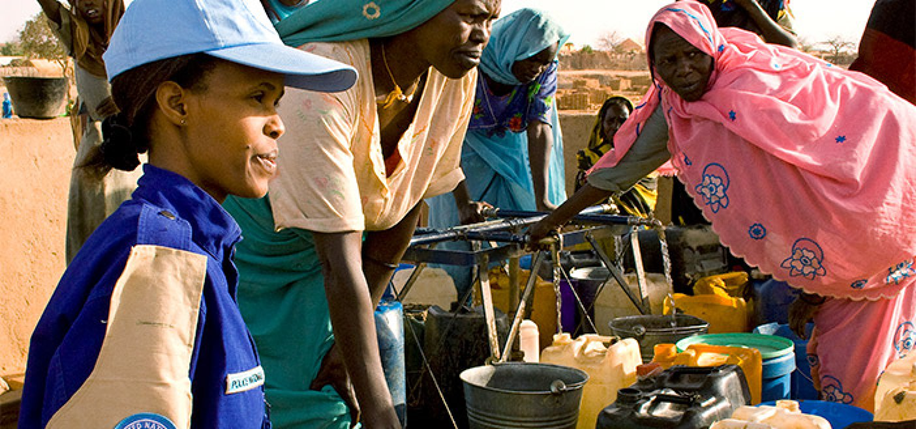
The UN WWDR 2026 shall serve as a vital resource, illustrating how global trends and phenomena are reshaping gender dynamics in societies around the world. The interplay between conflict, migration, and gender equity in WASH reveals stark realities. In regions afflicted by conflict and instability, women’s safety and access to essential services are severely compromised.
The plight of women in conflict zones is further exacerbated by migration. Women and girls face an increased risk of sexual and gender-based violence during conflicts. Yet, amid these challenges, women remain indispensable agents of change—actively participating in peace-building, conflict resolution, and post-conflict reconstruction. This resilience highlights the need to recognize and harness women’s potential for positive transformation in their communities.
Migration and its intersection and climate change also alters traditional gender roles and expectations, as families adapt to new environments; it presents opportunities for economic independence and education, empowering them to challenge restrictive gender norms. Still Migrant women often encounter exploitation, discrimination, and limited access to resources, underscoring the urgent need to address these barriers.
Corruption emerges as another formidable barrier to WASH and gender equity. It restricts women’s access to essential services and undermines their participation in leadership and decision-making processes, as demonstrated in weaponisation of water. U.N. Women has called for urgent action to protect Sudanese women and girls, emphasizing the need for accountability in addressing high levels of sexual violence and exploitation. “We cannot let Sudan become a forgotten crisis,” asserts U.N. Women’s Addou, highlighting the critical necessity for action in conflict-affected regions.
On my blog on Diversity in Water sector leadership I emphasise the concerning underrepresentation of women. A World Bank report highlights that less than 18% of the workforce in water utilities are women and that two-thirds of sanitation leaders are white according to a FLUSH LLC publication that I co-authored. This systemic inequity reflects deeper societal structures, suggesting that without diverse leadership, the water sector risks stagnation and failure in meeting SDG6 targets.
As the waves of time crash upon the shore of progress, a mighty force is rising. These waves carry the strength of female leaders, revolutionising the Water Sanitation and Hygiene (WASH) sector. To mark another milestone in the pursuit of a sustainable future, the upcoming United Nations World Water Development Report (UN WWDR 2026), will shine a spotlight on a critical yet oft-overlooked aspect of the global water crisis: the inextricable link between gender and water, illuminating a path towards a more sustainable and equitable future. UNWWDR 2026 is not merely an echo of problems, but an inspiring melody of change, empowerment, and sustainable future.
Alongside the progress, we also confront persistent gaps. Gaps that threaten to undermine our hard-won achievements, forming a path that recognizes the interconnected nature of WASH-related challenges and the need for inclusive solutions.
Terms like sex and gender may seem straightforward but their nuances hold profound implications for how we perceive and address WASH and gender issues. UNICEF definesSex as the biological and physical differences between women and men while Gender as socially constructed differences in attributes and opportunities associated with being a woman, man, girl, or boy and to the social interactions and relations between women and men. Woman refers to biological females according to UNOHCR. In my view this affirms the gap in the context of WASH statistics where WASH data is often disaggregated by sex, but rarely disaggregated by gender.
Imagine a world where the simple act of accessing safe WASH does not dictate one’s ability to attend school, earn an income, or live a life free from danger. A world where our mothers, sisters, and daughters are not disproportionately burdened with the responsibility of fetching water, but are empowered managers and change agents in WASH initiatives. For more than two billion people around the globe, particularly women and girls, this is a distant reality. The latest stark metrics reveal a concerning reality: despite progress, millions of women and girls worldwide still lack access to safe WASH services, hindering their empowerment, health, and economic opportunities. This world, although still a distant reality, is one we must strive for, beginning with a deep understanding of the water-gender nexus.
The gendered impact of inadequate WASH access is not just a reflection of biological differences, but a manifestation of socially constructed disparities. It serves as a stark reminder that water is not just a women’s issue – it’s a human issue and Graph 1 below illustrates these realities.
Graph 1 Proportion of households in which women, men, girls and boys are primarily responsible for water collection, by country, selected surveys where at least 10% of households collect water, 2012–2022 (%) Source UNICEF and WHO, 2023
UN Water’s dictum concurs and aptly captures that “Water is a human right, not a privilege,” this blog series embodies a bold commitment to upholding the rights of all.
The upcoming UN WWDR for 2026, aims to bridge this chasm by placing gender equity at the heart of WASH management and sustainability discussions. It stands as a pivotal blueprint for understanding the critical nexus between water and gender, presenting an urgent call to action for policymakers, practitioners, and stakeholders dedicated to fostering an inclusive, equitable, and water-secure world. By weaving together, a rich narrative of data, case studies, and expert insights, the report shall transcend mere enumeration of challenges to celebrate the resilience and ingenuity of women who are at the forefront of change within the WASH sector. It shall compellingly argue that embedding gender equality and social inclusion into water policy and practice is not just a moral imperative but a pragmatic necessity for achieving all SDGs especially SDG 5 and 6. Statistical evidence revealing the extensive failures of undervaluing women’s expertise in WASH management will be juxtaposed with success stories of women-led interventions that have illuminated pathways towards peace, prosperity, and sustainability. As the report critically examines the barriers that women and girls face in accessing safe WASH, it shall highlight the detrimental impacts of gender disparities in decision-making roles, pushing the narrative beyond mere awareness to active transformation. With a focus on fostering gender-responsive approaches in the WASH sector, the UN WWDR 2026 shall serve not only as a repository of insightful analysis but as a clarion call for disruptive change, intended to inspire dialogue and galvanize global commitment towards a future where equitable access to safe WASH is a universal reality.
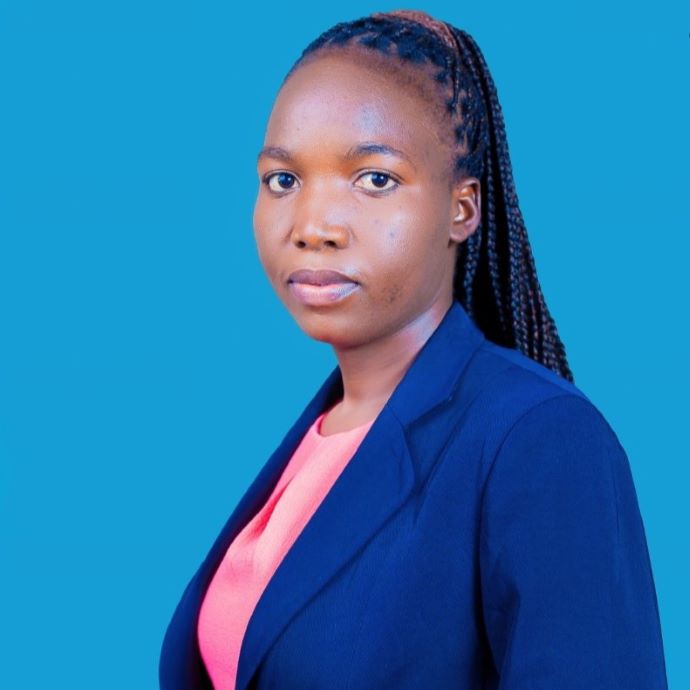
This is a guest blog by Gloria Musopole, who participated as a mentee in the 2024 RWSN Mentoring Programme.
Participating in the RWSN Women in WASH Mentorship Program has been a great experience, offering many opportunities for both personal and professional development. The program provides a platform to connect with seasoned experts in the water sector, learn from their experiences, and gain valuable insights into navigating the challenges and opportunities in the industry. It also creates a space for building networks with fellow participants (both mentors and mentees), encouraging a supportive environment for learning, growth, and collaboration.
When I first joined the program I wasn’t sure what to expect. Looking back, I realise how much I have grown in my leadership abilities and technical skills. I have learned to take on challenges with confidence and approach tasks with a sense of purpose.
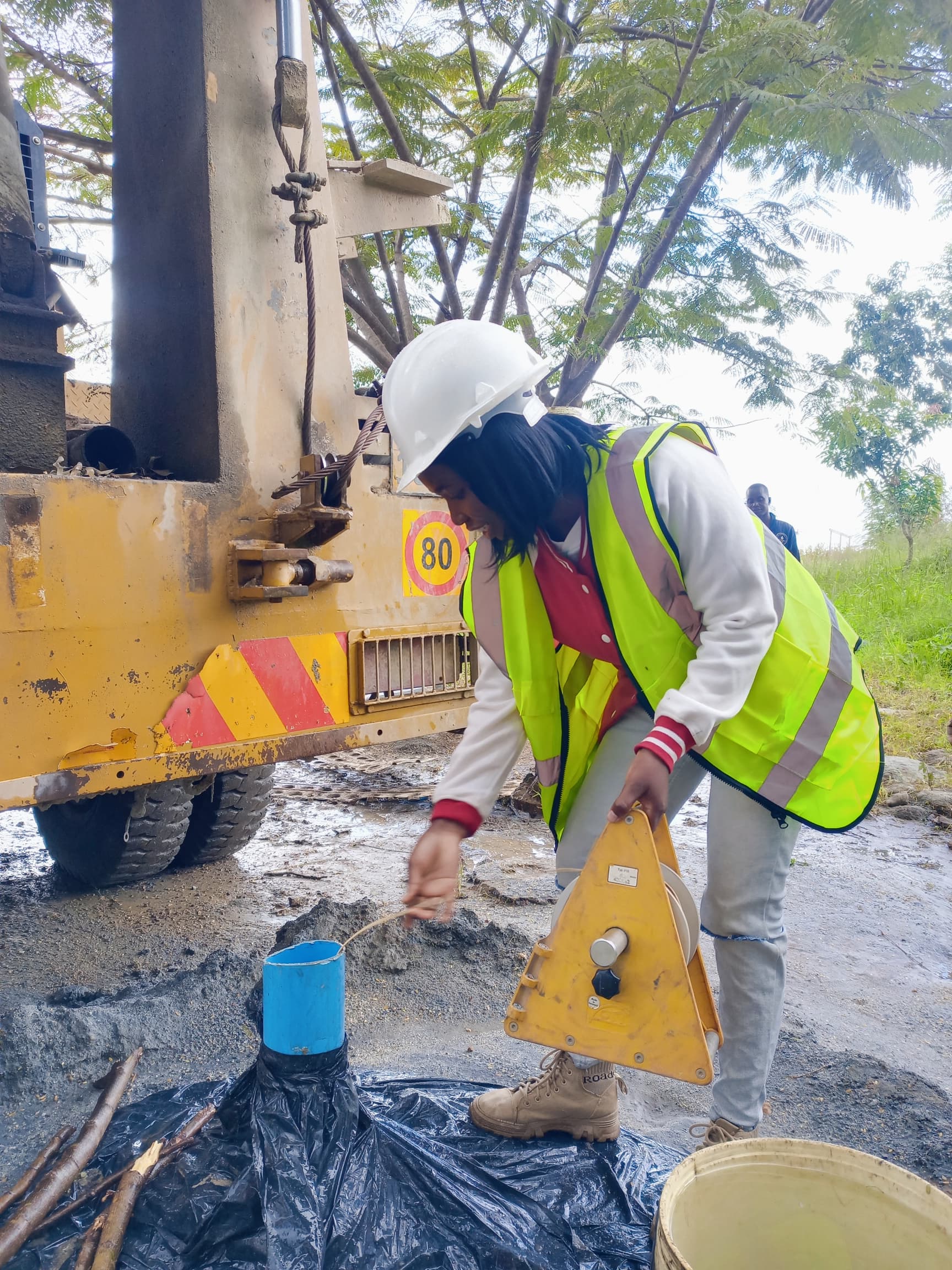
One of the highlights during this program was the opportunity to improve my skills in designing solar powered water supply systems, a field that holds a lot of potential for sustainable solutions in water access. through resources like the Global Water Partnership (GWP) course, I was able to improve my technical knowledge and now I feel more prepared to contribute to innovative projects in this area.
I have also learned the importance of strategic planning and preparation, particularly when it comes to advancing education and career opportunities. Success in competitive spaces, like school and scholarship applications, requires a well thought out plan. This insight is invaluable as I look to further my education and career within the water sector.
The program has also helped me to connect with a network of professionals from different countries, allowing for the exchange of ideas and solutions to common challenges in water sustainability. These connections are not only inspiring but are also a rich resource of knowledge and support for future collaborations.
I would like to extend my appreciation to RWSN and Women in WASH for organising such a life changing and career advancing program. Their dedication to empowering women in the WASH sector is truly inspiring, and I am thankful for the opportunity to be part of this initiative. I look forward to giving back and sharing my experiences with other emerging young professionals. I encourage anyone interested in the WASH sector to seek mentorship opportunities and connect with like-minded individuals.
Special thanks to my mentor, Elon Sooknanan, who generously shared his time and expertise in this journey. Through our sessions, I’ve gained the confidence to face challenges and opportunities head-on with belief and purpose.
Mentor’s Thoughts – Elon Ryan Sooknanan
“In March 2024, I had the privileged opportunity to mentor Gloria for six months through the Rural Water Supply Network (RWSN) mentorship program. Gloria’s experience was not only rich, resourced, and rewarding but truly a transformative one. She has always been persistent, consistent, and passionate about the issues of water, sanitation and hygiene (WaSH) in her community and by extension her country. Our initial conversations revealed a deep, unwavering commitment to making a difference, despite the multiple challenges she faced. As her mentor, I guided, supported, motivated, and inspired her. I shared my knowledge and experiences, and I helped her navigate the pathways of her professional aspirations. Mentoring Gloria has not only enriched her professional journey but has also deepened her understanding of networking and partnership and the critical importance of the 5Cs- culture, communicating, coordinating, collaborating and commitment in the field of WaSH. I look forward to seeing Gloria’s future successes and am grateful for the opportunity to have been part of her transformative journey of learning and growth” – Elon Ryan Sooknanan.
To join RWSN and be informed about the next round of the mentoring programme, please sign up here.
This blog is based on the Accountability for Water action and research programme funded by the William and Flora Hewlett Foundation and managed by the Partnership For African Social and Governance Research (PASGR), supported by Water Witness International, KEWASNET and Shahidi Wa Maji. The full webinar summary is available here.
On 15th December 2022, a global webinar was held to discuss the critical importance of accountability for water. During the webinar, a partnership of organizations led by PASGR and Water Witness presented the findings of their Accountability for Water research program, which aimed to identify specific actions to strengthen accountability in different contexts. The programme partners involved in the research include KEWASNET, Shahidi Wa Maji, WaterAid, Water Integrity Network,End Water Poverty, IRC, and World Bank. Dr Pauline Ngimwa and Dr Muthio Nzau of PASGR introduced the webinar.
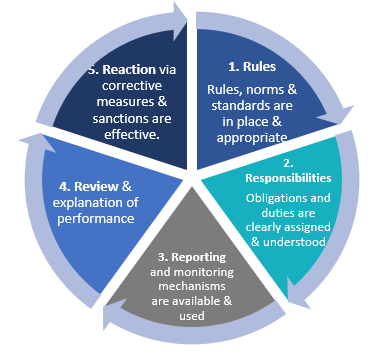
Dr Tim Brewer of Water Witness gave an overview of the research programme which started with the global review of evidence carried out in 2019-2020. According to this review, 80% of the research papers on accountability found that interventions contributed to improved water, sanitation and hygiene (WASH) services and water resource management (WRM). Common lessons emerged with clear recommendations for action by governments, civil society, donors and others. While a key lesson is that accountability is context specific, an analytical framework based on the “5 Rs of accountability” can be used to identify specific challenges and opportunities within this framework – the ability to review, explain, and report performance against rules, responsibilities, and obligations, and to react constructively to improve performance through sanctions, incentives, or corrective measures.
The review identified a series of knowledge gaps and questions, including gender, donors, government responsiveness, measurement, and civic space. Based on this analysis, 14 Professional Research Fellows (PRF) working in the water sector in Ethiopia, Kenya, Tanzania, Zambia, Liberia, and Zimbabwe from a range of government, civil society and academic institutions investigated accountability issues in their own contexts. The full list of research topics and researchers is at the bottom of this blog.
The following key takeaways for governments, civil society organizations (CSOs), and donors were drawn from a compilation of recommendations from the research projects .Presenters included Dr Firehiwot Sintayehu (Addis Ababa University); Eunice Kivuva (CESPAD); Chitimbwa Chifunda (WaterAid Zambia), The full list of research topics and researchers at the end of this blog demonstrates the depth and breadth of evidence underlying these recommendations .
Three key takeaways for governments
Laws, policies and accountability mechanisms are essential to support accountability. However, lack of clarity and consistency between sectors and levels, a lack of knowledge and capacity about the laws and mechanisms, and weak enforcement often undermine these. Therefore, the key recommendations are to:
Harmonise, strengthen, and execute laws and policies for water resources and WASH at national and subnational levels,
Strengthen accountability systems and relationships: mechanisms, standards, regulation, monitoring, stakeholder engagement and enforcement including for the private sector,
Build capacity on accountability, develop an accountable outlook and de-politicise accountability systems.
Clear roles and responsibilities and better coordination: Accountability mechanisms are often let down by poor coordination, unclear or conflicting roles and responsibilities and widespread lack of enforcement. Key actions required are to:
Clarify institutional roles and responsibilities between actors for WASH and WRM – eliminate conflicts in functions,
Separate implementation and regulatory institutions,
Strengthen horizontal and vertical institutional and sector coordination across water users through enforceable accountability systems and mechanisms.
Informed engagement with citizens and users: All the researchers found that effective engagement with citizens, citizen groups and water users is essential for accountability but wanting. To address this governments need to:
Introduce or strengthen accountability mechanisms such as public hearings and citizen oversight panels,
Provide Information, education, and mobilisation for communities ensure access for marginalised groups,
Support civil society to vertically integrate social accountability initiatives into decision making at different levels,
Support coordination amongst actors to increase the capacity of rural women and marginalised communities to participate in problem analyses and decision-making processes.
Three key takeaways for civil society,
Activate and institutionalise effective citizen oversight mechanisms. As well as the government actions to strengthen engagement with citizens and water users Civil society organisations need to support this, they should:
Advocate for more legally institutionalised avenues of citizen oversight,
Ensure that citizens’ monitoring and advocacy initiatives are vertically and strategically integrated in decision making at all levels,
Carry out budget tracking throughout the whole cycle from planning to expenditure.
Build capacity, empowerment and organise communities. A very common cause of weak accountability is the low levels of knowledge and capacity of water users about their rights, the laws and responsibilities around water provision and resource management, and how they can use accountability mechanisms. Civil society organisations need to:
Build capacity on accountability mechanisms and support their use,
Strengthen grassroots user groups and associations to participate in decision making,
Support civil society and water users, especially women, to move up the Participation ladder from token participation to active participation, decision making, and control.
Build on what works, like budget tracking, evidence-based advocacy, litigation. There is growing knowledge about successful strategies for strengthening accountability. This research has helped to strengthen a community of practice on accountability and identify examples that others can learn from. Key lessons for civil society are to:
Strike a balance between constructive and critical approaches to advocacy,
Bring strong evidence for advocacy,
Raise awareness of WASH and WRM issues amongst all stakeholders including citizens, government and development partners.
Four key takeaways for donors and private sector
Support governments and CSOs to strengthen accountability frameworks, monitoring and enforcement. Donors can provide financial and political support for the actions for governments and civil society mentioned above. They need to:
Support governments on WASH and WRM accountability actions as above,
Support CSO actions as above,
Support good governance and democratic space for citizens’ voice. Citizens’ engagement is critical to enhancing accountability,
Invest in women’s participation and reaching marginalised people,
Strengthen political will for accountability. Donors can influence government priorities,
Invest seriously in sustainability.
Water investments need to go beyond projects. They need to:
Go beyond procedural & financial accountability. For example strengthen basins planning to ensure responsible industrial water use,
Support budget tracking through the cycle – budget tracking is an effective tool to improve budget performance,
Invest in appropriate technology to support accountable and responsive services, For example digital monitoring of services and water treatment technology to prevent pollution of water resources.
Enhance due diligence. Researchers found examples of very weak accountability in economic uses of water by industrial and agricultural actors. Donors and private investors can help strengthen accountability by requiring:
Stronger due diligence of companies in relation to water use,
mandatory reporting on water,
promoting and enforcing the Polluter pays principle
Be accountable! Donors are major investors in the water sector but often do not fulfil their commitments. For example in Zambia the WASH sector is 80% funded by Donors but only 29% of that was tracked through the budget.
Accountability Mechanisms are needed to enable Governments and CSO to hold Donors accountable for their commitments.
Discussion and next steps
During the webinar, Sareen Malik from KEWASNET, emphasised the importance of legislation to strengthen accountability mechanisms. NGOs can play an important role to advocate for this and bring stakeholders together in Joint Sector reviews as a critical mechanism for accountability, monitoring and reporting.
Martin Atela of PASGR reflected on the role of politics in undermining accountability and suggested that political interference can be mitigated by greater clarity on roles and boundaries of ministerial responsibilities. He also emphasized the need to find ways to work with political elites so they see the value in change
Next steps involve joining the community of practice on accountability for water, to continue learning from experience and to advocate for commitments to strengthen accountability.
Research partners are organising an event at the UN Conference on Water 2023: “Where is the accountability” on Tuesday 21st March, driving a greater emphasis on governance and accountability. This needs to be front and centre of all discussion.
The Research programme is managed by the Partnership for African Social and Governance Research (PASGR) and Water Witness International with financial support from the Hewlett Foundation.
More information about the research is on the website including findings from the global review of evidence, recorded presentations from webinars at World Water Week 2022 in Stockholm, presentations from country specific webinars, and summary briefings of all the research topics. www.accountabilityforwater.org
List of Research topics, Professional Research Fellows and host institutions
Ethiopia
Government Dynamics of Accountability in Ethiopia, Mulugeta Gashaw, Water Witness Ethiopia
Political Economy Analysis of water governance, Asnake Kefale
Risks and opportunities for growth in Ethiopia’s textile and apparel industries, Esayas Samuel
Wastewater management in upstream catchment of ARB, Yosef Abebe, Addis Ababa University and Ministry of Water and Energy
Accountability of the One WASH National Programme of Ethiopia, Michael Negash, PSI
Towards a sustainable management of faecal sludge: the case of Addis Ababa, Tamene Hailu
Alwero Dam governance, Firehiwot Sentayu, Addis Ababa University
Kenya
Government Dynamics of Accountability in Kenya, Dr Tiberius Barasa
Enhancing coordination for accountability and sustainability in water resources management; a case of Kerio sub-catchment in Baringo rift valley basin. Eunice Kivuva (CESPAD)
Kakamega County Water and Sanitation Company, Kenya. Mary Simiyu, Kakamega Water Service Provider
Rural Women and water decisions in Kwale and Kilifi Counties, Felix Brian, KWAHO
Strengthening accountability in solid waste management through incentives and penalties in Naivasha, Kenya, Naomi Korir, Sanivation
Tanzania
Government Dynamics of Accountability in Tanzania, Dr Opportuna Kweka
Assessment of Gender Power Relations and Accountability in Community Based Water Supply Operators in Selected Water Basins of Tanzania, Pitio Ndyeshumba, Institute of Lands
Regulatory and Legal Accountability for Water Pollution in Tanzania: The Case of Msimbazi River Basin in Dar es Salaam City, Mwajuma Salum, University of Dar Es Salaam
Opportunities and challenges of accountability claiming in Tanzania’s water sector, Dr Parestico Pastory, University of Dodoma
Zambia
What makes budget advocacy an effective accountability tool, Bubala Muyove, NGO WASH Forum and Chitimbwa Chifunda, WaterAid Zambia
Zimbabwe
Assessing the effectiveness and impact of statutory accountability mechanisms to improve water service provision and catchment management, Mable Murambiwa, Combined Harare Residents Association, Zimbabwe
Liberia
Accountability Challenges in The Liberia Water-Supply Sector: LWSC in Robertsport and Kakata, Timothy Kpeh, United Youth for Peace, Liberia
About the author: This blog is authored by Louisa Gosling, freelance specialist in accountability, rights and inclusion in WASH, previously working with WaterAid and as chair of RWSN.
This year we are celebrating 30 years since the Rural Water Supply Network was formally founded. From very technical beginnings as a group of (mostly male) experts – the Handpump Technology Network – we have evolved to be a diverse and vibrant network of over 13,000 people and 100 organisations working on a wide range of topics. Along the way, we have earned a reputation for impartiality, and become a global convener in the rural water sector.
RWSN would not be what it is today without the contributions and tireless efforts of many our members, organisations and people. As part of RWSN’s 30th anniversary celebration, we are running a blog series on rwsn.blog, inviting our friends and experts in the sector to share their thoughts and experiences in the rural water sector.
This is a blog post from a RWSN Thematic Lead, Euphresia Luseka, from Kenya
“In Diversity there is beauty and there is strength”
Maya Angelou
Diversity is the difference. People are the same and different by their ethnic, age, professional experience, religion, race, and gender.
Let’s agree that women’s contributions and leadership are central to providing solutions to water challenges. Consequently, the water sector needs a more diverse labour force to establish a more inclusive and equitable experience for all its practitioners. By highlighting the scale of issues facing female Water leaders, we can better understand their challenges, and galvanize action for progressive, systemic change while examining other robust potential and scalable solutions.
The current women’s underrepresentation in water sector leadership is a prominent concern. According to a World Bank publication on Women in Water Utilities, women are significantly underrepresented; less than 18% of the workforce sampled were women, one in three utilities sampled had no female engineers and 12% of utilities have no female managers. Referencing the analysis of the employment data from participating organizations in a FLUSH LLC publication that I co-authored, white males from High-Income Countries comprised over a third of all sanitation leadership positions. With regards to race, two-thirds of all sanitation leaders were white, with white leaders 8.7 times more likely to hold multiple positions across different organizations than Black, Indigenous and People of Colour (BIPOC). BIPOC Women were the least represented group.
This affirms the importance of an intersectional perspective in advancing gender and racial equity in the water sector leadership.
Women and specifically BIPOC female water leaders are missing out on opportunities in the water sector that hold the promise of advancement of SDG6 targets and the rising economic security that comes with it.
Without diverse leadership, the water sector will continue to experience failure.
Are there consequences for this?
Gender diversity in the Water sector is not only a pressing political, moral and social issue but also a critical economic challenge. There are consequences for not having women in water leadership, the financial consequences are significant.
The untapped and unmeasured contribution of women is enormous. Women make up half the world’s population but generate 37% of the global GDP, reflecting the fact that they have unequal access to labour markets, opportunities, and rights. A McKinsey & Co study found that companies in the top quartile for gender or racial and ethnic diversity are more likely to have financial returns above their national industry medians. Companies in the bottom quartile in these dimensions are statistically less likely to achieve above-average returns.
Beyond that, compared to senior-level men, senior-level women have a vast and meaningful impact on an organization’s culture; they champion racial and gender diversity more.
Unfortunately, given the high male dominance in the Water sector they are usually the “Onlys” – the only or one of the only women hence more resistance, sharper criticism especially on affirming their competence, more prejudice, and more experience to micro-aggressions.
If women leaders are not present in the workforce, women at all levels lose their most powerful champions.
Absolutely, diversity wins and here are some examples of what I mean.
Though many ambitious women in water desire to advance into leadership positions, very few have the managerial and Ally support to get and keep those positions. Though many employees perceive themselves as our Allies, they do not take enough action such as publicly advocating for racial or gender equality, publicly confronting discrimination, publicly mentoring and sponsoring them. Though women in water have the capacity to lead in the sector, there exist geographic mismatches between them and opportunities, we remain underrepresented and paid less. Though many organizations are hiring more women to entry-level positions numbers dwindle at management level, particularly for BIPOC women.
This obviously has a long-term impact on the talent pipeline; eventually, there are fewer women to hire, fewer to promote to senior managers and overall fewer women in the sector. If women continue encountering the sticky floor, a broken rung on the ladder to success, and a revolving door in entry-level jobs, we might never break the glass ceiling.
Women can never catch up with this status quo!
But why are we missing and losing women in water leadership?
We have come from so far as a sector but have moved very little on Gender parity at the workplace.
To give an illustration, the United Nations organized four outstanding world conferences for women: 1) at Mexico City in 1975; establishing the World Plan of Action and Declaration of Equality of Women and their Contribution to Development and Peace. 2) The Copenhagen conference in 1980, 3) the Nairobi Conference in my country Kenya, in 1985 4) in Beijing in 1995 which marked a significant turning point for the global agenda on gender equality with an outcome of a global policy document.
27 years later, still the water sector is investing in the same gender challenges emerging from gender norms that are stuck with us generation after generation.
Women’s dual roles and time burden affect their economic productivity however inequalities in access to education impact their growth attributing to the high rates of poor women. Therefore, the woman in water at work and society starts at a disadvantaged position.
This affirms the supposition that instead of making transformation the goal in gender and water sector leadership, how about we make it a way of doing business?
Are women better leaders than men?
As demonstrated in Eagly (2007) study, women are manifesting leadership styles associated with effective performance. On the other hand, there appears to be widespread recognition that women often come in second to men in leadership competitions. Women are still suffering disadvantage in access to leadership positions as well as prejudice and resistance when they occupy these roles. It is more difficult for women than men to become leaders and to succeed in male-dominated leadership roles. This mix of apparent advantage and disadvantage that women leaders experience reflects the considerable progress towards gender equality that has occurred in both attitudes and behaviour, coupled with lack of complete attainment of this goal. Although prejudicial attitudes do not invariably produce discriminatory behaviour, such attitudes can limit women’s access to leadership roles and foster discriminatory evaluations when they occupy such roles.
It is time for Women to take up power, are they?
The 20th-century paradigm shift championed by UN towards gender equality has not ceased as affirmed by the profound changes taking place in diversity targets in the Water sector. The trends are clear that women are ascending towards greater power and authority. The presence of more women in water leadership positions is one of the clearest indicators of this transformation.
The central question of gender equality is a question of power, we continue to live in a male-dominated world with a male-dominated culture. Power is not given, power is taken; we have to push back against the resistance to change, as advised by António Guterres, Secretary General, United Nations.
Photo 3: Water Utility Staff during a Non-Revenue Water management training, Kenya, 2022
How do we sustain the gains?
Focus and execution discipline not only makes a big difference, it is the only thing that can sustain change. It is noteworthy that placing a higher value on diversity and implementing targeted initiatives have not closed the representation gaps for women leaders in Water and especially BIPOC Women, with most outcomes remaining elusive despite scaling up of initiatives.
Useful data can resolve this; effective policies are informed best by evidence. We cannot change what we do not measure and we cannot measure what we do not know. Therefore, borrowing from President Biden’s approach upon issuing an executive order on advancing racial equity and support for underserved communities, I guide, assess institutional gender capacity to build a robust pipeline for women in water professionals at all levels of-management.
Inquire what actions can influence diverse representation in the water sector leadership towards an inclusive environment where women feel supported by peers and leaders.
Co-creation will be key in strategically prioritising interventions addressing necessary changes across the organisation, progress cannot be made in silos. Collaborative efforts galvanise collective action that will build trust across the organization. Focus should not take a gender-neutral approach; some interventions can specifically focus on men others women as a corrective measure to enhance leadership diversity. This shall move the process of change through equality to equity to justice.
Empowering and equipping management to not only develop technical and managerial skills but advance female leaders and mainly BIPOC could follow. Use influencers to drive change. Translate allyship into action across all levels. Maintain open communication and feedback channels. Reinforce and scale what works and re-envision what does not. Measure and celebrate progress towards diversity outcomes.
****
I thought I would support transforming the water sector instead it transformed me. This blog is dedicated to Leslie Gonzalez, Director of Project Delivery, Africa at DAI. I acknowledge the efforts of Portia Persley Division Chief, RFS/Center for Water Security, Sanitation and Hygiene at USAID, Heather Skilling, Principal Global Practice Specialist, WASH at DAI, and Dr. Leunita Sumba, at WIWAS. History will remember your efforts in advancing women in water, working with you is like working with the change you want to see in the water sector.
Photo credits: Euphresia Luseka
About the author:
Euphresia Luseka is a Water Governance Specialist and Co-Lead of RWSN Leave No-One Behind Theme. She is a seasoned Expert with experience in leadership, strategy development, partnerships and management in WASH sector nationally, regionally and internationally. She has specialised in WASH Public Policy, Business Development Support Strategies and Institutional Strengthening of urban and rural WASH Institutions. Euphresia has several publications and research work in her field.
Did you enjoy this blog? Would you like to share your perspective on the rural water sector or your story as a rural water professional? We are inviting all RWSN Members to contribute to this 30th anniversary blog series. The best blogs will be selected for publication. Please see the blog guidelines here and contact us (ruralwater[at]skat.ch) for more information. You are also welcome to support RWSN’s work through our online donation facility. Thank you for your support.
Srilekha is a young professional from India with a focus on WASH and Sexual Reproductive Health and Rights (SRHR) advocacy with indigenous tribal women and girls.
Advocacy through art with rural communities
She is driven by her close experience with how in poor, rural areas, discussions on gender, menstrual hygiene and women’s health take a back seat. In many of her activities, she is using art to demystify taboos with adolescents and youth.
An example of what this type of approach can lead to is the story of two young girls – Zeba and Anjum – who made a model of a uterus with Gulmohar flowers during an art session that Srilekha conducted. The red colour symbolizes power, strength and period blood whereas the blooming flower represents good health.
Another art project of Srilekha links to the flagship campaign of the Central Government of India, Swachh Bharat Abhiyan, which promised to bring ‘Comprehensive Sanitation and Hygiene’ amongst people in rural India. However, the wall writings on Swachh Bharat Abhiyan have been speaking about toilet construction and cleanliness only. There were no wall writings about menstruation to encourage people to challenge the taboo. So, Srilekha mobilised artists and communities for a ‘menstruation matters’ mural project. You can read more about this project in her blog here.
Engaging local government and global platforms in period talk
Whereas engaging with communities is at the heart of her work, she also recognises the importance of government leadership. In 2019, she curated a campaign called Freedom to Bleed during the Independence Day in India. She convinced a local politician to help young girls actually experience freedom and independence from the stigma of blood. They reached out to more than 1000 women and girls in a week. The man speaking in the opening scene of the video below is the first political leader who ever spoke about periods in that constituency.
Srilekha is also dedicated to elevating stories from grassroots levels to as many people and platforms as possible. Through her #PeriodsPeCharcha (Let’s Talk Periods) campaign she addressed issues of indigenous remote communities in Jharkhand, a state in eastern India. In this video, she talks about menstrual hygiene challenges faced by young girls in the area.
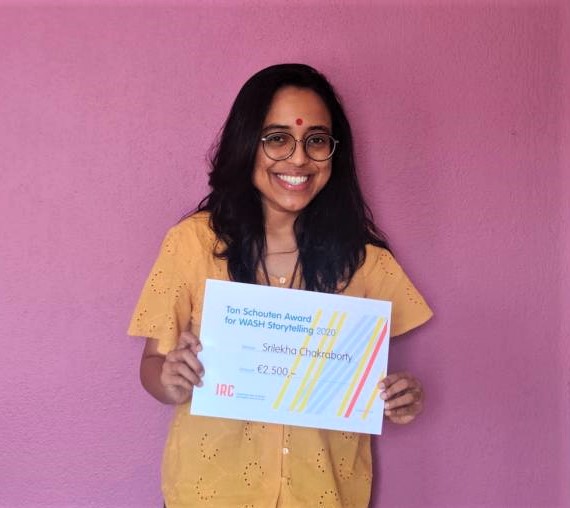
About winning the Ton Schouten Award for WASH storytelling
In the words of our selection committee members – Vida Duti, Liduin Schouten, Sean Furey and Dave Trouba – Srilekha seems to do her communications work purely driven by passion and heart to help others, she naturally focuses on social inclusion and uses a wide variety of channels and forms of communication, from social media messages to videos and blogs.
In the words of Srilekha? See this video or read her response below it.
It is interesting that I win this award in a time that is technically one of the darkest of all we have seen as a generation. This award comes to me as a hope that there is a lot of work that is left to do and the show must go on! It will help me continue my fight on the ground.
I would like to thank all the organisations and mentors and the community people who supported me throughout my journey and made me someone worthy to receive this award, I am honoured and it will take some time to sink in.
While there’s a lot of fund-crunch that civil society organisations at the grassroots level are going through and projects on women’s health are receiving a severe blow, I wish to use this award money to reach out to the most vulnerable section of adolescents and youth and keep creating more art, storytelling and workshops on menstruation. Because periods don’t stop for pandemics and neither should our activism. – says Srilekha.
What’s next?
We received a rich and inspiring selection of candidates, whom we’re hoping to continue to be in touch with throughout the year. Keep an eye on this page dedicated to all things Ton Schouten Award for information about the award and updates on the work of talented young communicators in the WASH community. Srilekha has shared some great ideas about what she is planning to invest her award prize in. We will also share updates on her activities on this page. So stay tuned.
Making water work for women – inspiring stories from around the world
The reality in much of the world today is that collecting water for the home is a job done by women – so gender issues are central to everything we do in rural water supply – self-supply, pump design, borehole siting, tariff collection, water resource management, business models or using ICT to improve service delivery.
In this week’s webinar we have brought together more inspiring stories from Nicaragua, India and the World Bank. We are taking ‘gender’ from being a tokenistic tick-box to a living, vibrant, practical core of every rural water service.
Join the us next Tuesday 23 May – it an opportunity to have your practical and policy questions answered from world class experts.
Did you miss Part 1? Don’t worry. You can watch and listen to the inspiring experiences from Burkina Faso, India, Ethiopia and Bangladesh on the RWSN video channel:
L’eau au service des femmes – des histoires inspirantes
La réalité dans beaucoup d’endroits dans le monde aujourd’hui est que l’approvisionnement en eau pour les besoins domestiques reste un travail porté par les femmes – donc les questions liées au genre sont au coeur de toutes les activités que nous entreprenons dans le secteur de l’eau rurale: auto-approvisionnement, conception des pompes, emplacement des forages, recouvrement des tariffs, gestion des ressources en eau, ou utiliser les TIC pour améliorer les services.
Le webinaire de la semaine permettra d’entendre des histoires intéressantes du Nicaragua, de l’Inde et de la Banque Mondiale. Nous souhaitons passer d’une compréhension de la notion de genre se bornant à cocher une case, pour mettre en avant les aspects vivants, pratiques et essentiels qui font partie de tous les services d’eau ruraux.
Joignez-vous à nous mardi prochain – ce sera l’occasion de poser vos questions sur la pratique et la politique à des experts du domaine.
Vous n’avez pas pu participer à la première partie de ce wébinaire? Vous pouvez écouter des expériences inspirantes du Burkina Faso, de l’Inde, de l’Ethiopie, et du Bangladesh sur la chaine viméo du RWSN:







 Rural Water Supply Network - blog