From Gaps to Growth: Capacity development in WASH sector

This is a guest blog by RWSN member Kirsten de Vette.

Capacity development plays a pivotal role in fostering sustainable progress towards ensuring availability and sustainable management of water and sanitation for all. This article presents several striking findings stemming from several recent capacity assessments and capacity development reviews I was involved in over the past three years. Tackling these issues will have transformative impact on the water, sanitation, and hygiene and development sectors, whilst the required effort is expected to be relatively low.

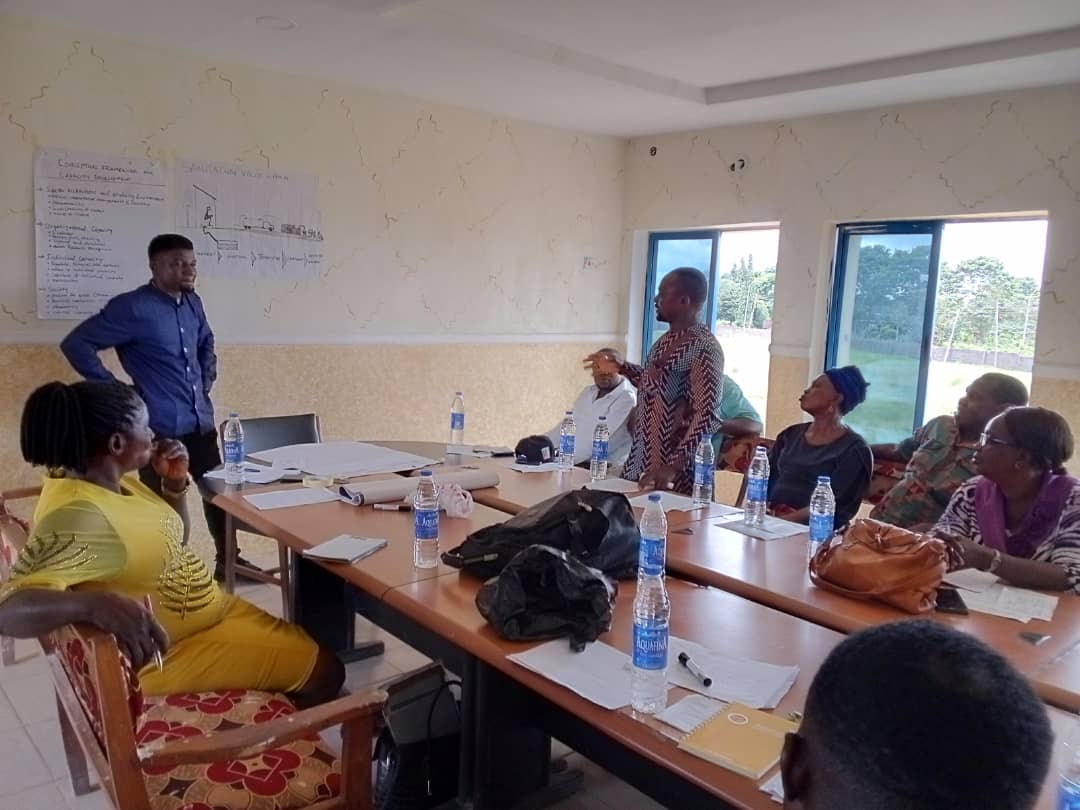
Photo 1: WASHPaLS#2: Focus Group Discussion Jigawa Nigeria. Photo credit Nanpet Chuktu

Finding 1: There is misalignment on what capacity means

There are diverse definitions and interpretations of this concept, which can impede effective implementation of interventions. Some speak of institutional capacity (enabling environment and organizational capacity), others speak about individual capacity (skills, competencies, abilities), and others only address the organizational capacity (knowledge management, leadership, systems etc) itself. This has a knock-on effect on what capacity development means. For some it is simply looking at the education of new professionals (i.e. TVET, universities). Others only equate the term capacity development with training, and others may indicate it is strengthening institutions (i.e. systems, policies etc.).

Very few stakeholders interviewed incorporate all four levels of capacity (enabling environment, organizational, individual, and society)[1] in their thinking. Many even seem to neglect the broader issues affecting capacity, such as workforce development and sustainable employment.

On top of this the terms capacity – building, – development and – strengthening are now used interchangeably to describe the process of increasing capacities. In academic literature the first two are explored and do in fact mean something different. The third is used by some to overcome a certain level of tension on the terminology inherited from the history of capacity development (will be described in following blog).

To address this, we need to develop a common understanding among stakeholders in water, sanitation, and or hygiene (perhaps broaden to include all development work) on what capacity means, and what effective capacity development then entails. This will create a solid foundation for future endeavours and collaboration.

Photo 2: WASHPaLS#2: Field visit Bihar India. Photo credit: Anand Shekhar

Finding 2: Addressing the Job Shortage Dilemma

Strengthening capacity and education alone may not be sufficient if there is a lack of suitable job opportunities. While the importance and shortages of human resources have been identified (IWA, 2014; GLAAS 2012/ 2014/ 2017/ 2022; World Water Development Report, 2016; forthcoming USAID WASHPals#2), the existence or development of corresponding employment opportunities cannot be guaranteed.

The labor market, especially for rural sanitation, is largely reliant on (I)NGOs, or Development partners, who are normally in place on project basis. Where positions are present in the public sector, they are shared with other responsibilities (e.g. water, solid waste, building & constructions and or others) that are of higher priority. The positions in the informal private sector are dependent on demand (and or projects) and often do not (yet) guarantee full-time employment in the long run.

To address this, we need to address sustainable employment, and create avenues for career growth in the sectors. This can be supported by raising awareness about the need for job creation (and investment), but also by developing the proper policies, mandates and incentives that justify stakeholders to create the needed jobs.

Finding 3: Coordination and Communication gaps

There is insufficient coordination and communication among capacity development providers, development partners, and sector actors. The education sector often struggles to meet the needs of the WASH sector, while the sector itself is unable to effectively communicate its requirements. It was also highlighted by several key informant interviews in country studies that INGOs/ development partners working at country level often fail to coordinate (all of) their capacity development efforts (the forthcoming USAID WASHPaLS #2). This results in overlapping interventions in certain regions while leaving others with inadequate support. 

We need to make capacity development a collaborative endeavour. By integrating capacity development (jointly defined as per finding one) and in particular workforce development into the narrative, and into the national review meetings and or Water, Sanitation and or Hygiene plans. But also, by developing a platform for stakeholders to engage in dialogues and share insights on how to develop the needed workforce and supporting structures to deliver the country’s plans. By fostering collaboration and shared responsibility, we can harness the collective expertise and resources to enhance capacity development outcomes.

Photo 3: WASHPaLS#2: Validation workshop, Accra Ghana. Photo credit Bertha Darteh

Finding 4: Persistent challenges in capacity development efforts

Beyond, the higher-level findings (1-3), there are also persistent challenges in capacity development interventions themselves. The most important ones are:

  • Mismatch supply and demand:  This can be caused by focus on what supply has on offer rather than soliciting what the audiences need.
  • Time Constraints and Limited Application: Capacity development initiatives often fall short in allocating sufficient time for participants to fully engage in the learning process and apply acquired knowledge to their work. This issue is compounded when training or workshops disrupt regular duties, compelling participants to tackle additional workload.
  • Narrow Focus and Overemphasis on Training: Capacity development is still frequently equated solely with training. This neglects other ways of (adult) learning that have already been recognized by the education sector and (adult) learning specialists. This limited perspective also fails to address broader aspects such as organizational structures, enabling environments, and societal factors that significantly influence capacity development outcomes.
  • One-Size-Fits-All Approach: Many capacity development efforts suffer from a lack of consideration for the diverse target audiences involved, including politicians, managers, and technicians. Recognizing the unique interests, needs, and learner preferences of each group is pivotal in designing tailored interventions that foster meaningful impact.
  • Unidirectional Learning: Traditional capacity development activities often fail to harness the valuable expertise and input of participants. By disregarding the insights of practitioners and experts during the design and implementation of programs, the potential for an inclusive and collaborative learning environment is undermined.
  • Lack of (long-term) capacity development strategy: Many capacity development efforts lack a comprehensive strategy (also referred to as design) capturing the outcomes, outputs, objectives, audiences, learning methods approaches, actions at the four levels of capacity, and evaluation of the intervention. In addition, and relevant for our sectors with high turnover rates, is strategizing for the retention and utilization of acquired learning and knowledge through knowledge management practices.
  • Insufficient Knowledge of Effective Practices: A lack of information on successful but also failing capacity development practices poses a significant challenge to the advancement of this field. Collecting data on impact and application is essential to identify and share evidence-based strategies, enabling continuous improvement and enhanced effectiveness.

Every capacity development intervention needs to check these points and address them accordingly.

Guiding Principles for Effective Capacity Development:

Building upon the identified four challenges there is a need for overarching guiding principles for effective capacity development.

  1. Time and Application: Allow sufficient time for learning and provide opportunities for participants to apply their knowledge in their work. Consider local governance, mandates, and roles to minimize disruptions and extra workload.
  2. Holistic Approach: Expand the scope of capacity development to address multiple levels of capacity, including individual, organizational, enabling environment, and society. Incorporate diverse learning methods, such as peer-to-peer interactions, virtual tours, mentoring, communities of practice, and working groups.
  3. Tailored Solutions: Recognize the unique interests, needs, and approaches of different target audiences. Develop customized capacity development activities that align with specific requirements.
  4. Engage Specialists: Involve practitioners and experts in the design and implementation of capacity development programs. Their expertise will ensure a comprehensive design that considers different audiences, learning methods, and impact measurement.
  5. Inclusive Learning Environment: Value the input and expertise of participants to create an inclusive and collaborative learning environment.
  6. Evidence-based Approach: Emphasize the importance of measuring impact and collecting effective capacity development practices. This data-driven approach enables continuous improvement and knowledge sharing.
  7. Learning Mindset: Foster a culture of sharing experiences, success stories, failures and lessons learned to encourage ongoing learning and adaptation
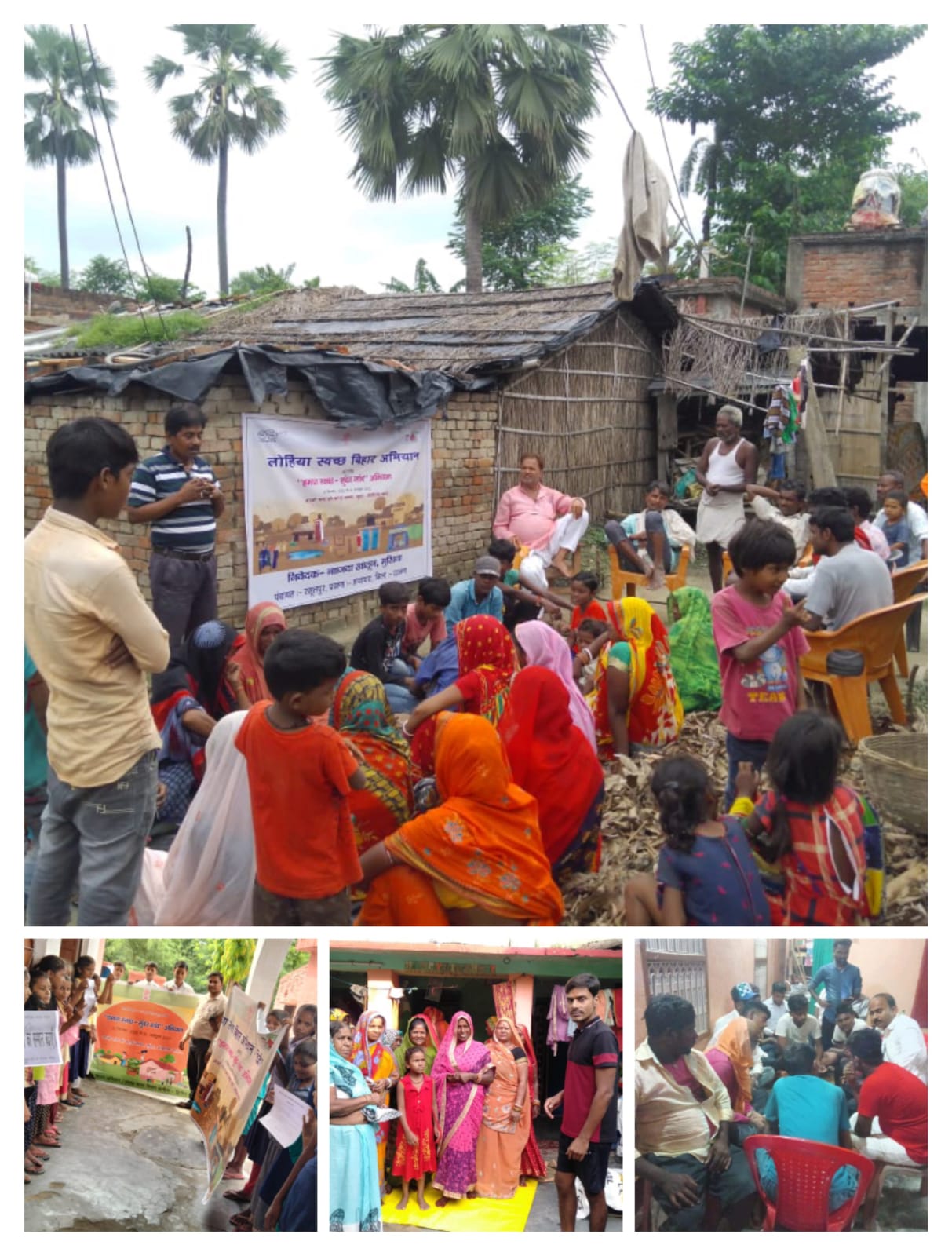
Photo 4: WASHPaLS#2: Focus Group Discussions, Bihar India. Photo credit Anand Shekhar

By embracing these guiding principles, stakeholders involved in capacity development can address common errors and enhance the effectiveness of interventions in the water, sanitation, and hygiene sectors. Collaboration, coordination, and a shared vision are paramount in creating sustainable solutions and achieving meaningful impact. Let us, as water professionals and international development professionals, strive for innovative and context-specific approaches to capacity development that foster lasting change.

Do you have additional thoughts, ideas, or guiding principles to add? Reach out to me


Sources:

link to WASHPaLS 2: https://www.globalwaters.org/resources/assets/washpals-2-factsheet 

link to one of Wateraid projects I worked on (the others are internal to WaterAid)

https://washmatters.wateraid.org/publications/capacity-needs-assessment-for-regulators-in-water-sanitation-and-hygiene-how-to-guide

IWA. 2014. An Avoidable Crisis: WASH Human Resource Capacity Gaps in 15 Countries. [online] Available at: <https://iwa-network.org/wp-content/uploads/2015/12/1422745887-an-avoidable-crisis-wash-gaps.pdf&gt;

UN-Water GLAAS. 2022. GLAAS 2021/2022 Survey Data. https://glaas.who.int/glaas/un-water-global-analysis-and-assessment-of-sanitation-and-drinking-water-(glaas)-2022-report

UN-Water GLAAS. 2014. Investing in water and sanitation https://www.unwater.org/publications/un-water-glaas-2014-investing-water-and-sanitation

UN-Water GLAAS. 2012. The challenge of extending and sustaining services  https://www.un.org/waterforlifedecade/pdf/glaas_report_2012_eng.pdf

Lincklaen Arriëns, W. and Wehn de Montalvo, U., 2013. Exploring water leadership. Water Policy, 15(S2), pp.15-41.

UN World Water Development report. 2016. Water and Jobs. https://www.unwater.org/publications/un-world-water-development-report-2016

UNDP, 2008. Capacity Assessment Methodology User’s Guide. [online] Available at: [Accessed 23 February 2021]

About the author: Kirsten de Vette is independent consultant and facilitator working in water, sanitation, and hygiene (related) sectors for over 13.5 years. She is a sociologist with business background who connects people, facilitates knowledge and expertise exchange, facilitates partnerships, collaboration and or change processes and facilitates capacity assessment/ development. Her expertise is in capacity development, stakeholder engagement & facilitation of change processes and learning.

She wrote this blog to share recurring findings across her recent projects in the hope that it may support action in the future. The type of projects this blog is based on is 1) coordinating (or facilitated) the undertaking of capacity assessments at organizational, national and global level and 2) reviewing capacity development efforts (2020-2023). Over 300 grey and white paper reports were reviewed across these projects, 150 people directly interviewed, and 6 country capacity assessments coordinated (with 350 people). The author wants to thank WaterAid and Tetra Tech under USAID WASHPaLS #2 for these assignments and their openness for the findings to be re-used.  To take these learnings forward, she will be approaching key actors in the water, sanitation and hygiene sector to engage on these capacity development principles, and will write follow-up blogs. Stay tuned on her website and on  linkedin  

Strengthening accountability for water


This blog is based on the Accountability for Water action and research programme funded by the William and Flora Hewlett Foundation and managed by the Partnership For African Social and Governance Research (PASGR), supported by Water Witness International, KEWASNET and Shahidi Wa Maji. The full webinar summary is available here.

On 15th December 2022, a global webinar was held to discuss the critical importance of accountability for water. During the webinar, a partnership of organizations led by PASGR and Water Witness presented the findings of their Accountability for Water research program, which aimed to identify specific actions to strengthen accountability in different contexts. The programme partners involved in the research include KEWASNET, Shahidi Wa Maji, WaterAid, Water Integrity Network, End Water Poverty, IRC, and World Bank. Dr Pauline Ngimwa and Dr Muthio Nzau of PASGR introduced the webinar.

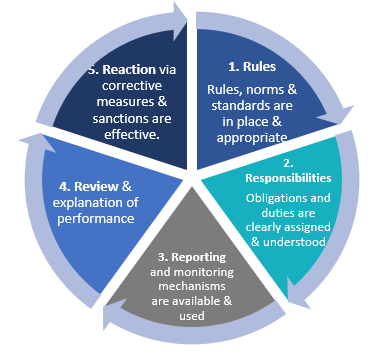
Dr Tim Brewer of Water Witness gave an overview of the research programme which started with the global review of evidence carried out in 2019-2020.  According to this review, 80% of the research papers on accountability found that interventions contributed to improved water, sanitation and hygiene (WASH) services and water resource management (WRM). Common lessons emerged with clear recommendations for action by governments, civil society, donors and others. While a key lesson is that accountability is context specific, an analytical framework based on the “5 Rs of accountability” can be used to identify specific challenges and opportunities within this framework – the ability to review, explain, and report performance against rules, responsibilities, and obligations, and to react constructively to improve performance through sanctions, incentives, or corrective measures.

The review identified a series of knowledge gaps and questions, including gender, donors, government responsiveness, measurement, and civic space. Based on this analysis, 14 Professional Research Fellows (PRF) working in the water sector in Ethiopia, Kenya, Tanzania, Zambia, Liberia, and Zimbabwe from a range of government, civil society and academic institutions investigated accountability issues in their own contexts. The full list of research topics and researchers is at the bottom of this blog.

The following key takeaways for governments, civil society organizations (CSOs), and donors were drawn from a compilation of recommendations from the research projects .Presenters included Dr Firehiwot Sintayehu (Addis Ababa University);  Eunice Kivuva (CESPAD); Chitimbwa Chifunda (WaterAid Zambia), The full list of research topics and researchers at the end of this blog demonstrates the depth and breadth of evidence underlying these recommendations .

Three key takeaways for governments      

  1. Laws, policies and accountability mechanisms are essential to support accountability. However, lack of clarity and consistency between sectors and levels, a lack of knowledge and capacity about the laws and mechanisms, and weak enforcement often undermine these. Therefore, the key recommendations are to: 
    • Harmonise, strengthen, and execute laws and policies for water resources and WASH at national and subnational levels,
    • Strengthen accountability systems and relationships:  mechanisms, standards, regulation, monitoring, stakeholder engagement and enforcement including for the private sector,
    • Build capacity on accountability, develop an accountable outlook and de-politicise accountability systems.
  2. Clear roles and responsibilities and better coordination: Accountability mechanisms are often let down by poor coordination, unclear or conflicting roles and responsibilities and widespread lack of enforcement. Key actions required are to:
    • Clarify institutional roles and responsibilities between actors for WASH and WRM – eliminate conflicts in functions,
    • Separate implementation and regulatory institutions,
    • Strengthen horizontal and vertical institutional and sector coordination across water users through enforceable accountability systems and mechanisms.
  3. Informed engagement with citizens and users: All the researchers found that effective engagement with citizens, citizen groups and water users is essential for accountability but wanting. To address this governments need to:
    • Introduce or strengthen accountability mechanisms such as public hearings and citizen oversight panels,
    • Provide Information, education, and mobilisation for communities ensure access for marginalised groups,
    • Support civil society to vertically integrate social accountability initiatives into decision making at different levels,
    • Support coordination amongst actors to increase the capacity of rural women and marginalised communities to participate in problem analyses and decision-making processes.

Three key takeaways for civil society,

  1. Activate and institutionalise effective citizen oversight mechanisms.  As well as the government actions to strengthen engagement with citizens and water users Civil society organisations need to support this, they should:
    • Advocate for more legally institutionalised avenues of citizen oversight,
    • Ensure that citizens’ monitoring and advocacy initiatives are vertically and strategically integrated in decision making at all levels,
    • Carry out budget tracking throughout the whole cycle from planning to expenditure.
  2. Build capacity, empowerment and organise communities. A very common cause of weak accountability is the low levels of knowledge and capacity of water users about their rights, the laws and responsibilities around water provision and resource management, and how they can use accountability mechanisms. Civil society organisations need to:
    • Build capacity on accountability mechanisms and support their use,
    • Strengthen grassroots user groups and associations to participate in decision making,
    • Support civil society and water users, especially women, to move up the Participation ladder from token participation to active participation,  decision making, and control.
  3. Build on what works, like budget tracking, evidence-based advocacy, litigation. There is growing knowledge about successful strategies for strengthening accountability. This research has helped to strengthen a community of practice on accountability and identify examples that others can learn from. Key lessons for civil society are to:
    • Strike a balance between constructive and critical approaches to advocacy,
    • Bring strong evidence for advocacy,
    • Raise awareness of WASH and WRM issues amongst all stakeholders including citizens, government and development partners.

Four key takeaways for donors and private sector

  1. Support governments and CSOs to strengthen accountability frameworks, monitoring and enforcement. Donors can provide financial and political support for the actions for governments and civil society mentioned above. They need to:
    • Support governments on WASH and WRM accountability actions as above,
    • Support CSO actions as above,
    • Support good governance and democratic space for citizens’ voice. Citizens’ engagement is critical to enhancing accountability,
    • Invest in women’s participation and reaching marginalised people,
    • Strengthen political will for accountability.  Donors can influence government priorities,
    • Invest seriously in sustainability.
  2. Water investments need to go beyond projects. They need to: 
    • Go beyond procedural & financial accountability. For example strengthen basins planning to ensure responsible industrial water use,
    • Support budget tracking through the cycle – budget tracking is an effective tool to improve budget performance,
    • Invest in appropriate technology to support accountable and responsive services, For example digital monitoring of services and water treatment technology to prevent pollution of water resources.
  3. Enhance due diligence. Researchers found examples of very weak accountability in economic uses of water by industrial and agricultural actors. Donors and private investors can help strengthen accountability by requiring:
    • Stronger due diligence of companies in relation to water use,
    • mandatory reporting on water,
    • promoting and enforcing the Polluter pays principle
  4. Be accountable!  Donors are major investors in the water sector but often do not fulfil their commitments. For example in Zambia the WASH sector is 80% funded by Donors but only 29% of that was tracked through the budget.
    • Accountability Mechanisms are needed to enable Governments and CSO to hold Donors accountable for their commitments. 

Discussion and next steps

During the webinar, Sareen Malik from KEWASNET, emphasised the importance of legislation to strengthen accountability mechanisms. NGOs can play an important role to advocate for this and bring stakeholders together in Joint Sector reviews as a critical mechanism for accountability, monitoring and reporting. 

Martin Atela of PASGR reflected on the role of politics in undermining accountability and suggested that political interference can be mitigated by greater clarity on roles and boundaries of ministerial responsibilities. He also emphasized the need to find ways to work with political elites so they see the value in change

Next steps involve joining the community of practice on accountability for water, to continue learning from experience and to advocate for commitments to strengthen accountability.

Research partners are organising an event at the UN Conference on Water 2023: “Where is the accountability”  on Tuesday 21st March, driving a greater emphasis on governance and accountability. This needs to be front and centre of all discussion.

The Research programme is managed by the Partnership for African Social and Governance Research (PASGR) and Water Witness International with financial support from the Hewlett Foundation.

More information about the research is on the website including findings from the global review of evidence, recorded presentations from webinars at World Water Week 2022 in Stockholm, presentations from country specific webinars, and summary briefings of all the research topics. www.accountabilityforwater.org

List of Research topics, Professional Research Fellows and host institutions

Ethiopia

  • Government Dynamics of Accountability in Ethiopia, Mulugeta Gashaw, Water Witness Ethiopia
  • Political Economy Analysis of water governance, Asnake Kefale
  • Risks and opportunities for growth in Ethiopia’s textile and apparel industries,  Esayas Samuel
  • Wastewater management in upstream catchment of ARB, Yosef Abebe, Addis Ababa University and Ministry of Water and Energy
  • Accountability of the One WASH National Programme of Ethiopia, Michael Negash, PSI
  • Towards a sustainable management of faecal sludge: the case of Addis Ababa, Tamene Hailu
  • Alwero Dam governance, Firehiwot Sentayu, Addis Ababa University

Kenya

  • Government Dynamics of Accountability in Kenya, Dr Tiberius Barasa
  • Enhancing coordination for accountability and sustainability in water resources management; a case of Kerio sub-catchment in Baringo rift valley basin. Eunice Kivuva (CESPAD)
  • Kakamega County Water and Sanitation Company, Kenya.  Mary Simiyu, Kakamega Water Service Provider
  • Rural Women and water decisions in Kwale and Kilifi Counties, Felix Brian, KWAHO
  • Strengthening accountability in solid waste management through incentives and penalties in Naivasha, Kenya, Naomi Korir, Sanivation

Tanzania

  • Government Dynamics of Accountability in Tanzania, Dr Opportuna Kweka
  • Assessment of Gender Power Relations and Accountability in Community Based Water Supply Operators in Selected Water Basins of Tanzania, Pitio Ndyeshumba, Institute of Lands
  • Regulatory and Legal Accountability for Water Pollution in Tanzania: The Case of Msimbazi River Basin in Dar es Salaam City, Mwajuma Salum, University of Dar Es Salaam
  • Opportunities and challenges of accountability claiming in Tanzania’s water sector, Dr Parestico Pastory, University of Dodoma

Zambia

  • What makes budget advocacy an effective accountability tool, Bubala Muyove, NGO WASH Forum and Chitimbwa Chifunda, WaterAid Zambia

Zimbabwe

  • Assessing the effectiveness and impact of statutory accountability mechanisms to improve water service provision and catchment management, Mable Murambiwa, Combined Harare Residents Association, Zimbabwe

Liberia

  • Accountability Challenges in The Liberia Water-Supply Sector: LWSC in Robertsport and Kakata, Timothy Kpeh, United Youth for Peace,  Liberia

About the author:  This blog is authored by Louisa Gosling, freelance specialist in accountability, rights and inclusion in WASH, previously working with WaterAid and as chair of RWSN.

A Mentoring journey, by Fadzai T. Munodawafa and Kerstin Danert

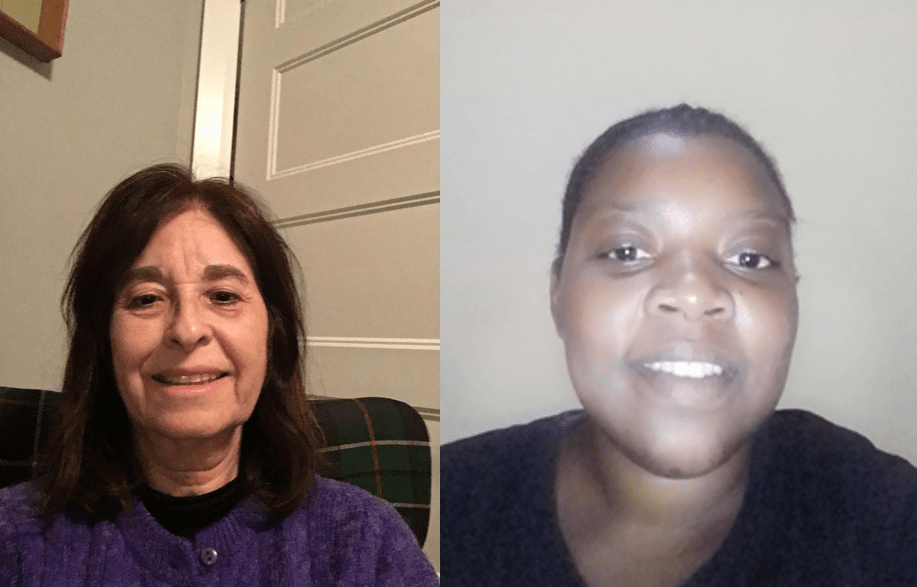
For International Women’s Day, we would like to highlight two participants from the RWSN Mentoring programme for young professionals and women, Fadzai T. Munodawafa-Bhurabhura (from Zimbabwe) and Dr Kerstin Danert (from Switzerland). You can find out more about their experience of mentoring through RWSN below. RWSN plans on launching a new edition of the mentoring programme soon, and encourages women of all ages in the water sector to sign up. To find out more, sign up to become a RWSN member today.

Mentorship is a reciprocal learning relationship in which a mentor and mentee work collaboratively toward the achievement of mutually-defined goals that will develop a mentee’s skills, abilities, knowledge, and/or thinking.

Fadzai’s words:

I am Fadzai T. Munodawafa, a WASH professional with an international Non-Governmental Organisation (NGO) in Zimbabwe. I support teams who implement WASH in the rural communities in Zimbabwe. In addition, I am responsible for managing the drilling unit of the organisation. With such responsibilities as a young professional, I sought to increase my understanding of rural and urban water supply and sanitation as well as groundwater monitoring, which both have a significant bearing on improving access to water for under-privileged communities.

A message of invitation for young professionals in the water sector to join the mentorship programme under the Rural Water Supply Network (RWSN) was shared on the Zimbabwe WASH Cluster platform. I thought this was an opportunity to learn from senior professionals and firm up my career. Following acceptance within the mentorship programme in 2020, I was linked with Dr Kerstin Danert a water sector professional researcher and facilitator.

Kerstin’s words:

I am Kerstin Danert, a rural water supply professional who has been active in RWSN since 2004, when I was still living and working in Uganda. I work as a consultant, with a range of types of work including research, training, facilitation and knowledge-brokering. I currently live in Switzerland.

Fadzai’s words:

My mentorship experience was a flexible one where I would ask questions or a raise discussion point and Kerstin would have a topic for discussion for our scheduled meetings. During our 9-month mentorship relationship, Kerstin and I discussed broadly on topics such as groundwater management, remote sensing and sustainable community-based management of water points key areas that have helped me in my career in the water sector. Kerstin’s experience in sub-Saharan Africa and remote areas made our connection easy as she could relate to my experiences and questions.

Kerstin’s words:

Our mentoring relationship commenced just as I was branching out to start my own company, which unfortunately coincided with the start of the Covid pandemic. It was not an easy time (as we all know), and I was worried as to whether my company would even survive. It very soon became apparent that this would not be a one-way mentorship by any means. Fadzai not only helped me to make contact with field realities (which I was very much missing), but also gave me a lot of support and encouragement regarding my new venture.

Fadzai’s words:

As a young professional, I was not confident speaking in public forums, a weakness my mentor helped me to work on. Now I can confidently speak in professional forums following her encouragement. Our engagement also looked into working on my resume and boost it to showcase the experience and skills I have. In addition, she connected me with experienced drillers and water specialists in Zimbabwe.

Kerstin’s words

Although I have now worked in the water sector for over 25 years always as a consultant, I still remain concerned work may not come in going forwards. Further, I think that I had began to take my years of experience for granted. The exchanges with Fadzai helped me to fully appreciate that I am actually not at the start of my working life, but (hopefully) in the middle of it with a lot under my belt already!

Both of us

Since the mentorship programme under RWSN, we have kept in touch resulting in our participation in the UNHS Climate and Gender podcast on Global Partnership: Gender, Progression and Climate-Orientated Careers (The UNHS Podcast and Spotify) in 2021. The following year, our mentorship led us to work on a report and video documenting the impact stories from participants of online courses on professional drilling by the RWSN

Fadzai’s words:

As a result of my mentorship experience, I can more effectively allocate my time for various activities, connect and confidently engage with other professionals in the water sector as well as have knowledge on key aspects of documentation. I highly recommend other young professionals to join the mentorship program that will build them up in their career within the water sector. Many thanks to the RWSN for this amazing and life changing experience.

Kerstin’s words:

This mentorship brought me closer to the field again. I learned so much from the conversations with Fadzai – and drew insights from her into all of my ongoing assignments, whatever the topic in fact. She always had such insightful contributions to make. And I argue that I was the mentee just as much as Fadzai was. So I encourage others to take the time to get involved in this programme.  It has been so rewarding and I look forward to finally meeting Fadzai one day!  We have been talking regularly now for three years. A big thanks to RWSN for this chance.

To find out more information about the RWSN mentoring programme, please see here.

Rural Community Water Supply: Sustainable Services for All

Covid-19 gave me the chance to commit to paper (or electronic form, if you prefer) some of my understanding and experience gained over several decades. The outcome is a book, published earlier this year, entitled Rural Community Water Supply: Sustainable Services for All.

by Professor Richard C. Carter

Richard encountering some resistance in Kaabong, Uganda (photo. RC Carter)

Many hundreds of millions of rural people – the exact number is not known, and it is immaterial, except that it probably lies between one and two billion – experience inadequacies in the supply of the water which they use for drinking and other domestic uses.

These inadequacies are partly reflected in the ‘normative criteria’ as defined by the human right to water which apply to water services globally. These criteria ask whether and to what extent water services are available, accessible, affordable and acceptable, and whether their quality meets national or international standards. They also highlight the importance of cross-cutting criteria (non-discrimination, participation, accountability, impact, and sustainability).

Continue reading “Rural Community Water Supply: Sustainable Services for All”

My RWSN mentoring experience

This is a guest blog by RWSN mentee Edwin Kiprotich Kiplagat , who is currently enrolled in the 2021 RWSN Mentoring Programme .

I am Edwin Kiprotich Kiplagat, a young and an ambituous Civil Engineer by training from Kenya. I currently work as an intern for the Water Infrastructure function at SMEC in Kenya. SMEC is a global engineering consultancy that provides design, supervision and project management services in the fields of water infrastructure, roads, urban and social development. The company is Australian based with several regional offices around the world. I am based in the Kenyan office in Nairobi which is the East African regional office serving the countries of Kenya, Uganda, South Sudan and Democratic Republic of Congo.

I got to know of Rural Water Supply Network through LinkedIn social media network. I later got access to the information on RWSN mentorship program via a post shared in the same platform. It was an exciting prospect for me and I could not wait to choose a mentor.  I registered for the program and outlined my objectives for participating in the program. My choice to participate in the program was propelled by the need to get a role model who would guide my goal to grow and apply engineering and management skills in providing clean water, sanitation and positive impact in the society. The aforementioned choice was further guided by the following objectives which I look to achieve: to gain advice on areas and avenues to further my education in postgraduate studies and professional courses relevant to water supply, to gain motivation on community development as I aspire to use engineering knowledge to develop and support community water supply projects in future and to wrap it all since I am a Christian, I am interested in leveraging my faith and my career in impacting people’s lives which I believe can be achieved by providing clean water as part of Christian mission work.

I found a mentor from Guyana in South America named Elon Ryan Sooknanan. My motivation to choose him as my mentor was spurred by the fact that we share a career in common and also through LinkedIn I discovered that he had ever participated in a church-related volunteering experience which drew my attention. I was convinced that he will assist me in achieving my objectives. Since we established touch towards the end of March, Elon and I have always opted to interact via WhatsApp which we found it efficient for both of us. We had an inaugural call where we familiarized with each other and from there agreed on the manner of interactions going forward. Since Elon also mentors other mentees in RWSN forum, he has divided his time to have a call with each mentee monthly. Due to the difference in time zone of seven hours between Kenya and Guyana, Elon and I have always agreed on a suitable day and time for both of us to have a call and discuss on matters relevant to the mentorship program.

Through the mentorship program, I have learnt through the interactions I have had with Elon. He advised on changes needed to upscale the competitiveness and presentation of my CV. One thing I remember him stressing on is the vitality of a CV in giving a clear impression of oneself to a stranger who has never met the owner of the CV.  He also shared with me a water related short course opportunity offered by an Italian Institute known as Hydroaid that delved on climate change and water. I applied for the short course but unfortunately as a result of the restricted number that made it competitive I fell short of the selection. I hope to one day participate in the Hydroaid Program and also other short course that are in tandem with my goals. Furthermore, Elon has allowed his RWSN mentees to interact with one another through a WhatsApp group created and a monthly zoom meeting forum where each one shares highlights and resources in the field of water supply and sanitation. This has helped me connect with a network of professionals from different fields in the water sector. Elon also introduced me and other mentees to a Christian leadership development programme called God’s Apprenticeship Programme that helps develop faithful leaders around the world who can use their influence to transform their nation.

I am grateful I not only found a mentor but a friend who has inspired me. By the end of the program I hope to achieve milestones such as having an up-scaled competitive resume of myself; broadened knowledge in water, sanitation and hygiene plus leadership skills to mentor others in future. In a nutshell, personally and professionally I have been introduced to the idea of growth through sharing of ideas and challenging oneself to create an impact in the society which I believe is possible in the water sector.

About the author and his mentor

Edwin is a Civil Engineer by training working as an intern for the water infrastructure function at SMEC in Kenya. He has a BSc degree in Civil Engineering from the University of Nairobi. His training has equipped him in the field of hydraulics, hydrology, water resources management, structural engineering, highways and transportation engineering. He has been engaged previously in feasibility studies of small hydropower projects and currently assists in preparation of proposals, tender documents, Expression of Interest, design reviews and reports for various projects in the water function in SMEC International Kenyan office. He is enthusiastic to learn more of computer applications in engineering to solve societal needs and is passionate of the water sector in engineering.

Elon Ryan Sooknanan is an accomplished Civil/WASH Engineer with 10+ years of office and field experience, knowledge and skills. He hails from Guyana, South America and currently serves as the Head of Infrastructure & Projects at the Environmental Protection Agency in Guyana.

About the RWSN Mentoring Programme

For more information on the RWSN Mentoring Programme, please see here. RWSN is grateful to the SENSE Foundation for its support of the mentoring programme in 2021.

My RWSN mentoring experience

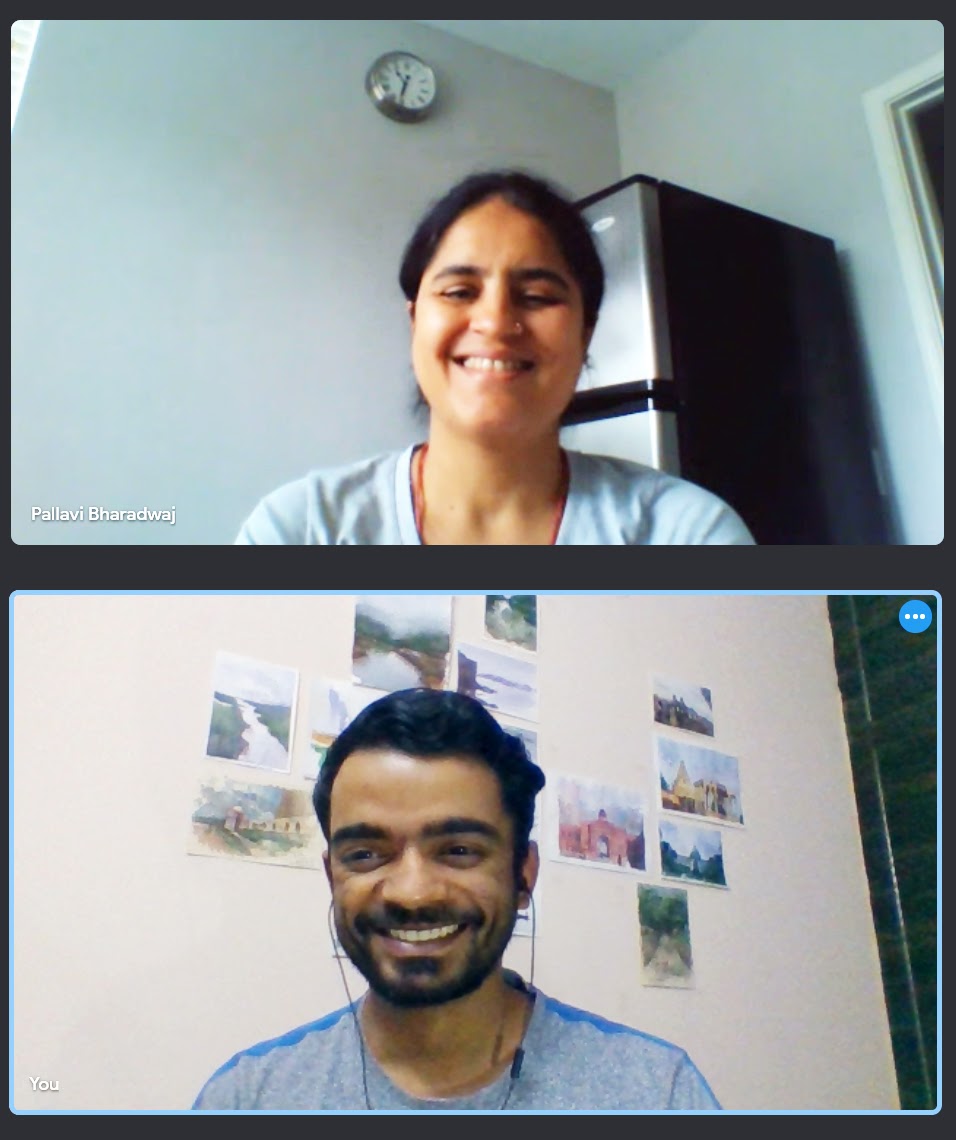
This is a guest blog by RWSN mentee Gaurav Thapak and RWSN mentor Pallavi Bharadwaj, who are currently enrolled in the 2021 RWSN Mentoring Programme .

Mentee’s Thoughts

I am an architect and urban planner with the National Institute of Urban Affairs (NIUA), New Delhi, India. I work extensively in the urban areas on Water, Sanitation and Hygiene (WASH) services as one of my main focus areas. My postgraduate thesis was also focussed on water supply and its economics in an urban area. Earlier this year, I discovered the Rural Water Supply Network (RWSN). A few months after I joined RWSN their mentorship programme was launched. I signed up for this programme in anticipation of growing by learning from an expert. I wish to develop a career in water economics and governance, and anticipated that this mentorship programme would be a great opportunity to steer myself in the right direction.

I  envisioned what I sought for myself out of this programme and stated in my application that I would like to work with a mentor, who could broaden my horizons in water supply and management in rural and urban areas. Ms. Pallavi Bharadwaj accepted my mentorship proposal. Pallavi lives and works in the United States of America, and has over a decade and half years of experience working in the global WASH sector. I was extremely glad to be accepted for the mentorship and consider myself fortunate to have Pallavi as my mentor. 

We scheduled our first meeting close to the deadline of mentorship agreement submission. It was a short introductory meeting for about half an hour. Despite the time zones difference, I was excited to meet with her. I had not set forth clear goals and outcomes of my mentorship arrangement. However, through our discussion, Pallavi understood where I was in my career and what I sought. She helped me identify my learning goals. We started out by setting three broad goals for me:  

  • pursue a Ph.D in water governance and policy, 
  • engage with social sector in water and wastewater sector, 
  • a particular case development and exploration of how gamification can help nudge and model consumer behaviour.

We agreed that a monthly video meeting for an hour or so would work to touch base and evaluate my progress. 

As I write this blog post, it has been over two months since the mentorship began. We have already met three times along with having numerous conversations on email, phone and social media. I regularly reach out on email and LinkedIn to seek suggestions and share ideas for various projects and competitions. Pallavi has always been kind and prompt to provide her inputs, comments and resources to facilitate my work, even if that might not have been a part of my original learning goals. Since we are now connected on LinkedIn, Pallavi often shares content to aid my professional development, suggests interesting events and talks to attend, shares job opportunities and connects me to her network. She has already facilitated an introduction with a student in Mumbai to further foster and develop collaborations for my professional growth. 

My mentorship’s scope has extended above and beyond what my mentor and I had originally agreed upon. I am glad that Pallavi is available to answer my questions and shares interesting as well as thought provoking content with me on an ongoing basis. I find it easier to connect and collaborate with people, whom I am comfortable to have a dialogue with. Through our conversations Pallavi has made it easier for me to discuss ideas and concepts that are new and nascent for me in a clear and professional way. 

I recommend every young professional in this sector, who has any doubts or confusion and wants to explore beyond their horizons, to sign up for this mentorship programme. I am very grateful to have Pallavi as my mentor, and thank RWSN for initiating this relationship.

Mentor’s Thoughts:

I have been part of RWSN’s mentorship program for two years now. Gaurav was the second mentee that reached out to me for working together and I agreed to be his mentor in 2021. 

Through this relationship, I am not only sharing my knowledge, but also global experience as a WASH professional. In return, Gaurav is helping me learn even more about current trends in WASH management systems and challenges facing the underserved communities. I appreciate his ideas on utilizing the power of technology, such as gamification, for solving challenges in real time. For the remainder of this mentorship we will work together to connect his work to policy and advocacy, in light of United Nations Sustainable Goal 6 (SDG6), clean water and sanitation for all. It is my hope that through this mentoring relationship, Gaurav and I will be able to utilize our time working towards providing solutions for in-need communities. 

About the RWSN Mentoring Programme

For more information on the RWSN Mentoring Programme, please see here. RWSN is grateful to the SENSE Foundation for its support of the mentoring programme in 2021.

Mi experiencia en el programa de mentores de la RWSN

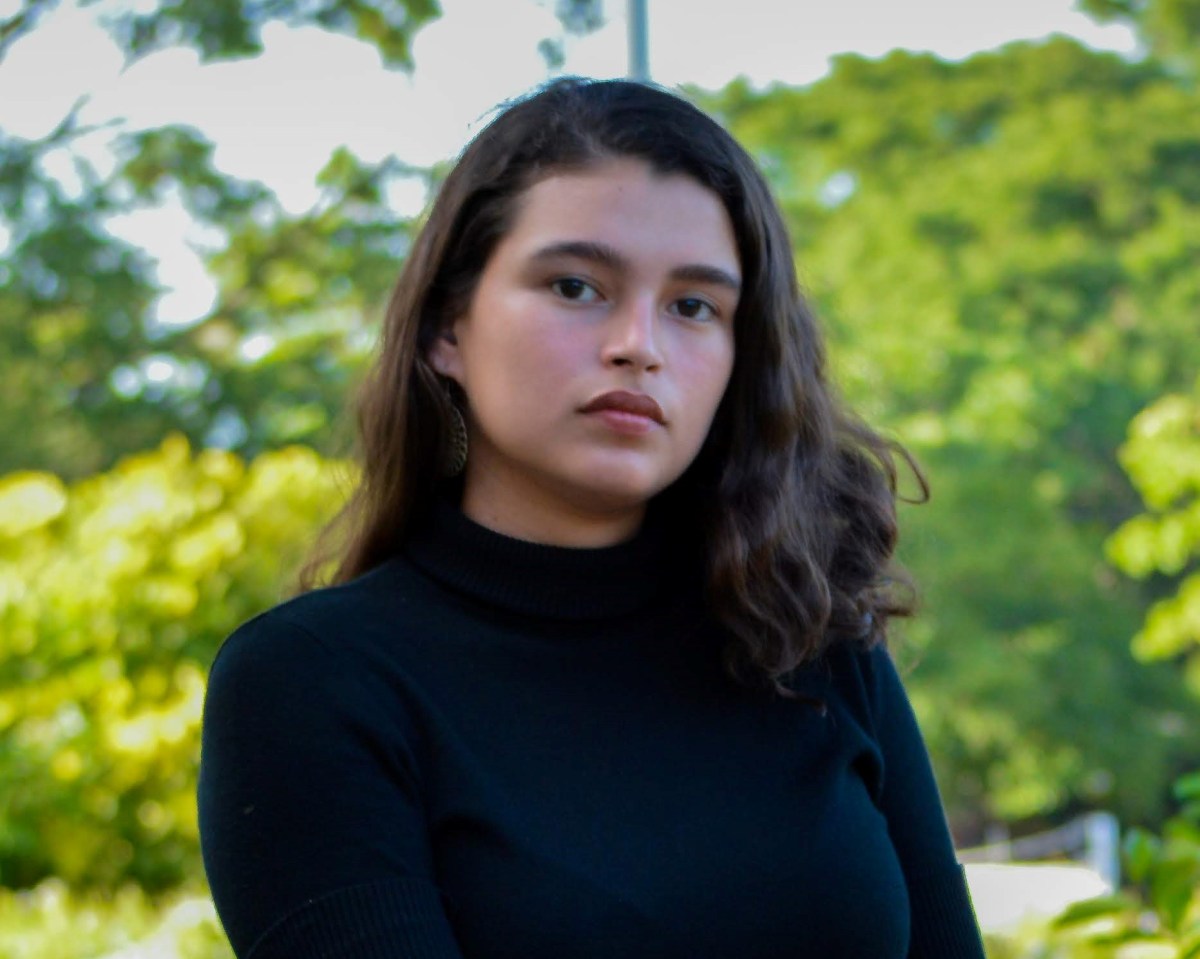
Esta entrada fue realizada por Mayte Molina, una joven profesional inscrita en el Programa de Mentores 2021 de la RWSN.

Se dice que el inteligente aprende de sus errores, pero el genio aprende de los errores de los demás. El programa de mentores de la Red de Suministro de Agua Rural (RWSN) es una excelente oportunidad para conectarse y aprender de especialistas del agua, saneamiento y salud de alrededor del mundo.

Mi nombre es Mayte Molina, nicaragüense e ingeniera ambiental. Hace poco más de ocho meses logré conseguir mi primer trabajo en el sector WASH como Asociada de Operaciones en una ONG internacional. En este período me he encontrado distintos desafíos que van desde comprender la realidad de las comunidades rurales, entender ciertos tecnicismos hasta el incorporarme como joven mujer profesional en un sector dominado por hombres.

Lo cierto es que la universidad no te prepara para responder a ciertas situaciones que solo se viven en el ámbito laboral, por eso contar con un mentor que comparta sus consejos puede hacerte más fácil el aprendizaje. Sin embargo, acercarse a un experto puede ser complejo e intimidante. No todos tienen la disposición y voluntad de ayudar a los jóvenes a crecer sin tener un beneficio directo.

Mis intenciones de mejorar mi perfil profesional y encontrar oportunidades me llevaron a entrar al programa de mentoría.  En mi caso, yo quería un mentor que tuviese experiencia en WASH tanto en el sector ONG como la academia para que me comentara sus experiencias, me asesorara sobre desarrollo profesional y creación de redes, así como buscar becas de grado.

Después de ver varios perfiles a través de la plataforma PushFar, encontré a Elon Sooknanan, un ingeniero civil de Guyana con más de 10 años de experiencia, actual Jefe de Infraestructura y Proyectos en la Agencia de Protección Ambiental (EPA). Escogí a Elon como mi mentor porque su perfil estaba completo, tiene experiencia como mentor en años pasados y tomó una maestría en WASH en la Universidad de Leeds en el Reino Unido.

Afortunadamente, Elon respondió a mi solicitud en junio 2021 y decidimos que nuestro medio de comunicación sería vía correo y videollamadas por Whatsapp. Quiero agregar que no solo a mí me pareció que el perfil de Elon es excelente, otras nueve personas más le pidieron que él sea su mentor.  Actualmente estamos diez jóvenes profesionales de Afganistán, Austria, Francia, Guyana, Kenia, Nueva Zelanda, Singapur, Sri Lanka, Uganda y Nicaragua bajo la mentoría de Elon.


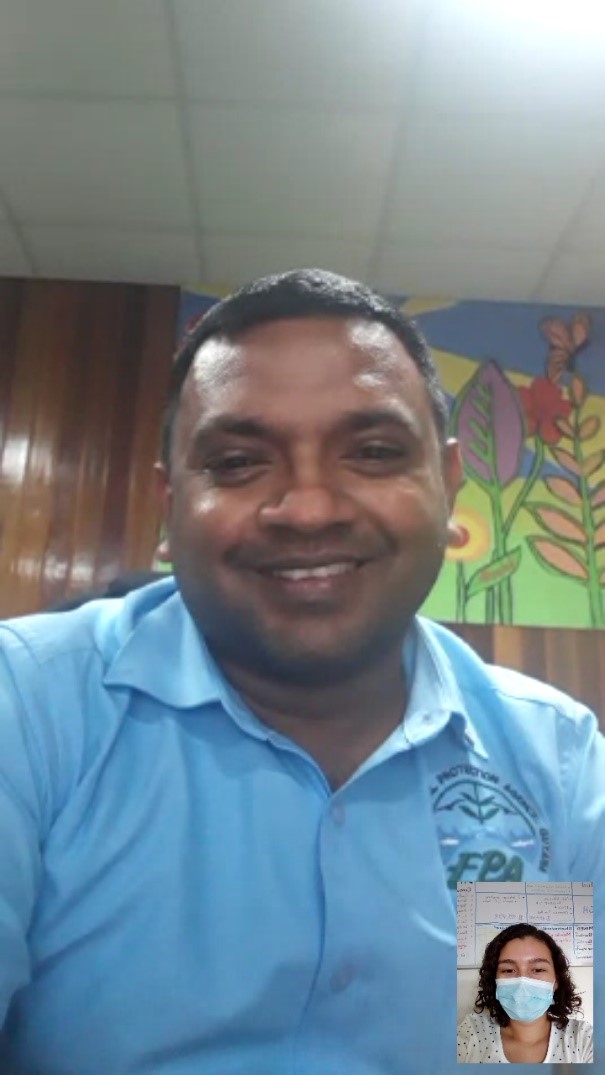
Videollamada entre Elon y yo por Whatsapp


Hasta el momento hemos tenido dos sesiones, en la primera me contó su experiencia en la maestría en Inglaterra y como obtuvo dos becas para poder financiar sus estudios en el extranjero. También, me explicó brevemente su tema de investigación sobre los costos del saneamiento urbano y las dificultades que pasó él y su compañero de Perú en el proceso de levantamiento de información. Por otro lado, yo le comenté los proyectos que ejecuto en la ONG y sobre mi iniciativa de jabones artesanales Hydrolution’s.

La segunda sesión consistió en establecer nuestros objetivos de mentoría para los próximos seis meses. Acordamos las actividades siguientes:

  • Asesoría para mejorar el CV y carta de presentación,
  • Compartir recursos para oportunidades laborales y académicas,
  • Proveer asistencia para la aplicación de becas de maestría,
  • Reunión individual una vez al mes de 30-45 minutos,
  • Reunión grupal mensual con todos los aprendices donde cada uno lidera una temática.

Como podrán imaginar, hacer una sesión grupal con personas de diferentes zonas horarios requiere planificación, por lo que tenemos un grupo en Whatsapp y un cronograma en Drive donde cada uno pone su disponibilidad. Acá hay que estar abierto a un poco de desvelo para alcanzar los objetivos.
Durante mi mentoría Elon me ha enviado una serie de enlaces, plataformas y recursos para desarrollar mis conocimientos sobre WASH. Aún tengo mucha lectura por hacer, pero puedo confirmar que es contenido valioso. Asimismo, me compartió su CV y carta de presentación para que lo tome de referencia y pueda pulir los míos. Otro beneficio de la mentoría es que puedo practicar mi inglés y ganar vocabulario técnico.

Al final del año espero conocer mejor a mis demás colegas y mi mentor, continuar intercambiando experiencia y crecer como profesional para crear proyectos que respondan a las necesidades de las familias rurales y la realidad de mi país de la mejor forma posible. Aunque el programa de mentoría oficialmente termine en seis meses estoy segura que vamos a seguir en contacto para compartir nuestros logros y aprendizajes. Le escribiré a Elon cuando reciba las buenas nuevas de la beca para cursar mi maestría en el exterior.

Sobre el programa de tutoría de la RWSN

Para más información sobre el Programa de Mentores de RWSN, consulte aquí. La RWSN agradece a la Fundación SENSE su apoyo al programa de tutoría en 2021.

My experience of the RWSN Mentoring Programme

This is a guest blog by Amanda Mugwambi, a young professional from Zimbabwe enrolled as a mentee in the 2020 RWSN Mentoring Programme.

I’m Amanda Mugwambi from Zimbabwe. I have been working in the water, sanitation and hygiene (WASH) sector for over 5 years in addition to four years prior of environmental management. I am currently working as a Public Health Promoter for an international NGO. I have had the opportunity to work in both urban and rural projects. It has been fulfilling to see community transformation through donor funding complimenting stakeholder efforts and community engagement.

I heard about the Rural Water Supply Network (RWSN) mentoring programme through my country’s WASH National Coordination Unit. I was interested in the opportunity to gain knowledge and skills to advance my career and to hear about experiences in other countries. I must admit, I had a bit of trouble in the application process where I had to outline my expectations from being part of the programme. I just didn’t seem to be able to mainstream my thoughts. I wanted to know more about everything! When I finally managed to submit my application, I was anxious to find out who my mentor would be. I hoped they would be able to provide the right balance of academic and professional development.  I was matched with Susana Sandoz, a WASH specialist, currently a consultant with UNICEF. RWSN really did an excellent job pairing us! Not only is Susana a seasoned expert but her experience with UNICEF which funds some of the projects I have been working on gave me an extra understanding.

We began the mentorship process with Susana helping me gather my thoughts by streamlining topics that we would like to discuss over the duration of the programme. We communicated via email, whatsapp and skype. We had our first session in April 2020 via skype. To be honest, it was so easy talking to her. I didn’t have to worry about saying the wrong thing. We met online once a week on skype, then we’d decide on the topic for the following week. Susana would send me literature to review so that I could note down any questions for our next meeting. My favorite part of our sessions was when Susana would tell about her experiences in the different countries she had worked in, some of them were very applicable to Zimbabwe. It was relatable and gave me an insight on how to find solutions to the challenges I faced.

I have a keen interest in School WASH. I particularly liked the sessions on hygiene promotion, menstrual hygiene management, handwashing, child protection, emergency management, disaster risk reduction especially considering the Covid-19 pandemic. I have learnt the importance of using emotional triggers to reinforce positive behavior change such as effective handwashing. And I have also learnt more about community engagement to ensure the success of water and sanitation projects. It is crucial to trigger community members early for them to realize the importance of zero open defecation and the safe water chain to improve their health and hygiene. Below is the list of all the topics we discussed:

DateSession#Topic
15 Apr1COVID 19, Handwashing
22 Apr2Sanitation and Sato Pans
29 Apr3Menstrual Hygiene Management (MHM)
6 May4Disability and Inclusion
13 May5Monitoring & Evaluation; Communication for Disasters
20 May6Latrine types: advantages and disadvantages
3 June7Sustainability
10 June8Development and Environmental Issues
15 June9Communication for development (C4D)
24 June10Social Norms changes
14 July11Emergencies in WASH
21 July12Water Quality and Water Treatment
28 July13Why is Sanitation Important and Advocating for Sanitation
5 Aug14The Burden of COVID-19
13 Aug15Advocacy
21 Aug16Gender
25 Aug17Child Protection
3 Sep18Climate Change
8 Sep19Skills for Interviews
15 Sep20Hygiene Promotion
29 Sep21Capacity Building
6 Oct22WASH in Schools and COVID-19 Reduction
13 Oct23Types of Rural Water Supply Systems
20 Oct24Pollution Analysis of Water Supply Systems
27 Oct25Pollution Analysis of Water Supply Systems
11 Nov26Urban and Rural Characteristics and Different Approaches in WASH
17 Nov27Urban and Rural Characteristics and Different Approaches in WASH
23 Nov28General Climate Change Summary
7 Dec29How to obtain an Enabling Environment
15 Dec30Income Generating Activities, General Advice for Latrine Building Questions on topics previously discussed

I appreciate the opportunity to be part of the RWSN mentorship. A special thanks to Susana, I really enjoyed the sessions, always informative and flexible. We also developed a friendship over the months which was pleasant and has improved our mental health during the pandemic. In our case we have agreed to continue checking up on each other at least once a month. I encourage young professionals to join the RWSN network as it’s a platform for continuous learning and for personal and professional development.

About the author

Amanda Mugwambi holds an MSc in Disaster Management and a BSc in Environmental Science from the University of Science and Technology (NUST) Zimbabwe. Her interests range from WASH, climate change adaptation and Disaster Management.

About the RWSN Mentoring Programme

For more information on the RWSN Mentoring Programme, see here. RWSN thanks the Swiss Development Cooperation and World Vision for their support to the mentoring programme in 2020.

My experience of the RWSN Mentoring Programme

This is a guest blog by Janvier Ngabo, a RWSN young professional enrolled in the 2020 RWSN Mentoring Programme.

My name is Janvier NGABO, from Rwanda. I currently work as a project officer in the department of natural resources management in the organization IPFG, working in southern province of Rwanda. My daily work is to help targeted communities in climate change adaptation and mitigation, focusing on natural resource management and their effective use, with a more emphasis on water and soil natural resources. I am a member of Rural Water Supply Network (RWSN). 

The RWSN has the goodwill of organizing mentorship activities in their Mentorship Programme for young professionals, where experienced and skilled RWSN members engaged in helping young professionals in their careers, to help them increase their skills. For the occasion, at the starting of the year 2020, the RWSN organized such mentorship activities. I took advantage of the activity and so got engaged in, as a mentee. It was for the RWSN secretariat to find mentors for the engaged mentees, and for the occasion, I got a mentor, Mr. Nura Boru, experienced personnel in hydraulic engineering, Postgraduate programs, and Research Coordinator, in Haramaya Institute of Technology, Haramaya University, in Ethiopia.  I and my mentor agreed on the way to work and the agenda to follow during the whole working period, till the end of the 2020 year, as planned by the RWSN secretariat.

I and my mentor agreed to discuss on the following topics:

  • Sustainable water resources use;
  • Rainwater harvesting technologies in rural areas (focusing on roof rainwater harvesting technologies);
  • Risks & impact assessment on rainwater harvesting system, focusing on the impact of roof rainwater harvesting on the reduction of soil erosion.

Depending on the subject discussed, intense discussions were done, where most discussions were done through email where my mentor provided some reading that includes some research done as well as modules on the topics discussed. The email channel also served to provide works for more understanding. Skype discussions were done to evaluate the progress, but not frequently done because of the problems of networks on both sides.

From the mentorship activities, I gained more knowledge and improved on different topics in water resource management.

I understand more about the rationale of harvesting rainwater. I understood more the need for water especially in semi-arid zones, as well as some problems water can cause. For that instance, I got that there is a need worldwide, to manage that resource in need but that can cause various problems, to manage it and promote its use, essentially in agricultural production.

I improved on the way to conduct a baseline on the water need at the household and institutional level and the way of designing its storage tank. We used in our organization to recruit consultants if such studies were needed. But from this moment, I can conduct a kind of study in my organization without the recourse of consultants. Of course, I can do consultation work for the topics for other people and institutions in need!

We didn’t stop on roof rainwater harvesting part only; we tried to understand the rationale behind rainwater harvesting, and its contribution to the reduction of erosion, especially in my “country of thousands hills” (Rwanda), where the loss of soil through erosion is intense. By this topic, I started the short study regarding the contribution of roof rainwater harvesting on the reduction of erosion in my community. My mentor agreed to guide me in the continuation of such studies.

Photo: my mentor and me, discussing on Skype

We really appreciated the commitment of the RWSN members to help improving the communities and entire world in water management supply and use, while no one is left behind. That desire and commitment to help everyone who needs the support in the network and beyond it is a golden value from the Almighty God. In my career, I will be guided by it, and help any person who needs my support as I can, without envisaging anything in return.

I appreciated the mentorship activity and the way it was conducted. I learnt a lot and I continue to gain more knowledge in the RWSN. More thanks go to the RWSN and its secretariat, may the almighty God bless them. We wish this kind of training or mentorship to continue for other young professionals. We wish also the continuity of the relationship between mentors and mentees.  In our case, I (Mr. Janvier NGABO) and my mentor (Mr. Nura Boru) agreed to continue the interactions. Overall, from this program, we have gained different skills.

About the RWSN Mentoring Programme

For more information on the RWSN Mentoring Programme, see here. RWSN thanks the Swiss Development Cooperation and World Vision for their support to the mentoring programme in 2020.

My experience of the RWSN Mentoring Programme

This is a guest blog by Joshua Azaki, a young professional from South Africa enrolled as a mentee in the 2020 RWSN Mentoring Programme.

I was introduced to RWSN by Professor Ulrike Rivett in March 2018 and I signed up to receive updates about the activities of the RWSN. In 2019, when I received the notification about the application for the 2020 mentoring programme, I applied immediately. I saw it as an opportunity to learn more about the water sector from experts, professionals and other participants. I was open to learning how they overcame the challenges of working in the water sector. I was glad to be among the successful applicants and privileged to be matched to Dr Vassiki Sanogo as my mentor. My mentor and I soon developed a working plan which included the time frame, the activities to carry out, the aim and objectives and our expectations from the mentoring programme.

The RSWN mentoring programme became one of the outstanding events for me in 2020. As a mentee, the programme was a journey of self-discovery and sharpening of my capabilities. My mentor was an astute, honest, relentless, and very resourceful person. He provided guidance and valuable inputs that will facilitate achieving my personal and professional goals as an upcoming researcher in the water sector. Table 1 summarises the activities we carried out during the mentoring programme. We met virtually nine times via Zoom and Microsoft Teams while keeping in touch through emails. We achieved our goals as spelt out from the beginning of the mentoring programme between March 2020 and December 2020.

Meetings and activitiesAim
NetworkingTo expose the mentee on how to explore and exploit networking opportunities
Academic writingTo improve the writing skills of the mentee by exposing him to tips on writing to the academic community.
BrainstormingTo sharpen the critical reasoning and problem-solving skills of the mentee through analysing journal articles.
CV presentationTo help mentee explore the best ways to professionally present himself
Data analysisTo guide mentee towards choosing the appropriate ways of collecting data and conducting data analysis
Continuous learningTo discuss further on the webinars organised by RWSN
Thematic expertiseTo expose mentee to potential work or research opportunities in the water sector
Time management and record-keepingTo improve mentee’s organisational skills through scheduling of meeting, taking of minutes of and keeping records of meetings
Table 1: Activities carried out during the 2020 RWSN mentoring programme 

Impact of the 2020 RWSN mentoring programme

The impacts of the mentoring programme are numerous, some are listed below:

  1. I learnt more about how to craft a credible research question through identifying gaps in the literature, generating smart and achievable research objectives, ways of conducting research (data collection and data analysis methods) as well as reporting my findings.
  2. I learnt how to select journals to publish in (which includes knowing the target audience of a journal, their writing and referencing style and the impact factor of the journal).
  3. I learnt what an Individual Development Plan (IDP) is and created one.
  4. My organisational, record keeping, and time management skills were sharpened.

The above-listed points were key to me, especially now that I am about to start my doctorate. The mentoring experience provided me with the opportunity to be better prepared to take on the task associated with pursuing my doctorate and future career.

The mentoring programme also helped me navigate the lockdown period that accompanied the COVID 19 pandemic with less stress because I was productively engaged throughout the period. I was exposed to useful resources during the RWSN webinars especially the webinar on WHO/UNICEF JMP methods for monitoring SDG targets for WASH in households.

My mentor was pleased and excited that we worked as a team to achieve all our goals.

In conclusion, the 2020 RWSN mentoring programme was very engaging, educative, interactive and well organised. We thank the organisers and sponsors of the programme for this platform.

About the mentee and his mentor

Joshua Azaki is a Christian, a husband and a postgraduate student with the iCOMMS research team at the University of Cape Town, South Africa. His research interests are broadly in Information and Communication Technologies for Development (ICT4D), knowledge management in the water sector and the use of persuasive information campaign to encourage water-saving practices. He is about to start his doctorate at the time of writing this blog.

Dr Vassiki Sanogo  is a well-organized and dependable professional, equipped with a positive, can-do attitude in leading and educating diverse levels of team member. Armed with expertise in applied economics, health economics, health/water policy, economic development, public policy, payer/clinical decision-makers, comparative study, cost-effective, budget impact, assess risk, quantitative methods, statistics, business analytics, machine learning, deep learning, visual text analytics, data project architect, forecasting, optimization, experimental and case studies, and data science. Equipped with exceptional ability in working and interacting with students and colleagues in a professional manner. Known for strong work ethic, complemented with unparalleled professionalism and proven ability to conceptualize new ideas as necessary. Articulate communicator, fluent in English, French, and Dioula. Technologies: SAS, SQL, STATA, R, Python, Cplex, Gurobi, Java, C++, TreeAge, Tableau, MATLAB.

About the RWSN Mentoring Programme

For more information on the RWSN Mentoring Programme, see here. RWSN thanks the Swiss Development Cooperation and World Vision for their support to the mentoring programme in 2020.