Lessons from the RWSN webinars

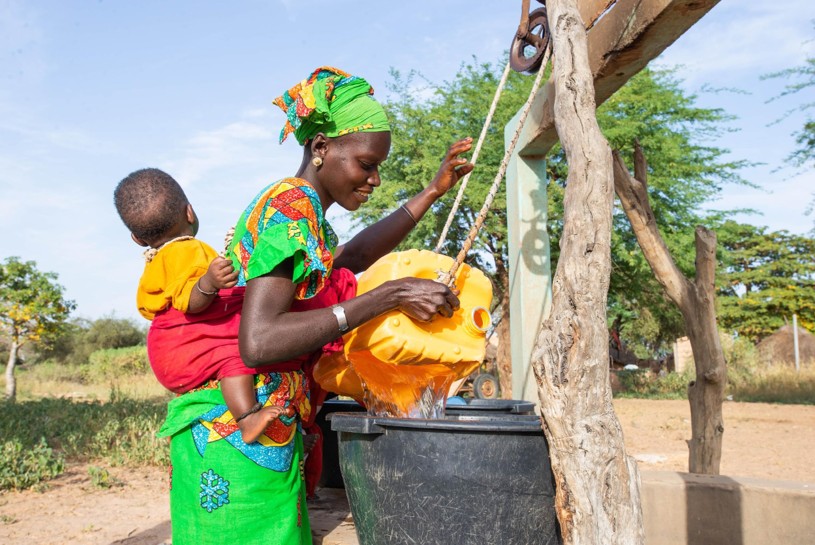
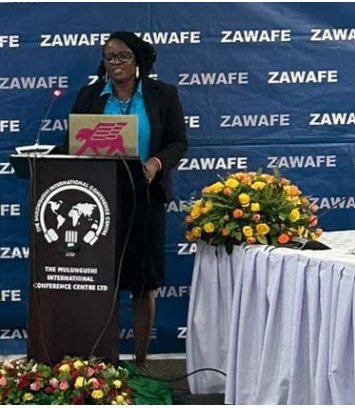
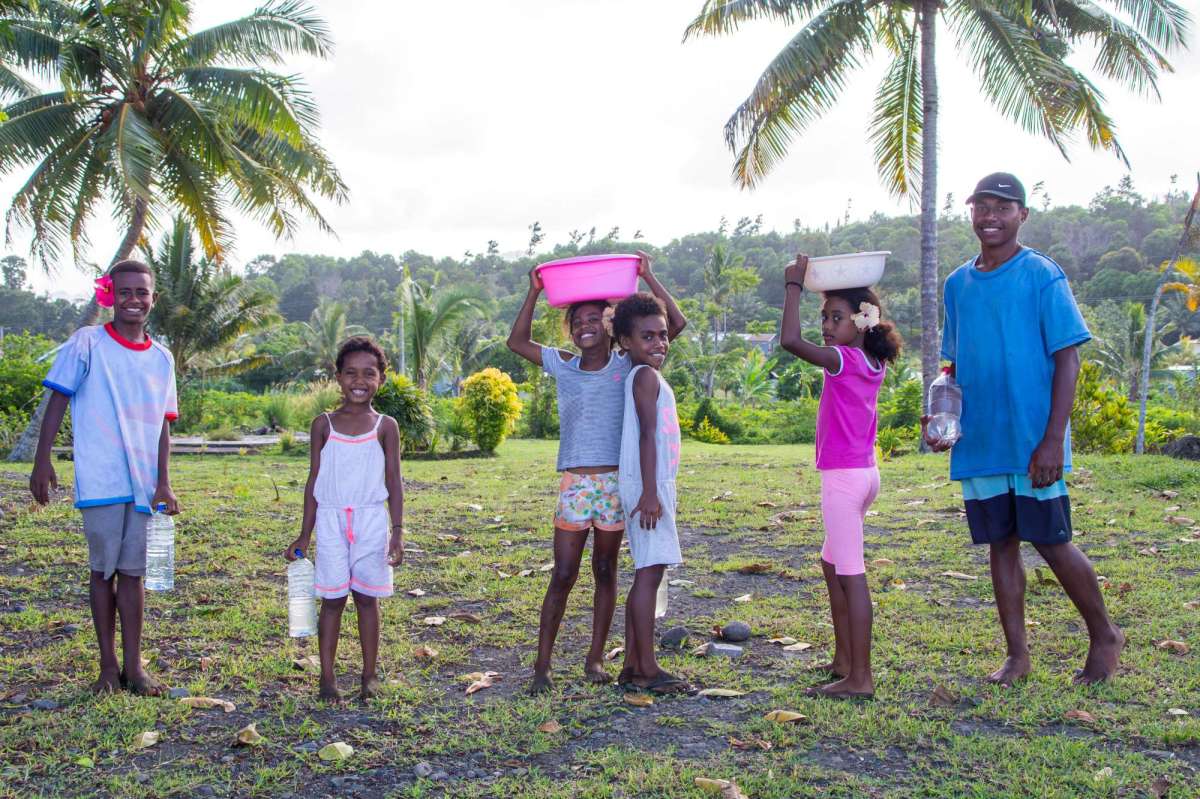
Guest blog by Rebecca Laes-Kushner. Featured photo from RWSN webinar presentation on 29.4.25 (What Drives the Performance of Rural Piped Water Supply Facilities?) by Babacar Gueye from GRET Senegal.

Professionalism. Standards. Systems. These themes are repeated throughout Rural Water Supply Network’s (RWSN) spring and fall 2025 webinar series.

Given the large percentage of boreholes with early failure – within one to two years – improvements in standards and professionalism in borehole drilling are necessary. Drilling association leaders spoke passionately about the need for borehole drillers to professionalize to improve the quality of boreholes, increase accountability, stop illegal drilling and enhance community buy-in, which occurs when standards are enforced and certified materials are used.

George k’Ouma, from the Small Scale Drillers Association of Kenya, said it best: Professionalism isn’t optional.

A tidbit: Small borehole drillers have an advantage over large operations because they have knowledge of the local geology and seasonal changes, which enables better planning and materials selection.

Another area in need of increased professionalism is water management. Professor Kwabena Nyarko, from Kwame Nkrumah University of Science and Technology, Kumasi (KNUST), conducted a study comparing public sector, private sector and community water management in Ghana. Model type was less important than having professional standards and following best practices, including metering, tariffs that covered maintenance costs, efficient collection of tariffs, audits and reporting, digital recordkeeping and training, as well as financial support.

Jose Kobashikawa, head of the Enforcement Directorate for Sunass, the regulatory body for drinking water and sanitation services in Peru, echoed these concepts in his presentation. SUNASS uses a benchmarking tool to evaluate rural providers. Metrics include formality and management (are they registered, do they have a water use license), financial sustainability (do they collect tariffs, what percent of customers are defaulters), and quality of services (is water chlorinated and daily hours of water supply). High performing providers are awarded certificates recognizing their good practices in public management and workshops are held in each region to disseminate best practices.

Focusing on systems is another thread that runs through the varied webinar topics. Systems thinking means designing a scheme for the long-term provision of water. Boreholes must be properly sited. Appropriate materials, such as high quality stainless steel (304/316), need to be selected in order to prevent corrosion, as RWSN’s Stop the Rot initiative details. Handpumps often corrode within months or years instead of lasting a decade. Ayebale Ared, Technical and Social Expert at Welthungerhilfe, shared Uganda’s systemic solution: in 2016 the country banned the use of galvanized iron (GI) risers and rods in all new and rehabilitated handpumps – the first sub-Saharan country to do so. Uganda also requires a water quality analysis be done before materials are selected.

In addition, data collection and use must be embedded in all stages and aspects of water projects.. Dr. Callist Tindimugaya, Commissioner for Water Resources Planning and Regulation in Uganda, collects data from drillers which he then turns into groundwater maps the drillers can then use.

Systems thinking also means including the needs of the entire population in the design, especially women,  who bear the burden of hauling and carrying water. Women – who are killed by crocodiles while washing clothes in rivers, whose skin is irritated by harsh detergents, who find leaning over low wash basins harder as they age, who need to wash bloody clothes and bedsheets separately from the family’s regular laundry when they menstruate. Laundry is barely mentioned in WASH circles but RWSN devoted an entire webinar to the topic. One speaker questioned how the WASH sector would be different if the metric for success was the amount of time women spend collecting water.

Understanding the local culture is critical; psychologists, behaviorists and sociologists can help provide insights. Technical solutions which aren’t accepted by the community will only lead to failure.

The lack of funds to cover maintenance work on wells is well known. Systems thinking means anticipating root causes of funding issues in a community and pre-emptively building a system that attempts to solve those issues. Tariffs are too low to cover maintenance? Then the project needs to determine how sufficient funds will be raised, whether through higher water fees (that may be less affordable to low-income families) or from external sources. The water committee is inefficient at collecting funds? Then training and capacity building need to be part of the project design from the beginning. 

Looking at the bigger picture helps creative ideas flourish: Household rainwater harvesting, replenishing water aquifers through tube recharging, deep bed farming that breaks up the hard pan so water can return to the aquifer, sand dams that filter water and incorporating water management and regreening in the design and construction of roads so crops can grow next to roads. During the laundry webinar, three organizations presented their laundry solutions – devices that save women time, eliminate much of the manual labor, use less water and even offer income-generating opportunities.

The webinars are at times frustrating because we clearly know what needs to be done – yet professionalism, systems thinking and best practices are not always prevalent. More often, though, the webinars are full of insightful information and inspiring stores from experts. The knowledgeable participants, who ask focused, detailed questions, enhance the experience. I look forward to the spring 2026 webinars which are currently being planned.


Rebecca Laes-Kushner is a consultant to NGOs and companies with a social mission, with a particular focus on development issues such as WASH, climate change, supporting SMEs, health care and nutrition. Laes-Kushner Consulting (https://laeskushner.net/) provides research and writing, data analysis, M&E and training services. Rebecca has a Master’s in Public Administration (USA) and a Certificate of Advanced Studies in Development and Cooperation from ETH NADEL in Switzerland.

Borehole Drilling Supervision Capacity in Zimbabwe

by Joseph T Njanike

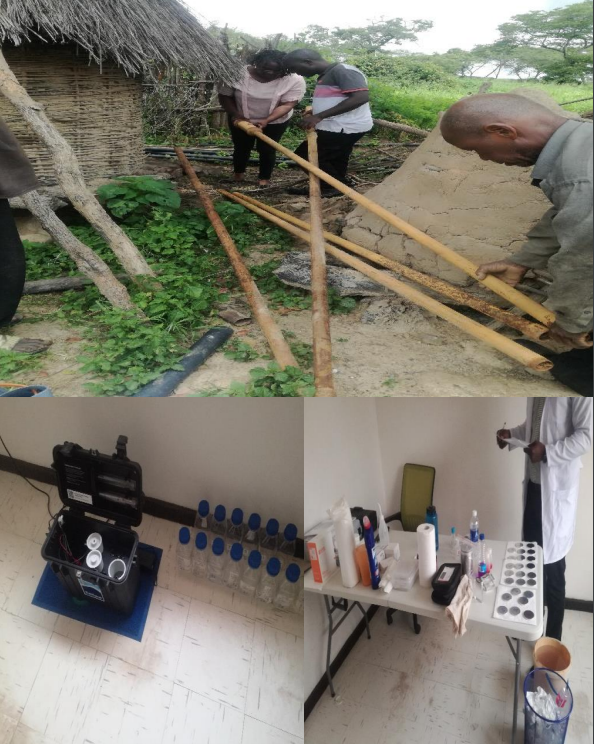
Photo: Supervised Borehole Drilling Project: Collection of Water Samples for Water Quality Analysis at a completed Borehole during the Final Certification Process

As one of the few remaining qualified, experienced, and active drilling supervisors in Zimbabwe, I would like to share experiences on the status of borehole drilling supervision in my country, Zimbabwe.

Drilling Supervision: A Technical Perspective

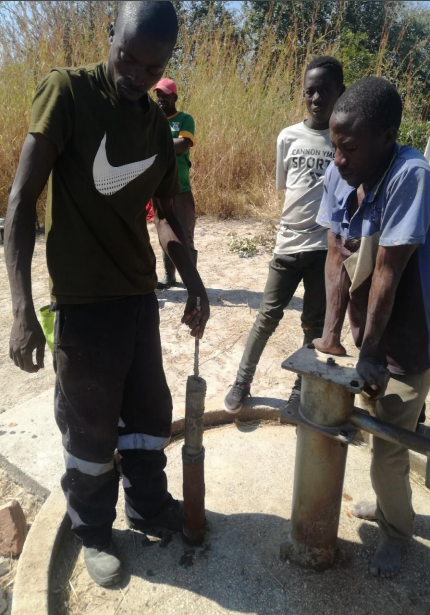
Rural areas, where the majority of Zimbabweans reside, are mainly serviced through groundwater sources for their water supply needs. The life span for a significant number of boreholes that have invariably become the technology of choice in Zimbabwe has in most cases proved to be short. This has mainly been due to shortcomings bedeviling the drilling and construction process thereby making the professionalisation of the borehole drilling imperative. Borehole drilling supervision, among other factors, is an integral component of the borehole drilling professionalisation process. This requires the hiring of professionals with relevant qualifications and experience to provide adequate supervision of drilling and related operations for the purposes of controlling the quality of work and securing compliance with the design and technical specifications stipulated for the drilling works as well as generating information for making key decisions in terms of on-site design modifications and the final borehole depth. In this context, questions about whether there is sufficient capacity to supervise borehole drilling in Zimbabwe would need some answers.

Professionals have left the country

Most of the qualified hydrogeologists or professionals with a geological background and relevant experience in drilling supervision have migrated to other countries in the Southern Africa region and beyond. This has largely been due to the fact that job opportunities in the groundwater development field in Zimbabwe are scarce.

Continue reading “Borehole Drilling Supervision Capacity in Zimbabwe”

Hydrogeology of southern Madagascar: new mapping tool

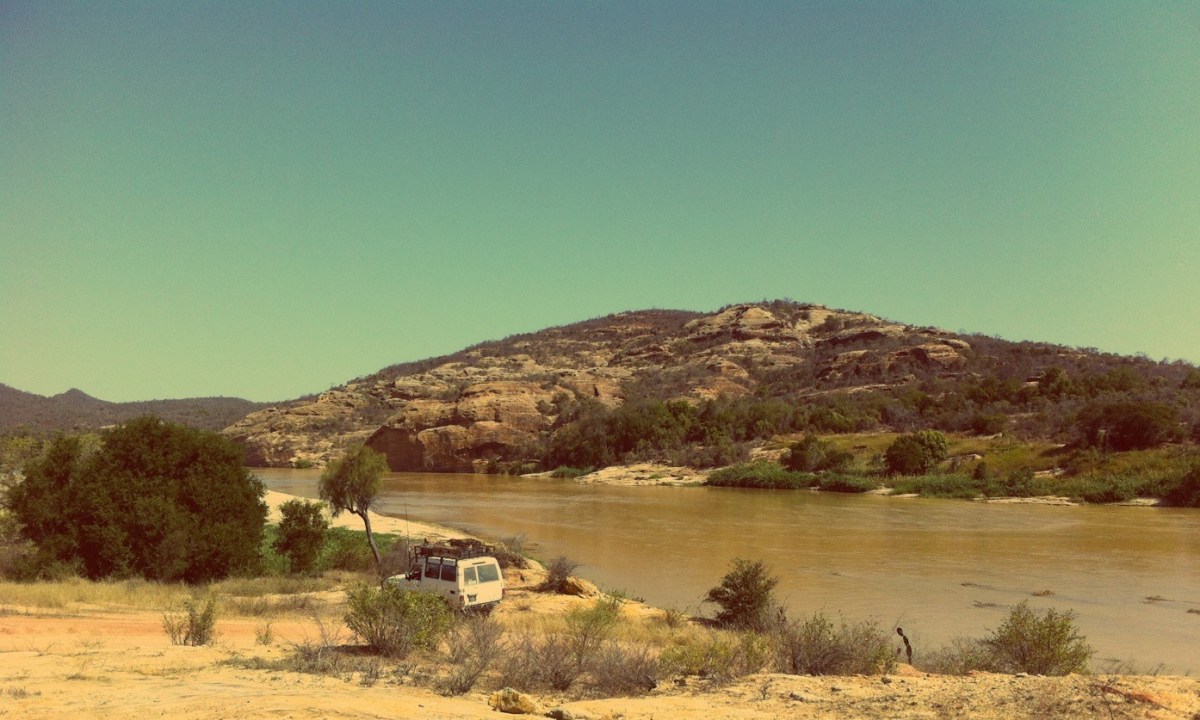
BushProof Sàrl, drawing on more than 15 years’ experience of working in southern Madagascar, supported by two hydrogeologists from the Swiss Agency for Development and Cooperation (SDC), set out to work in an appropriate way on knowledge of aquifers in the regions of southern Madagascar. Together, they financed and created a mapping tool to improve knowledge of the functioning of groundwater in southern Madagascar, which was completed in 2023.

The south of the island of Madagascar has been experiencing prolonged periods of drought for several years. The growing local populations there now have very limited access to water, leading to deteriorating living conditions. However, large quantities of water flow through this area via aquifers whose functioning remains poorly understood.

Continue reading “Hydrogeology of southern Madagascar: new mapping tool”

Hydrogéologie du Sud de Madagascar: nouvel outil cartographique

BushProof Sàrl, mettant à profit une expérience de travail de plus de 15 ans dans le Sud de Madagascar, appuyé par deux hydrogéologues de la Direction du Développement et de la Coopération (DDC), s’est proposé de travailler de manière appropriée sur la connaissance des aquifères des régions du Sud de Madagascar. Ensembles, ils ont financé et créer un outil cartographique afin d’améliorer la connaissance du fonctionnement des eaux souterraines dans le Sud de Madagascar. Cet outil a été réalisé en 2023.

Le Sud de l’île de Madagascar connait, depuis plusieurs années, des périodes prolongées de sécheresse. Les populations locales grandissantes y ont aujourd’hui un accès très restreint à l’eau, ce qui engendre des conditions de vie dégradées. Pourtant, d’importantes d’eau transitent dans cette zone via des aquifères dont le fonctionnement reste mal connu.

Continue reading “Hydrogéologie du Sud de Madagascar: nouvel outil cartographique”

The role of galvanized pipes in the corrosion and failure of hand pumps

Stop the Rot during ZAWAFE 2023 Zambia – 4/4

This blog is part of a four-part series covering the presentations given at the 11th Zambia Water Forum and Exhibition. The event, themed “Accelerating Water Security and Sanitation Investments in Zambia: Towards Agenda 2023 through the Zambia Water Investment Programme”, lasted three days. 

Our blog series takes a focused look at the presentations and discussions that revolved around “Addressing Rapid Hand Pump Corrosion in Zambia – Stop the Rot!”, which was co-convened by UNICEF and WaterAid,  together with Ask for Water GmbH and the RWSN, hosted by Skat Foundation. 

Cover photo: Red, iron-rich water being pumped. Photo: WaterAid Uganda

Second session:

The role of galvanized pipes in the corrosion and failure of hand pumps

Empowered Communities Helping Others (ECHO) has been implementing a safe water project since 2020. This is a Water Sanitation and Hygiene (WASH) project, whose main intervention is borehole rehabilitation which is implemented in rural parts of Zambia’s Western and Central Provinces, in collaboration with the Local Authority. In practice, the need to rehabilitate a borehole arises when a functioning borehole presents usage problems such as non-production of water, worn out parts such as pipes, rods, handles, chains, cylinders, water chambers, pedestal, head assembly, bearings, etc.

Since 2020, ECHO has rehabilitated a total of about 850 boreholes in Central and Western Zambia, benefiting a total of about 255,000 people. 

It was found that rehabilitating a borehole can be more economical than constructing a new one. It is simpler and faster and can be an appropriate solution in an emergency because it doesn’t require things like mobilizing a drilling rig. However, if the rehabilitated borehole is to be used for a long time, it is important to estimate its life expectancy.

The rehabilitation option chosen depends on the conditions of the existing borehole, the causes of the damage, the technical and logistic options, and the existing alternatives such as the construction of a new water point. 

According to the severity of the borehole problems, the work requirements may vary from a simple repair at the surface to re-equipment. 

For the project, all GI pipes are replaced with new PVC ones. This is done in order to prevent and reduce iron contamination (as a result of corrosion) which from the past four years we have observed is a contributing factor to borehole failure and abandonment 

The main observed sources of iron are

▪ From natural sources in the aquifer 

▪ From pump components such as steel casings and galvanized pipes. 

▪ In other instances, a combination of both has been observed to be possible. ▪ Within 3 to 6 months of installing hand pumps with galvanized material, pipes and rods have been found to be heavily corroded. 

▪ When corrosion is the main source of iron, iron concentrations reduce drastically when water is pumped out and fresh recharge is allowed. If iron concentrations remain high throughout during continued pumping, the case has been that it is likely the iron is coming from the aquifer.

Experiences on hand pump corrosion 

Hand pumps with GI pipes, sometimes only a year or two old have corroded, and people have returned to unprotected water sources. Water with pH below 6 has been observed to have corroded pipes. High iron concentrations in handpumps have been a usual occurrence this has been observed through regular water quality testing and evaluating the change in iron concentration over the period of our operations. Stainless steel pipes and rods had corrosion rates lower than galvanized iron (GI) pipes and rods.

Experiences on hand pump corrosion 

The brown or reddish color is observed in the morning when the pumps had not been used during the night 

However, groundwater has been observed to hold significant concentrations of iron but appears clear and colorless. When this water is pumped out after being exposed to the atmosphere, the color changes to red/brown.

Figure 3: Sampled on Friday 2nd June 2023 in Central Province. 

General complaints recorded from communities: 

Within weeks and months of installation, communities would begin to complain about water quality. These complaints range from metallic taste, odor, and the appearance of water. Also, the communities would report discoloration of water and cloths and highly turbid water. 

All these result in people abandoning the water point and going back to unprotected alternative water sources. 

Positive observations 

The use of uPVC pipes and stainless-steel adapters has so far shown positive results in reducing iron contamination.  After switching from galvanized pipes to UPVC, the communities have observed reduced to no brown or reddish color in the water.  uPVC pipes last long, so you won’t have to worry about replacing them anytime soon. Since uPVC is non-porous, uPVC pipes help by preventing any contamination from occurring. uPVC is resistant to corrosion as it is not susceptible to chemical and electrochemical reactions, so there are better option in controlling iron contamination. The use of uPVC pipes and stainless-steel adapters has so far shown positive results in reducing iron contamination

Figure 4:  Riser pipe removal and water quality testing for an installation that was less than six months old by ECHO. 

What we are advocating for: 

▪ Stakeholders should address the handpumps with corrosion problems as a priority in order to guarantee the water quality we supply to the people.

▪ Testing boreholes that present iron contamination to determine whether the source of iron is from the aquifer or from corrosion. This will provide the best options for the right material to equip the water point with 

▪ Competent borehole drilling and rehabilitation supervision should be ensured so that all standards and specifications are adhered to. 

▪ Regular water quality analysis is undertaken, and critical parameters are tested to address problems such as corrosion and other related problems that shorten the life span of a hand pump

You are invited to access the presentations HERE, along with the session’s concept and report. If you would like to dive deeper into the enriching exploration of water challenges and solutions through the Stop the Rot initiative, visit this page.

About the author: 

Annie Kalusa – Kapambwe presenting at  at ZAWAFE 2023 

Annie Kalusa is an accomplished development practitioner and administrator. Currently working for a local Zambian NGO Empowered Communities Helping Others (ECHO) in Zambia, focusing on improving the wellbeing of Vulnerable Rural Communities. Her areas of focus are climate resilient Water Sanitation and Hygiene (WASH). She is currently developing her thesis on Rural Agriculture Practices and Mechanisms for Water Resource Management.

Photo credits: Annie Kalusa

Online learning on groundwater – strengthening capacity in African member states and beyond

Professional Drilling Management & Groundwater Resources Management

Thanks to funding from the Federal Institute for Geosciences and Natural Resources (BGR) in Germany, 2022 saw Ask for Water GmbH, together with the Africa Groundwater NetworkCap-Net UNDP and several other partners (see below) develop and run two online courses on groundwater. The courses strengthened the capacity of staff of governments, NGOs, the private sector and academia in African member states and beyond. 

The courses, hosted by Cap-Net UNDP, and offered free of charge to participants, were entitled Groundwater Resources Management and Professional Drilling Management. Each course was specifically developed for professionals working on these issues, or responsible for decision making.

Face to face training course on drilling supervision
in Sierra Leone (Source: Kerstin Danert)

Professional Drilling Management Course

Drilled water wells are vital to achieving universal clean drinking water, providing safe, affordable, reliable and available water sources. To ensure that the water wells or boreholes are built to last, they must be drilled, developed and completed in a professional manner. Key elements of a professional drilling sector are robust procurement, contract management, siting, borehole design, construction, and supervision. Furthermore, the management of the groundwater resources must also be considered and support provided to long-term maintenance if services are to last. Unfortunately, in many countries it is difficult to develop skills in these areas due to a lack of training and mentoring opportunities.

The 2022 online course on Professional Drilling Management provided participants with a comprehensive overview of the different aspects of drilling management, specifically (i) groundwater data and siting; (ii) procurement and contract management (including costing and pricing; (iii) borehole drilling and supervision and (iv) legal and institutional frameworks. In the last of five modules, participants were encouraged to reflect upon and share actions that they as individuals and as organisations could take to raise drilling professionalism in the context in which they work. From the 781 people who applied for the course, 314 were selected, of which 209 were active participants. A total of 162, equivalent to 78% of the active participants passed the course. 

You can access the 2022 course report, manual and key training materials here.

If you would like to learn about what alumni of previous online courses on Professional Drilling Management have done with their knowledge, check out the short film below or the short report of their testimonials.

Groundwater Resources Management Course

An estimated 50% of the global and 75% of the African population rely on groundwater for their drinking water supplies. Groundwater supports social and economic development and will become increasingly important in the face of climate change, as groundwater resources are often less affected than surface water by climate change impacts. If groundwater is to provide reliable, safe and sustainable water supplies now and for future generations, the resource must be well-managed. This requires consideration of the entire system of policies & laws, strategies & guidance, monitoring & management as well as investments & projects. Good groundwater management needs sound capacities in water authorities. But at same time, as many elements of groundwater management fall in other sectors, a general understanding of groundwater management principles in sectors like agriculture and urban planning is key for its successful implementation. 

The 2022 online course on groundwater resources management provides participants with a comprehensive overview of the multiple factors that impact upon groundwater. It was a self-paced course and was hosted on the virtual campus of Cap Net/UNDP.

The course comprised 5 modules; each with a short introduction, goal, learning objectives and orientation video, as well as mandatory videos and reading materials: 

  • Module 1: Characterization of Aquifer Systems from a Management Perspective
  • Module 2: Groundwater monitoring and data/information management & communication
  • Module 3: Groundwater quality and source water protection
  • Module 4: Groundwater regulation, licensing, allocation and institutions for aquifer management
  • Module 5: Transboundary aquifers in Africa: Approaches and mechanisms

You can access the 2022 course report, manual and key training materials here.

Artesian well near Lake Chad, Chad
(Source: Moustapha Diene

What next?

The Rural Water Supply Network (RWSN), Ask for Water GmbH, the Africa Groundwater Network (AGW-Net), Cap-Net UNDP and partners would like to offer these courses on an annual basis. We are currently looking for sponsors/funders to make this possible. In case you are interested, please contact us via  info@rural-water-supply.net.

Should we manage to get these courses off the ground, we will announce them through the Africa Groundwater NetworkCap-Net UNDP and the Rural Water Supply Network as well via LinkedIn.

Funded by

Partners

Rural Community Water Supply: Sustainable Services for All

Covid-19 gave me the chance to commit to paper (or electronic form, if you prefer) some of my understanding and experience gained over several decades. The outcome is a book, published earlier this year, entitled Rural Community Water Supply: Sustainable Services for All.

by Professor Richard C. Carter

Richard encountering some resistance in Kaabong, Uganda (photo. RC Carter)

Many hundreds of millions of rural people – the exact number is not known, and it is immaterial, except that it probably lies between one and two billion – experience inadequacies in the supply of the water which they use for drinking and other domestic uses.

These inadequacies are partly reflected in the ‘normative criteria’ as defined by the human right to water which apply to water services globally. These criteria ask whether and to what extent water services are available, accessible, affordable and acceptable, and whether their quality meets national or international standards. They also highlight the importance of cross-cutting criteria (non-discrimination, participation, accountability, impact, and sustainability).

Continue reading “Rural Community Water Supply: Sustainable Services for All”

Stop the rot – action research on handpump quality in sub-Saharan Africa

Premature corrosion and failure of water supply hardware, particularly handpumps, is widespread in countries within Sub-Saharan Africa, but evidence is limited and largely anecdotal. If drillers are not assured of quality handpumps in country, how can they install pumps that provide water users with the services that they deserve? For the tens of millions of people in sub-Saharan Africa who depend on handpumps to meet their daily water needs, handpump failures threaten their health and livelihoods. 

In cases where communities receive a handpump or components of substandard quality, parts may rapidly wear. If components of the wrong material or inadequate quality are installed in aggressive groundwater, the water supply may not function properly or can fail. Alternatively, the water may not be suitable for drinking. If the handpumps fails, or if water is turbid, discoloured, or has a metallic taste, users may return to using distant or unsafe water sources. If handpump components wear prematurely, communities can incur unnecessary costs in trying to fix the problem. 

A new initiative by Skat Foundation and Ask for Water GmbH under the Rural Water Supply Network (RWSN) strives to find ways to ensure that handpump technologies and spare parts that are installed for drinking water in sub-Saharan Africa are consistently of high quality and can last.

The initiative runs up to March 2022 and will:

  • Document the scale and extent of the problem of handpump corrosion and poor-quality components in sub-Saharan Africa.
  • Understand the handpump supply chains for one country, analysing strengths and weaknesses.
  • Raise awareness of problems of handpump corrosion, poor-quality components alongside practical solutions for water users, drillers, governments, Non-Governmental Organisations (NGOs) and others.
  • Catalyse action through ongoing engagement of international organisations, national governments, research organisations and other stakeholders to catalyse actions to tackle the problem.

The initiative will examine corrosion (see box), quality assurance procedures and supply chains. It seeks to draw out successful or innovative ways of ensuring that users benefit good quality handpumps – consistently! If you would like to contribute to the initiative, especially by sharing your experiences and ideas, please contact Dr Kerstin Danert (ask @ ask-for-water.ch).

Box: Corrosion and handpump quality challenges

The twin challenges of how to ensure the quality of handpumps and how to prevent rapid corrosion of certain pump components have been discussed for over four decades. Corrosion of below-ground handpump components was documented in the 1980s. Research concluded that galvanisation of pump riser pipes and pump rods does not prevent corrosion where the pH < 6.5 and provides limited protection for pH 6.5 to 7. In light of this, programmes have switched riser pipes and pump rods to stainless steel or switched to uPVC riser pipes and stainless-steel pump rods, while some countries standardised on pumps which aims to be fully corrosion resistant by using a uPVC rising main and stainless steel, or fibre glass pump rods. Unfortunately, handpump corrosion problems and concerns over handpump component quality persist. The extent of the problem is not fully known because of relatively little research on this topic, coupled with a lack of information available in the public domain. 
This article first appeared in GeoDrilling International (March 2021)

The need for professional associations for water well drillers

This is a guest blog by RWSN Young Professional Uyoyoghene U. Traoré, geologist and freelance consultant in water and environment. This article was originally published in GeoDrilling international and is reposted with thanks. You can read the original article here.

Groundwater accounts for over 97% of the world’s fresh water with over two million people depending on it for their Survival. In Africa, it is estimated that groundwater provides over 75% of the population with a drinking water supply, and has been said to be essential in securing equitable water access for the rural and urban poor around the world. It has been established that groundwater has a major role to play in achieving the Sustainable Development Goal (SDG) for drinking water. Though very important, groundwater is not properly captured in national or international monitoring. As an unseen resource, it is easily forgotten, making it undervalued and not properly managed.

As an entry point towards the progressive and effective management of groundwater, I undertook a study on the challenges of water well drillers and drillers association in six countries – Angola, Burkina Faso, Mozambique, Nigeria, Uganda and the United State of America was carried out. I tried to understand groundwater issues within these countries from the perspective of drillers themselves. Drillers are in direct contact with the resource, and some have recognised the importance of having a drillers association.

As at the time of the study (2019) only three water well drillers association exist and were active only in Nigeria, Uganda and the USA. In the case of the others (inactive), there is an informal working group in Angola, an organised body in Burkina-Faso and Mozambique.  Where they exist, drillers associations were an entry point to support national, international and local partners in groundwater management, were able to advocate and lobby for sustainable policies and realistic contracts. They also sensitised the public on the resource and helped reduce the presence of unqualified drillers from the sector.

In the study, I identified eight main challenges for water well drillers, namely – capacity, contracts and standards, procurement, finance and payment, corruption, data, logistics, and the availability of spare parts. I also learned about the advantages and disadvantages of having an association, as well as what makes them successful or not. A lack of clarity with respect to groundwater policies, and a lack of capacity by national institutions to implement policies or engage in groundwater monitoring was apparent in four (Angola, Burkina Faso, Mozambique and Nigeria) of the six countries.

So, what did the study reveal?

  • With the exception of the USA, there is a lack of capacity of drillers and national institutions in the countries studied. Drillers often lack the capacity to drill water wells in a sustainable way. In most of the cases, this is due to the absence of dedicated training institutions on groundwater issues or the inability of organised drillers association to engage in the development of its members.
  • Poor contract management, lack of transparency and corruption in procurement processes were mentioned. These have adversely affected the quality of drilled wells leading to a short lifespan of these wells. “Turn- key contracts” (Burkina Faso & Uganda), “No water no pay principle” (Mozambique & Nigeria) and “the gentleman’s agreement” (Angola) are some forms of poor contract identified. The client passes all, or most of the risk of finding water to the drillers – even in places where good groundwater resources are not easy to find.
  • Delayed payments by clients poses danger to the long-term viability of drillers’ businesses. This is a particular challenge in countries where the government is the major client (Angola, Burkina Faso, Mozambique and Uganda).
  • The absence or lack of groundwater data means underestimation of prices of drilling in certain terrains as well as drilling with uncertainty. The USA and Uganda are the only two countries with some form of groundwater data.
  • Drillers associations struggle to sustain themselves on a long term due to lack of finance resulting from low membership. In Mozambique and Burkina Faso for example, some drillers still do not see the need for an association while, there is no dedicated member to run the informal working group in Angola.
  • It was noted that there is a lack of transparency in existing associations except the USA. Leadership find it difficult and costly to be accountable to members and non-members alike.
  • Except for the USA, and more recently Uganda, the associations have not been able to engage in continuous capacity building, or training programs for its members. This has been identified as mainly being a result of lack of funds.

A major concern observed is the future of groundwater. In all six countries studied, it was found that there are very few or no young professionals in the field. This indeed put the future of groundwater development at a very high risk. In addition, very few women were observed to be in the profession.

From my work, I have two sets of recommendations:

  • In the short term, it is imperative that drillers association in other countries be investigated. Prioritise the establishment of drillers associations in countries where there are none and support rekindling inactive ones. The capacity of drillers and national institutions should be strengthened – advocate for compulsory internship programs on a continuous basis. Also, develop school curriculum on water with emphasis on ground water. Create a global platform for young professionals dedicated to training, learning, including internships with local firms.
  • In the long term, there is need to create a global platform for drillers, experts and institutions working on groundwater water issues in collaboration with existing institutions to learn and share best practices. Develop in study and exchange programmes, including creating mechanisms for international internships and volunteering.

I hope, that my study will help to inspire developmental organisation, funders, national institutions and above all drillers themselves to recognise the importance of using professional drillers and to support, and collaborate with water well drillers associations.

The study was carried out by Uyoyoghene U. Traoré as a volunteer for the Rural Water Supply Network (RWSN) under its 2018-2023 young professional engagement strategy. The full study can be downloaded here.

Just how much do countries rely on groundwater point sources for their drinking water?

Preliminary analysis of census and national survey data from the 2019 Joint Monitoring Programme, by Dr Kerstin Danert

An important issue for those of us that think a lot about groundwater is the extent that various countries rely on it for their drinking water.

The data presented in the table below has been prepared from the 2019 data published by the Joint Monitoring Programme (JMP) of the World Health Organisation (WHO) and UNICEF (see https://washdata.org/data). Each country has an associated Country File (an excel spreadsheet) with collated data on Water, Sanitation and Hygiene use. This data is gathered from national censuses as well as household surveys such as the Demographic and Health Surveys (DHS) and Multiple Indicator Cluster Surveys (MICS) and many others. The country files given excel spreadsheets on the JMP website (not to mention the underlying surveys) contain a wealth of data!

The table below shows the percentage of the population that rely on groundwater point sources as their main source of drinking water for every country and territory for the most recent year for which census or survey data is available. The data is presented for urban, rural and total populations.  Groundwater point sources include protected and unprotected wells and springs, as well as tube wells and boreholes.  Countries may have slightly different nomenclature for the above terms, but these are harmonised in the country tables produced by the JMP.

It is important to note that the data only includes point sources.  Water that is bought from vendors, sold in bottles/sachets or transmitted in pipes may also originate from groundwater, but this information is not generally collated by the censuses or surveys and thus cannot be reflected.  Consequently, the actual dependency of a particular on groundwater for drinking may be considerably higher. In addition, national governments may also make calculations based on the infrastructure available and assumed number of users per source. Due to the different methods of data collection and calculation, these estimates may differ from that collected by the household survey or census.

Please note that the analysis below has not been peer-reviewed, and so if you are intending to use the data, please do check in the respective JMP country file.  You can access Country Files on: https://washdata.org/data. Click on map to select country, download “Country file” and open the “Water Data” tab. In case you spot any mistakes in the table below, please respond in the comments in the blog below or contact the author directly, via rwsn@skat.ch.

Table 1 Groundwater point source as main drinking water source (% of the population classified as urban, rural and total)

Urban Rural Total
Country Census/ Survey Year Ground-water point source as main drinking water source (% of the urban pop.) Census/ Survey Year Ground-water point source as main drinking water source (% of the rural pop.) Census/ Survey Year Ground-water point source as main drinking water source (% of the total pop.)
Afghanistan 2017 57.3% 2017 71.5% 2017 68.1%
Albania 2012 6.4% 2012 14.7% 2012 10.2%
Algeria 2013 6.6% 2013 19.6% 2013 11.3%
American Samoa 2010 0.5%
Andorra 2005 6.6%
Angola 2016 17.7% 2016 43.0% 2016 26.8%
Anguilla 2009 0.7% 2009 0.7%
Antigua and Barbuda 2011 0.4%
Argentina 2013 9.1% 2010 37.7% 2010 15.0%
Armenia 2016 0.1% 2016 2.6% 2016 1.1%
Aruba 2010 1.3%
Australia 2013 0.1% 2013 1.1% 2013 0.5%
Azerbaijan 2017 0.1% 2017 12.1% 2017 5.4%
Bahamas 2010 2.9%
Bahrain 1995 1.4%
Bangladesh 2016 66.4% 2016 94.7% 2016 84.9%
Barbados 2010 0.1% 2012 0.1%
Belarus 2012 2.7% 2012 32.9% 2012 11.1%
Belize 2016 0.3% 2016 4.1% 2016 2.5%
Benin 2014 39.4% 2014 56.8% 2014 48.9%
Bhutan 2017 0.3% 2017 0.6% 2017 0.5%
Bolivia (Plurinational State of) 2017 5.0% 2017 42.2% 2017 16.5%
Bosnia and Herzegovina 2012 3.6% 2012 11.4% 2012 8.9%
Botswana 2017 0.1% 2017 14.9% 2017 5.3%
Brazil 2017 0.4% 2017 8.4% 2017 1.6%
British Virgin Islands 2010 1.9%
Brunei Darussalam 2011 0.1% 2011 0.1% 2011 0.1%
Bulgaria 2001 0.4% 2001 2.7% 2001 1.1%
Burkina Faso 2017 17.1% 2017 85.6% 2017 72.9%
Burundi 2017 8.6% 2017 68.1% 2017 61.5%
Cabo Verde 2007 0.1% 2012 15.1% 2012 5.1%
Cambodia 2016 13.5% 2016 47.2% 2016 40.2%
Cameroon 2014 35.5% 2014 74.1% 2017 50.0%
Canada 2011 0.1% 2011 0.7% 2011 0.3%
Caribbean Netherlands 2001 27.3%
Cayman Islands 2010 4.9% 0.0% 2010 4.9%
Central African Republic 2010 49.1% 2010 92.1% 2010 75.4%
Chad 2015 48.0% 2015 82.4% 2015 74.6%
Chile 2017 0.6% 2017 4.0% 2017 2.4%
China 2013 7.4% 2013 43.1% 2016 22.4%
Colombia 2018 0.4% 2018 13.7% 2018 3.3%
Comoros 2012 5.1% 2012 21.3% 2012 16.2%
Congo 2015 24.9% 2015 65.7% 2015 38.3%
Cook Islands 2011 0.0%
Costa Rica 2018 0.0% 2018 0.5% 2018 0.2%
Côte d’Ivoire 2017 33.9% 2017 71.0% 2017 49.5%
Croatia 2003 3.3% 2003 18.0% 2003 20.0%
Cuba 2011 13.5% 2014 41.9% 2011 18.2%
Curaçao 2011 0.9%
Czechia 2003 1.5% 2003 7.1%
Democratic People’s Republic of Korea 2017 17.1% 2017 58.1% 2017 33.1%
Democratic Republic of the Congo 2014 33.0% 2014 79.4% 2014 63.5%
Djibouti 2017 0.6% 2017 55.5% 2017 10.9%
Dominica 2001 0.6% 2001 6.3% 2009 0.3%
Dominican Republic 2016 0.1% 2016 2.3% 2016 0.7%
Ecuador 2017 1.1% 2017 17.1% 2017 6.1%
Egypt 2017 0.4% 2017 2.1% 2017 1.4%
El Salvador 2017 3.0% 2017 12.3% 2017 6.6%
Equatorial Guinea 2011 44.7% 2011 51.9% 2011 48.4%
Eritrea 2010 3.4% 2010 36.0% 2010 24.6%
Estonia 2010 1.7% 2010 18.8% 2010 6.7%
Eswatini 2014 3.7% 2014 31.5% 2014 24.0%
Ethiopia 2017 5.1% 2017 62.3% 2017 52.0%
Falkland Islands (Malvinas) 2016 43.7%
Fiji 2014 1.1% 2014 13.6% 2014 7.2%
Finland 1999 1.0% 2005 5.0% 2005 1.0%
French Guiana 1999 5.0% 1999 6.0% 2015 13.5%
Gabon 2013 3.3% 2013 37.8% 2013 8.2%
Gambia 2013 14.4% 2013 60.0% 2013 32.6%
Georgia 2017 4.9% 2017 46.9% 2017 22.2%
Germany 2007 0.8% 2007 0.8% 2007 0.0%
Ghana 2017 11.3% 2017 56.7% 2017 36.0%
Greece 2001 0.2% 2001 3.8%
Grenada 1999 4.0% 1999 18.0%
Guadeloupe 2006 0.8% 2006 0.3% 2006 0.8%
Guam 2010 0.1%
Guatemala 2015 5.0% 2015 19.6% 2015 13.4%
Guinea 2016 32.8% 2016 75.3% 2016 59.0%
Guinea-Bissau 2014 41.0% 2014 78.0% 2014 61.7%
Guyana 2014 1.3% 2014 5.5% 2014 4.4%
Haiti 2017 8.1% 2017 56.5% 2017 37.5%
Honduras 2017 2.0% 2017 4.2% 2017 3.0%
Hungary 1990 5.0% 1990 28.9%
India 2016 23.8% 2016 63.7% 2016 50.5%
Indonesia 2018 35.2% 2018 66.9% 2018 49.6%
Iran (Islamic Republic of) 2015 1.8% 2015 4.6% 2015 0.8%
Iraq 2018 0.5% 2018 4.6% 2018 1.8%
Ireland 2006 0.0% 2006 0.5%
Italy 2001 3.9%
Jamaica 2014 0.0% 2014 1.2% 2014 0.6%
Jordan 2016 0.3% 2016 0.7% 2016 0.4%
Kazakhstan 2015 3.2% 2015 21.0% 2015 11.5%
Kenya 2017 21.2% 2017 54.1% 2017 46.2%
Kiribati 2014 0.0% 2014 0.0% 2014 0.0%
Kyrgyzstan 2014 1.1% 2014 11.3% 2014 8.1%
Lao People’s Democratic Republic 2017 9.0% 2017 46.0% 2017 34.7%
Latvia 2003 2.4% 2003 12.5%
Lebanon 2016 10.9%
Lesotho 2015 5.5% 2015 27.8% 2015 21.4%
Liberia 2016 58.7% 2016 74.7% 2016 65.3%
Libya 1995 35.8% 1995 26.9% 2014 19.1%
Madagascar 2016 24.5% 2016 61.6% 2016 57.6%
Malawi 2017 16.3% 2017 86.0% 2017 73.8%
Malaysia 2003 0.8% 2003 6.7%
Maldives 2014 0.1% 2014 0.2% 2017 0.5%
Mali 2018 19.5% 2018 72.3% 2018 56.2%
Marshall Islands 2017 0.2% 2017 2.5% 2017 0.6%
Martinique 1999 0.5% 2015 0.4%
Mauritania 2015 6.5% 2015 49.4% 2015 29.1%
Mayotte 0.0% 2013 2.5%
Mexico 2017 0.8% 2017 9.5% 2017 2.8%
Micronesia (Federated States of) 2010 3.6% 2010 10.7% 2010 9.1%
Mongolia 2016 12.8% 2016 52.7% 2016 25.8%
Montenegro 2013 5.1% 2013 29.2% 2013 14.1%
Montserrat 1998 2.0% 1998 100.0% 2001 0.1%
Morocco 2012 1.0% 2012 27.2% 2012 10.2%
Mozambique 2015 21.4% 2015 62.5% 2015 49.6%
Myanmar 2016 34.3% 2016 74.8% 2016 64.0%
Namibia 2016 0.6% 2016 23.4% 2016 11.8%
Nauru 2011 1.6% 2011 0.0% 2011 1.6%
Nepal 2016 41.8% 2016 46.8% 2016 44.4%
New Caledonia 2014 3.1%
Nicaragua 2014 4.4% 2014 59.9% 2016 21.4%
Niger 2017 33.9% 2017 71.0% 2017 49.5%
Nigeria 2018 45.3% 2018 73.1% 2018 60.0%
Niue 1999 20.0% 2010 0.0%
North Macedonia 2011 1.5% 2011 15.1% 2011 7.7%
Northern Mariana Islands 2000 1.3% 0.0% 2010 1.1%
Oman 2014 5.1% 2014 10.0% 2014 6.4%
Pakistan 2016 30.4% 2016 44.0% 2016 39.1%
Panama 2015 0.7% 2015 14.6% 2017 0.0%
Papua New Guinea 2017 2.8% 2017 7.5% 2017 7.1%
Paraguay 2017 2.1% 2017 9.2% 2017 4.8%
Peru 2017 1.5% 2017 11.1% 2017 3.8%
Philippines 2017 8.4% 2017 37.6% 2017 23.9%
Portugal 2001 0.1% 2001 0.7%
Puerto Rico 1995 1.8%
Republic of Korea 2015 1.0%
Republic of Moldova 2012 16.9% 2012 65.1% 2012 47.1%
Réunion 2015 0.2%
Romania 1994 11.3% 1994 81.0%
Russian Federation 2009 3.4% 2009 19.5% 2009 8.6%
Rwanda 2017 17.2% 2017 58.4% 2017 50.4%
Saint Kitts and Nevis 1999 27.0% 1999 27.0% 2007 0.3%
Saint Lucia 2012 0.5% 2012 2.0% 2012 1.6%
Saint Vincent and the Grenadines 1999 20.0% 2012 0.1%
Samoa 2016 2.6% 2016 5.6% 2016 5.0%
Sao Tome and Principe 2010 4.5% 2010 11.7% 2010 6.9%
Saudi Arabia 2017 0.2%
Senegal 2017 7.2% 2017 35.0% 2017 22.5%
Serbia 2014 2.4% 2014 11.7% 2014 6.2%
Sierra Leone 2017 54.7% 2017 68.9% 2017 62.6%
Sint Maarten (Dutch part) 2011 7.4%
Slovakia 2003 2.3% 2003 2.3% 2011 13.1%
Solomon Islands 2015 8.6% 2016 27.6% 2015 17.5%
Somalia 2017 9.5% 2017 60.5% 2017 34.1%
South Africa 2017 0.5% 2017 10.1% 2017 3.8%
South Sudan 2017 66.5% 2017 80.1% 2017 77.3%
Spain 2003 0.6% 2003 0.3%
Sri Lanka 2016 17.3% 2016 51.0% 2016 45.3%
Sudan 2014 2.2% 2014 13.2% 2014 9.8%
Suriname 2017 3.1% 2017 5.4% 2017 3.8%
Syrian Arab Republic 2018 4.2% 2018 11.6% 2018 8.4%
Tajikistan 2017 5.2% 2017 18.7% 2017 15.4%
Thailand 2016 1.8% 2016 6.2% 2016 4.2%
Timor-Leste 2016 20.0% 2016 33.6% 2016 29.9%
Togo 2017 36.6% 2017 61.2% 2017 51.8%
Tonga 1999 28.0% 1999 24.0% 1996 1.7%
Trinidad and Tobago 2011 0.9% 2011 1.0% 2011 0.9%
Tunisia 2015 0.5% 2015 10.8% 2015 3.7%
Turkey 2013 5.0% 2013 40.0% 2013 13.0%
Turkmenistan 2016 4.4% 2016 34.3% 2016 22.6%
Turks and Caicos Islands 1999 22.0% 1999 40.0% 2012 1.7%
Tuvalu 2007 1.7% 2007 0.5% 2007 1.1%
Uganda 2017 35.8% 2017 79.6% 2017 71.9%
Ukraine 2018 11.5% 2018 61.2% 2018 27.8%
United Arab Emirates 2003 0.2% 2018 0.1%
United Republic of Tanzania 2017 19.4% 2017 50.5% 2017 41.2%
United States of America 2015 3.0% 2015 45.2% 2015 11.1%
Uruguay 2017 0.0% 2017 3.1% 2017 0.2%
Uzbekistan 2015 6.9% 2015 22.7% 2015 14.2%
Vanuatu 2016 1.6% 2016 4.8% 2016 4.0%
Venezuela (Bolivarian Republic of) 2011 4.3% 2011 25.6% 2011 6.8%
Viet Nam 2016 19.5% 2016 57.2% 2016 45.2%
West Bank and Gaza Strip 2017 1.2% 2017 3.2% 2017 1.5%
Yemen 2013 2.3% 2013 43.1% 2013 31.6%
Zambia 2015 26.7% 2015 76.8% 2015 55.8%
Zimbabwe 2017 11.1% 2017 77.5% 2017 57.0%

Photo:  Groundwater provides over 80% of the rural population with its main source of drinking water in South Sudan. Photo taken in 2014 in Northern Bahr el Ghazal by Kerstin Danert.