Mon parcours dans le programme de mentorat du RWSN

Ceci est un blog d’une mentorée de RWSN, Awa DIAGNE, et d’un mentor de RWSN, Yves Etienne RAKOTOARISON.

Présentation de la mentorée

Je me nomme Awa Diagne, de nationalité sénégalaise. Je suis actuellement doctorante en première année de thèse à l’université Cheikh Anta Diop de Dakar au Sénégal. J’ai fait une licence en géologie et je me suis spécialisée en hydrogéologie depuis ma première année de Master. Mes recherches ont débuté en 2021 dans le cadre de mon mémoire de Master dont le sujet portait sur l’évaluation du risque sur la santé des teneurs en nitrates et en fluor des eaux souterraines dans les régions de Mbour et Fatick. Actuellement en 2023, mes travaux de thèse sont en cours avec comme sujet de recherche : « Evaluation de la salinité et de la paléo salinité du système aquifère intermédiaire du Paléocène et de l’Eocène dans la zone centrale du bassin arachidier par l’utilisation d’outils isotopique chimique et hydrodynamique dans les régions de Fatick, Thiès, Diourbel et Louga. ». Il s’inscrit dans le cadre d’un projet d’études scientifiques « RAF 7021 » de la Direction de la Gestion et de la Planification des Ressources en Eau du Sénégal (DGPRE) avec l’appui de l’Agence Internationale de l’Energie Atomique (AIEA). Durant mon cursus universitaire, j’ai eu à faire pas mal de formations en ligne et en présentiel et assisté à des colloques universitaires.

Présentation du mentor

Mr Yves Etienne Rakotoarison est un coordonnateur national de projet à RWSN avec plus de 20 ans d’expérience dans le secteur WASH de Madagascar. Pendant 4 ans, avec une équipe de 20 personnes, il a pu aider plus de 700 villages à arrêter la défécation à l’air libre. Il a débuté comme Chef de Projet et occupé le poste de Coordinateur National de Département Wash pour un ONG international pendant 5 ans. Il possède des expériences solides en assainissement en milieu rural et urbain, des projets d’adduction d’eau potable dans différentes zones et surtout dans des zones arides. Il est un pionnier dans l’adoption des solutions innovantes pour faire face au changement climatique.

Pourquoi et comment j’ai intégré le programme de mentorat du RWSN en tant que mentorée ?

Etant jeune chercheure dans le domaine de l’eau et de l’assainissement, j’ai toujours cherché à agrandir mes connaissances dans ce secteur. J’avais besoin d’une personne plus expérimentée que moi avec qui je pourrais échanger. Etant également membre du RWSN, j’ai eu la chance de tomber sur ce programme de mentorat dont les objectifs répondent à mes besoins. J’ai donc suivi le processus pour trouver un mentor au niveau de la plateforme PushFar. Dans un premier temps j’ai pu avoir un mentor qui me correspondait mais qui, malheureusement, était très souvent en voyage et indisponible. Grâce au soutien du secrétariat du RWSN, j’ai pu avoir de nouveau un autre mentor : Mr Yves Etienne Rakotoarison.

Déroulement du mentorat

Après avoir pris contact avec Mr Yves, j’ai établi un calendrier d’activités contenant les jours des réunions ainsi que les thèmes à aborder à savoir : Améliorer mon CV, maitriser le travail de terrain, comprendre davantage le système d’approvisionnement en eau potable en milieu urbain et rural, comprendre comment améliorer l’accès à une eau de bonne qualité aux populations des zones rurales, comprendre comment améliorer les systèmes d’assainissement en milieu urbain et rural, savoir comment entreprendre un projet dans le secteur de l’eau, évaluation et suivi d’un projet dans le secteur WASH, aborder une thèse de manière efficiente, pouvoir allier un travail ou un stage et la rédaction d’une thèse de doctorat, développer mon réseau professionnel, gagner de l’expérience dans le secteur WASH, avoir une bonne stratégie de communication.
Nos échanges se faisaient par appels vidéo sur l’application « WhatsApp » car jugé plus flexible pour nous.
Par soucis de disponibilité, nous avons eu à faire jusque-là que 2 réunions au cours desquels j’ai pu tirer le maximum de conseils et connaissances. Néanmoins, nous comptons poursuivre le mentorat après la fermeture de ce programme.

Dates et durée des réunionsObjectifs et ordre du jourRéalisations
05 août 2023 1 heurePrise    de    contact    et    établissement du calendrier des activités à menerPrésentation du mentor et de la mentorée (parcours professionnels)Disponibilité et fréquence des réunionsPartage de documents (articles scientifiques)
02 Sept 2023 32 minsAborder une thèsePartage de documents (astuces pour bien gérer son temps, exemples et méthodes de gestion du temps, efficience et efficacité au travail, conseils pour rédiger sa thèse)ConseilsComment bien interagir avec mes encadreurs

Conclusions tirées du programme de mentorat

Ce programme de mentorat a été intéressant pour moi dans le sens où j’ai pu bénéficier de précieux conseils de la part de mon mentor. Les documents et articles qu’il a partagés avec moi me permettront respectivement de connaitre les astuces pour mener de manière efficace et efficiente ma thèse et d’enrichir ma documentation.

Je tiens à remercier chaleureusement Mr Yves pour sa disponibilité, sa gentillesse et sa bienveillance envers ma personne et espère qu’on pourra poursuivre nos séances de mentorat.

Merci également au RWSN de nous avoir offert ce programme.

Si vous souhaitez en savoir plus sur notre programme de mentorat et les activités de RWSN, rejoignez notre communauté ici. https://dgroups.org/rwsn
My experience with the RWSN Mentoring Programme

This is a guest blog by RWSN mentee Beatrice Kyomuhendo (Uganda) and RWSN mentor Eng. Cornelius Mpesi (Malawi) who took part in the 2023 RWSN Mentoring Programme.

Mentee’s Thoughts

My name is Beatrice Kyomuhendo, I am a WASH Technical Assistant at The Water Trust in Uganda. The Water Trust is an organization that aims at empowering the poorest rural communities in Uganda by providing clean water and healthy homes for children and their families to thrive.

I found out about RWSN through my supervisor Mr. Enock Obwon Gmuipe who shared information about the RWSN Mentoring Programme. After filling out the application, not knowing what exactly the outcome was going to be, I received an email from Eng. Cornelius Mpesi requesting to be my mentor.

Eng. Cornelius Mpesi is a mechanical and water engineer registered with the Malawi Engineering Institution (MEI) and working with Water Mission. I went through his profile, and I was very surprised at how someone willingly offers to share their knowledge at zero cost. I accepted the request, and we scheduled our first meeting. During the first meeting, we set our targets, objectives, expectations, mode of communication, convenient time for meetings and also signed the mentoring agreement. We were the first mentor and mentee to sign the mentoring agreement.

The most interesting bit of this mentoring programme is that, at the time, we were starting on our first piped water project as an organization and Eng. Cornelius was of great help to me throughout the whole project. The first assignment he gave me was to pick coordinates from our proposed source and where we planned to construct the public stand posts. This is what we used during our classes on Google Earth and EPANET. He took me through pump sizing and solar sizing basing on our project. This made work so interesting as I was always eager to go to the field and practice what we discussed in our previous classes and would also be eager to get back to my mentor with feedback on what transpired in the field.  

Eng. Cornelius has encouraged me to register with the Uganda Institution of Professional Engineers (UIPE) and helped me appreciate and utilize LinkedIn to its full capacity.

I see many benefits in my experience with the RWSN Mentoring Programme:

  • Gained skills in solar sizing, pump sizing
  • Learned to use Google Earth and EPANET
  • Appreciated the use of LinkedIn
  • Was encouraged join the UIPE.
RWSN Mentor Eng. Cornelius Mpesi

Mentor’s Thoughts

I saw the call for mentors and mentees on RWSN LindedIn page since I am a frequent user. I quickly signed up, and as I was searching for profiles of people with similar interests in my field, Beatrice’s profile sparked my interest. I looked through it and thought to myself that there is an opportunity for me to share the little I know with someone who is eager to learn. We linked up and had our first meeting to discuss the areas in which I could help. We communicated frequently through various platforms like WhatsApp, Google Meet and Emails. From the interactions we had, I saw someone who is willing to learn and is very inquisitive. Sometimes she would nudge me with a bunch of questions which I am glad I was able to answer and assist with. This experience helped me to be a better tutor. Knowing something is one thing, but knowing how to explain it to someone so they understand it, is a totally different thing altogether. I am glad I was able to help Beatrice shape her career, and I have no doubt she will take off and keep soaring higher.

To join RWSN and be informed about the next round of the mentoring programme, please sign up here.

My Mentee Journey in the RWSN Mentoring Programme

This is a guest blog by RWSN mentee RAKOTOARIMANANA ZY Harifidy and RWSN mentor Sean Furey who took part in the 2023 RWSN Mentoring Programme.

Who am I?

My name is RAKOTOARIMANANA ZY Harifidy, from Madagascar. Currently, I am a Ph.D. candidate at the Interdisciplinary Center for River Basin Environment (ICRE), University of Yamanashi in Japan. My research focuses on water resources assessment of the Major River Basins in Madagascar (MRBM) in the context of global change. Before coming to Japan, I worked for an NGO involved in the water, sanitation, and hygiene (WASH) sector in Madagascar.

What is the Rural Water Supply Network (RWSN) Mentoring Programme?

I first learned about this program on my LinkedIn while I was searching for a mentorship or fellowship opportunity in the WASH sector. It turned out to be the RWSN Mentoring Programme, which enables professionals in the WASH sector to collaborate, advance their careers, and learn from one another. This program specifically supports mentees who are starting their careers or going through career transitions. It is important to note that this program is free and open to the public for a duration of 6 months. Thanks to the Pushfar platform, I could easily schedule appointment slots, monitor the progress of my mentoring relationship, and engage in online conversations with my mentor. For more information, please visit this website.

How was my experience as a mentee?

My journey as a mentee began when I found Sean Furey, the Director of RWSN Secretariat through the PushFar platform and he accepted my request on 15 May 2023. I am grateful and honored to have him as my mentor. I was in my second year of my doctoral program, uncertain about my next steps, and in need of direction. Therefore, Sean became the guiding hand I was looking for.

My objectives for joining this program were to receive feedback about my research project and to learn from my mentor’s experience and expertise in the WASH sector. I also want to improve my communication skills, particularly in presenting research findings and networking. I would like to get some advice on my future career development. These are my goals from this mentoring process.

During my mentorship, we had five one-on-one meetings scheduled once a month for 1 hour. Sean shared his experience and knowledge about the WASH sector with me. I have learned from his insights and perspectives.

  • 9 June 2023: During our first conversation, I talked about my goals and my expectations for the mentorship program. Upon Sean’s introduction, I was greatly inspired by his professional journey in the WASH sector, which I found to be particularly motivating for young people like me. Since I was uncertain about my post-graduation plans, Sean elucidated various career options for Ph.D. students. He asked about my dream job, which I regarded as a pivotal factor in selecting my career path. He also provided insights and comments related to my research.
  • 23 June 2023: I rehearsed my presentation for the SWAT conference in Denmark alongside Sean. As this marked my first experience at an international conference, I felt somewhat anxious and had concerns about my proficiency in English. Sean provided constructive feedback on how to effectively communicate my research findings to a non-academic audience, offering valuable tips and guidance to enhance my presentation slides for better audience comprehension. Thanks to his advice, my conference presentation was successful. Importantly, I honed both my presentation and networking abilities in the process.
  • 11 August 2023: Sean reviewed my CV and provided valuable guidance for proactive job hunting. He recommended that I prepare two distinct versions of my CV. One focused on my academic achievements, including qualifications, grants, fellowships, awards, research experience, and publications; and the other was tailored for a professional context, emphasizing work experience, responsibilities, deliverables, evidence of teamwork, and engagement within and outside the organization. Sean also emphasized the importance of including a brief motivational paragraph in my CV. Furthermore, he connected me with some amazing African women in the WASH sector so I could look at their career paths.
  • 15 September 2023: We focused on the review and completion of my CV. Sean provided guidance on writing a cover letter and preparing for job interviews. Moreover, he shared his own experiences, including insights from his initial interview and how he secured the job. He recommended that I practice with my friends and lab mates. An additional advantage of having Sean as my mentor is the opportunity to improve my English language skills by conversing with a native speaker.
  • 14 November 2023: In our last meeting, we talked about the results of the mentorship program and exchanged feedback. During this mentorship, I joined the RWSN Young Professionals which is an interesting platform for networking and receiving information about events, seminars, and job opportunities in the WASH sector. I was happy that I joined this program and I decided to keep in contact with my mentor through LinkedIn.

Overall, this mentorship program is a valuable journey for me. I strongly recommend this program to every Ph.D. student and young professional in the WASH sector, who wants to shape their career and personal development. I believe that my participation in this program would have a positive impact on my future career. I forged a strong international contact network. I sincerely thank my mentor, Sean Furey, for his advice, tutelage, and precious time during the program. I am also grateful to the RWSN Secretariat for their support since the beginning of the mentoring program.

My Mentor`s comment

Zy Harifidy Rakotoarimanana is a promising Ph.D. student who is quietly confident and determined to achieve her goals of working for an international organization in a water resource role. Our mentoring calls helpfully focused on specific topics that she chose. Over the course of the mentoring meetings, we explored her career ideas, aspirations, and some possible pathways. Working together on her presentation and CV helped her think about how to communicate clearly to different audiences about herself and her expertise and work. Being in her second year of Ph.D. she still has time to explore and reflect on what she wants from a career, and I encourage her to be brave and persistent! I will be following her career with interest.

To join RWSN and be informed about the next round of the mentoring programme, please sign up here.

A Mentoring journey, by Fadzai T. Munodawafa and Kerstin Danert

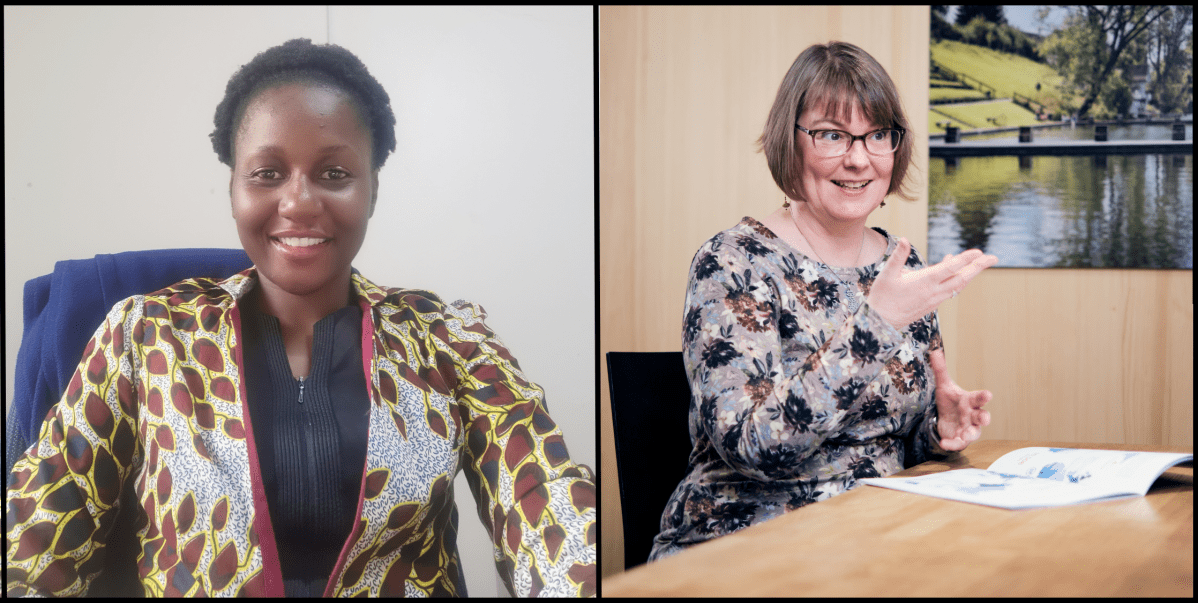
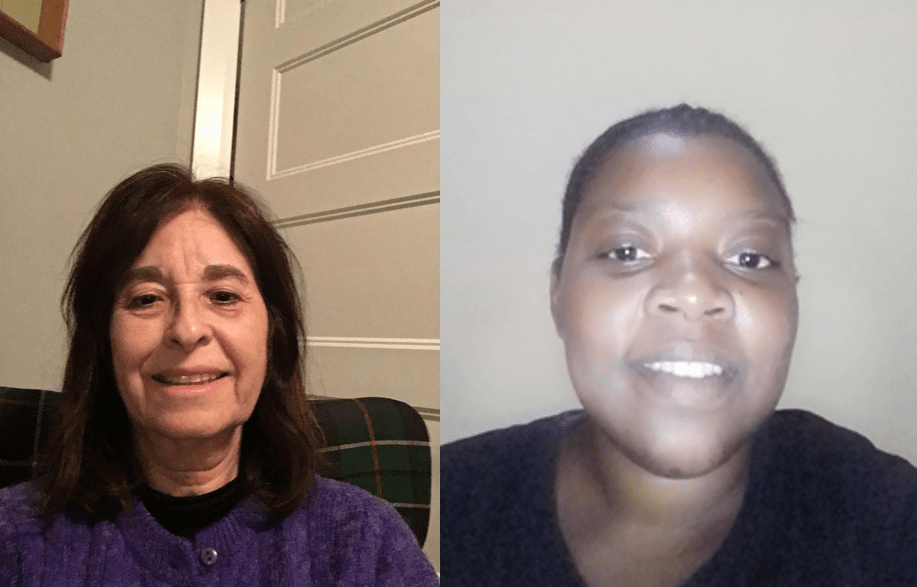
For International Women’s Day, we would like to highlight two participants from the RWSN Mentoring programme for young professionals and women, Fadzai T. Munodawafa-Bhurabhura (from Zimbabwe) and Dr Kerstin Danert (from Switzerland). You can find out more about their experience of mentoring through RWSN below. RWSN plans on launching a new edition of the mentoring programme soon, and encourages women of all ages in the water sector to sign up. To find out more, sign up to become a RWSN member today.

Mentorship is a reciprocal learning relationship in which a mentor and mentee work collaboratively toward the achievement of mutually-defined goals that will develop a mentee’s skills, abilities, knowledge, and/or thinking.

Fadzai’s words:

I am Fadzai T. Munodawafa, a WASH professional with an international Non-Governmental Organisation (NGO) in Zimbabwe. I support teams who implement WASH in the rural communities in Zimbabwe. In addition, I am responsible for managing the drilling unit of the organisation. With such responsibilities as a young professional, I sought to increase my understanding of rural and urban water supply and sanitation as well as groundwater monitoring, which both have a significant bearing on improving access to water for under-privileged communities.

A message of invitation for young professionals in the water sector to join the mentorship programme under the Rural Water Supply Network (RWSN) was shared on the Zimbabwe WASH Cluster platform. I thought this was an opportunity to learn from senior professionals and firm up my career. Following acceptance within the mentorship programme in 2020, I was linked with Dr Kerstin Danert a water sector professional researcher and facilitator.

Kerstin’s words:

I am Kerstin Danert, a rural water supply professional who has been active in RWSN since 2004, when I was still living and working in Uganda. I work as a consultant, with a range of types of work including research, training, facilitation and knowledge-brokering. I currently live in Switzerland.

Fadzai’s words:

My mentorship experience was a flexible one where I would ask questions or a raise discussion point and Kerstin would have a topic for discussion for our scheduled meetings. During our 9-month mentorship relationship, Kerstin and I discussed broadly on topics such as groundwater management, remote sensing and sustainable community-based management of water points key areas that have helped me in my career in the water sector. Kerstin’s experience in sub-Saharan Africa and remote areas made our connection easy as she could relate to my experiences and questions.

Kerstin’s words:

Our mentoring relationship commenced just as I was branching out to start my own company, which unfortunately coincided with the start of the Covid pandemic. It was not an easy time (as we all know), and I was worried as to whether my company would even survive. It very soon became apparent that this would not be a one-way mentorship by any means. Fadzai not only helped me to make contact with field realities (which I was very much missing), but also gave me a lot of support and encouragement regarding my new venture.

Fadzai’s words:

As a young professional, I was not confident speaking in public forums, a weakness my mentor helped me to work on. Now I can confidently speak in professional forums following her encouragement. Our engagement also looked into working on my resume and boost it to showcase the experience and skills I have. In addition, she connected me with experienced drillers and water specialists in Zimbabwe.

Kerstin’s words

Although I have now worked in the water sector for over 25 years always as a consultant, I still remain concerned work may not come in going forwards. Further, I think that I had began to take my years of experience for granted. The exchanges with Fadzai helped me to fully appreciate that I am actually not at the start of my working life, but (hopefully) in the middle of it with a lot under my belt already!

Both of us

Since the mentorship programme under RWSN, we have kept in touch resulting in our participation in the UNHS Climate and Gender podcast on Global Partnership: Gender, Progression and Climate-Orientated Careers (The UNHS Podcast and Spotify) in 2021. The following year, our mentorship led us to work on a report and video documenting the impact stories from participants of online courses on professional drilling by the RWSN

Fadzai’s words:

As a result of my mentorship experience, I can more effectively allocate my time for various activities, connect and confidently engage with other professionals in the water sector as well as have knowledge on key aspects of documentation. I highly recommend other young professionals to join the mentorship program that will build them up in their career within the water sector. Many thanks to the RWSN for this amazing and life changing experience.

Kerstin’s words:

This mentorship brought me closer to the field again. I learned so much from the conversations with Fadzai – and drew insights from her into all of my ongoing assignments, whatever the topic in fact. She always had such insightful contributions to make. And I argue that I was the mentee just as much as Fadzai was. So I encourage others to take the time to get involved in this programme.  It has been so rewarding and I look forward to finally meeting Fadzai one day!  We have been talking regularly now for three years. A big thanks to RWSN for this chance.

To find out more information about the RWSN mentoring programme, please see here.

My experience setting up a resource centre for rural water professionals

This year we are celebrating 30 years since the Rural Water Supply Network was formally founded. From very technical beginnings as a group of (mostly male) experts – the Handpump Technology Network- we have evolved to be a diverse and vibrant network of over 13,000 people and 100 organisations working on a wide range of topics. Along the way, we have earned a reputation for impartiality, and become a global convener in the rural water sector.

RWSN would not be what it is today without the contributions and tireless efforts of many our members, organisations and people. As part of RWSN’s 30th anniversary celebration, we are running a blog series on rwsn.blog, inviting our friends and experts in the sector to share their thoughts and experiences in the rural water sector.

This is a guest blog by RWSN Young Professional Justine Olweny, based in Uganda.

How I’ve ended up working in the rural water sector:

I’ve often wanted to add value to a situation. When encountered a challenge, I actively got involved and explore ways to provide solutions in reducing suffering and/or increasing performance as a team and celebrating alongside. I grew up in a drilling camp in Uganda and saw my Dad (who was a Water Engineer) drill boreholes in the early 1990s but later noticed how the services they were providing were raw. I convinced myself that if I could, I would like to improve the way my Dad provided access to safe water, sanitation and hygiene.

I have a background in information technology and management. In 2017 I set up my own start-up in the water sector in Uganda, Water Access Consulting. Since then my team has grown from three to eleven people across three offices. We are involved in various activities in the water sector in Uganda: groundwater exploration, water well drilling supervision, water quality testing, hygiene promotion, and plastic waste recycling. We also have a water, sanitation and hygiene (WaSH) resource centre in Kitgum to share knowledge and skills to water supply practitioners across Northern Uganda and South Sudan; you can read more about it here.

Today, I feel satisfied and at my best in the business of enhancing the delivery of safe water supply using inexpensive technologies to the low-income persons living in the remote part of the country to improve their lives in a meaningful way.

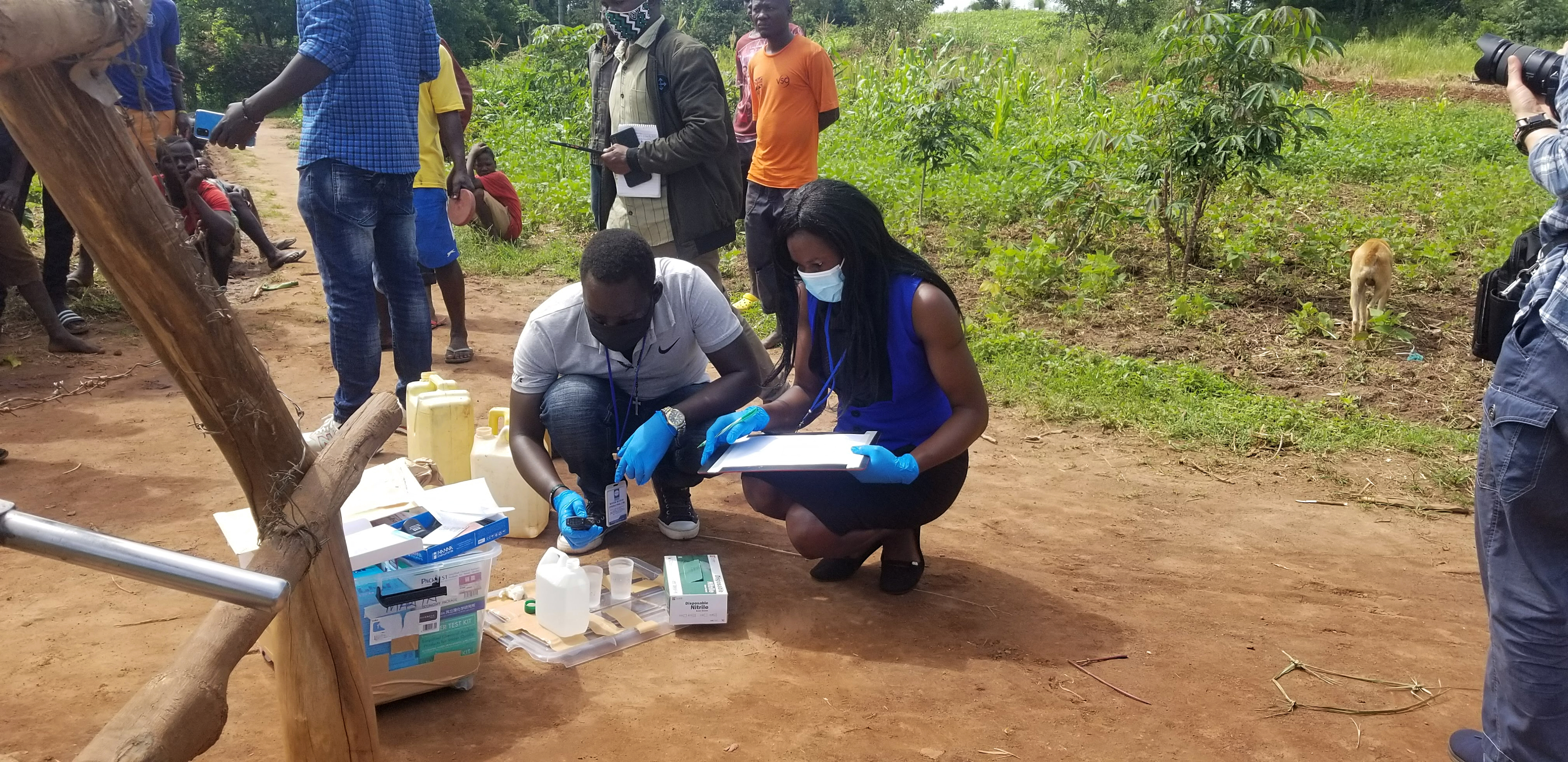
Water Access Consulting team doing water quality testing

The main challenges I have encountered in my work:

  1. Getting along with my engineering colleagues: with my managerial and information system background, I prefer to approach a problem from the customer’s perspective and this doesn’t always go smoothly with my engineering colleagues since they already have a specific predetermined set of standards in addressing a similar situation; this can cause emotional and physical issues with the project team.
  2. Making Mistakes: in my consultancy roles I always try new ideas and some end up in the south; I admit and apologize, but it takes a lot of courage. Sometimes offering a quick solution and fixing the mess on my own takes a lot of time, and I need to convince myself that it’s okay to move on.
  3. Time Management: with the new normal after the COVID19 disruption, the level of uncertainties has increased and today it is extremely difficult to manage time when I’m settling into a new role and adjusting my updated responsibilities.

What I like the most about RWSN:

Two things stand out for me as:

  1. Multicultural interaction of best practices and shared experiences by water supply practitioners across the globe on how they tackle water crises in their own region, and
  2. The RWSN mentoring program for young professionals, through which my mentor Diana Keesiga relentlessly encouraged, inspired, and guided me into my full growth and development potential.

Where I see myself and the rural water sector in my country in the next 5 years:

I was privileged to follow closely the Ugandan Government’s rural water supply reform trends from the end of the 1990s up to now including the revised Strategic Sector Investment Plan that was completed in 2009. All these efforts together with other numerous campaigns by the relevant Authorities under the Ministry of water and environment demonstrate the goodwill and commitments of the Ugandan government to enact appropriate policies that promote private-public partnerships and a rural water supply market-based approach. This would transform traditional right-based approach beneficiaries into customers by challenging the low-income population in the remote parts of the country to embrace their rights and responsibilities to pay for water services.

This huge milestone has opened doors for local entrepreneurs to thrive by supporting the government’s mandate and initiatives of promoting access to safe water as a business that is replicated with little to no government subsidies. I believe that by 2027-2030 rural water supply will be transformed from a stand-alone hand pump installed borehole located approximately 2 kilometers away from a household with a long queue of yellow 20 liter jerrican waiting to be carried over a woman’s head, into an in house water tap that is operated and maintained by private businesses creating employment, reducing ill health and increasing productivity through time-saving that stabilize our economy.

As for myself: my company, Water Access Consulting, has been shortlisted among the 110 participants for the Bayer Social Innovation Award. The next step will be public voting which will start from the 10th of August up to the 16th of August 2022. You can support us by voting here:
https://getinthering.co/bayer-public-voting-africa-middle-east/
With the funding from this award and the coaching and mentoring provided, I would expand my company and my resource and learning centre so that it can benefit more rural water professionals and Uganda and beyond.

About the author:

Justine Olweny is a Program Director and co-founder of Water Access Consulting, with experience managing diverse water, sanitation and hygiene (WASH) professionals. Justine Olweny graduated with a bachelor degree in information system and Technology with bias in Water supply. You can connect with him on LinkedIn at https://www.linkedin.com/in/justine-olweny-0064496b/

He has co-founded an organisation Water Access Consulting that has directly impacted 144,578 lives in Uganda including children, youth, women and persons with disabilities with access to safe water, sanitation and hygiene. As of today, Justine’s company has surveyed and help drilled up to 372 water wells across Sub Saharan Africa.

Do you have a story to share with other RWSN members, about the rural water sector, your work, and your passions? We are encouraging members to contribute to our 30th anniversary blog series. Please see the guidelines for contributions here – we will select the best blogs for publications before November 2022.

Photo credit: Justine Olweny/ Water Access Consulting

Comment j’ai créé un centre de ressources pour les professionnels de l’eau en milieu rural

Cette année, nous célébrons les 30 ans de la création officielle du Réseau rural d’approvisionnement en eau. Après des débuts très techniques en tant que groupe d’experts (essentiellement masculins) – le Handpump Technology Network – nous sommes devenus un réseau diversifié et dynamique de plus de 13 000 personnes et 100 organisations travaillant sur un large éventail de sujets. Au fil du temps, nous avons acquis une réputation d’impartialité et sommes devenus un rassembleur mondial dans le secteur de l’eau en milieu rural.

Le RWSN ne serait pas ce qu’il est aujourd’hui sans les contributions et les efforts inlassables de nos nombreux membres, organisations et personnes. Dans le cadre de la célébration du 30e anniversaire de RWSN, nous organisons une série de blogs sur rwsn.blog, invitant nos amis et experts du secteur à partager leurs réflexions et expériences dans le secteur de l’eau en milieu rural.

Ceci est un blog d’un jeune professionnel du RWSN, Justine Olweny, basé en Ouganda.

Comment j’en suis venu à travailler dans le secteur de l’eau en milieu rural :

J’ai souvent voulu apporter une valeur ajoutée à une situation. Lorsque j’ai rencontré un défi, je me suis impliqué activement et j’ai exploré les moyens d’apporter des solutions pour réduire les souffrances et/ou augmenter les performances en équipe et en célébration. J’ai grandi dans un camp de forage en Ouganda et j’ai vu mon père (qui était ingénieur en eau) forer des puits de forage au début des années 1990, mais j’ai remarqué par la suite que les services qu’ils fournissaient n’étaient pas optimaux. Je me suis convaincu que si je le pouvais, j’aimerais améliorer la manière dont mon père assurait l’accès à l’eau potable, à l’assainissement et à l’hygiène.

J’ai une formation en technologies de l’information et en gestion. En 2017, j’ai créé ma propre start-up dans le secteur de l’eau en Ouganda, Water Access Consulting. Depuis, mon équipe est passée de trois à onze personnes réparties dans trois bureaux. Nous participons à diverses activités dans le secteur de l’eau en Ouganda : exploration des eaux souterraines, supervision du forage de puits d’eau, tests de qualité de l’eau, promotion de l’hygiène et recyclage des déchets plastiques. Nous disposons également d’un centre de ressources sur l’eau, l’assainissement et l’hygiène (WaSH) à Kitgum, qui permet de partager des connaissances et des compétences avec les praticiens de l’approvisionnement en eau du nord de l’Ouganda et du Sud-Soudan. Vous pouvez en lire plus à ce sujet ici.

Aujourd’hui, je me sens satisfait de mon entreprise qui consiste à améliorer l’approvisionnement en eau potable à l’aide de technologies peu coûteuses pour les personnes à faibles revenus vivant dans les régions reculées du pays, afin d’améliorer leur vie de manière significative.

L’équipe de Water Access Consulting étudiant la qualité de l’eau

Les principaux défis que j’ai rencontrés dans mon travail :

  1. S’entendre avec mes collègues ingénieurs : avec ma formation en gestion et en systèmes d’information, je préfère aborder un problème du point de vue du client et cela ne se passe pas toujours sans heurts avec mes collègues ingénieurs car ils ont déjà un ensemble de normes prédéterminées pour aborder une situation similaire ; cela peut provoquer des problèmes émotionnels et physiques avec l’équipe de projet.
  2. Faire des erreurs : dans mes rôles de consultant, j’essaie toujours de nouvelles idées et certaines n’aboutissent pas ; je l’admets et je m’excuse, mais cela demande beaucoup de courage. Parfois, proposer une solution rapide et réparer le désordre par moi-même prend beaucoup de temps, et je dois me convaincre de passer à autre chose.
  3. Gestion du temps : avec le retour à la normale après la perturbation de COVID19, le niveau d’incertitudes a augmenté et aujourd’hui, il est extrêmement difficile de gérer le temps lorsque je m’installe dans un nouveau projet et que j’adapte mes nouvelles responsabilités.

Ce que j’apprécie le plus de la part du RWSN :

Deux choses ressortent pour moi :

  • L’interaction multiculturelle des meilleures pratiques et des expériences partagées par les praticiens de l’approvisionnement en eau à travers le monde sur la façon dont ils abordent les crises de l’eau dans leur propre région
  • Le programme de mentorat RWSN pour les jeunes professionnels, grâce auquel mon mentor Diana Keesiga m’a encouragé, inspiré et guidé sans relâche vers mon plein potentiel de croissance et de développement.

Où je me vois et où je vois le secteur de l’eau en milieu rural dans mon pays dans les 5 prochaines années :

J’ai eu le privilège de suivre de près les tendances de la réforme de l’approvisionnement en eau en milieu rural du gouvernement ougandais depuis la fin des années 1990 jusqu’à aujourd’hui, y compris le plan stratégique d’investissement sectoriel révisé qui a été achevé en 2009. Tous ces efforts, ainsi que les nombreuses campagnes menées par les autorités compétentes sous l’égide du ministère de l’eau et de l’environnement, témoignent de la bonne volonté et de l’engagement du gouvernement ougandais à adopter des politiques appropriées pour promouvoir les partenariats public-privé et une approche de l’approvisionnement en eau en milieu rural basée sur le marché. Cela permettrait de transformer les bénéficiaires de l’approche traditionnelle fondée sur les droits en clients, en incitant la population à faible revenu des régions reculées du pays à assumer ses droits et ses responsabilités pour payer les services d’eau.

Cette étape importante a permis aux entrepreneurs locaux de prospérer en soutenant le mandat et les initiatives du gouvernement visant à promouvoir l’accès à l’eau potable en tant qu’activité commerciale pouvant être reproduite avec peu ou pas de subventions publiques. Je pense que d’ici 2027-2030, l’approvisionnement en eau en milieu rural sera passé d’un forage autonome installé avec une pompe manuelle à environ 2 kilomètres d’un foyer, avec une longue queue de jerricans de 20 litres jaunes attendant d’être portée sur la tête d’une femme, à un robinet d’eau à domicile exploité et entretenu par des entreprises privées, créant des emplois, réduisant les maladies et augmentant la productivité grâce à un gain de temps qui stabilise notre économie.

Pour ma part, mon entreprise, Water Access Consulting, a été présélectionnée parmi les 110 participants au prix Bayer de l’innovation sociale. La prochaine étape sera le vote du public, qui commencera le 10 août et se terminera le 16 août 2022. Vous pouvez nous soutenir en votant ici :
https://getinthering.co/bayer-public-voting-africa-middle-east/
Avec le financement de ce prix et l’accompagnement et le mentorat fournis, je développerais mon entreprise et mon centre de ressources et d’apprentissage afin qu’il puisse bénéficier à davantage de professionnels de l’eau en milieu rural, en Ouganda et au-delà.

À propos de l’auteur :

Justine Olweny est directeur et cofondateur de Water Access Consulting, avec une expérience de gestion de divers professionnels de l’eau, de l’assainissement et de l’hygiène (WASH). Justine Olweny est diplômé d’une licence en système d’information et technologie avec des biais dans l’approvisionnement en eau. Vous pouvez vous connecter avec lui sur LinkedIn: https://www.linkedin.com/in/justine-olweny-0064496b/.

Il a cofondé une organisation, Water Access Consulting, qui a eu un impact direct sur 144 578 vies en Ouganda, y compris des enfants, des jeunes, des femmes et des personnes handicapées ayant accès à l’eau potable, à l’assainissement et à l’hygiène. À ce jour, l’entreprise de Justine a étudié et aidé à forer 372 puits d’eau en Afrique subsaharienne.

Avez-vous une histoire à partager avec les autres membres du RWSN, sur le secteur de l’eau en milieu rural, votre travail et vos passions ? Nous encourageons les membres à contribuer à notre série de blogs sur le 30ème anniversaire. Veuillez consulter les directives pour les contributions ici – nous sélectionnerons les meilleurs blogs pour des publications avant novembre 2022.

Crédit photo : Justine Olweny/ Water Access Consulting

My RWSN mentoring experience

This is a guest blog by RWSN mentee Edwin Kiprotich Kiplagat , who is currently enrolled in the 2021 RWSN Mentoring Programme .

I am Edwin Kiprotich Kiplagat, a young and an ambituous Civil Engineer by training from Kenya. I currently work as an intern for the Water Infrastructure function at SMEC in Kenya. SMEC is a global engineering consultancy that provides design, supervision and project management services in the fields of water infrastructure, roads, urban and social development. The company is Australian based with several regional offices around the world. I am based in the Kenyan office in Nairobi which is the East African regional office serving the countries of Kenya, Uganda, South Sudan and Democratic Republic of Congo.

I got to know of Rural Water Supply Network through LinkedIn social media network. I later got access to the information on RWSN mentorship program via a post shared in the same platform. It was an exciting prospect for me and I could not wait to choose a mentor.  I registered for the program and outlined my objectives for participating in the program. My choice to participate in the program was propelled by the need to get a role model who would guide my goal to grow and apply engineering and management skills in providing clean water, sanitation and positive impact in the society. The aforementioned choice was further guided by the following objectives which I look to achieve: to gain advice on areas and avenues to further my education in postgraduate studies and professional courses relevant to water supply, to gain motivation on community development as I aspire to use engineering knowledge to develop and support community water supply projects in future and to wrap it all since I am a Christian, I am interested in leveraging my faith and my career in impacting people’s lives which I believe can be achieved by providing clean water as part of Christian mission work.

I found a mentor from Guyana in South America named Elon Ryan Sooknanan. My motivation to choose him as my mentor was spurred by the fact that we share a career in common and also through LinkedIn I discovered that he had ever participated in a church-related volunteering experience which drew my attention. I was convinced that he will assist me in achieving my objectives. Since we established touch towards the end of March, Elon and I have always opted to interact via WhatsApp which we found it efficient for both of us. We had an inaugural call where we familiarized with each other and from there agreed on the manner of interactions going forward. Since Elon also mentors other mentees in RWSN forum, he has divided his time to have a call with each mentee monthly. Due to the difference in time zone of seven hours between Kenya and Guyana, Elon and I have always agreed on a suitable day and time for both of us to have a call and discuss on matters relevant to the mentorship program.

Through the mentorship program, I have learnt through the interactions I have had with Elon. He advised on changes needed to upscale the competitiveness and presentation of my CV. One thing I remember him stressing on is the vitality of a CV in giving a clear impression of oneself to a stranger who has never met the owner of the CV.  He also shared with me a water related short course opportunity offered by an Italian Institute known as Hydroaid that delved on climate change and water. I applied for the short course but unfortunately as a result of the restricted number that made it competitive I fell short of the selection. I hope to one day participate in the Hydroaid Program and also other short course that are in tandem with my goals. Furthermore, Elon has allowed his RWSN mentees to interact with one another through a WhatsApp group created and a monthly zoom meeting forum where each one shares highlights and resources in the field of water supply and sanitation. This has helped me connect with a network of professionals from different fields in the water sector. Elon also introduced me and other mentees to a Christian leadership development programme called God’s Apprenticeship Programme that helps develop faithful leaders around the world who can use their influence to transform their nation.

I am grateful I not only found a mentor but a friend who has inspired me. By the end of the program I hope to achieve milestones such as having an up-scaled competitive resume of myself; broadened knowledge in water, sanitation and hygiene plus leadership skills to mentor others in future. In a nutshell, personally and professionally I have been introduced to the idea of growth through sharing of ideas and challenging oneself to create an impact in the society which I believe is possible in the water sector.

About the author and his mentor

Edwin is a Civil Engineer by training working as an intern for the water infrastructure function at SMEC in Kenya. He has a BSc degree in Civil Engineering from the University of Nairobi. His training has equipped him in the field of hydraulics, hydrology, water resources management, structural engineering, highways and transportation engineering. He has been engaged previously in feasibility studies of small hydropower projects and currently assists in preparation of proposals, tender documents, Expression of Interest, design reviews and reports for various projects in the water function in SMEC International Kenyan office. He is enthusiastic to learn more of computer applications in engineering to solve societal needs and is passionate of the water sector in engineering.

Elon Ryan Sooknanan is an accomplished Civil/WASH Engineer with 10+ years of office and field experience, knowledge and skills. He hails from Guyana, South America and currently serves as the Head of Infrastructure & Projects at the Environmental Protection Agency in Guyana.

About the RWSN Mentoring Programme

For more information on the RWSN Mentoring Programme, please see here. RWSN is grateful to the SENSE Foundation for its support of the mentoring programme in 2021.

My RWSN mentoring experience

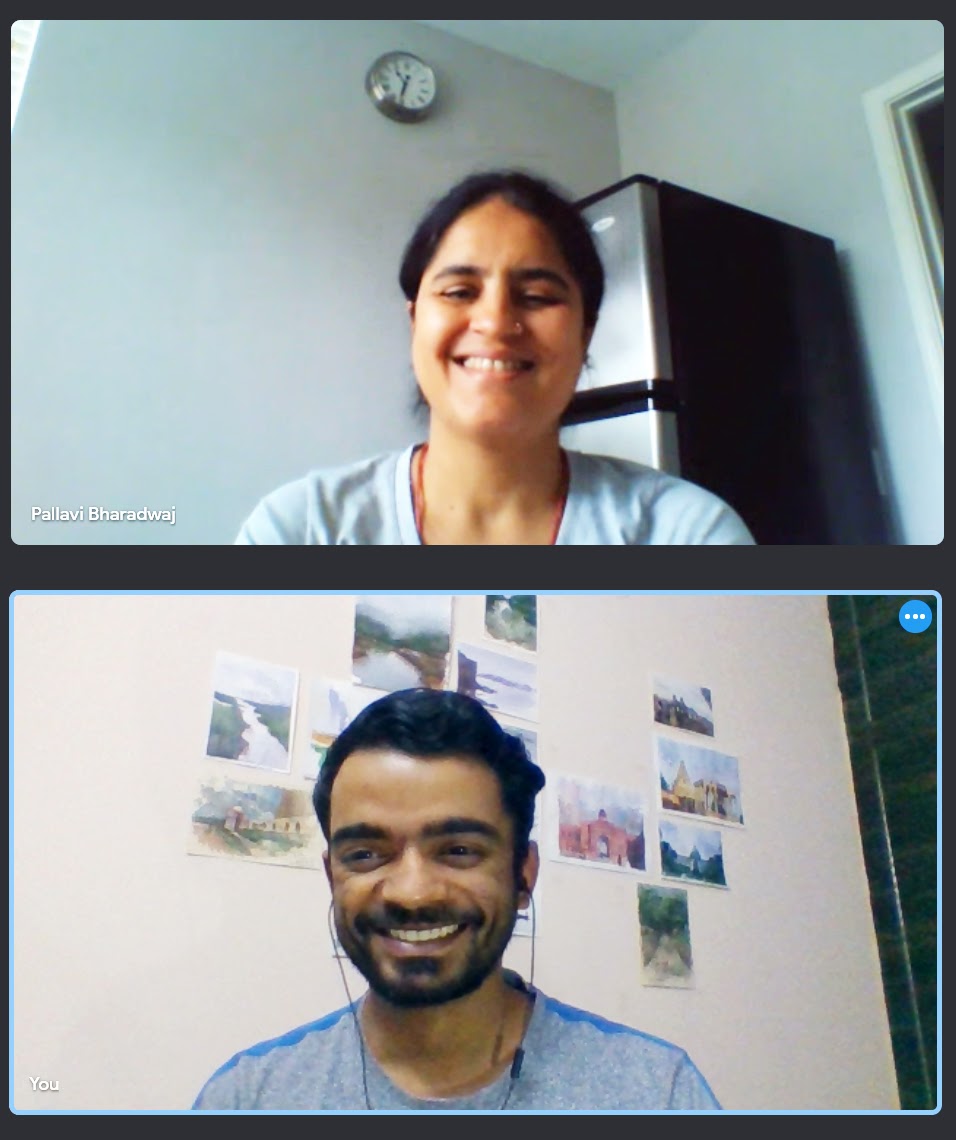
This is a guest blog by RWSN mentee Gaurav Thapak and RWSN mentor Pallavi Bharadwaj, who are currently enrolled in the 2021 RWSN Mentoring Programme .

Mentee’s Thoughts

I am an architect and urban planner with the National Institute of Urban Affairs (NIUA), New Delhi, India. I work extensively in the urban areas on Water, Sanitation and Hygiene (WASH) services as one of my main focus areas. My postgraduate thesis was also focussed on water supply and its economics in an urban area. Earlier this year, I discovered the Rural Water Supply Network (RWSN). A few months after I joined RWSN their mentorship programme was launched. I signed up for this programme in anticipation of growing by learning from an expert. I wish to develop a career in water economics and governance, and anticipated that this mentorship programme would be a great opportunity to steer myself in the right direction.

I  envisioned what I sought for myself out of this programme and stated in my application that I would like to work with a mentor, who could broaden my horizons in water supply and management in rural and urban areas. Ms. Pallavi Bharadwaj accepted my mentorship proposal. Pallavi lives and works in the United States of America, and has over a decade and half years of experience working in the global WASH sector. I was extremely glad to be accepted for the mentorship and consider myself fortunate to have Pallavi as my mentor. 

We scheduled our first meeting close to the deadline of mentorship agreement submission. It was a short introductory meeting for about half an hour. Despite the time zones difference, I was excited to meet with her. I had not set forth clear goals and outcomes of my mentorship arrangement. However, through our discussion, Pallavi understood where I was in my career and what I sought. She helped me identify my learning goals. We started out by setting three broad goals for me:  

  • pursue a Ph.D in water governance and policy, 
  • engage with social sector in water and wastewater sector, 
  • a particular case development and exploration of how gamification can help nudge and model consumer behaviour.

We agreed that a monthly video meeting for an hour or so would work to touch base and evaluate my progress. 

As I write this blog post, it has been over two months since the mentorship began. We have already met three times along with having numerous conversations on email, phone and social media. I regularly reach out on email and LinkedIn to seek suggestions and share ideas for various projects and competitions. Pallavi has always been kind and prompt to provide her inputs, comments and resources to facilitate my work, even if that might not have been a part of my original learning goals. Since we are now connected on LinkedIn, Pallavi often shares content to aid my professional development, suggests interesting events and talks to attend, shares job opportunities and connects me to her network. She has already facilitated an introduction with a student in Mumbai to further foster and develop collaborations for my professional growth. 

My mentorship’s scope has extended above and beyond what my mentor and I had originally agreed upon. I am glad that Pallavi is available to answer my questions and shares interesting as well as thought provoking content with me on an ongoing basis. I find it easier to connect and collaborate with people, whom I am comfortable to have a dialogue with. Through our conversations Pallavi has made it easier for me to discuss ideas and concepts that are new and nascent for me in a clear and professional way. 

I recommend every young professional in this sector, who has any doubts or confusion and wants to explore beyond their horizons, to sign up for this mentorship programme. I am very grateful to have Pallavi as my mentor, and thank RWSN for initiating this relationship.

Mentor’s Thoughts:

I have been part of RWSN’s mentorship program for two years now. Gaurav was the second mentee that reached out to me for working together and I agreed to be his mentor in 2021. 

Through this relationship, I am not only sharing my knowledge, but also global experience as a WASH professional. In return, Gaurav is helping me learn even more about current trends in WASH management systems and challenges facing the underserved communities. I appreciate his ideas on utilizing the power of technology, such as gamification, for solving challenges in real time. For the remainder of this mentorship we will work together to connect his work to policy and advocacy, in light of United Nations Sustainable Goal 6 (SDG6), clean water and sanitation for all. It is my hope that through this mentoring relationship, Gaurav and I will be able to utilize our time working towards providing solutions for in-need communities. 

About the RWSN Mentoring Programme

For more information on the RWSN Mentoring Programme, please see here. RWSN is grateful to the SENSE Foundation for its support of the mentoring programme in 2021.

Mi experiencia en el programa de mentores de la RWSN

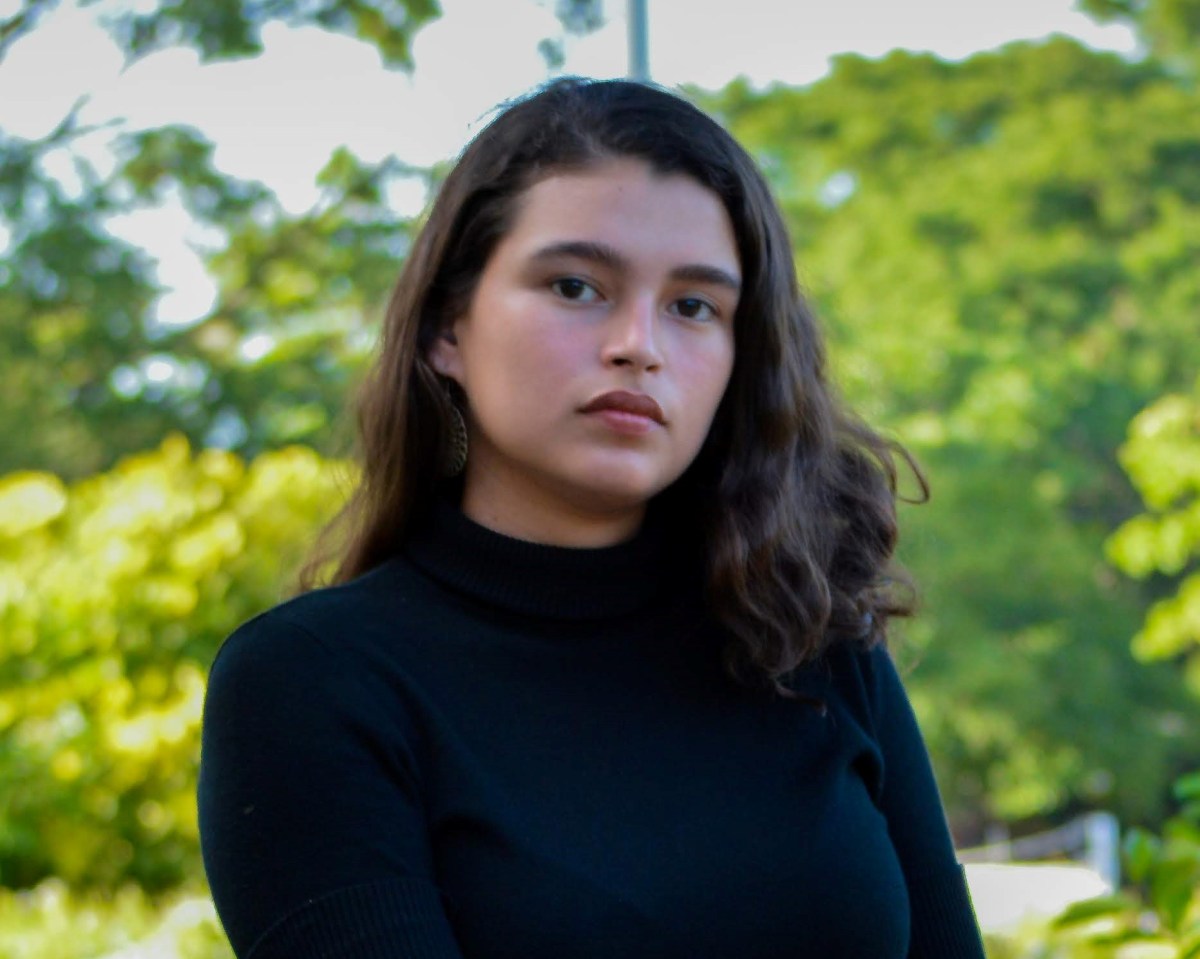
Esta entrada fue realizada por Mayte Molina, una joven profesional inscrita en el Programa de Mentores 2021 de la RWSN.

Se dice que el inteligente aprende de sus errores, pero el genio aprende de los errores de los demás. El programa de mentores de la Red de Suministro de Agua Rural (RWSN) es una excelente oportunidad para conectarse y aprender de especialistas del agua, saneamiento y salud de alrededor del mundo.

Mi nombre es Mayte Molina, nicaragüense e ingeniera ambiental. Hace poco más de ocho meses logré conseguir mi primer trabajo en el sector WASH como Asociada de Operaciones en una ONG internacional. En este período me he encontrado distintos desafíos que van desde comprender la realidad de las comunidades rurales, entender ciertos tecnicismos hasta el incorporarme como joven mujer profesional en un sector dominado por hombres.

Lo cierto es que la universidad no te prepara para responder a ciertas situaciones que solo se viven en el ámbito laboral, por eso contar con un mentor que comparta sus consejos puede hacerte más fácil el aprendizaje. Sin embargo, acercarse a un experto puede ser complejo e intimidante. No todos tienen la disposición y voluntad de ayudar a los jóvenes a crecer sin tener un beneficio directo.

Mis intenciones de mejorar mi perfil profesional y encontrar oportunidades me llevaron a entrar al programa de mentoría.  En mi caso, yo quería un mentor que tuviese experiencia en WASH tanto en el sector ONG como la academia para que me comentara sus experiencias, me asesorara sobre desarrollo profesional y creación de redes, así como buscar becas de grado.

Después de ver varios perfiles a través de la plataforma PushFar, encontré a Elon Sooknanan, un ingeniero civil de Guyana con más de 10 años de experiencia, actual Jefe de Infraestructura y Proyectos en la Agencia de Protección Ambiental (EPA). Escogí a Elon como mi mentor porque su perfil estaba completo, tiene experiencia como mentor en años pasados y tomó una maestría en WASH en la Universidad de Leeds en el Reino Unido.

Afortunadamente, Elon respondió a mi solicitud en junio 2021 y decidimos que nuestro medio de comunicación sería vía correo y videollamadas por Whatsapp. Quiero agregar que no solo a mí me pareció que el perfil de Elon es excelente, otras nueve personas más le pidieron que él sea su mentor.  Actualmente estamos diez jóvenes profesionales de Afganistán, Austria, Francia, Guyana, Kenia, Nueva Zelanda, Singapur, Sri Lanka, Uganda y Nicaragua bajo la mentoría de Elon.


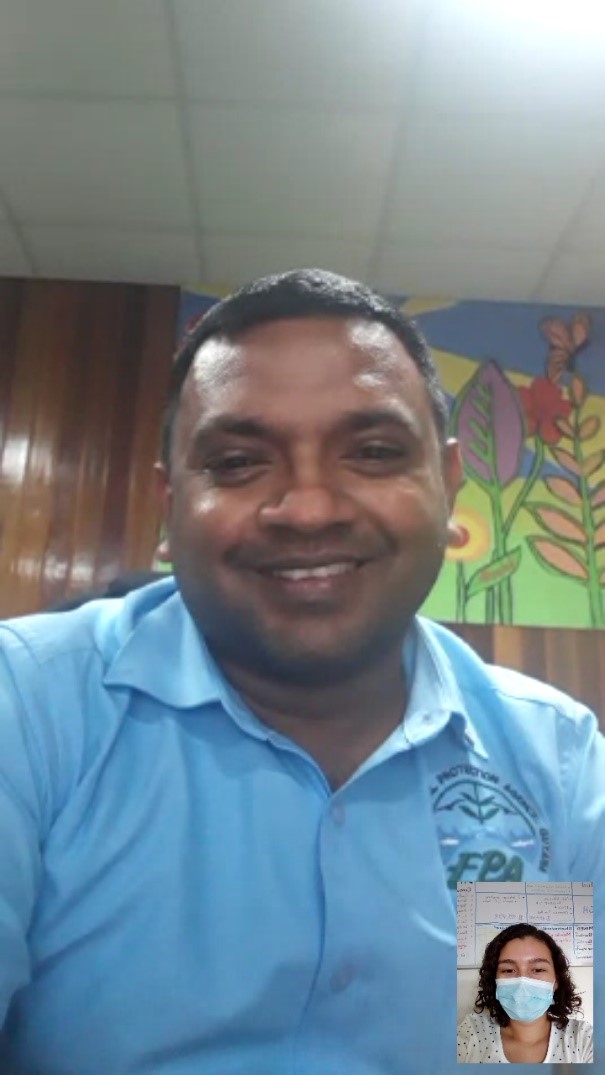
Videollamada entre Elon y yo por Whatsapp


Hasta el momento hemos tenido dos sesiones, en la primera me contó su experiencia en la maestría en Inglaterra y como obtuvo dos becas para poder financiar sus estudios en el extranjero. También, me explicó brevemente su tema de investigación sobre los costos del saneamiento urbano y las dificultades que pasó él y su compañero de Perú en el proceso de levantamiento de información. Por otro lado, yo le comenté los proyectos que ejecuto en la ONG y sobre mi iniciativa de jabones artesanales Hydrolution’s.

La segunda sesión consistió en establecer nuestros objetivos de mentoría para los próximos seis meses. Acordamos las actividades siguientes:

  • Asesoría para mejorar el CV y carta de presentación,
  • Compartir recursos para oportunidades laborales y académicas,
  • Proveer asistencia para la aplicación de becas de maestría,
  • Reunión individual una vez al mes de 30-45 minutos,
  • Reunión grupal mensual con todos los aprendices donde cada uno lidera una temática.

Como podrán imaginar, hacer una sesión grupal con personas de diferentes zonas horarios requiere planificación, por lo que tenemos un grupo en Whatsapp y un cronograma en Drive donde cada uno pone su disponibilidad. Acá hay que estar abierto a un poco de desvelo para alcanzar los objetivos.
Durante mi mentoría Elon me ha enviado una serie de enlaces, plataformas y recursos para desarrollar mis conocimientos sobre WASH. Aún tengo mucha lectura por hacer, pero puedo confirmar que es contenido valioso. Asimismo, me compartió su CV y carta de presentación para que lo tome de referencia y pueda pulir los míos. Otro beneficio de la mentoría es que puedo practicar mi inglés y ganar vocabulario técnico.

Al final del año espero conocer mejor a mis demás colegas y mi mentor, continuar intercambiando experiencia y crecer como profesional para crear proyectos que respondan a las necesidades de las familias rurales y la realidad de mi país de la mejor forma posible. Aunque el programa de mentoría oficialmente termine en seis meses estoy segura que vamos a seguir en contacto para compartir nuestros logros y aprendizajes. Le escribiré a Elon cuando reciba las buenas nuevas de la beca para cursar mi maestría en el exterior.

Sobre el programa de tutoría de la RWSN

Para más información sobre el Programa de Mentores de RWSN, consulte aquí. La RWSN agradece a la Fundación SENSE su apoyo al programa de tutoría en 2021.

My experience of the RWSN Mentoring Programme

This is a guest blog by Amanda Mugwambi, a young professional from Zimbabwe enrolled as a mentee in the 2020 RWSN Mentoring Programme.

I’m Amanda Mugwambi from Zimbabwe. I have been working in the water, sanitation and hygiene (WASH) sector for over 5 years in addition to four years prior of environmental management. I am currently working as a Public Health Promoter for an international NGO. I have had the opportunity to work in both urban and rural projects. It has been fulfilling to see community transformation through donor funding complimenting stakeholder efforts and community engagement.

I heard about the Rural Water Supply Network (RWSN) mentoring programme through my country’s WASH National Coordination Unit. I was interested in the opportunity to gain knowledge and skills to advance my career and to hear about experiences in other countries. I must admit, I had a bit of trouble in the application process where I had to outline my expectations from being part of the programme. I just didn’t seem to be able to mainstream my thoughts. I wanted to know more about everything! When I finally managed to submit my application, I was anxious to find out who my mentor would be. I hoped they would be able to provide the right balance of academic and professional development.  I was matched with Susana Sandoz, a WASH specialist, currently a consultant with UNICEF. RWSN really did an excellent job pairing us! Not only is Susana a seasoned expert but her experience with UNICEF which funds some of the projects I have been working on gave me an extra understanding.

We began the mentorship process with Susana helping me gather my thoughts by streamlining topics that we would like to discuss over the duration of the programme. We communicated via email, whatsapp and skype. We had our first session in April 2020 via skype. To be honest, it was so easy talking to her. I didn’t have to worry about saying the wrong thing. We met online once a week on skype, then we’d decide on the topic for the following week. Susana would send me literature to review so that I could note down any questions for our next meeting. My favorite part of our sessions was when Susana would tell about her experiences in the different countries she had worked in, some of them were very applicable to Zimbabwe. It was relatable and gave me an insight on how to find solutions to the challenges I faced.

I have a keen interest in School WASH. I particularly liked the sessions on hygiene promotion, menstrual hygiene management, handwashing, child protection, emergency management, disaster risk reduction especially considering the Covid-19 pandemic. I have learnt the importance of using emotional triggers to reinforce positive behavior change such as effective handwashing. And I have also learnt more about community engagement to ensure the success of water and sanitation projects. It is crucial to trigger community members early for them to realize the importance of zero open defecation and the safe water chain to improve their health and hygiene. Below is the list of all the topics we discussed:

DateSession#Topic
15 Apr1COVID 19, Handwashing
22 Apr2Sanitation and Sato Pans
29 Apr3Menstrual Hygiene Management (MHM)
6 May4Disability and Inclusion
13 May5Monitoring & Evaluation; Communication for Disasters
20 May6Latrine types: advantages and disadvantages
3 June7Sustainability
10 June8Development and Environmental Issues
15 June9Communication for development (C4D)
24 June10Social Norms changes
14 July11Emergencies in WASH
21 July12Water Quality and Water Treatment
28 July13Why is Sanitation Important and Advocating for Sanitation
5 Aug14The Burden of COVID-19
13 Aug15Advocacy
21 Aug16Gender
25 Aug17Child Protection
3 Sep18Climate Change
8 Sep19Skills for Interviews
15 Sep20Hygiene Promotion
29 Sep21Capacity Building
6 Oct22WASH in Schools and COVID-19 Reduction
13 Oct23Types of Rural Water Supply Systems
20 Oct24Pollution Analysis of Water Supply Systems
27 Oct25Pollution Analysis of Water Supply Systems
11 Nov26Urban and Rural Characteristics and Different Approaches in WASH
17 Nov27Urban and Rural Characteristics and Different Approaches in WASH
23 Nov28General Climate Change Summary
7 Dec29How to obtain an Enabling Environment
15 Dec30Income Generating Activities, General Advice for Latrine Building Questions on topics previously discussed

I appreciate the opportunity to be part of the RWSN mentorship. A special thanks to Susana, I really enjoyed the sessions, always informative and flexible. We also developed a friendship over the months which was pleasant and has improved our mental health during the pandemic. In our case we have agreed to continue checking up on each other at least once a month. I encourage young professionals to join the RWSN network as it’s a platform for continuous learning and for personal and professional development.

About the author

Amanda Mugwambi holds an MSc in Disaster Management and a BSc in Environmental Science from the University of Science and Technology (NUST) Zimbabwe. Her interests range from WASH, climate change adaptation and Disaster Management.

About the RWSN Mentoring Programme

For more information on the RWSN Mentoring Programme, see here. RWSN thanks the Swiss Development Cooperation and World Vision for their support to the mentoring programme in 2020.