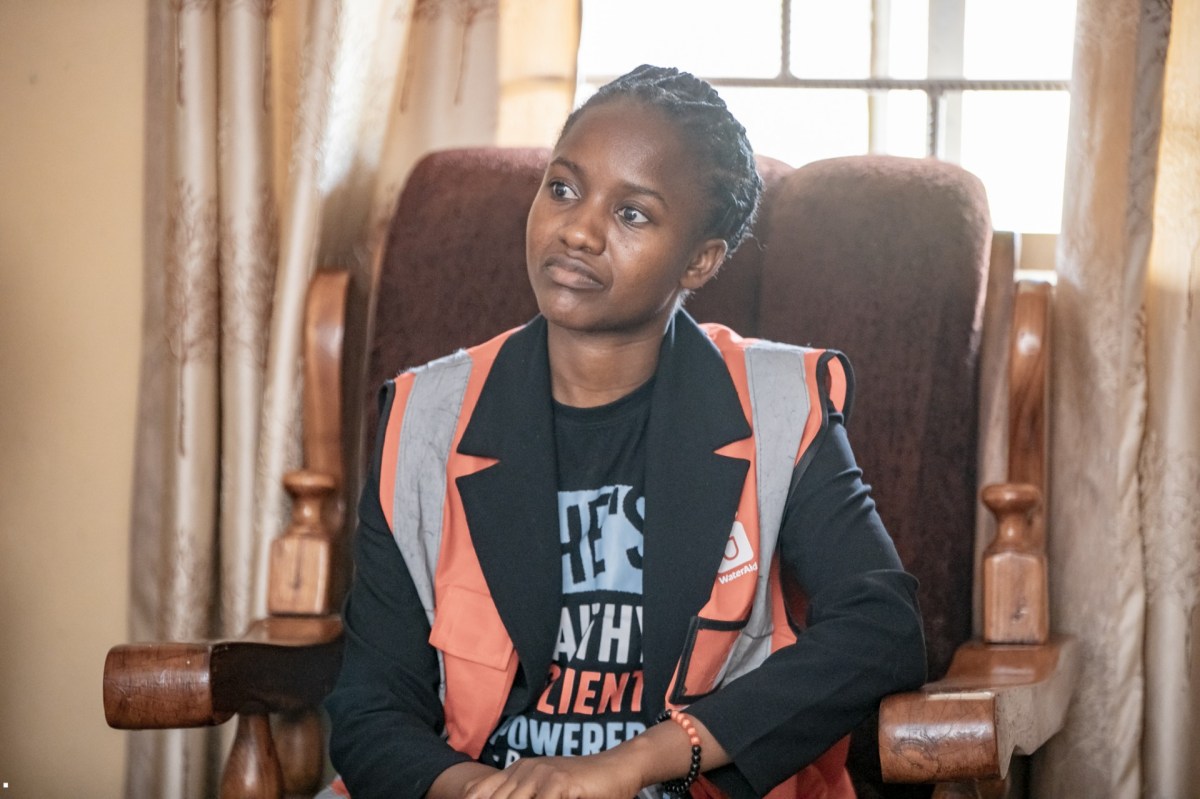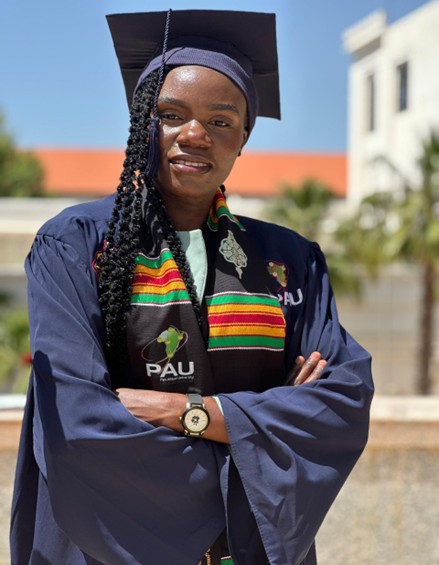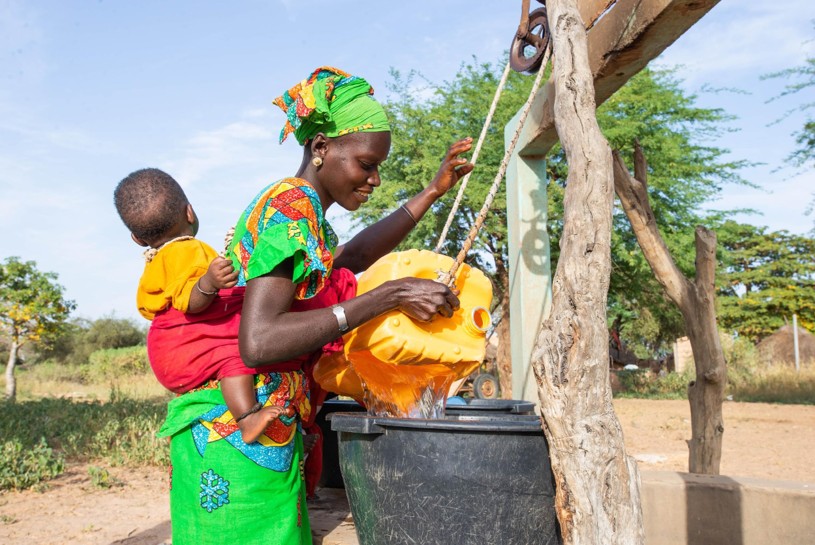
This is a guest blog by Faith Lilian Kuloba, who participated as a mentee in the RWSN Mentorship Programme 2024.
My name is Faith Lilian Kuloba, a Ugandan currently pursuing an MSc in Water and Wastewater Processes at Cranfield University. My journey to this point began during my time as an Assistant Water Resources Engineer at Water Access Consulting, when my supervisor encouraged me to join the Rural Water Supply Network (RWSN).
About a year later, while reading one of RWSN’s monthly email updates, I found the 2024 Mentorship Programme for Career Development. Although I wasn’t sure what to expect, I applied with optimism, and I was honoured to be selected.
Shortly after submitting my application, I was paired with my mentor, Rodolfo Bezerra Nóbrega, a lecturer and researcher in the water and environmental sector. His extensive experience in research and academia made him the perfect guide.
At the time, I was eager to advance my career through further studies. I had already applied for several master’s programmes without success, and my family was experiencing financial strain, making the prospect of funding my education even more uncertain. When I shared my career goals and challenges with Rodolfo, he committed to guiding me through the process.
Applying for a master’s degree can feel overwhelming, but Rodolfo provided exceptional mentorship. He helped me identify the right programmes, advised me on suitable universities, and taught me how to search for scholarships including how to reach out to universities about funding opportunities. He supported me in reviewing scholarship requirements, refining my CV to UK standards, and learning how to write strong, structured essays. He also assisted with interview preparation.
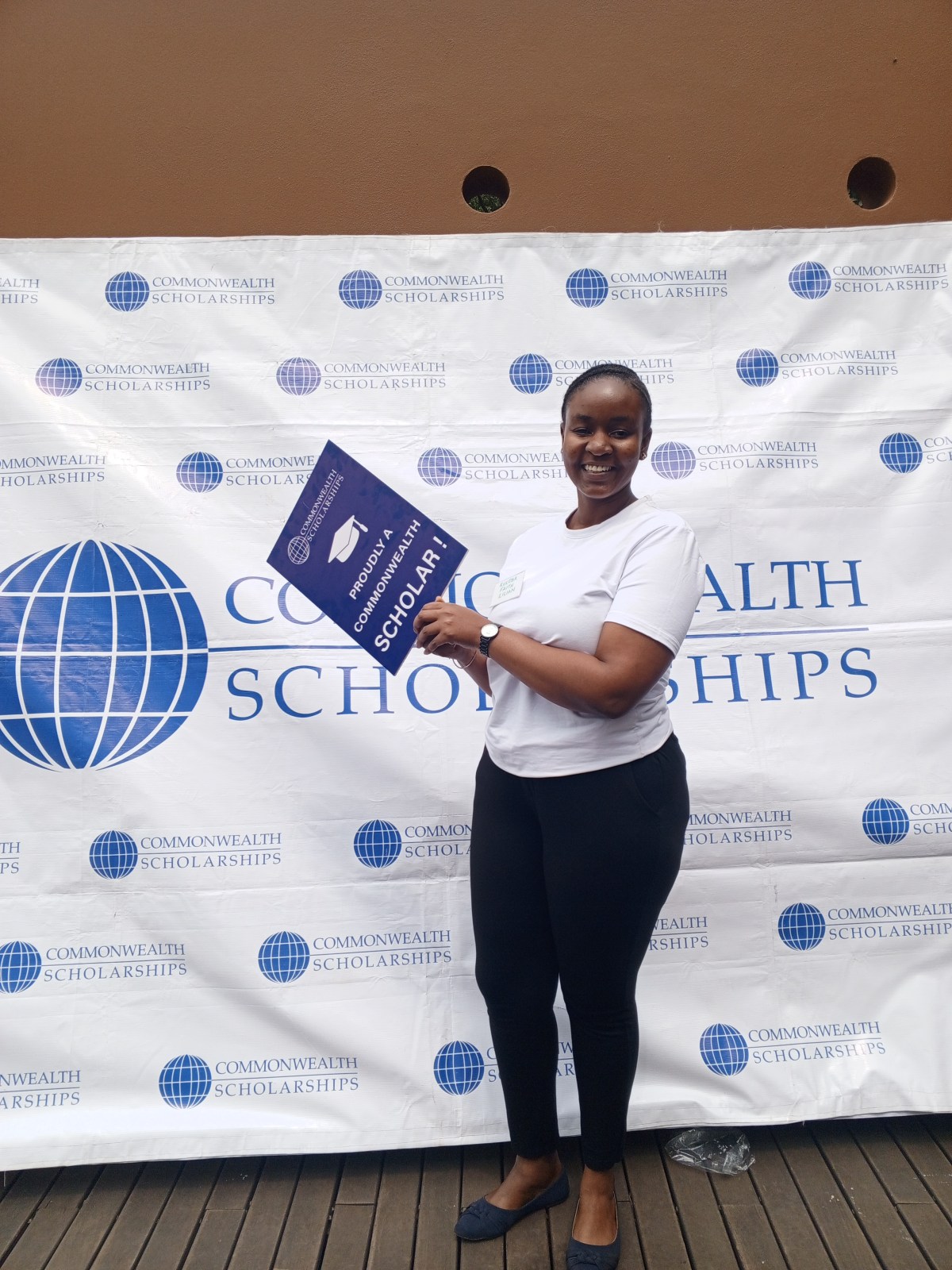
Earlier this year, I was honoured to received the Commonwealth Shared Scholarship, which has allowed me to begin my masters programme at Cranfield University.
This mentorship programme has been truly transformative. Without Rodolfo’s support, encouragement, and skill, I would not be where I am today. Just a year ago, I was unsure how I would finance my studies and now I am in the UK pursuing the master’s degree I always hoped for.
My sincere thanks go to RWSN and the Skat Foundation for organising this mentorship programme. It is an outstanding professional initiative that empowers women in WASH to grow, learn, and advance their careers. I am deeply grateful for the knowledge, confidence, and opportunities it has given me.
To join RWSN and be informed about the next round of the mentoring programme, please sign up here.
This is a guest blog by Esther Lydia Akol, who participated as a mentee in the RWSN and Women in WASH 2025 Mentorship Program.
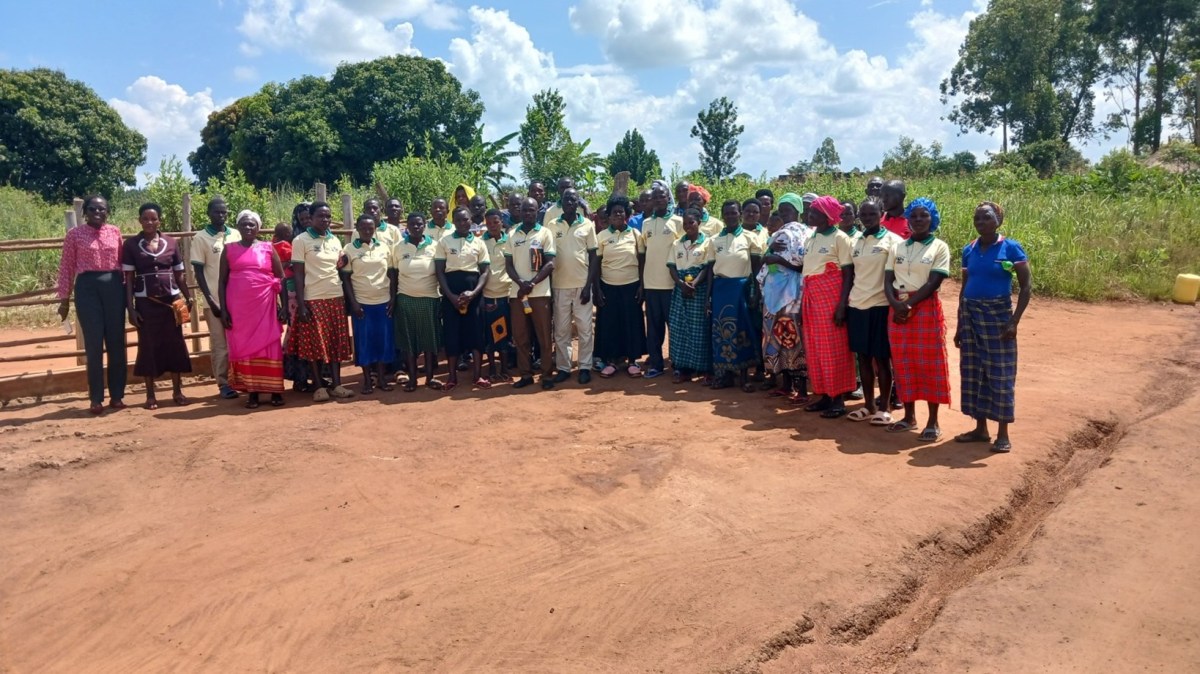
Photo: Esther (Mentee) with Community Water users after an Exchange Learning visist on Water Point Sustainability in Uganda
When I joined the RWSN and Women in WASH Mentorship Programs in April 2025, I hoped to grow professionally and expand my network. What I didn’t expect was a six-month journey that would challenge my thinking, deepen my confidence, and transform the way I approach leadership in rural water, sanitation, and hygiene (WASH). From meaningful conversations with my mentor to new global opportunities, these programs has shown me that mentorship is not just guidance; it is a ripple effect that strengthens communities, builds leadership, and fuels sustainable change.
My name is Esther Lydia Akol, a Ugandan WASH professional with The Water Trust. I joined the mentorship program to grow professionally, expand my network, and strengthen my leadership in promoting sustainable and inclusive rural water systems. Coordinated by the Rural Water Supply Network (RWSN) and Agenda for Change, the programs pair emerging professionals with experienced mentors to foster leadership, learning, and collaboration. It is more than a capacity-building effort; it is a platform for women to find their voices, share experiences, and lead change in communities and organizations.
Discovering Strength in Shared Experience
My mentor, Elon Ryan Sooknanan (PMP, MSc(Eng), MBA), brought a wealth of experience and a genuine spirit of guidance. Our monthly conversations went beyond technical discussions; they explored how sustainability, equity, and innovation intersect to make WASH initiatives more effective and inclusive. Through his mentorship, I learned to communicate with clarity, set achievable goals, and adopt a systems approach to rural water challenges.
Perhaps the most transformative lesson was realizing that mentorship is a two-way flow. While I learned from my mentor’s experiences, I also shared reflections from my work in Uganda’s rural communities. Together, we explored how local realities inform global strategies and how personal growth strengthens professional impact.
During this period, my mentor introduced me to Transformations Leeds (UK), a charity offering apprenticeship and coaching programmes in leadership. I was awarded a one-year apprenticeship and an additional six-month coaching opportunity focused on leadership, sustainable solutions, and climate change. Alongside this, he shared resources on scholarships and WASH knowledge platforms, which I continue to explore to expand my learning and global perspective. This experience demonstrated that mentorship often extends far beyond formal programme sessions, opening doors to lasting professional growth and collaboration.
Bridging Knowledge, Confidence, and Community
Beyond one-on-one mentoring, the RWSN and Women in WASH Mentorship Programs connected me with a diverse community of professionals committed to improving the sustainability and inclusivity of WASH services. Peer-learning sessions and resource-sharing platforms provided spaces for dialogue, reflection, and practical problem-solving.
What stood out most was the sense of community. Our mentor created a WhatsApp group for all the mentees he was mentoring, connecting us with WASH professionals from different regions and countries. Each participant brought a unique perspective, yet we shared a common determination to make a difference. Stories of resilience from across the globe reminded me that collaboration is one of the most powerful tools for advancing rural water supply.
Lessons That Will Flow Forward for me
Reflecting on this journey, I carry forward lessons that will guide my WASH and community development work:
Mentorship multiplies impact. Guiding others strengthens leadership, knowledge-sharing, and the sustainability of development efforts.
Diversity enhances problem-solving. Global exchanges between mentors and mentees bridge context-specific and universal challenges.
Confidence grows through support. Having someone believe in your potential helps dismantle self-doubt and nurtures leadership courage.
Networks are transformative. The mentoring programs connected me to a vibrant community of practitioners who continue to inspire collaboration.
Gender equity drives sustainability. Empowering women in WASH leadership fosters inclusive, resilient, and community-driven systems.
A Call to Future Mentees and Mentors
To women joining future mentorship cycles: embrace every session, challenge, and conversation with openness and curiosity. Ask questions, share your story, and listen deeply to others. The RWSN and Women in WASH Mentorship Programs’ true strength lies in mutual learning, where every perspective contributes to shaping a more inclusive and resilient WASH sector.
To professionals considering mentorship: your experience and time are powerful investments in the next generation of WASH leaders. Mentorship is not about having all the answers; it is about guiding reflection, nurturing curiosity, and helping others grow in confidence and skill. Every shared insight strengthens a global community working toward sustainable rural water services.
Conclusion: When Women Lead, WASH Thrives
Participating in the RWSN and Women in WASH Mentorship Programs has been deeply transformative. It reaffirmed that sustainable water supply is not only about infrastructure—it is about people, relationships, and shared learning.
As I continue my work in Uganda, I carry the lessons of mentorship: the power of connection, the strength of collaboration, and the hope that when women lead, communities thrive. Every act of guidance creates ripples of change, ripples that sustain clean water, dignity, and opportunity for all.
About the author:
Esther Lydia Akol is a WASH Officer with The Water Trust in Uganda. She is passionate about sustainable WASH solutions, gender equity, and empowering rural communities to build resilient rural water systems.
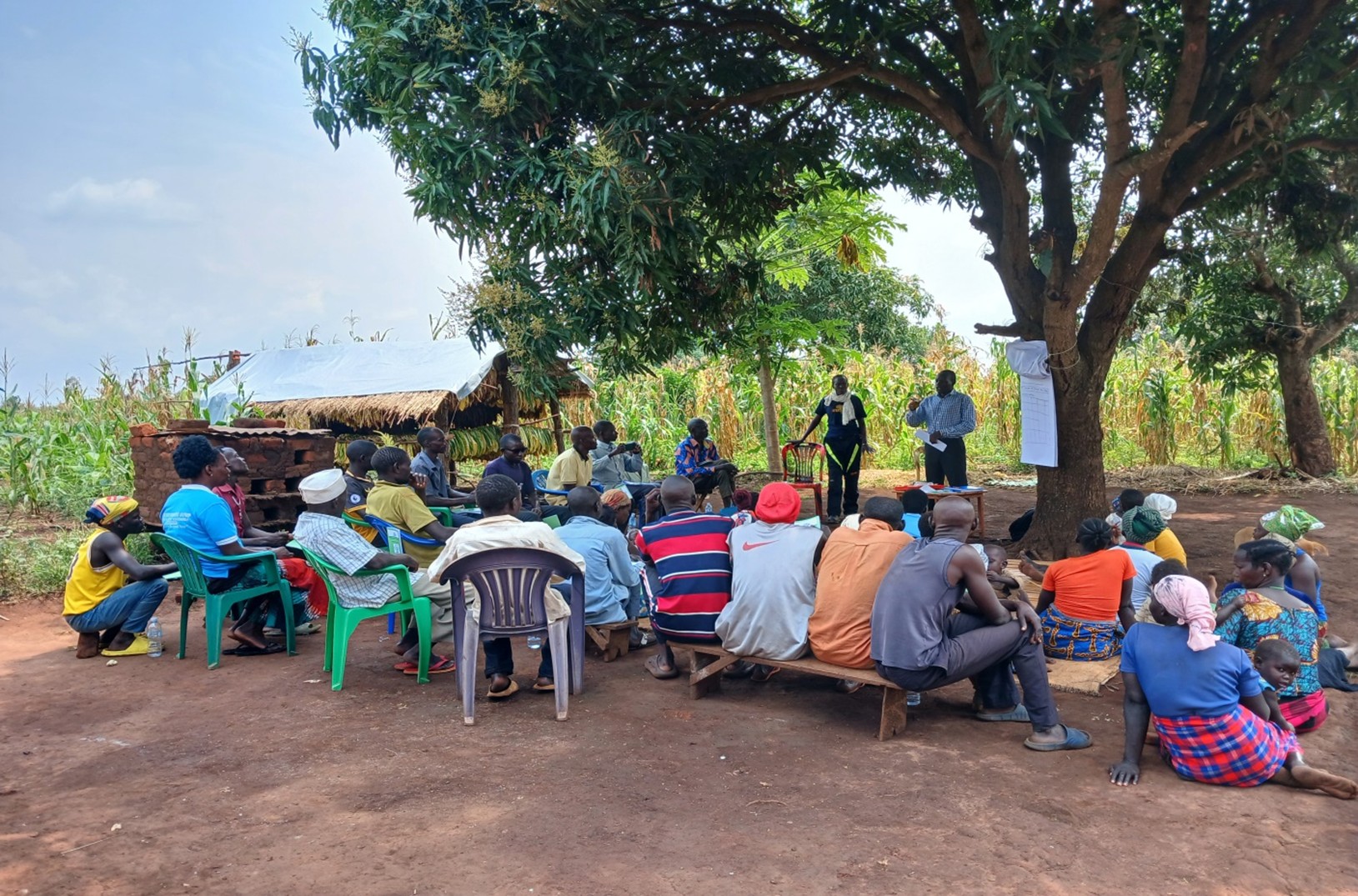
Photo: Esther (Mentee) facilitating a community WASH Committee Meeting in Uganda
To join RWSN and be informed about the next round of the mentoring programme, please sign up here.
This is a guest blog by Kachusha Nkosha, who participated as a mentee in the RWSN and Women in WASH 2025 Mentorship Program.
Being part of the RWSN and Women in WASH Mentoring Programs has been one of the most defining experiences of my professional journey. Having previously mentored in the health sector, I joined the program eager to contribute, but what unfolded went far beyond expectation. It became a season of personal growth, deeper purpose, and renewed conviction in the power of mentorship as a tool for transformation.
I was privileged to be mentored by Dr. Marie Christine Faye, a woman whose wisdom, humility, and global WASH experience profoundly shaped my outlook. Her mentorship went beyond career guidance; it encouraged reflection, strategic thinking, and a systems approach to leadership. Through her example, I learned that great mentors do not simply provide answers, they create space for discovery, confidence, and courage.
As a mentor myself, I was paired with two exceptional mentees under the hygiene programming track. One of them, Ms. Samira Nassir, displayed remarkable growth and commitment. Her ability to absorb lessons and translate them into tangible progress was inspiring. Our exchanges were grounded in openness, curiosity, and a shared determination to make a difference. My second mentee faced challenges balancing professional and personal responsibilities, as she was not engaged full-time, but I shared resources that she affirmed were valuable. However, even that experience carried important lessons. I continued to share resources, encouragement, and opportunities, reaffirming that mentorship is not about perfection — it is about planting seeds of belief and resilience that grow in their own time.
This program validated one of my strongest personal values, the value of supporting others to rise. It reminded me that true leadership is measured not by personal achievement, but by the impact we create in others. This belief has always guided me and was at the heart of my TEDx Talk, where I spoke about the transformative power of mentorship and the ripple effect it creates in communities. The RWSN program gave that philosophy new depth, connecting it to a global community of women equally passionate about change.
Beyond professional development, this experience strengthened my resolve to continue advancing in the WASH field, particularly in systems strengthening. It inspired me to pursue higher studies and deepen my understanding of how sustainable change is built — not only through projects, but through empowered people, resilient systems, and collaborative leadership.
Looking ahead, I am more determined than ever to contribute meaningfully at local, regional, and global levels — championing women’s leadership, innovation, and inclusivity within WASH. The RWSN and Women in WASH Mentoring Programs have reaffirmed my belief that when we lift others, we lift ourselves — and when women lead with empathy and vision, entire systems transform.
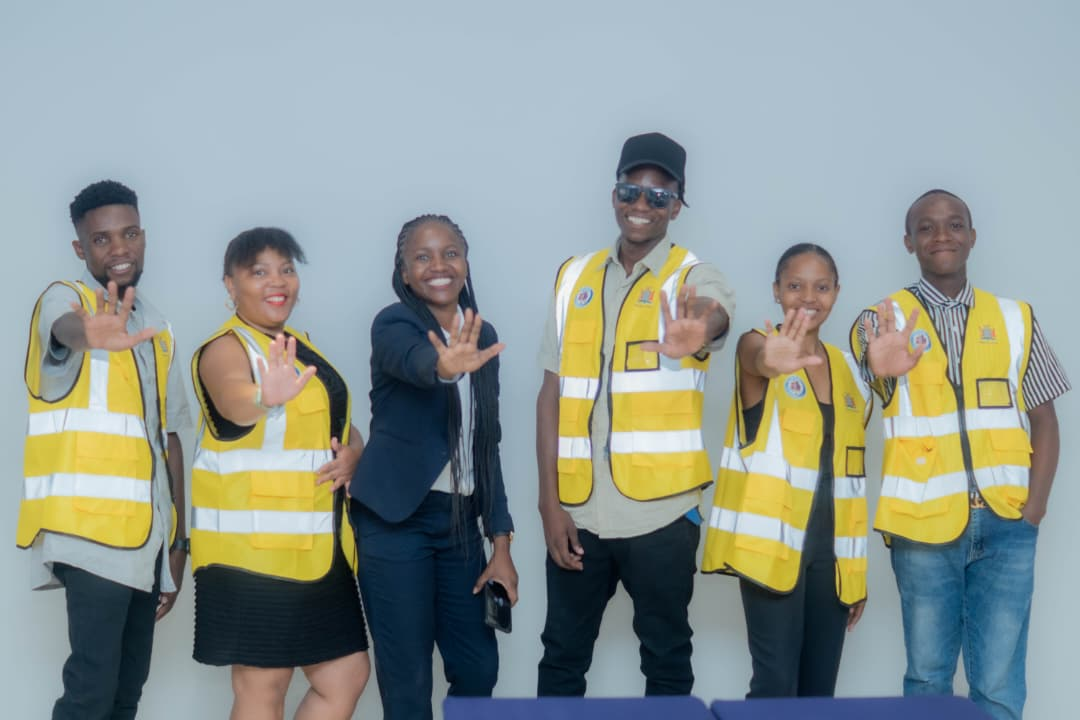
Photo: Kachusha Nkosha mentoring the youth WASH Ambassadors Club – the first WASH Club in Zambia led by youths.
To join RWSN and be informed about the next round of the mentoring programme, please sign up here.
This is a guest blog by Alinafe Favour Kanyimbo, who participated as a mentee in the RWSN and Women in WASH 2025 Mentorship Program.
My name is Alinafe Favour Kanyimbo, a WASH passionate Malawian emerging professional with a background in Water Resources Management and Water Policy. Over the past few years, my academic and professional experiences have strengthened my commitment to advancing sustainable water and sanitation systems that improve community well-being, especially for women and youth. Earlier this year, I had the privilege to participate in the RWSN and Women in WASH 2025 Mentorship Programs, an enriching journey that ran from April to September 2025 and profoundly shaped my professional and personal growth.
When I joined the mentorship program, I was enthusiastic to broaden my understanding of women in WASH, leadership, and professional development within the WASH sector. I was also looking for direction on how to channel my growing passion for inclusive WASH and Menstrual Hygiene Management (MHM) into meaningful action. I was paired with Mr. Sylvester Vungu, an experienced WASH professional whose leadership and dedication to community-centered development greatly inspired me.
From our very first interaction, my mentor encouraged me to reflect deeply on my career goals and to identify the specific areas I wanted to strengthen. Through consistent conversations, he shared valuable guidance on navigating career pathways, building confidence, and enhancing professional visibility. His mentorship also highlighted the importance of leadership grounded in empathy, collaboration, and service, lessons that resonated strongly with my own vision for community empowerment.
One of the most impactful aspects of the mentorship was our discussion on gender inclusion and women’s participation in the WASH sector. I came to appreciate how meaningful engagement of women in decision-making processes can transform not just water and sanitation outcomes but entire communities. Reading articles from different countries, I appreciated the efforts by different organizations like World Vision to promote MHM, especially in rural areas and schools. These reflections reinforced my dedication to championing inclusive WASH approaches that prioritize the needs, voices, and dignity of women and girls.
The regular sessions, knowledge-sharing events, and peer exchanges allowed me to learn from diverse perspectives and discover innovative solutions that can be adapted to local contexts in Malawi.
As I look back, the RWSN and Women in WASH Mentorship Programme has been more than just a professional development opportunity; it has been a journey of rediscovery and empowerment. It has strengthened my belief that when women are supported, mentored, and included in WASH initiatives, communities thrive, and sustainability becomes attainable.
As I move forward, I am motivated to keep contributing to the development of equitable, resilient, and gender-responsive WASH systems, ensuring that no one is left behind. I remain deeply grateful to my mentor, Mr. Sylvester Vungu, for his timeless support, encouragement, and wisdom throughout this transformative journey.
Author Bio
Alinafe Kanyimbo is a water and sanitation professional from Malawi with a Master of Science in Water Policy from the Pan African University Institute for Water and Energy Sciences (PAUWES). She is passionate about gender inclusion, climate resilience, and sustainable WASH systems that empower communities and promote equity.
To join RWSN and be informed about the next round of the mentoring programme, please sign up here.
Professionalism. Standards. Systems. These themes are repeated throughout Rural Water Supply Network’s (RWSN) spring and fall 2025 webinar series.
Given the large percentage of boreholes with early failure – within one to two years – improvements in standards and professionalism in borehole drilling are necessary. Drilling association leaders spoke passionately about the need for borehole drillers to professionalize to improve the quality of boreholes, increase accountability, stop illegal drilling and enhance community buy-in, which occurs when standards are enforced and certified materials are used.
George k’Ouma, from the Small Scale Drillers Association of Kenya, said it best: Professionalism isn’t optional.
A tidbit: Small borehole drillers have an advantage over large operations because they have knowledge of the local geology and seasonal changes, which enables better planning and materials selection.
Another area in need of increased professionalism is water management. Professor Kwabena Nyarko, from Kwame Nkrumah University of Science and Technology, Kumasi (KNUST), conducted a study comparing public sector, private sector and community water management in Ghana. Model type was less important than having professional standards and following best practices, including metering, tariffs that covered maintenance costs, efficient collection of tariffs, audits and reporting, digital recordkeeping and training, as well as financial support.
Jose Kobashikawa, head of the Enforcement Directorate for Sunass, the regulatory body for drinking water and sanitation services in Peru, echoed these concepts in his presentation. SUNASS uses a benchmarking tool to evaluate rural providers. Metrics include formality and management (are they registered, do they have a water use license), financial sustainability (do they collect tariffs, what percent of customers are defaulters), and quality of services (is water chlorinated and daily hours of water supply). High performing providers are awarded certificates recognizing their good practices in public management and workshops are held in each region to disseminate best practices.
Focusing on systems is another thread that runs through the varied webinar topics. Systems thinking means designing a scheme for the long-term provision of water. Boreholes must be properly sited. Appropriate materials, such as high quality stainless steel (304/316), need to be selected in order to prevent corrosion, as RWSN’s Stop the Rot initiative details. Handpumps often corrode within months or years instead of lasting a decade. Ayebale Ared, Technical and Social Expert at Welthungerhilfe, shared Uganda’s systemic solution: in 2016 the country banned the use of galvanized iron (GI) risers and rods in all new and rehabilitated handpumps – the first sub-Saharan country to do so. Uganda also requires a water quality analysis be done before materials are selected.
In addition, data collection and use must be embedded in all stages and aspects of water projects.. Dr. Callist Tindimugaya, Commissioner for Water Resources Planning and Regulation in Uganda, collects data from drillers which he then turns into groundwater maps the drillers can then use.
Systems thinking also means including the needs of the entire population in the design, especially women, who bear the burden of hauling and carrying water. Women – who are killed by crocodiles while washing clothes in rivers, whose skin is irritated by harsh detergents, who find leaning over low wash basins harder as they age, who need to wash bloody clothes and bedsheets separately from the family’s regular laundry when they menstruate. Laundry is barely mentioned in WASH circles but RWSN devoted an entire webinar to the topic. One speaker questioned how the WASH sector would be different if the metric for success was the amount of time women spend collecting water.
Understanding the local culture is critical; psychologists, behaviorists and sociologists can help provide insights. Technical solutions which aren’t accepted by the community will only lead to failure.
The lack of funds to cover maintenance work on wells is well known. Systems thinking means anticipating root causes of funding issues in a community and pre-emptively building a system that attempts to solve those issues. Tariffs are too low to cover maintenance? Then the project needs to determine how sufficient funds will be raised, whether through higher water fees (that may be less affordable to low-income families) or from external sources. The water committee is inefficient at collecting funds? Then training and capacity building need to be part of the project design from the beginning.
Looking at the bigger picture helps creative ideas flourish: Household rainwater harvesting, replenishing water aquifers through tube recharging, deep bed farming that breaks up the hard pan so water can return to the aquifer, sand dams that filter water and incorporating water management and regreening in the design and construction of roads so crops can grow next to roads. During the laundry webinar, three organizations presented their laundry solutions – devices that save women time, eliminate much of the manual labor, use less water and even offer income-generating opportunities.
The webinars are at times frustrating because we clearly know what needs to be done – yet professionalism, systems thinking and best practices are not always prevalent. More often, though, the webinars are full of insightful information and inspiring stores from experts. The knowledgeable participants, who ask focused, detailed questions, enhance the experience. I look forward to the spring 2026 webinars which are currently being planned.
Rebecca Laes-Kushner is a consultant to NGOs and companies with a social mission, with a particular focus on development issues such as WASH, climate change, supporting SMEs, health care and nutrition. Laes-Kushner Consulting (https://laeskushner.net/) provides research and writing, data analysis, M&E and training services. Rebecca has a Master’s in Public Administration (USA) and a Certificate of Advanced Studies in Development and Cooperation from ETH NADEL in Switzerland.
by Tapio S. Katko, Jarmo J. Hukka, Petri S. Juuti, Riikka P. Juuti and Eric J. Nealer.
Illustrations: Pertti O. Väyrynen. Publisher: IWA Publishing, London.
Is bottled water better for you than tap water? Is the pollution created by wastewater treatment plants a major issue? Is privatisation the best solution for more efficient water use? These are just a few of the myths busted in Dispelling Myths About Water Services.
In any society, water and wastewater systems are of fundamental importance to the development of communities and the well-being of both people and the ecosystem. Unfortunately, this fact has been reinforced by the COVID-19 pandemic, by all manner of natural disasters, and by recent armed conflicts around the world. In such situations, clean water and sanitation are among the first things that need to be organised.
In this book, internationally renowned experts examine 21 common misconceptions regarding water supply and wastewater services, dispelling the myths by drawing on their global insights and avoiding technical jargon, while simultaneously raising questions of concern relating to water services.
Access to clean water and safe sanitation is essential for life. Without it, our time on this planet becomes dangerously short. People do not necessarily think about the challenges relating to water services, but the message is clear: to build sustainable water services, proper rules, accountable and responsive leadership, and well-informed stakeholders are vital, alongside resilient organisations and robust physical systems.
Originally published in Finnish, this English edition has been completely rewritten and includes examples and references from countries across the world. Original illustrations bring the content to life.
Whether you’re a water professional, policy maker, or environmental enthusiast, Dispelling Myths About Water Services helps sort the fact from the fiction regarding our most vital resource: water.
The book is freely available as an e-version: DOI: https://doi.org/10.2166/9781789064162 and a printed copy can be bought as well from the website for 20% off seasonal offer for the printed version by the code “DMAWS25”, Valid until 21st Dec 2025.
Erich Bauman, the founder of RWSN, passed away in Ireland at the age of 81 after a brief illness. He was an imaginative and gifted water engineer and development practitioner with many years of hands-on field experience, mainly in Asia and Africa.
A pragmatic, out-of-the-box thinker and leading authority on the design, manufacture, and maintenance of handpumps in low-income countries, Erich was a forceful advocate for the community ownership and management of small-scale water schemes and an indefatigable trainer of government engineers and village-level operatives.
Erich was born and grew up in Switzerland. After graduating as a mechanical engineer, he began his career designing tractors, but the 1970s were a bad time for the industry and many factories, including his, closed. So, in 1979, he moved to Bangladesh where he began work at the Mirpur Agricultural Workshop and Training School (MAWTS) where his focus moved from tractors to expanding the manufacturing capacity of factories to produce and sell the simple rower-pump, which was ideal for low-cost irrigation. It was through this that he met Ken Gibbs (UNICEF) and Tim Journey (World Bank) who were working on improvements to direct-action handpumps for domestic water supply.
In 1984, Erich turned down a job at the World Bank to return to Switzerland and join SKAT, which was then an association affiliated with the University of St. Gallen. He rose to become Managing Director and navigated the organisation through the tricky transition of becoming an independent consulting company, SKAT Consulting Ltd, in 1997 and establishing Skat Foundation in 2002, before handing over the reins to Jürg Christen. His attention to detail and quality was applied to getting ISO 9000 accreditation in quality management within the organisation.
But perhaps Erich will be best remembered for his progressive management of two influential, global development networks: The Handpump Technology Network (HTN); and The Rural Water Supply Network (RWSN).
In 1992, in the wake of the 1981-1990 International Drinking Water Supply and Sanitation Decade (IDWSD) during which hand pumps had become the mainstay of rural water supply programmes, a meeting was organised by the donor community at Kakamega, Kenya. A global forum for the better coordination of hand pump development, manufacture, operation and maintenance was mooted and Erich was tasked with setting up a Secretariat for what was to become the Handpump Technology Network (HTN). It was to be funded by The Swiss agency for Development Cooperation (SDC) and based at Skat in St. Gallen, Switzerland.
After twelve years under Erich’s leadership and with the proven benefits of this coordinating technical network for everything related to hand pumps, the HTN mandate was broadened in 2004 to become the Rural Water Supply Network (RWSN) to more comprehensively support rural water supply initiatives from drilling and hand pumps to water quality testing and everything in between.
During his tenure, his achievements, which it is no exagerration to say have touched the lives of tens of millions of people and their everyday water access, included:
Supporting governments in multiple countries, including Ghana and Uganda to develop standardisation policies so that chaos of 10, 20, 30 different handpumps was rationalised to 2-3 so that supply chains and operation and maintance support become more sustainable.
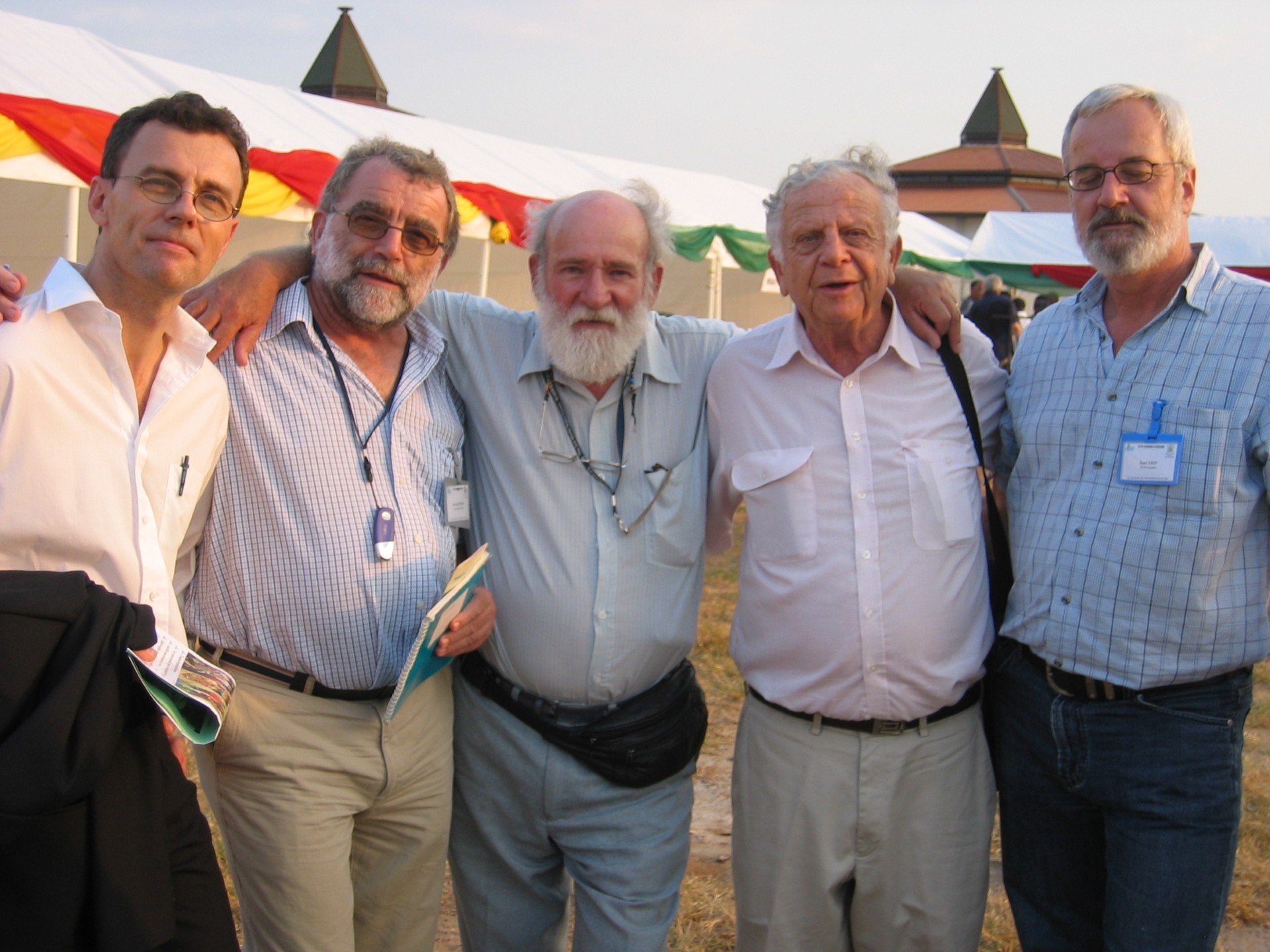
At the RWSN Forum Ghana (2005), from the left: Julian Jones, Erich Baumann, Peter Morgan, Peter Wurzel, Karl Erpf (photo from Peter Morgan)
Those of us who worked with Erich in the early years know that the HTN and its successor, the RWSN, would never have come into being, let alone thrived, without his passion, drive and commitment. His engagement with Network members, travels to participating programmes in far flung places, the training courses he ran and his precise documentation of the successes and failures of water projects around the world, reinforced belief in the worth of the RWSN, while his promotion of multi-year work plans secured longer term funding and continuity in the running of the Network.
In 2009, after seventeen years, Erich handed over the reins of the Secretariat to Dr Kerstin Danert and retired to Ireland from where he maintained a watching brief over his RWSN brainchild, mentoring and encouraging his successor to grow the Network. Which she did, embracing drilling practice and bringing it mainstream.
Erich leading a handpump training course hosted by the Austrian Red Cross, Vienna, 2012 (Photo: S Furey)
Kerstin was succeeded in 2017 by the Network’s third and current Director, Sean Furey who has continued to build on Erich’s pioneering initiatives and Kerstin’s work while expanding the RWSN remit and enhancing its profile such that it is now recognised by donors, governments and sector professionals as the leading rural water supply forum globally – a vibrant network of some 17,000 members in 174 countries and bringing rural water supply know-how and technical solutions to quite literally, millions of poor communities. This then, is Erich’s legacy, and likely a long lasting one.
Erich was a humanist at heart; generous and self-effacing but dogged in the pursuit of a goal. Balancing the serious business of rural development with his own wry brand of humour was a welcome asset when accompanying him on contentious field missions or when engaged in difficult negotiations with partners.
Erich was a much-valued mentor to many water wallahs around the world and a great friend to those who were lucky enough to know him. He was a one off. Irreplaceable.
RIP Erich and thank you for what you did in the time that you had, mostly for others.
By Rupert Talbot (UNICEF WES; India, Sri Lanka, Ethiopia (1970 -2003), HTN Chair, 1996-2003) with contributions from Dr Peter Wurzel (UNICEF, HTN Chair, 1992-1996); Jürg Christen (former Managing Director, Skat Consulting Ltd.); Dr Peter Morgan; Dr Kerstin Danert (Ask for Water Ltd. RWSN Director, 2009-2017); Sean Furey (Skat Foundation, RWSN Director, 2017-present).
Rural water supply systems in low-income settings, particularly in last-mile communities, face chronic sustainability challenges. Financing predictable operation and maintenance (OPEX) remains a persistent gap, with one in four water points in sub-Saharan Africa being non-functional at any given time. While community-based management has been the dominant model for post-construction maintenance, it is increasingly recognized as insufficient, relying on underfunded household tariffs, volunteer committees, and limited technical support. Emerging solutions like results-based financing and professionalized maintenance contracts have shown promise with some securing government financing. This paper proposes district-level maintenance endowment funds, a mechanism where invested capital generates predictable income, as another option for financing rural water maintenance. These funds would support targeted subsidies, results-based contracting, and accountable, locally governed service delivery aligned with decentralization frameworks. This proposed model is agnostic to the specific management model, whether community-based, professionalized, or hybrid. The focus is on creating a predictable, long-term financing mechanism, particularly for so‑called ‘last-mile’ rural communities: small, dispersed villages, often with fewer than 1,000 people, that are typically excluded from piped water systems due to high per-capita service costs.
Two key arguments frame this proposal: (1) while endowment funds may be initially capitalized by international donors or organizations, over time they reduce dependency on short-term donor cycles by creating a predictable, locally managed revenue stream, and (2) Piloting endowments at the district government level strikes the right balance between being close enough to last-mile communities, accountable to them, and large enough to achieve economies of scale that will ensure financial viability for service provider payments.
THE PROBLEM: Persistent Non-Functionality and Unrealistic Expectations
Across sub-Saharan Africa, one in four rural water systems are non-functional at any given time. These failures are not anomalies, but they reflect a systemic global challenge: the absence of a reliable model for rural water service delivery beyond construction. For decades, community-based management (CBM) has been the dominant approach. It assumes that because communities value water, they will voluntarily manage infrastructure. But the viability of CBM is increasingly being questioned. Tariffs based on affordability rarely cover full maintenance costs, especially in small, dispersed communities, with variable incomes, that are often not prioritized for piped systems. Trained committee members often leave, and access to spare parts or technical support is limited. Volunteer fatigue, lack of retraining, and systemic underinvestment compound the problem.
The expectation that people living in the poorest rural villages must fully fund and manage the long-term maintenance of their own water systems does not align with how water systems are managed anywhere else in the world. In high-income countries, water infrastructure is maintained by trained professionals and supported by stable funding streams, often not limited to water user fees, but supplemented by public financing mechanisms such as property taxes and municipal budgets. The same should hold true, if not more so, in low-resource rural settings. A more realistic, equitable approach is therefore urgently needed.
TRIED AND TESTED SOLUTIONS: Results-Based Financing (RBF) – When Performance Meets Poverty
New RBF models are emerging. Uptime, as an example, is a partnership supporting professionalized rural water service providers that pays providers based on verified uptime. This shifts incentives from reactive repairs to preventive maintenance. Between 2020 and 2022, Uptime supported services for 1.5 million people in seven countries. Governments in countries such as Kenya, Bangladesh, and Zambia are now beginning to adopt performance-based financing approaches like this into their own public financing systems. This has been inspired in part by the evidence generated through philanthropic pilots. Yet, a central limitation remains: these models have demonstrated viability primarily in communities large enough or more “well-off” to generate economies of scale. This makes them financially attractive to service providers, but systematically excludes smaller, remote last-mile communities that are seen as less “bankable”. This is not a critique of performance-based models like Uptime, they are delivering results and proving their value. But it does highlight the need to pilot complementary result-based financing mechanisms that can address the unique realities of last-mile communities. Expecting the world’s poorest to fully finance their own essential services is neither equitable nor realistic. What’s needed is smart, targeted financing, including well-placed subsidies, that reflects the diversity of community capacity and directs public investment where it’s needed most. This is especially critical for last‑mile communities, i.e. remote, low‑density villages where user fees alone can never sustainably cover operating expenses.
This frame of thought, of differential and context-specific financing solutions, borrows from Dorward et al.: “Hanging In, Stepping Up, and Stepping Out.” Most rural households are “Hanging In,” unable to pay without full subsidy. Others can co-finance with support (“Stepping Up”), or engage with market models (“Stepping Out”). This model enables differentiated financing that aligns with real-world capacity. Targeted subsidies are not about dependence; they free up cash for productive use while ensuring reliable services. Importantly, we differentiate between water as a service that must be reliably provided for health and dignity, and water as a productive resource used to generate income. The proposed endowment-backed financing model speaks to the former, guaranteeing essential domestic supply. Other financing tools may be more appropriate for supporting productive uses of water in agriculture or enterprise.
RBF models have proven we know how to make maintenance work. The challenge now is to pilot solutions, such as endowment funds, that can sustainably support these communities where market-based approaches do not reach, thereby ensuring universal access to all.
THE PROPOSAL: District-Level Maintenance Endowment Funds
To close the financing gap, we propose district-managed endowment funds dedicated to rural water maintenance. These funds would invest capital to generate steady income for maintenance costs, insulating service delivery from budget shocks and donor cycles. They would:
Provide predictable financing by requiring implementing agencies to allocate a fixed amount, e.g. 10-20% of infrastructure costs, into the fund.
Enable targeted subsidies using the Hanging In/Stepping Out framework.
Support results-based contracting for professional maintenance providers.
Align with decentralization by placing fund management at the district level, while national governments serve as regulators.
This model borrows from urban utility principles where professional service delivery is underpinned by predictable financing and adapts them to rural realities. It does not assume full cost-recovery from users, nor does it treat water as a commodity for profit. Instead, it creates a stable platform for targeted subsidies and professional maintenance services in communities where user fees alone are structurally insufficient.
It is with heavy hearts that we pause, not to let grief diminish the force of her legacy, but to honor the fierce, unyielding presence of a foundational architect of human right to water. Catarina de Albuquerque (1970–2025) was a tireless expert who leveraged her wisdom, courage, and political will to change the world’s most basic equation.
Catarina’s career was a masterclass in strategic advocacy, dedicated to transforming an ethical concern into a concrete, legally binding global objective.
For us, her most monumental achievement was her brave assumption of the role as the first UN Special Rapporteur on the human right to safe drinking water and sanitation (2008–2014). This work culminated in the unwavering declaration of the 2010 resolution by the UN General Assembly, formally recognising access to water and sanitation as human rights. This was a critical shift, forged by her bold conviction, that moved the issue from a development challenge to a State obligation under the international human rights framework.
Catarina didn’t just advocate for recognition; she focused on accountability.
She ensured these rights were explicitly incorporated into the global development agenda, successfully driving their inclusion in Sustainable Development Goal 6 (SDG 6): “Ensure availability and sustainable management of water and sanitation for all.”
Her diplomatic force was also evident in her work presiding over the negotiations for the Optional Protocol to the International Covenant on Economic, Social and Cultural Rights (OP-ICESCR). This profound legal instrument created a mechanism for individuals to challenge human rights violations at the UN level, giving real teeth to economic and social rights.
As CEO of the Sanitation and Water for All – a UNICEF-hosted global partnership (SWA) partnership she continued to strategically mobilize high-level political will and financing, ensuring that policies prioritised the poorest and most marginalized, embodying the principle to leave no one behind.
For us, the Rural Water Supply Network (RWSN), especially the Leave No One Behind Theme, Catarina provided the intellectual architecture necessary to fulfill our mandate. She moved beyond theory to provide us with actionable tools for implementation, ensuring the human rights framework was specifically tailored for the rural frontiers where we operate. Her collaborations directly strengthened RWSN’s technical focus by embedding social accountability and equity into service delivery models.
Her influential work, such as the book On the Right Track: Good Practices in Realising the Rights to Water and Sanitation, provided the necessary guidance for countries to operationalize these rights, directly informing our approach to national policy engagement.
She actively engaged with RWSN partners, notably through joint events like the World Bank and RWSN Webinar on the Human Right to Water, demonstrating her enduring commitment to bridging high-level policy with grassroots, rural implementation.
This strategic alignment means our commitment to the forgotten is a globally recognised legal duty, a legacy of her unparalleled expertise.
Catarina’s life offers a potent vision for every generation that follows, proving that policy is the highest form of power.
To the Youth, she demonstrated that a deep, determined focus on law and strategic advocacy is the lever for world-altering results. You are not merely inheritors of problems; you are the architects of the future legal reality for water and sanitation. Your fresh perspective and moral clarity are essential to holding power accountable and securing human rights.
To the Women in Water, Catarina is the indisputable proof of what a courageous, intellectual, fiercely determined woman can achieve. She was the one who shattered the ceiling and demanded accountability, showing women how to transform technical expertise into unassailable rights-based mandates. Your leadership is non-negotiable; Wield your power and be bold in its assertion.
And to the Global South, she is a powerful, undeniable call. She is the proof that our rightful place is not just to benefit from global policy, but to lead, command, and enforce the international human rights framework that demands equity for our communities. Our local experience is the unshakeable moral anchor that must drive global social justice.
Catarina’s greatest gift was not the victory itself, but the enduring reminder that our work is never done. Her unwavering commitment lights the path ahead, and her words continue to set our highest standard:
“I encourage you to continue the critical work you are all doing in recognising water, sanitation and hygiene as fundamental for all.” – Catarina, 2020
We honour her memory not through sorrow, but through renewed purpose, transforming grief into greater effort, deeper dedication, and higher quality in all we do. Inspired by her fearless leadership and strategic brilliance, we celebrate the progress she secured and press forward, with determination and wisdom, until the shared vision of universal water access becomes a reality for everyone, everywhere.
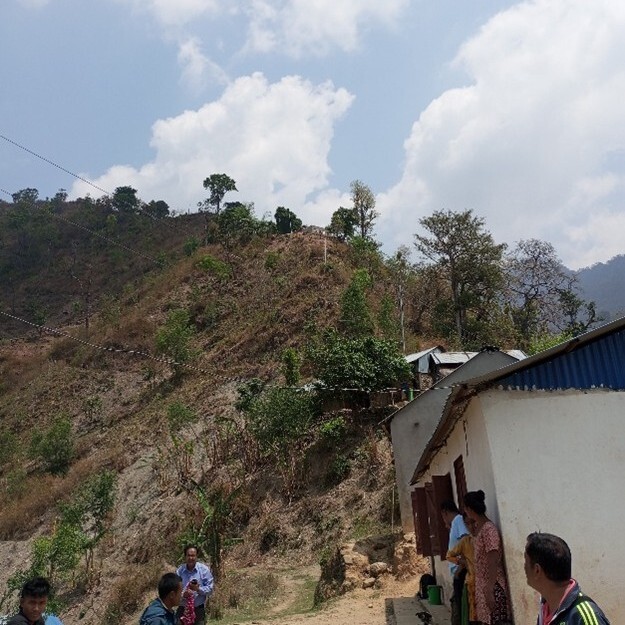
Blog by Jeff Tan, Aga Khan University – Institute for the Study of Muslim Civilisations (AKU-ISMC). Featured photo: Hunza Valley, Gilgit-Baltistan, Pakistan, Jeff Tan
The limitations of community-based management (CBM), and the conditions for its success, were identified as early as 1990 in a World Bank discussion paper. From very early on, it was recognised that communities needed ongoing external support from donors, NGOs and governments. However, management training, capacity building, technical input, financial assistance, and supportive policy and legislation necessary to create an “enabling environment” for successful community management rarely materialised. This raises a number of questions: Why has this external support not been forthcoming? Why has community management continued to be promoted despite the absence of support and lack of sustainability? Why has there been ‘a reluctance amongst academics and practitioners to challenge the CBM model’?
To answer these questions requires some appreciation of the wider discourse on development and in particular the anti-state rhetoric of neoliberalism that has sought to downsize, decentralise and ultimately bypass government. This has had the effect of fragmenting and hollowing out the state while at the same time prioritising markets and the private sector. Given that there is no profit to be made from delivering water services to low-income households that cannot afford to pay cost-covering tariffs, it is not surprising that previous state failure was replaced by market failure, with the private sector failing to step in to deliver water services.
One obvious solution would have been to address the sources of state failure, specifically underfunding, fragmentation and the loss of technical capacity. Instead of rebuilding state capacities, the distrust of, and ideological aversion to, the state has shifted the responsibility of water services from governments to local communities, built around the narrative of community participation, empowerment and self-help, with communities expected to take responsibility of their circumstances. It is hardly surprising then that community management is seen to enable ‘government officials and donors alike to abdicate responsibility for ensuring long-term sustainable water services’.
The recent turn against community management, not least by the World Bank, shows the persistence of CBM problems. But the Bank’s promotion of “professionalization” of water services as an alternative reflects a failure to examine the underlying tensions and problems in the CBM model and the wider delivery of rural water services, and reinforces an anti-state bias and blind faith in private sector participation. There are three structural tensions in the CBM model that have been noted in the literature and that need to be more cogently articulated.
The first tension is between access to water and cost recovery (a cornerstone to the sustainability of CBM), with low tariffs (to ensure access to water) unable to cover operating costs, let alone major repairs and capital refurbishment. Compounding this is the inability of households to pay already very low tariffs, with irregular, if any, tariff payments or collections.
The second tension is the long-term needs of water services and the short-term horizons of donors and NGOs. Only the state has a sufficiently long-term horizon to provide the indefinite support needed to sustain community management and ensure ongoing water services. But this added burden on the state for this comes at a time when the state in lower middle income countries (LMICs) is severely constrained financially and technically, having had fiscal discipline imposed on it and broken up and hollowed out in the name of decentralisation and localisation. If governments do not have the capacity to provide the so-called “enabling environment” to support community management, as has been the case since 1990, then a model that requires continued external support that is not forthcoming cannot be sustainable, “islands of success” notwithstanding.
Finally, and perhaps most significantly, the funding model for CBM is short-term, project driven (rather than programmatic or cross-sectoral) and fragmented, where the needs of water services are indefinite, with the choice being between reaching a greater number of underserved communities in the short term or serving fewer communities but with longer term support and greater sustainability. Longer-term support is especially needed because communities cannot even finance major repairs let alone capital refurbishment needed at the end of the lifespan of water infrastructure (typically 15-20 years) and to expand services to cater for population growth.
These structural features of CBM can be illustrated in the constraints faced by an otherwise successful delivery of clean drinking water through piped water networks to 459 settlements serving around 48,000 households and over 400,000 people under the Water and Sanitation Extension Programme (WASEP) in Gilgit-Baltistan, northern Pakistan. The challenges of sustaining and scaling up this textbook implementation of community management are reported in the results of a two-and-a-half-year British Academy-funded research involving a large-scale household survey of over 3,000 households, interviews with water management committees and a review of financial records, focus group discussions, an engineering audit and water quality tests.
Unlike qualitative and selective case studies, the combination of quantitative and qualitative analysis here presents important insights into the resilience but also limits of communities in sustaining water services, particularly given weak state capacities and the lack of external support. It also highlights the importance of “hardware” (engineering and water infrastructure) in sustaining water delivery, and best practices in the implementation and delivery of water services that can transcend some of the limitations of the CBM model.
The views and opinions expressed in this blog post are those of the author. They do not necessarily reflect the views of the Rural Water Supply Network (RWSN) or its Executive Committee.
Jeff Tan is a Professor of Political Economy at AKU-ISMC and was Principal Investigator on a British Academy grant on the sustainability and scalability of community water management in Northern Pakistan.