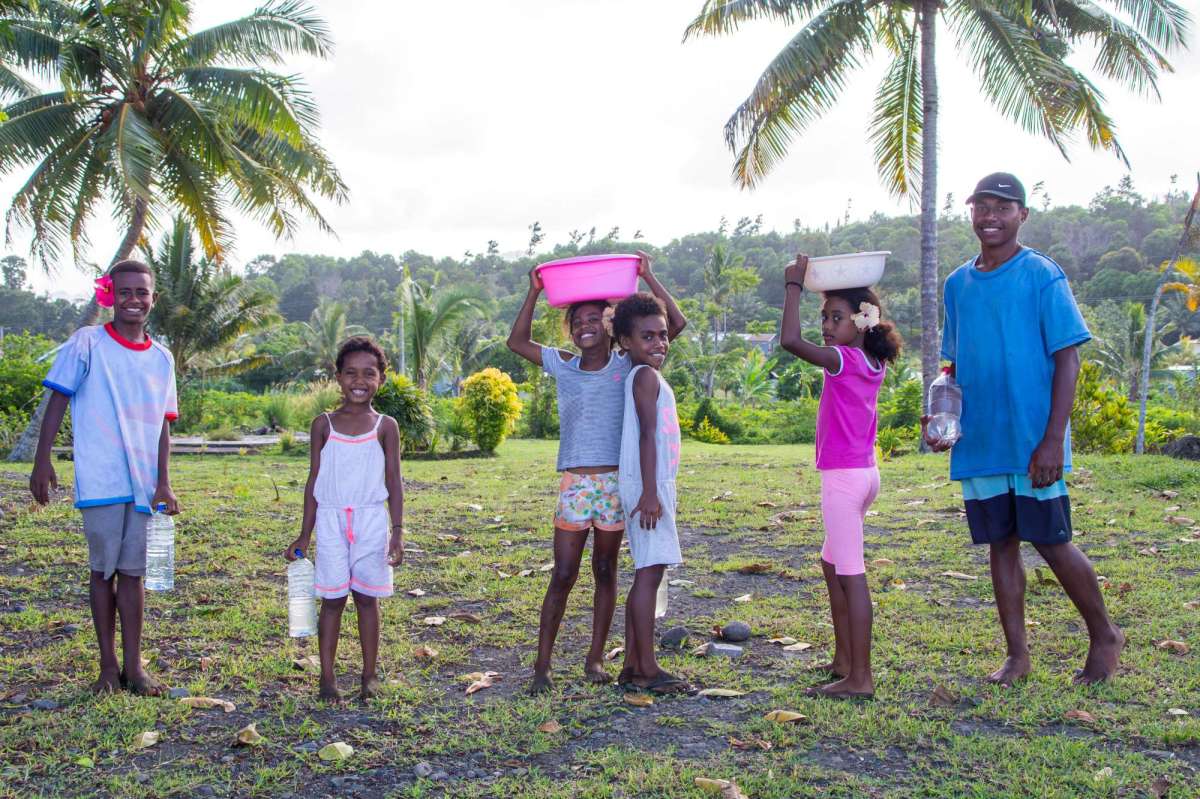
Access to safe and healthy drinking water is a fundamental human right. Yet for many island and rural coastal communities worldwide, this right remains fragile or unattainable. Fiji, an archipelago of more than 300 islands, vividly illustrates this challenge. Despite its tropical climate and abundant rainfall, freshwater resources in Fiji are increasingly under pressure. Over-abstraction, particularly in water-intensive tourism sectors, combined with the accelerating impacts of climate change, threatens the sustainability of water systems. Fiji’s experience reflects a universal struggle for water security in island nations and rural coastal regions.
Island environments are naturally constrained when it comes to freshwater. Unlike continental landmasses, islands have limited rivers, streams, and shallow aquifers. In Fiji, water is sourced from rivers, streams, natural springs, rainwater harvesting systems, and underground aquifers. These sources are highly sensitive to variations in rainfall, land-use changes, and contamination. Once compromised, alternatives are often scarce, making water security a central concern for both rural villages and small island nations.
“Sustaining access to safe and healthy drinking water is not just about scarcity, it is about how water is managed, shared, and protected.”
Over-Abstraction and Tourism Pressures
Over-abstraction has become a critical issue in Fiji. Population growth, urban expansion, and changing lifestyles have steadily increased water demand across the islands. Coastal zones and smaller islands are particularly vulnerable, where shallow freshwater lenses can be quickly depleted. Once over-extracted, these lenses may collapse or become contaminated with saltwater, leaving water unsuitable for consumption.
Tourism, a major pillar of Fiji’s economy, further intensifies pressure on freshwater resources. Hotels, resorts, and other facilities consume large volumes of water for swimming pools, gardens, laundry, and guest services. In many cases, tourist water use exceeds that of local residents. When regulation and conservation measures are weak, tourism can compete directly with community water needs, a challenge common to island destinations worldwide.
Climate Change and Extreme Weather
Climate change magnifies existing water challenges. Rising temperatures increase evaporation, reducing water availability in rivers, reservoirs, and storage tanks. Altered rainfall patterns have caused longer dry periods and more frequent droughts, disproportionately affecting rural and outer-island communities that rely on rainwater harvesting. During extended dry seasons, households often face water rationing or must rely on untreated sources.
Extreme weather events, including cyclones and floods, further threaten water systems. Floodwaters can damage infrastructure, carry debris and pathogens into freshwater sources, and overwhelm natural filtration processes. Sea-level rise also poses a long-term risk for coastal groundwater, as saltwater intrusion contaminates shallow freshwater lenses. Recovery, if possible, may take decades, underscoring the lasting impact of climate change on water security.
Health and Social Implications
Unsafe or unreliable water has serious health consequences. Limited access to clean water increases vulnerability to waterborne diseases, including diarrhea, typhoid, cholera, and skin infections. Children, the elderly, and immunocompromised individuals are particularly at risk. In rural areas with limited infrastructure, households often rely on untreated sources, further increasing health risks and placing additional strain on local healthcare systems.
Inequality in water access compounds the problem. Urban populations generally benefit from centralized treatment and distribution systems, while rural and outer-island communities rely on small, self-managed infrastructure such as rainwater tanks and natural springs. These systems are often outdated, poorly maintained, and highly susceptible to contamination.
Toward Sustainable Solutions
Fiji’s challenges reflect broader patterns among islands and rural coastal regions: limited freshwater resources, competing demands, climate change impacts, and unequal access to infrastructure. Addressing these issues requires integrated, multi-faceted solutions:
Investment in climate-resilient infrastructure to protect storage systems, pipelines, and natural water sources.
Community engagement and local management to ensure maintenance and equitable access.
Promotion of responsible water use across all sectors, particularly tourism.
By implementing these strategies, Fiji can move toward sustainable water management that balances economic development, environmental protection, and public health.
Sustaining access to safe drinking water is more than a development goal, it is a matter of survival, health, and dignity. Over-abstraction, tourism pressures, climate change, and social inequality threaten the long-term resilience of water systems. Protecting freshwater resources, investing in resilient infrastructure, and promoting equitable water management are critical steps not only for Fiji but for island and coastal communities worldwide.
“Ensuring safe drinking water for present and future generations is not only a matter of development, but a commitment to the survival and dignity of island communities everywhere.”
Save our Fiji is dedicated to addressing these pressing water challenges in Fiji and beyond. They work directly with local communities to improve water infrastructure, promote sustainable water management practices, and build resilience to climate-related impacts. By combining research, community engagement, and practical interventions, they aim to ensure that every island and coastal community has reliable access to safe, clean, and sustainable drinking water for generations to come. Save our Fiji joined the RWSN member organisations in April 2024.
This is a guest blog by Faith Lilian Kuloba, who participated as a mentee in the RWSN Mentorship Programme 2024.
My name is Faith Lilian Kuloba, a Ugandan currently pursuing an MSc in Water and Wastewater Processes at Cranfield University. My journey to this point began during my time as an Assistant Water Resources Engineer at Water Access Consulting, when my supervisor encouraged me to join the Rural Water Supply Network (RWSN).
About a year later, while reading one of RWSN’s monthly email updates, I found the 2024 Mentorship Programme for Career Development. Although I wasn’t sure what to expect, I applied with optimism, and I was honoured to be selected.
Shortly after submitting my application, I was paired with my mentor, Rodolfo Bezerra Nóbrega, a lecturer and researcher in the water and environmental sector. His extensive experience in research and academia made him the perfect guide.
At the time, I was eager to advance my career through further studies. I had already applied for several master’s programmes without success, and my family was experiencing financial strain, making the prospect of funding my education even more uncertain. When I shared my career goals and challenges with Rodolfo, he committed to guiding me through the process.
Applying for a master’s degree can feel overwhelming, but Rodolfo provided exceptional mentorship. He helped me identify the right programmes, advised me on suitable universities, and taught me how to search for scholarships including how to reach out to universities about funding opportunities. He supported me in reviewing scholarship requirements, refining my CV to UK standards, and learning how to write strong, structured essays. He also assisted with interview preparation.
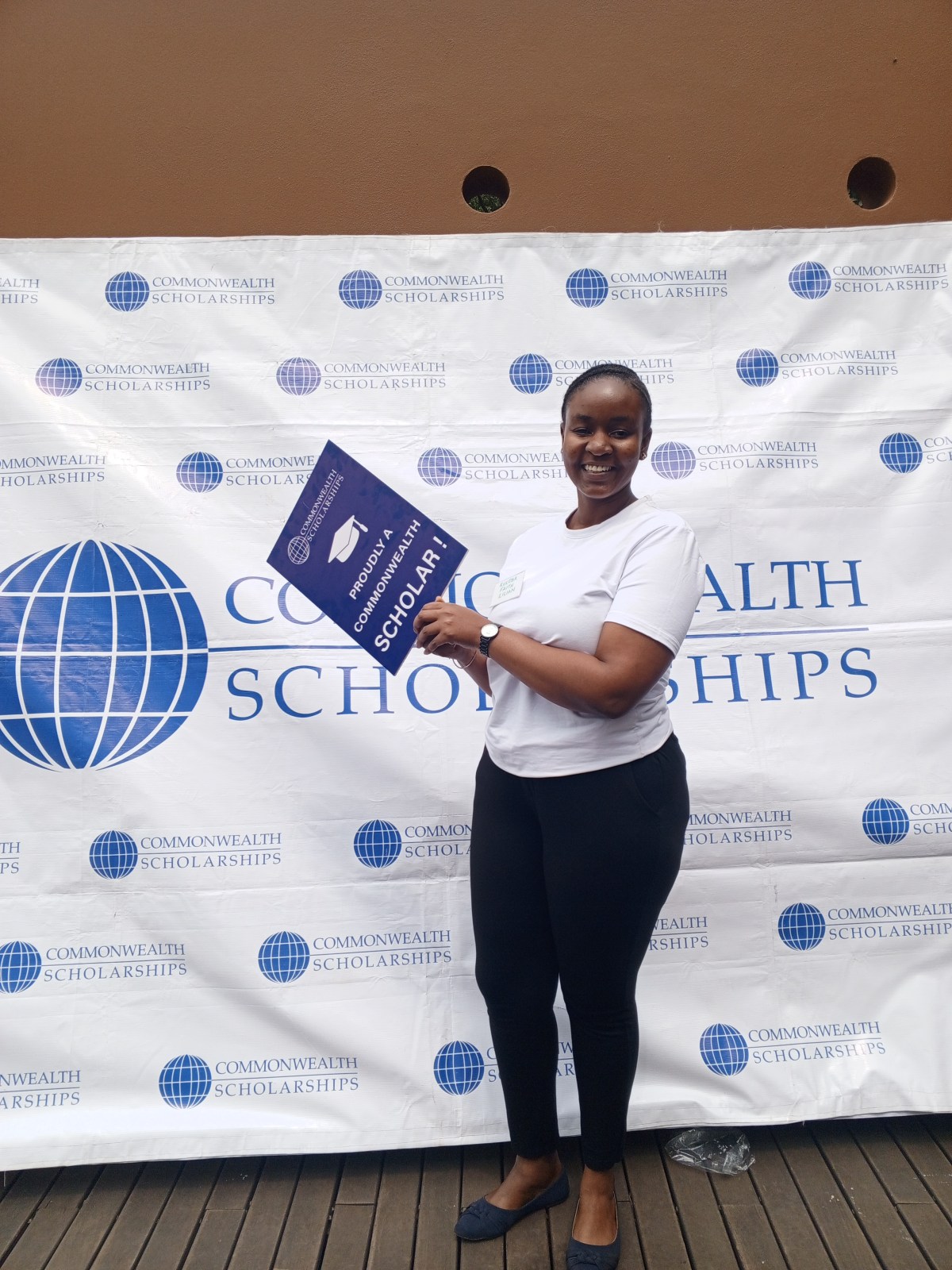
Earlier this year, I was honoured to received the Commonwealth Shared Scholarship, which has allowed me to begin my masters programme at Cranfield University.
This mentorship programme has been truly transformative. Without Rodolfo’s support, encouragement, and skill, I would not be where I am today. Just a year ago, I was unsure how I would finance my studies and now I am in the UK pursuing the master’s degree I always hoped for.
My sincere thanks go to RWSN and the Skat Foundation for organising this mentorship programme. It is an outstanding professional initiative that empowers women in WASH to grow, learn, and advance their careers. I am deeply grateful for the knowledge, confidence, and opportunities it has given me.
To join RWSN and be informed about the next round of the mentoring programme, please sign up here.
This is a guest blog by Esther Lydia Akol, who participated as a mentee in the RWSN and Women in WASH 2025 Mentorship Program.
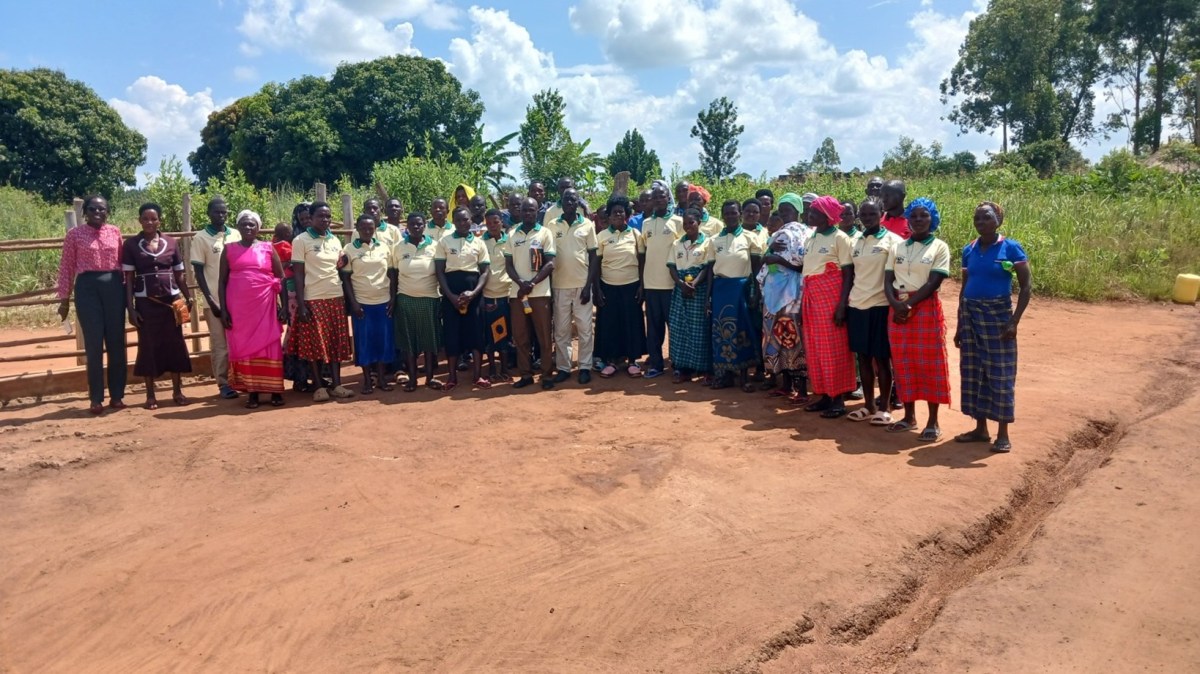
Photo: Esther (Mentee) with Community Water users after an Exchange Learning visist on Water Point Sustainability in Uganda
When I joined the RWSN and Women in WASH Mentorship Programs in April 2025, I hoped to grow professionally and expand my network. What I didn’t expect was a six-month journey that would challenge my thinking, deepen my confidence, and transform the way I approach leadership in rural water, sanitation, and hygiene (WASH). From meaningful conversations with my mentor to new global opportunities, these programs has shown me that mentorship is not just guidance; it is a ripple effect that strengthens communities, builds leadership, and fuels sustainable change.
My name is Esther Lydia Akol, a Ugandan WASH professional with The Water Trust. I joined the mentorship program to grow professionally, expand my network, and strengthen my leadership in promoting sustainable and inclusive rural water systems. Coordinated by the Rural Water Supply Network (RWSN) and Agenda for Change, the programs pair emerging professionals with experienced mentors to foster leadership, learning, and collaboration. It is more than a capacity-building effort; it is a platform for women to find their voices, share experiences, and lead change in communities and organizations.
Discovering Strength in Shared Experience
My mentor, Elon Ryan Sooknanan (PMP, MSc(Eng), MBA), brought a wealth of experience and a genuine spirit of guidance. Our monthly conversations went beyond technical discussions; they explored how sustainability, equity, and innovation intersect to make WASH initiatives more effective and inclusive. Through his mentorship, I learned to communicate with clarity, set achievable goals, and adopt a systems approach to rural water challenges.
Perhaps the most transformative lesson was realizing that mentorship is a two-way flow. While I learned from my mentor’s experiences, I also shared reflections from my work in Uganda’s rural communities. Together, we explored how local realities inform global strategies and how personal growth strengthens professional impact.
During this period, my mentor introduced me to Transformations Leeds (UK), a charity offering apprenticeship and coaching programmes in leadership. I was awarded a one-year apprenticeship and an additional six-month coaching opportunity focused on leadership, sustainable solutions, and climate change. Alongside this, he shared resources on scholarships and WASH knowledge platforms, which I continue to explore to expand my learning and global perspective. This experience demonstrated that mentorship often extends far beyond formal programme sessions, opening doors to lasting professional growth and collaboration.
Bridging Knowledge, Confidence, and Community
Beyond one-on-one mentoring, the RWSN and Women in WASH Mentorship Programs connected me with a diverse community of professionals committed to improving the sustainability and inclusivity of WASH services. Peer-learning sessions and resource-sharing platforms provided spaces for dialogue, reflection, and practical problem-solving.
What stood out most was the sense of community. Our mentor created a WhatsApp group for all the mentees he was mentoring, connecting us with WASH professionals from different regions and countries. Each participant brought a unique perspective, yet we shared a common determination to make a difference. Stories of resilience from across the globe reminded me that collaboration is one of the most powerful tools for advancing rural water supply.
Lessons That Will Flow Forward for me
Reflecting on this journey, I carry forward lessons that will guide my WASH and community development work:
Mentorship multiplies impact. Guiding others strengthens leadership, knowledge-sharing, and the sustainability of development efforts.
Diversity enhances problem-solving. Global exchanges between mentors and mentees bridge context-specific and universal challenges.
Confidence grows through support. Having someone believe in your potential helps dismantle self-doubt and nurtures leadership courage.
Networks are transformative. The mentoring programs connected me to a vibrant community of practitioners who continue to inspire collaboration.
Gender equity drives sustainability. Empowering women in WASH leadership fosters inclusive, resilient, and community-driven systems.
A Call to Future Mentees and Mentors
To women joining future mentorship cycles: embrace every session, challenge, and conversation with openness and curiosity. Ask questions, share your story, and listen deeply to others. The RWSN and Women in WASH Mentorship Programs’ true strength lies in mutual learning, where every perspective contributes to shaping a more inclusive and resilient WASH sector.
To professionals considering mentorship: your experience and time are powerful investments in the next generation of WASH leaders. Mentorship is not about having all the answers; it is about guiding reflection, nurturing curiosity, and helping others grow in confidence and skill. Every shared insight strengthens a global community working toward sustainable rural water services.
Conclusion: When Women Lead, WASH Thrives
Participating in the RWSN and Women in WASH Mentorship Programs has been deeply transformative. It reaffirmed that sustainable water supply is not only about infrastructure—it is about people, relationships, and shared learning.
As I continue my work in Uganda, I carry the lessons of mentorship: the power of connection, the strength of collaboration, and the hope that when women lead, communities thrive. Every act of guidance creates ripples of change, ripples that sustain clean water, dignity, and opportunity for all.
About the author:
Esther Lydia Akol is a WASH Officer with The Water Trust in Uganda. She is passionate about sustainable WASH solutions, gender equity, and empowering rural communities to build resilient rural water systems.
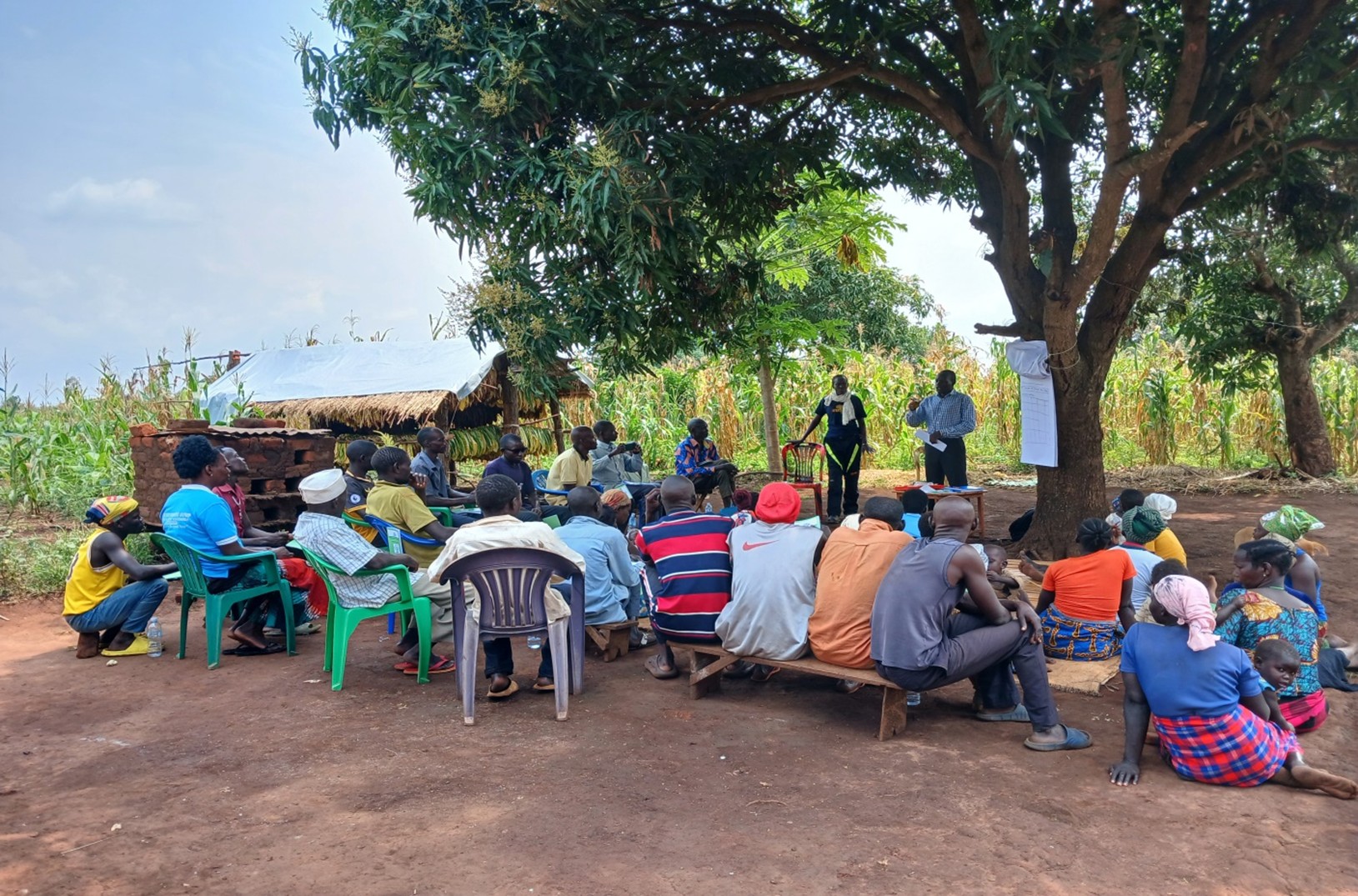
Photo: Esther (Mentee) facilitating a community WASH Committee Meeting in Uganda
To join RWSN and be informed about the next round of the mentoring programme, please sign up here.
This is a guest blog by Kachusha Nkosha, who participated as a mentee in the RWSN and Women in WASH 2025 Mentorship Program.
Being part of the RWSN and Women in WASH Mentoring Programs has been one of the most defining experiences of my professional journey. Having previously mentored in the health sector, I joined the program eager to contribute, but what unfolded went far beyond expectation. It became a season of personal growth, deeper purpose, and renewed conviction in the power of mentorship as a tool for transformation.
I was privileged to be mentored by Dr. Marie Christine Faye, a woman whose wisdom, humility, and global WASH experience profoundly shaped my outlook. Her mentorship went beyond career guidance; it encouraged reflection, strategic thinking, and a systems approach to leadership. Through her example, I learned that great mentors do not simply provide answers, they create space for discovery, confidence, and courage.
As a mentor myself, I was paired with two exceptional mentees under the hygiene programming track. One of them, Ms. Samira Nassir, displayed remarkable growth and commitment. Her ability to absorb lessons and translate them into tangible progress was inspiring. Our exchanges were grounded in openness, curiosity, and a shared determination to make a difference. My second mentee faced challenges balancing professional and personal responsibilities, as she was not engaged full-time, but I shared resources that she affirmed were valuable. However, even that experience carried important lessons. I continued to share resources, encouragement, and opportunities, reaffirming that mentorship is not about perfection — it is about planting seeds of belief and resilience that grow in their own time.
This program validated one of my strongest personal values, the value of supporting others to rise. It reminded me that true leadership is measured not by personal achievement, but by the impact we create in others. This belief has always guided me and was at the heart of my TEDx Talk, where I spoke about the transformative power of mentorship and the ripple effect it creates in communities. The RWSN program gave that philosophy new depth, connecting it to a global community of women equally passionate about change.
Beyond professional development, this experience strengthened my resolve to continue advancing in the WASH field, particularly in systems strengthening. It inspired me to pursue higher studies and deepen my understanding of how sustainable change is built — not only through projects, but through empowered people, resilient systems, and collaborative leadership.
Looking ahead, I am more determined than ever to contribute meaningfully at local, regional, and global levels — championing women’s leadership, innovation, and inclusivity within WASH. The RWSN and Women in WASH Mentoring Programs have reaffirmed my belief that when we lift others, we lift ourselves — and when women lead with empathy and vision, entire systems transform.
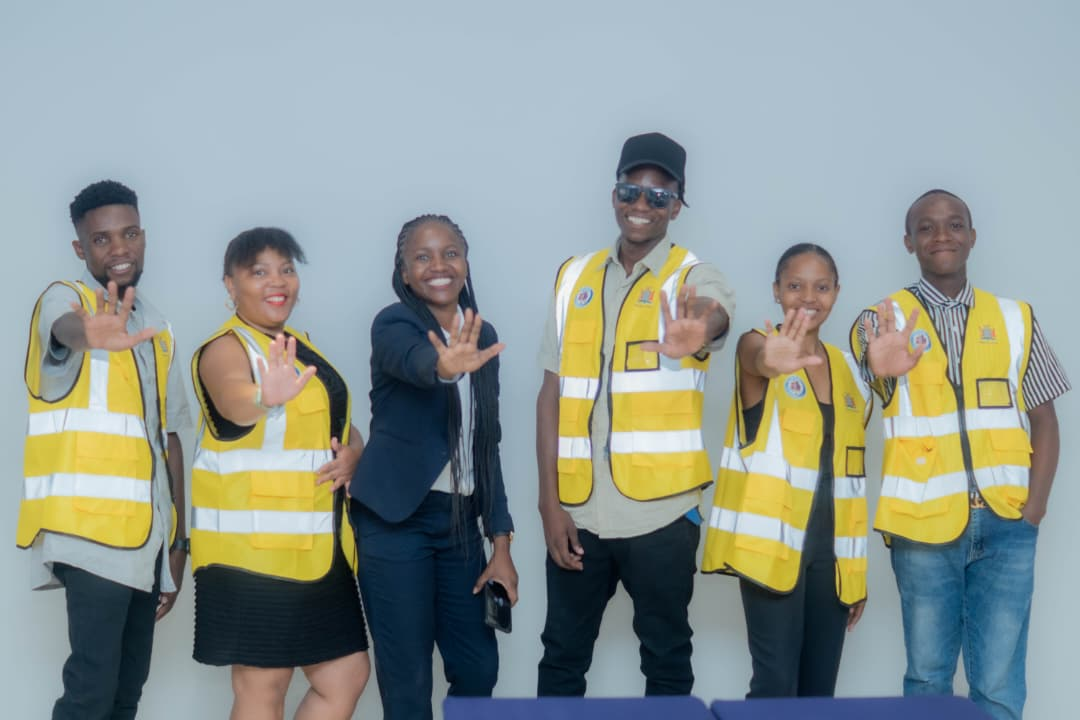
Photo: Kachusha Nkosha mentoring the youth WASH Ambassadors Club – the first WASH Club in Zambia led by youths.
To join RWSN and be informed about the next round of the mentoring programme, please sign up here.
Professionalism. Standards. Systems. These themes are repeated throughout Rural Water Supply Network’s (RWSN) spring and fall 2025 webinar series.
Given the large percentage of boreholes with early failure – within one to two years – improvements in standards and professionalism in borehole drilling are necessary. Drilling association leaders spoke passionately about the need for borehole drillers to professionalize to improve the quality of boreholes, increase accountability, stop illegal drilling and enhance community buy-in, which occurs when standards are enforced and certified materials are used.
George k’Ouma, from the Small Scale Drillers Association of Kenya, said it best: Professionalism isn’t optional.
A tidbit: Small borehole drillers have an advantage over large operations because they have knowledge of the local geology and seasonal changes, which enables better planning and materials selection.
Another area in need of increased professionalism is water management. Professor Kwabena Nyarko, from Kwame Nkrumah University of Science and Technology, Kumasi (KNUST), conducted a study comparing public sector, private sector and community water management in Ghana. Model type was less important than having professional standards and following best practices, including metering, tariffs that covered maintenance costs, efficient collection of tariffs, audits and reporting, digital recordkeeping and training, as well as financial support.
Jose Kobashikawa, head of the Enforcement Directorate for Sunass, the regulatory body for drinking water and sanitation services in Peru, echoed these concepts in his presentation. SUNASS uses a benchmarking tool to evaluate rural providers. Metrics include formality and management (are they registered, do they have a water use license), financial sustainability (do they collect tariffs, what percent of customers are defaulters), and quality of services (is water chlorinated and daily hours of water supply). High performing providers are awarded certificates recognizing their good practices in public management and workshops are held in each region to disseminate best practices.
Focusing on systems is another thread that runs through the varied webinar topics. Systems thinking means designing a scheme for the long-term provision of water. Boreholes must be properly sited. Appropriate materials, such as high quality stainless steel (304/316), need to be selected in order to prevent corrosion, as RWSN’s Stop the Rot initiative details. Handpumps often corrode within months or years instead of lasting a decade. Ayebale Ared, Technical and Social Expert at Welthungerhilfe, shared Uganda’s systemic solution: in 2016 the country banned the use of galvanized iron (GI) risers and rods in all new and rehabilitated handpumps – the first sub-Saharan country to do so. Uganda also requires a water quality analysis be done before materials are selected.
In addition, data collection and use must be embedded in all stages and aspects of water projects.. Dr. Callist Tindimugaya, Commissioner for Water Resources Planning and Regulation in Uganda, collects data from drillers which he then turns into groundwater maps the drillers can then use.
Systems thinking also means including the needs of the entire population in the design, especially women, who bear the burden of hauling and carrying water. Women – who are killed by crocodiles while washing clothes in rivers, whose skin is irritated by harsh detergents, who find leaning over low wash basins harder as they age, who need to wash bloody clothes and bedsheets separately from the family’s regular laundry when they menstruate. Laundry is barely mentioned in WASH circles but RWSN devoted an entire webinar to the topic. One speaker questioned how the WASH sector would be different if the metric for success was the amount of time women spend collecting water.
Understanding the local culture is critical; psychologists, behaviorists and sociologists can help provide insights. Technical solutions which aren’t accepted by the community will only lead to failure.
The lack of funds to cover maintenance work on wells is well known. Systems thinking means anticipating root causes of funding issues in a community and pre-emptively building a system that attempts to solve those issues. Tariffs are too low to cover maintenance? Then the project needs to determine how sufficient funds will be raised, whether through higher water fees (that may be less affordable to low-income families) or from external sources. The water committee is inefficient at collecting funds? Then training and capacity building need to be part of the project design from the beginning.
Looking at the bigger picture helps creative ideas flourish: Household rainwater harvesting, replenishing water aquifers through tube recharging, deep bed farming that breaks up the hard pan so water can return to the aquifer, sand dams that filter water and incorporating water management and regreening in the design and construction of roads so crops can grow next to roads. During the laundry webinar, three organizations presented their laundry solutions – devices that save women time, eliminate much of the manual labor, use less water and even offer income-generating opportunities.
The webinars are at times frustrating because we clearly know what needs to be done – yet professionalism, systems thinking and best practices are not always prevalent. More often, though, the webinars are full of insightful information and inspiring stores from experts. The knowledgeable participants, who ask focused, detailed questions, enhance the experience. I look forward to the spring 2026 webinars which are currently being planned.
Rebecca Laes-Kushner is a consultant to NGOs and companies with a social mission, with a particular focus on development issues such as WASH, climate change, supporting SMEs, health care and nutrition. Laes-Kushner Consulting (https://laeskushner.net/) provides research and writing, data analysis, M&E and training services. Rebecca has a Master’s in Public Administration (USA) and a Certificate of Advanced Studies in Development and Cooperation from ETH NADEL in Switzerland.
It is with heavy hearts that we pause, not to let grief diminish the force of her legacy, but to honor the fierce, unyielding presence of a foundational architect of human right to water. Catarina de Albuquerque (1970–2025) was a tireless expert who leveraged her wisdom, courage, and political will to change the world’s most basic equation.
Catarina’s career was a masterclass in strategic advocacy, dedicated to transforming an ethical concern into a concrete, legally binding global objective.
For us, her most monumental achievement was her brave assumption of the role as the first UN Special Rapporteur on the human right to safe drinking water and sanitation (2008–2014). This work culminated in the unwavering declaration of the 2010 resolution by the UN General Assembly, formally recognising access to water and sanitation as human rights. This was a critical shift, forged by her bold conviction, that moved the issue from a development challenge to a State obligation under the international human rights framework.
Catarina didn’t just advocate for recognition; she focused on accountability.
She ensured these rights were explicitly incorporated into the global development agenda, successfully driving their inclusion in Sustainable Development Goal 6 (SDG 6): “Ensure availability and sustainable management of water and sanitation for all.”
Her diplomatic force was also evident in her work presiding over the negotiations for the Optional Protocol to the International Covenant on Economic, Social and Cultural Rights (OP-ICESCR). This profound legal instrument created a mechanism for individuals to challenge human rights violations at the UN level, giving real teeth to economic and social rights.
As CEO of the Sanitation and Water for All – a UNICEF-hosted global partnership (SWA) partnership she continued to strategically mobilize high-level political will and financing, ensuring that policies prioritised the poorest and most marginalized, embodying the principle to leave no one behind.
For us, the Rural Water Supply Network (RWSN), especially the Leave No One Behind Theme, Catarina provided the intellectual architecture necessary to fulfill our mandate. She moved beyond theory to provide us with actionable tools for implementation, ensuring the human rights framework was specifically tailored for the rural frontiers where we operate. Her collaborations directly strengthened RWSN’s technical focus by embedding social accountability and equity into service delivery models.
Her influential work, such as the book On the Right Track: Good Practices in Realising the Rights to Water and Sanitation, provided the necessary guidance for countries to operationalize these rights, directly informing our approach to national policy engagement.
She actively engaged with RWSN partners, notably through joint events like the World Bank and RWSN Webinar on the Human Right to Water, demonstrating her enduring commitment to bridging high-level policy with grassroots, rural implementation.
This strategic alignment means our commitment to the forgotten is a globally recognised legal duty, a legacy of her unparalleled expertise.
Catarina’s life offers a potent vision for every generation that follows, proving that policy is the highest form of power.
To the Youth, she demonstrated that a deep, determined focus on law and strategic advocacy is the lever for world-altering results. You are not merely inheritors of problems; you are the architects of the future legal reality for water and sanitation. Your fresh perspective and moral clarity are essential to holding power accountable and securing human rights.
To the Women in Water, Catarina is the indisputable proof of what a courageous, intellectual, fiercely determined woman can achieve. She was the one who shattered the ceiling and demanded accountability, showing women how to transform technical expertise into unassailable rights-based mandates. Your leadership is non-negotiable; Wield your power and be bold in its assertion.
And to the Global South, she is a powerful, undeniable call. She is the proof that our rightful place is not just to benefit from global policy, but to lead, command, and enforce the international human rights framework that demands equity for our communities. Our local experience is the unshakeable moral anchor that must drive global social justice.
Catarina’s greatest gift was not the victory itself, but the enduring reminder that our work is never done. Her unwavering commitment lights the path ahead, and her words continue to set our highest standard:
“I encourage you to continue the critical work you are all doing in recognising water, sanitation and hygiene as fundamental for all.” – Catarina, 2020
We honour her memory not through sorrow, but through renewed purpose, transforming grief into greater effort, deeper dedication, and higher quality in all we do. Inspired by her fearless leadership and strategic brilliance, we celebrate the progress she secured and press forward, with determination and wisdom, until the shared vision of universal water access becomes a reality for everyone, everywhere.
The views and opinions expressed in this blog post are those of the author. They do not necessarily reflect the views of the Rural Water Supply Network (RWSN) or its Executive Committee.
A Walk Before Dawn
At five in the morning, Busia County, Kenya is still wrapped in silence. But Jeruto is already walking. Fourteen years old, barefoot, a yellow jerrycan pressed into her hip. Three kilometres to water, three kilometres back.
She knows this path by heart. She also knows it is never safe. Men wait in the shadows. The price of water is sometimes not money but dignity. By the time she returns, the day has already slipped away; half her classes gone, her body exhausted, her hope dimmed.
“I was afraid,” she says. “But what choice did we have?”
This is the reality of women and girls without drinking water supplies on the premises every day stolen by the simple act of survival. And yet, here is the cruel paradox; when decisions are made about water, women are nowhere in the room. They carry the heaviest burden but hold the least power. The sector is still led by men.
That irrationality is finally being challenged. In western Kenya, three men, yes, men are ripping up the old rules of water and power. They are saying: enough. Not with platitudes, not with empty gender policies that gather dust, but with radical reforms that change who gets to sit at the table, who gets paid, who gets promoted, who gets heard.
And the truth they have stumbled into is this; Gender equity is not tokenism. It is infrastructure. It is resilience. It is the difference between a girl chained to a jerrycan and a girl being educated.
When Water Becomes Opportunity
The revolution begins small. For Jeruto, it started with the hum of a drilling rig. Just metres from her school gate, the Lake Victoria North Water Works Development Agency (LVNWWDA) sunk a borehole. Water surged from the ground, and with it, time, safety, and dignity returned to her life.
The 3 hours she once lost on the road became minutes. Within a year, girls’ local schools’ attendance had risen by nearly 30 percent.
For Joel Wamalwa, the agency’s CEO, this borehole was not just a piece of engineering. It was a revelation.
“Water unlocks education, strengthens health, reduces risks of violence, and frees women’s time for work and enterprise,” he says. “When women are included in planning and leadership, water systems become not only more equitable but more sustainable.”
Water, he insists, is not only a service. It is a multiplier.
Joel Wamalwa, CEO LVNWWDA says water is a Multiplier, Photographer: Euphresia Luseka
The Paradox of Exclusion
And yet, Joel has spent much of his career staring at a contradiction that borders on absurd. Women carry the heaviest weight of water scarcity rationing supplies, absorbing the stress of breakdowns, managing survival when systems fail. They are the first to wake, the last to sleep, the ones who walk the farthest.
But when utilities gather to make decisions on staffing, on budgets, on infrastructure women are almost invisible.
“We made choices about them without them,” he says quietly. “That was not only unjust. It was inefficient.”
The views and opinions expressed in this blog post are those of the author. They do not necessarily reflect the views of the Rural Water Supply Network (RWSN) or its Executive Committee.
Fake Qualifications, Real Consequences: The Brenda Sulungai Case
Despite major gains in infrastructure and technology investments, Kenya’s water utilities continue to underperform often not due to a lack of funding or innovation, but because of the human capital crisis festering within. I have witnessed strategic plans, technological upgrades, and donor-funded initiatives collapse under the weight of a talent base that was never prepared or licensed.
This blog analyses the technical, legal and operational risks posed by weak certification systems, forgery, and unqualified staffing across Kenya’s water sector. It also proposes a plan for professionalising the sector, building institutional resilience, and restoring public’s vital trust.
The Pervasive Scale of Credential Fraud
“Every academic certificate in Kenya is now questionable. Forgery is happening across all sectors including those critical to life like water and health. We cannot ignore this anymore.” –Twalib Mbarak, CEO, Ethics and Anti-Corruption Commission (EACC)
This stark statement captures the magnitude of Kenya’s credential fraud crisis as a structural failure that compromises public service integrity at scale as demonstrated in Box 1.
Box 1: Sector-Wide Credential Fraud Uncovered in National Audit
“This is systemic. There are falsified documents even at PhD level, dissertations are downloaded from the internet.” – Dr. David Oginde, Chairperson, EACC
Consequently, this is not simply a matter of individual misconduct it points to a systemic failure in verification systems, risk management, and institutional accountability.
The Grave Consequences: Incompetence Endangering Lives and Undermining Progress
The human capital crisis in Kenya’s water sector driven by systemic weaknesses in credential verification, licensing, and staff training is not only an administrative oversight but threatens public health and utility performance.
Sustainable transformation requires human capital to be treated as a core infrastructure asset.
Systemic Vulnerabilities and Their Underlying Causes
I. Governance Deficit: Institutional Decay Through Political Capture
Kenya’s water sector suffers from a foundational governance breakdown; WASREB, the national water regulator notes a few WSPs have structured HR policies, indicating systemic weakness. Other gaps include: Outdated job descriptions, Irregular or absent performance reviews and Non-existent competency frameworks.
“Staff appointments in WSPs are frequently driven by tenure, local allegiances, or political alignment rather than technical merit. This erosion of meritocracy is neither incidental nor benign; it is indicative of deliberate political capture.”— Charles Chitechi, President, Water Sector Workers Association of Kenya (WASWAK)
Even WSP BODs that are governance bulwarks, are compromised. Opaque recruitment, undertrained members, and entrenched conflicts of interest have rendered them susceptible to patronage.
This politicisation has real operational costs, including poor service delivery, stagnant capacity, and a rise in credential forgery.
II. Regulatory Void: Absence of Mandatory Professional Licensing
Despite being designated as Kenya’s 16 critical infrastructure sectors, the water sector lacks a national mandatory licensing framework. Unlike medicine or engineering, no statutory barrier prevents an unqualified person from operating a treatment plant. Training institutions exist, including KEWI, NITA, and TVETs, but certification is inconsistent, and unenforced. Most alarming is the absence of a centralised professional registry, allowing forgeries to pass undetected unless exposed by whistleblowers.
Kenya’s current policy approach enables fraud by omission. The lack of a licensing regime is not a gap; it is a deliberate vulnerability.
III. Investment Blind Spot: Human Capital as the Missing Infrastructure
According to WASREB, Kenya’s WSPs spend less than 1% of OPEX on staff training, compared to the 5%-7% benchmark in high-performing WSPs globally. This chronic underinvestment in people creates a compounding deficit: Stagnant skills lead to operational bottlenecks, Low morale drives attrition and disengagement and Poor efficiency increases non-revenue water (NRW).
“You cannot digitize your way out of poor staffing. At some point, someone has to operate the system.”
These figures make the business case clear. Training is not a cost; it is a strategic investment with measurable returns.
IV. Project Design Fallacy: Infrastructure Without Operators
Despite significant investments in tools such as GIS mapping, NRW audit software, and digital billing systems, Kenya’s utilities remain trapped in underperformance.
From experience, the primary reason infrastructure projects fail is they’re often designed for a workforce that does not yet exist. Few pause to ask: Who will operate, manage, and sustain these systems?
This leads to predictable implementation failures. Development partners often assume that technology adoption is a standalone solution, overlooking the critical human capability gap.
Table 1 Showing Summary of Systemic Failures and Strategic Fixes
Root Problem
Underlying Cause
Strategic Fix
Politicized HR and opaque recruitment
Governance failure
Independent oversight and merit-based systems
Weak mandatory licensing
Regulatory neglect
National framework aligned with global standards
Minimal training investment
Financial and strategic myopia
Mandated 5% OPEX for staff development
Failed technology implementations
Ignored human capacity gap
Capacity-first planning and project sequencing
Towards Resilience: Five Strategic Levers to Professionalize Kenya’s Water Sector
Kenya’s water sector is confronting a systemic talent crisis, addressing these challenges requires a structural response anchored in global best practices, informed by local constraints, and focused on long-term institutional resilience. This plan outlines 4 interlocking strategic levers designed to professionalize the sector and establish talent as a core infrastructure asset.
Lever
Core Insight
Priority Actions
Strategic Shift
Expected Outcome
Proactive Credential Verification
Shift from post-hire audits to real-time identity checks
Kenya’s water systems are only as effective as the people who plan, operate, and maintain them. As the World Bank warns, weak water institutions can turn climate risks into crises undermining resilience across health, agriculture, and energy systems.
The Brenda Nelly Sulungai case shows credential fraud is not just a governance lapse it’s a national risk multiplier. Amid climate stress and population growth, human error becomes infrastructure failure.
Reform must begin and end with people. Priority actions include:
Verifying identities and qualifications through real-time credential checks
Mandating professional licensing to close technical regulatory gaps
Investing in structured, ongoing training
Aligning performance systems with merit-based progression
Fostering a culture of accountability, technical rigor, and service
These steps reflect a central truth: talent is infrastructure.
Former President Mwai Kibaki, UNESCO’s Special Envoy for Water in Africa, put it clearly: “We need to commit ourselves to turning actions into real reforms… and together we can make Africa water secure and peaceful.”
Dr Kerstin Danert, Ask for Water Ltd, Edinburgh, Scotland
It was in 1998 when I started to work and then live in Uganda that I first really started to hear the term “Pastoralist”. That was in relation to the Karamojong (also spelt or Karimojong) – a group of people living in the semi-arid environments of north-eastern Uganda. At the time, although my knowledge of pastoralism was extremely poor, I was not fully comfortable with some of the derogatory language used about these people. However, it was hard to counteract the stereotyping and stigma that I was hearing. My efforts in relation to rural water supply had started, and continued to be with communities that were fairly, or very well settled; and if they moved in large numbers, this was primarily to flee widespread conflict and danger or settle back home again.
In my decade as a resident of the ‘Pearl of Africa’, it was largely considered too dangerous to travel through the districts of (now) Kaabong, Kotido, Moroto, Nakapiripiri, Napak and Amudet where the Karamojong and neighbouring agro-pastoral groups including the Pokot, Jie and Labwor lived. Cattle raiding (with use of firearms) and conflicts were frequent and could be deadly. On the other hand, I heard stories of Italian priests who lived among the Karamojong, plus stories of a few others. And occasionally my friends and colleagues would relate tales of some adventurous travel, or of tourists that flew up to Kidepo National Park. I never met a single Karamojong back then.
When I started to work in Kaproron, on the lush northern slopes of the extinct volcano of Mount Elgon, and staying in the residence of the local priest, I was able to look over the cliff edge onto the plains where the Karamojong lived. It was here in Kaproron that I heard stories from my colleagues and their families of their land that had been abandoned when the conflict was particularly bad. I learned a bit more about cattle raiding, but all in all, the Karamojong remained a mystery for me.
Photo (above): A view northwards from Kaproron (Source: Kerstin Danert, 2005)
In the subsequent years, other pastoral groups have fleeted in and out of my circle of attention, including the Maasai with their beautiful blankets, the Fulani with their marvellous hats and the Tuareg wearing exquisite blue. While curiosity was certainly there, my knowledge remained superficial.
It was in 2014, when working in Chad, that my path physically intersected with pastoralists. I was simply in awe as I watched what I later learned was a transhumant family travelling southwards. Asking questions, I was struck by similar, and familiar derogatory language as it was explained that for their entire lives these people travel south and then north again with the movement of the rains. I do not wish to repeat in detail some of the things that I heard. Once again though, I had no interaction with these transhumant people themselves, and was simply left with an uncomfortable feeling – one that I now recognise as my own inner reaction when I am faced with hearing stigma towards others and am at a loss for a response.
Photo (above): Transhumance in Chad (Soure: Kerstin Danert, 2014)
The discomfort I felt in Uganda, Chad and other places when listening to people talk about pastoralists never really left me. Thus, in 2020, while supporting UNICEF in preparing their Guidance Note on Leaving No One Behind in WASH, I decided to find out more about this group of people and include them in the publication. This turned out to be the start of a journey – a journey that continues. By this time, I had finally knowingly interacted with one single person from Karamoja: a woman police officer working in Kampala. She described the beauty of her home, how she travels back frequently, and how she loves to look at the stars when there. She told me that the conflicts have also eased over the years. I understand that following disarmament in 2001-2008 there was a period of stability, which was disrupted following rearmament in 2019 that degenerated into commercial raiding and involved the army, politicians and business people. You can read more here. Conflict continues with another round of disarmament underway.
In 2022 the United Nations General Assembly proclaimed that 2026 will be the International Year of Rangelands and Pastoralists (IYRP). You can learn more here in this lovely short animated film. I have to say that the openness of the international communities that concern themselves with the IYRP, and their eagerness to share has been a warm welcome for me into this new world. When I first contacted one of those communities – FAO’s online community on pastoralism – and asked the very naïve question on how to define pastoralism, I was blown away by the many helpful responses from the community. Thank goodness, for I was lost as I tried to understand more in preparing the aforementioned guidance note!
And so, in support of IYRP 2026 and particularly with a view to the linkages with water, this is my first in a series of blogs on pastoralists and water. You are most welcome to join me as I share my own journey of discovery.
The UN WWDR 2026 shall serve as a vital resource, illustrating how global trends and phenomena are reshaping gender dynamics in societies around the world. The interplay between conflict, migration, and gender equity in WASH reveals stark realities. In regions afflicted by conflict and instability, women’s safety and access to essential services are severely compromised.
The plight of women in conflict zones is further exacerbated by migration. Women and girls face an increased risk of sexual and gender-based violence during conflicts. Yet, amid these challenges, women remain indispensable agents of change—actively participating in peace-building, conflict resolution, and post-conflict reconstruction. This resilience highlights the need to recognize and harness women’s potential for positive transformation in their communities.
Migration and its intersection and climate change also alters traditional gender roles and expectations, as families adapt to new environments; it presents opportunities for economic independence and education, empowering them to challenge restrictive gender norms. Still Migrant women often encounter exploitation, discrimination, and limited access to resources, underscoring the urgent need to address these barriers.
Corruption emerges as another formidable barrier to WASH and gender equity. It restricts women’s access to essential services and undermines their participation in leadership and decision-making processes, as demonstrated in weaponisation of water. U.N. Women has called for urgent action to protect Sudanese women and girls, emphasizing the need for accountability in addressing high levels of sexual violence and exploitation. “We cannot let Sudan become a forgotten crisis,” asserts U.N. Women’s Addou, highlighting the critical necessity for action in conflict-affected regions.
On my blog on Diversity in Water sector leadership I emphasise the concerning underrepresentation of women. A World Bank report highlights that less than 18% of the workforce in water utilities are women and that two-thirds of sanitation leaders are white according to a FLUSH LLC publication that I co-authored. This systemic inequity reflects deeper societal structures, suggesting that without diverse leadership, the water sector risks stagnation and failure in meeting SDG6 targets.





 Rural Water Supply Network - blog