WaSH and Coronavirus – knowns, unknowns, and implications for monitoring and management

A novel coronavirus emerged in Wuhan, China in late 2019. The novel coronavirus, SARS-CoV-2 (or COVID-19), is believed to have originated in bats, and has rapidly progressed to a global pandemic that has infected hundreds of thousands of individuals (1, 2).

Author: Dr. Michael B. Fisher, University of North Carolina at Chapel Hill. Acknowledgement to Dr. Mark Sobsey for critical review and input.

Ensuring adequate water, sanitation, and hygiene measures is essential to controlling the spread of COVID-19 (1), but much remains unknown with respect to the optimizing and quantifying the impacts of WaSH interventions and best practices in combating the current COVID-19 pandemic.

Water and Hygiene
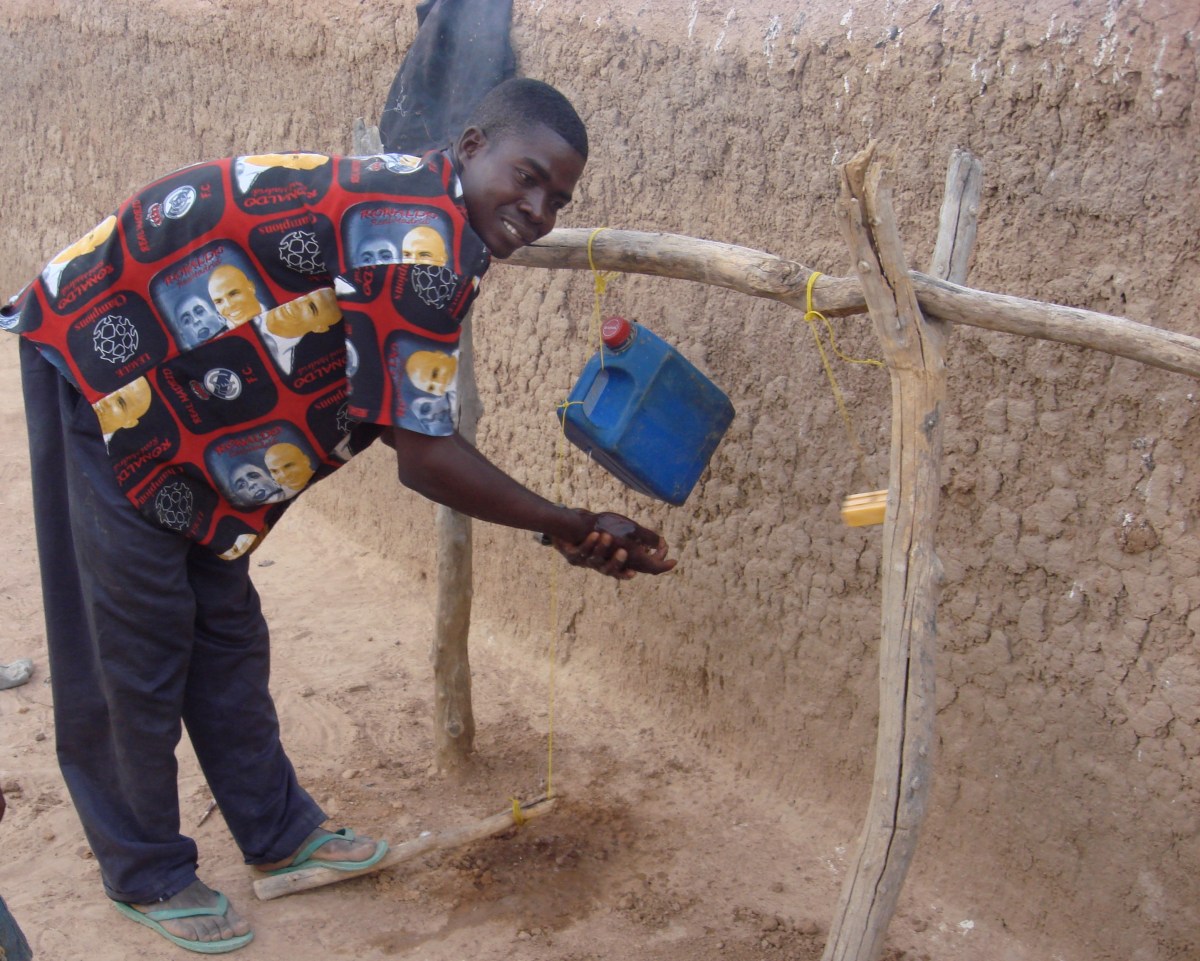
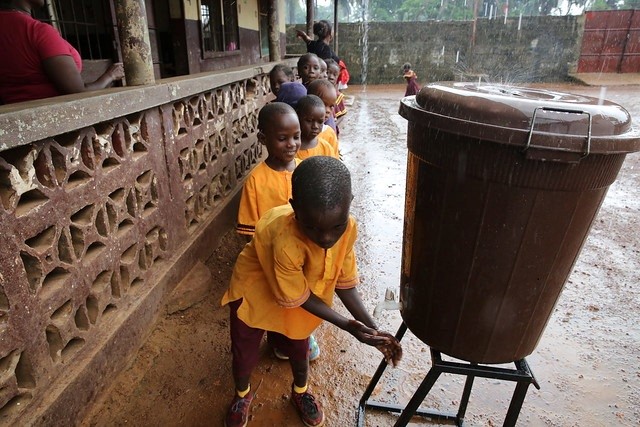
Adequate hand and personal hygiene prevent COVID-19 transmission. Handwashing with soap (3) or alcohol-based hand sanitizer (4) is an effective means to disrupt transmission, along with social distancing, identification and isolation of cases, contact tracing and follow-up, etc. Adequate quantities of available water are essential to maintaining hand hygiene and personal hygiene (5). While these universal prevention measures are well-known, the relative impact of hand hygiene as compared to other infection prevention and control measures such as social distancing, surface disinfection, etc., as a means of slowing COVID-19 transmission has not yet been characterized. However, the availability of water and cleaning products such as soap and chlorine are essential for basic hygiene and infection prevention measures such as hand washing, surface disinfection, and laundry, and should be regarded as universal prerequisites for effective control of the COVID-19 pandemic and other outbreaks (1).

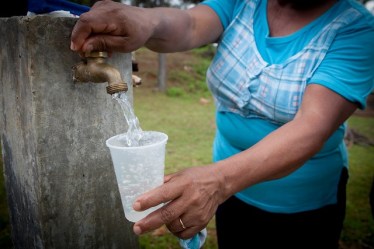
Waterborne transmission has not been documented, and the survival of COVID-19 in water remains unknown (but the virus is thought to persist for hours to days); however, WHO advises that waterborne transmission is unlikely based on available evidence for other similar viruses, and current best practices for safe management of drinking water should be sufficient during the COVID-19 outbreak (1). In addition to direct waterborne transmission, person-to-person transmission may be a concern at communal water sources, where crowding may lead to direct and indirect contact between individuals. Guidelines for practicing appropriate social distancing while accessing communal water sources have not yet been developed, but general social distancing and hand hygiene guidelines may be applicable here as well. The extent to which communal water sources may be hotspots for person-to-person COVID-19 transmission is currently unknown.

IMG_5793
Northern Ghana, between 2011 and 2014

Surface disinfection
The persistence of COVID-19 on surfaces and hands under different environmental conditions is being actively studied. Available evidence suggests that the virus can likely persist and remain infectious for up to 3 days on many surfaces (6). Chlorine rapidly inactivates COVID-19 and other viruses on contact. Current recommendations indicate that a dilute chlorine solution (e.g. 0.1% free chlorine, which can be prepared by adding one part household bleach [~5% free chlorine] to 49 parts water- i.e. 20 mL of bleach per liter, 7) or a 70% ethyl alcohol solution can be used for surface disinfection at least once per day (1, 8). However, further validation of best practices for optimal surface disinfection and optimal cleaning frequencies to prevent COVID-19 transmission may be useful to review and/or refine this guidance.

Sanitation
COVID-19 RNA has been detected in the feces of infected individuals (9), but it is not yet known whether infectious virus is also shed in feces. Furthermore, the survival of COVID-19 in feces and wastewater has not yet been characterized. To date, transmission of the virus via feces/wastewater has not been documented, and risk of transmission by this pathway is believed to be relatively low (10). Current WHO recommendations on safe management of human excreta are therefore currently deemed sufficient for preventing fecal-oral transmission of COVID-19. However, where sanitation facilities are shared between known COVID-19 cases and those without symptoms, additional precautions may be warranted- specifically, the facilities should be disinfected at least twice daily by a trained worker wearing suitable personal protective equipment (PPE, 1). Furthermore, adequate plumbing of flush toilets is needed to prevent backflow and/or aerosolization of excreta, which may contribute to COVID-19 transmission by aersosols (1). Where these recommendations are not implemented, the extent to which unsafe management of excreta may contribute to COVID-19 transmission has not yet been quantified. Furthermore, the extent to which sanitation workers may be at risk from transmission of COVID-19 through the feces of infected persons likewise remains unknown. The use of PPE and frequent handwashing should reduce risks to sanitation workers; where latrines that may contain excreta from infected individuals must be emptied, hydrated lime may be added to disinfect the excreta prior to emptying (1).

While available evidence is sufficient to reinforce the need for adequate water, sanitation, hygiene, and cleaning services and methods to prevent COVID-19 transmission in homes, communities, and health care facilities, many important questions still remain unanswered.

  • How is your organization confronting the current COVID-19 pandemic?
  • Are you involved in work to answer any of these WaSH-related questions?
  • What next steps are needed to inform efforts by rural water supply implementers and rural environmental health professionals to combat the current coronavirus pandemic?
  • What additional monitoring activities (if any) are needed for an effective COVID-19 response where you work?

Share your responses by joining the RWSN e-discussion: Responding to the current COVID-19 crisis: questions, resources, and implications for rural water supply at the operational level


References
1. World Health Organization. (2020). Water, sanitation, hygiene and waste management for COVID-19: technical brief, 03 March 2020 (No. WHO/2019-NcOV/IPC_WASH/2020.1). World Health Organization. https://globalhandwashing.org/wp-content/uploads/2020/03/WHO-2019-NcOV-IPC_WASH-2020.1-eng-5.pdf
2. Perlman, S. (2020). Another decade, another coronavirus. https://www.nejm.org/doi/full/10.1056/NEJMe2001126
3. Centers for Disease Control and Prevention. (2020). Interim infection prevention and control recommendations for patients with confirmed 2019 novel coronavirus (2019-nCoV) or persons under investigation for 2019-nCoV in healthcare settings. https://www.cdc.gov/coronavirus/2019-ncov/infection-control/control-recommendations.html
4. Siddharta, A., Pfaender, S., Vielle, N. J., Dijkman, R., Friesland, M., Becker, B., … & Brill, F. H. (2017). Virucidal activity of WHO-recommended formulations against enveloped viruses including Zika, Ebola and emerging Coronaviruses. The Journal of infectious diseases. https://academic.oup.com/jid/article/215/6/902/2965582
5. Pickering, A. J., Davis, J., Blum, A. G., Scalmanini, J., Oyier, B., Okoth, G., … & Ram, P. K. (2013). Access to waterless hand sanitizer improves student hand hygiene behavior in primary schools in Nairobi, Kenya. The American journal of tropical medicine and hygiene, 89(3), 411-418. https://www.ajtmh.org/content/journals/10.4269/ajtmh.13-0008
6. van Doremalen, N., Bushmaker, T., Morris, D. H., Holbrook, M. G., Gamble, A., Williamson, B. N., … & Lloyd-Smith, J. O. (2020). Aerosol and Surface Stability of SARS-CoV-2 as Compared with SARS-CoV-1. New England Journal of Medicine. https://www.nejm.org/doi/full/10.1056/NEJMc2004973?query=recirc_mostViewed_railB_article
7. https://www.who.int/publications-detail/home-care-for-patients-with-suspected-novel-coronavirus-(ncov)-infection-presenting-with-mild-symptoms-and-management-of-contacts
8. Zhang, J., Wang, S., & Xue, Y. (2020). Fecal specimen diagnosis 2019 Novel Coronavirus–Infected Pneumonia. Journal of Medical Virology. https://onlinelibrary.wiley.com/doi/full/10.1002/jmv.25742
9. Kampf, G., Todt, D., Pfaender, S., & Steinmann, E. (2020). Persistence of coronaviruses on inanimate surfaces and its inactivation with biocidal agents. Journal of Hospital Infection. https://www.sciencedirect.com/science/article/pii/S0195670120300463
10. US Centers for Disease Control and Prevention, 2020. Water Transmission and COVID-19 Drinking Water, Recreational Water and Wastewater: What You Need to Know. Website, accessed March 25, 2020. https://www.cdc.gov/coronavirus/2019-ncov/php/water.html
Cost effective ways to leave no-one behind in rural water and sanitation – Summary on the RWSN E-discussion

The e-discussion on the topic of “Cost effective ways to leave no-one behind in rural water and sanitation” has come to an end and we are very grateful for the 40+ participants who actively took part. A summary of the e-discussion can be found here. Additionaly, we as moderators want to share our own summary of the discussion in this short blog.

Authors: Julia Boulenouar, Louisa Gosling, Guy Hutton, Sandra Fürst, Meleesa Naughton.

As duty bearers for the realisation of human rights to safe drinking water, States have the responsibility to ensure that no-one is left behind. And the SDG framework clearly sets out the need for all stakeholders to work together on the challenge. This e-discussion was an opportunity for diverse members of the Rural Water Supply Network to share lessons and views on how this can be done.

Reminding ourselves of the challenge at stake: since the SDG WASH targets 6.1 and 6.2 were adopted in 2015, the sector has been thinking hard about how to finance the ambitious goal of providing access to safely managed WASH services for everyone, everywhere and forever. This ambition is even more challenging in rural areas, where coverage levels are lower and the unserved include remote communities which are harder to reach and often poorer.

In order to develop a credible financial strategy to achieve this ambition and leverage resources, governments and sector stakeholders need to determine the real costs involved (not only to provide first time access for a few, but sustainable services for all) and the sources of funding that are available and can be mobilised. It needs credible data on those aspects as well as on the population served and unserved, including the most vulnerable groups.

What we already know about the cost of providing WASH services: the costs of providing services rely on many factors and the WASH Cost initiative led by IRC has helped to identify 6 categories beyond capital expenditure to include among others, operation and maintenance, capital maintenance expenditure and direct support. We know that some of these cost categories are largely unknown and as a result, not planned, not budgeted and not financed. This is the case for capital maintenance expenditure and for direct support costs (generally referring to costs for local government to support service providers).

In terms of actual costs, a World Bank study of 2016 showed that $114 billion per year would be needed globally to cover capital costs and roughly the same for operation and maintenance.

What we know less about is the real cost of providing services to all, especially for those left behind (including those marginalised and those discriminated against) and this is because limited data are available. We also recognise that beyond the 6 generic cost categories, many costs are unknown and neglected and these include:

  • the non-financial time costs of WASH access,
  • the cost of taking time to properly understand demand, recognising gender differences and diverse perspectives,
  • the cost of strengthening skills and stakeholder capacity to fulfil their mandate, particularly service authorities and service providers,
  • the cost of corruption,
  • the time and cost of including people with disabilities and others who are socially excluded in services.

These can be seen as cost drivers rather than additional categories, but should be thought through, every time services are planned for.

Who is currently financing this goal and who should do more? Leaving no one behind is the responsibility of national governments. They need to mobilise funding through a combination of sources, including government (taxes), development partners (transfers) and users (tariffs). This is usually known as the “3Ts”. In some contexts, the private sector may have a role to play in investing in water services. However, results from countries that conducted to identify and track WASH financing with the UN-Water tool TrackFin, show that the main contributors for the sector are by far the users who are paying for their own services through capital investment (Self-supply) and through water tariffs (operation and maintenance). In that context, should we consider revising the “3Ts” to “3Ts and S” to acknowledge the importance of Self-supply in the mix of services? And should we also add a 4th T for time to recognise the extent of unpaid labour, especially that of women, on which rural water supply depends? And should we recognise the time used to travel to a place of open defecation or also the waiting time for shared sanitation?

In any case, given the magnitude of the challenge, governments should mobilise additional funding for the WASH sector and coordinate efforts at all levels to ensure cost-effectiveness and efficiency, particularly in resource-constrained environments. Developing WASH plans at sub-national level could be a good way to strengthening governance and coordination, and maximise cost-effectiveness.

4

What about serving those that cannot afford to pay? Those currently left behind include communities located in rural and remote areas who are often the poorest and currently rely on Self-supply. For those who cannot afford to pay and to address the issue of leaving no-one behind, various areas can be investigated:

  • Defining and measuring users’ affordability
  • Considering low-cost technology options such as Self-supply but only if accompanied by long-term support from local and national government (including through regulation)
  • Making sure the solutions are acceptable and accessible for all – taking into account gender, disability, and cultural preferences

This e-discussion has been useful at clarifying knowns and unknowns related to costing and financing services. Even though the issue of affordability has been touched on, many questions remain unanswered.

We think this discussion should continue and here are a few questions, which we still have in mind, but you might have many more:

  • Who are populations left behind in different contexts (including the marginalised and discriminated against) and how can we define and identify them?
  • What are the ongoing costs of reaching everyone (including the aspects listed above)?
  • If users are those paying the majority of WASH supply costs, how do we deal with those who cannot afford to pay?
  • What mechanisms can be introduced to set tariffs appropriately, whilst also covering the costs of long-term service provision?
  • What are the examples of supported Self-supply that have been successful?
  • What are the specific roles of local government in ensuring no-one is left behind?

Continue the discussion with us and post your answers below or sent your contribution to the RWSN e-discussion group.

Photo credits (top to bottom): Dominic Chavez/World Bank; Alan Piazza / World Bank; Arne Hoel / World Bank; Gerardo Pesantez / World Bank

An Empowering Drop in the Bucket – A women’s journey on International Women’s Day

Author: Sara Ahrari, Programme Manager at Simavi. 

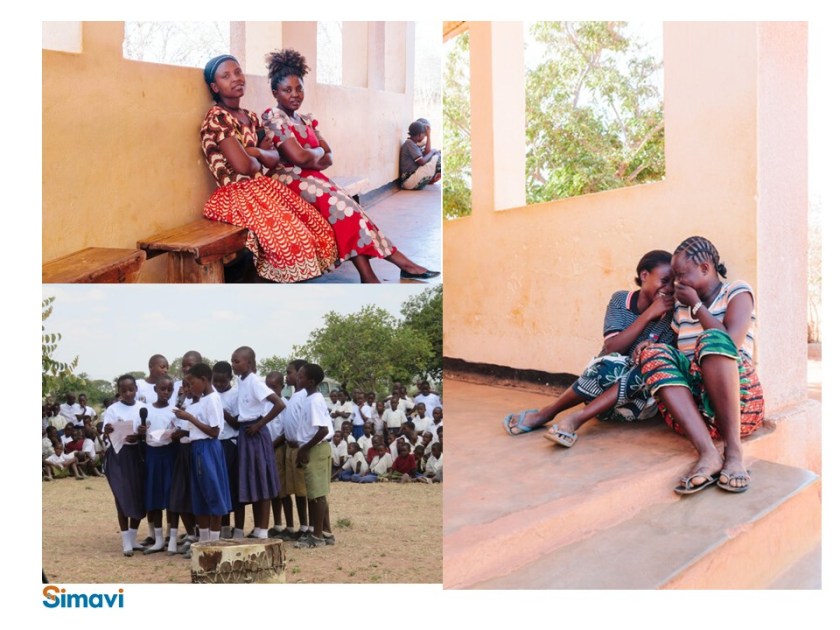
March marks two significant internationally celebrated days for those of us working in the sector. On 8th March we celebrate International Women’s Day #IWD and on 21st March we cherish the World Water Day #WWD. So, it would be good to reflect once again on how exactly WASH is critical to the health and empowerment of women and girls throughout their life.

Let us imagine that you are a girl born to a economically challenged family in a village in the so called developing world where you and your family do not have access to safe water and sanitation.

If you are lucky enough to survive the first 5 years of your life and not die from diarrhoea or other water-borne diseases, the chances are very high that you are already walking a few hours per day to fetch water for your family and you are taking care of your younger siblings.

Then when the time comes for you to go to school, if your family does not have to prioritise your brothers’ education to yours, and if there is a school to attend, you may actually enrol at one. The chances are still very high that you have to walk a good half an hour to fetch water before going to school and answer the call of nature in the open since your school does not have any (functional) toilet. You probably get harassed and experience gender based violence during these visits.Slide6.JPG

Then sometimes when you are between 9 to 12 years old, one day you feel a lot of pain in your lower tummy and suddenly feel that you have wet yourselves. Embarrassed to death, when you finally can find a private corner, you notice the blood in your underwear and think you are going to die. Terrified you tell your older sister or friend and if you can overcome the shame, maybe you tell even your mother, only to learn that although you will not die, you will be going through this pain and embarrassment every month for what seems to be the rest of your life. You will be given a cloth or two, to manage your period. Of course, finding water to wash them and a private place to properly dry them would still be a challenge. You miss school either because you have a lot of pain, which you don’t know how to manage, or you or your family don’t want to risk getting embarrassed because of the blood on your clothes, or simply because there is no toilet or water at school where you can change your cloth or pads! Even in some countries, you might also end up staying in a shed during your period since you will be considered unclean!

Getting your period, is also considered start of your womanhood, and your family might start thinking that it is about time to marry you off, either to reduce the costs or to avoid that you start misbehaving or simply because that’s how it works. Of course you would not get any education about your reproductive system, nor for instance how to avoid unwanted pregnancies. If you are not married off, you will be told to avoid the boys!

By the time that you are 15 years old, the chances are very high that you are pregnant. If you are married and pregnant, you need the permission and money from your husband or his family to go for your check-ups. Mind you, you probably need to bring your own water in a bucket to the health centre, which you have to walk quite a distance to get to. And mind you, when you are pregnant, you need to use the washroom more often, but of course there is no toilet in public places or even health centres. By the way, your family might think that these visits don’t worth the trouble and you are better off with a traditional birth attendant, who usually does not have any hygienic place to do the check-ups nor have water to wash her hands with, even when you are delivering your baby!

Untitled.png

And, if you are not married and pregnant, you can forget about going to the health center since the staff will not even talk to you. You probably end up with a traditional birth attendant who wouldn’t mind performing illegal abortion, and again have not washed her hands, when she puts them inside you or uses other terrifying unclean objects to perform an abortion. As you can guess, the chances that you actually survive this one, is very low.

Anyway, throughout your reproductive age, you probably would be pregnant pretty much every year. Of course you would not be able to get the rest or support you need during this time and have to still do most of the unpaid work around the house, without anyone recognising or appreciating it.

You may at some point in life also start doing some paid work to support your family. However, whenever someone at household gets sick or you have your period, you probably have to miss going to work and thereby your income. Talking about income, you are the one who would prioritise investing it in sanitation, whereas for your husband it comes as his 8th or 9th priority, but unfortunately it is often not you who decides what happens with your income, so still no toilet for your family.

When you lose your husband or your father, you probably will not inherit anything from them and all the assets would go to male member of your family. Often if you don’t have sons, or even when you do have them, this means that you need to rely on their mercy for food and shelter.

All these situations can get worse if you are living with any type of disability, or HIV/AIDS, or in places where there is too much or too little water, or if you are from a minority or displaced group.

Yet, generation after generation you have been the source of inspiration and driver of change within your family, community and throughout the world and your resilience and agency has brought the mankind where we are today.

Slide9.JPG

And of course, while WASH programmes alone cannot tackle underlying causes of the barriers women and girls face through their life cycle, by fulfilling women and girls basic needs for access to water and sanitation, they can be the first step in the right direction. On the other hand, WASH programmes when designed and implemented in a gender responsive and transformative way can provide the opportunity to move beyond this and also address women and girls’ strategic needs, such as participation in decision-making processes within their family and communities and thereby contributing to their physical, political, socio-cultural and economic empowerment.

The article is inspired by a panel discussion with Sara Ahrari convened by WaterAid Canada, UNICEF and RESULTS Canada during International Development Week 2019 in Ottawa.


The Top 10 RWSN Blog Posts in 2018

The RWSN Blog provided us again with some exciting posts in 2018. From sustainable water resources and community management, to solar-powered water pumping, to (manual) borehole drilling, and to rural water services – the range of topics offers diverse and insightful perspectives on rural water supply issues.

Here are some of the most popular blogs in 2018:

  1. Sustainable water resources management in Sri Lanka: present situation and way forward
  2. Three common myths about solar-powered water pumping
  3. “The borehole is not a madman” 3 reasons why Community Based Management demands a rethink
  4. Manually Drilled Wells: Providing water in Nigeria’s Megacity of Lagos and beyond
  5. Borehole drilling supervision in Malawi: why it is essential, not optional
  6. For rural Tanzanians, water has a social value too
  7. Tracing a path to sustainable rural water services in the Democratic Republic of the Congo
  8. Still barking up the wrong tree? Community management: more problem than solution
  9. Sharing experiences of data flows in water and sanitation – some reflections from AGUASAN Workshop 2018
  10. Achieving Professional and Sustainable Drilling in Madagascar? Yes, we can!

Find more blog posts

Find the newest blog posts here: RWSN Blog

Write your own Blog posts on rural water supply

Feel free to send your text and one or more pictures (if possible) in an e-mail with the subject “RWSN Blog Post” to ruralwater@skat.ch


Webinar 6 Nov: Data for Sustainable Rural Water Supply

Save the date!! 6th November – Rural Water Supply Network Webinar on Rural water Asset management and how it contributes to increase sustainability of services! Register https://goo.gl/wZhTsH and you will receive invite with log-in details.

We will hear experiences and lessons from Rwanda by Agenda4Change partners where Asset inventory is used to support local government planning and budgeting processes Malawi by the Climate Justice Fund Water Futures Programme of Strathclyde University – developing asset management for Malawi rural water supply We will discuss data needs and how this is used to inform planning.

Achieving SDG 6: The Need for Local Centres of WASH Expertise and How to Do It

First published on the CAWST blog, reposted with thanks

The goal: ensure availability and sustainable management of water and sanitation for all by 2030. The task at hand, right now: learn quickly from failure and share lessons learned.

Scaling-up of WASH service coverage will require a focus on both affordable infrastructure and enabling environments. CAWST and the SMART Centre Group are focused on both through capacity development of local providers of WASH products and services. As part of this work, both groups have been following the model of establishing and supporting local centres of WASH expertise. Each centre is unique, housed in an existing in-country organization and provides capacity development services on technical and non-technical WASH solutions and approaches. Between us, we have a combined 22 years of testing this approach. We can unequivocally say that it is a key part of achieving SDG 6, and we have come together to share our key lessons learned:

Lesson 1:  Local WASH centres are worth the long-term investment

  • Long-term follow-up support after training is vital to effective capacity development of an individual, especially in the case of entrepreneurs, who often encounter business challenges.
  • Locally embedded centres can reach people that an external organization cannot: Grounded networks, know-how, and understanding of the context are invaluable and not replicable. Engrained local organisations are a rich source of endogenous best, second best, and worst practices.

CAWST’s Water Expertise and Training (WET) Centre in Afghanistan, housed in the Danish Committee for Aid to Afghan Refugees (DACAAR), was the first WET Centre to become functionally and financially independent, due to high demand for capacity development in the country and an inability of external organizations to supply much of that demand. From 2011-2015, over 1 million community members benefitted from WASH projects implemented by the centre’s 1,378 clients.

Lesson 2:  Create enough critical mass and identify leaders at various levels

  • The commitment of the centre’s personnel is critical, yet challenging. Especially in the context of informal systems within developing countries where personnel turnover is high, developing the capacity of many to ensure enough critical mass of expertise over time.
  • Look for the entrepreneurial spirits and provide long-term coaching. Sustained business is essential: entrepreneurs need to sell their products and services profitably, so they will continue even if the centre ceases to exist – the concept of profit-based-sustainability.

More than a decade ago, the Southern Highlands Participatory Organisation (SHIPO) started accelerating access to WASH products and services by working relentlessly on capacity development and coaching of the private sector. There are now more than 40 small local companies who have produced over 3,000 wells, 11,000 rope hand pumps, and other SMARTechs throughout the country. SHIPO was the first WASH Centre of expertise within the SMART Centre Group. Key to its success has been its focus on market-based technologies and the promotion of (supported) self-supply (household wells).

Lesson 3:  The host organization must meet certain quality standards

  • The local host organization leadership’s commitment to the vision is critical.
  • Look for champions within the host organization – someone with the passion and network to make change happen, situated within an enabling environment (or with the ability to create an enabling environment). A champion must be able to effect change within institutional or structural limitations.
  • A base level of organizational capacity is necessary to develop technical and training capacity.

CAWST’s WET Centre in Zambia, housed in the Seeds of Hope International Partnerships organization, has adopted the model of training existing networks of community sales agents in WASH topics to increase implementation of a range of healthy home products while earning an income.

Lesson 4:  Flexibility is key

  • All stakeholders must share the willingness and ability to be flexible: A WASH centre needs to have an innovative, entrepreneurial spirit. WASH Centres need to be able to adapt to sector needs and trends.
  • Innovation and capacity development -not only in technology, but also in marketing and other business skills- is essential. A centre needs to pursue various channels to generate income, like selling training and consulting support and implementing projects.

In Tanzania, VETA (The Vocational Education and Training Authority) has included the rope pump in its curriculum based on the cooperation they have with the SHIPO SMART Centre. They are also planning to add manual drilling in the near future.

Lesson 5:  Engage with local networks

  • If the centre is represented and active in relevant networks, it will increase legitimacy and business opportunities. Be innovative in how you integrate the centre into these networks – seek to add value and establish a fundamental niche service.
  • Being part of an international network such as WET Centres and SMART Centres increases knowledge exchange, learning from each other and innovation.
  • Linkages to the formal education sector, vocational training, and employment standards (e.g. job profiles) should be made where possible. To support scale-up and sustainability of impact it is critical to get the knowledge and expertise embedded in national (vocational) training curricula.

Locally embedded knowledge and skills as well as pursuing innovative and affordable approaches such as training local private sector actors are essential to reach water and sanitation related development goals. CAWST and the SMART Centre Group will continue to apply these lessons and spread practice in the sector around establishing local education and training centres.


About the authors

The SMART Centre Group is a network of endogenous WASH training centres in Tanzania, Malawi, Mozambique and Zambia, with additional centres starting up in Ethiopia, South Sudan, Niger and Nicaragua. SMART stands for Simple, Market-based, Affordable and Repairable Technologies. SMART Centres train technicians in production and maintenance of SMARTechs and coach entrepreneurs in business skills like marketing so that they can deliver WASH products and services to a range of customers.

CAWST is a Canadian charity and licensed engineering firm that acts as a global centre of expertise in WASH capacity development. CAWST addresses the global need for safe drinking water and sanitation by developing local knowledge and skills on simple, affordable solutions that people can implement themselves. To reach more people and to ensure that knowledge and skills are truly retained locally, CAWST partners with existing in-country organizations to create Water Expertise and Training (WET) Centres that deliver CAWST-like capacity development services of their own. Independently of CAWST, the seven WET Centres across 3 continents have provided services to 658 client organizations whose projects have reached 3.7 million people with better water or sanitation.

Photo credit: CAWST (2018)


New Online Course – Professional Management of Water Well Drilling Projects and Programmes


We would like to announce to you that the registration is now open for an online course: Professional Management of Water Well Drilling Projects and Programmes – an Overview that will run from the 5 March to 14 April.

The course provides an overview of what is required to improve borehole drilling professionalism within an organisation and for the country more widely. The course provides participants with an understanding of the following key elements: groundwater information, siting, costing and pricing, procurement and contract management, borehole drilling and supervision and how professional drilling is affected by the wider institutional environment. Click here for more information.

The course builds up to a final assignment whereby participants are tasked with exploring actions that could be taken within their own organisations, local authority and/or country to improve borehole drilling professionalism. Certificates will be awarded to those that successfully complete the course.

The course is open to a maximum of 80 participants from Government, the Private Sector, NGOs, UN-Agencies, Academia and Donor Agencies.

To apply for a place, register here by the 14th February.

The course is designed for both those with a technical (i.e. engineering/science) and those with a non-technical (i.e. social science/economics/arts/politics) background. Participants should have a diploma or bachelor’s degree qualifications and at preferably at least three years of work experience in water supply service delivery (social or technical aspects), civil engineering, rural development or water/environmental management.  As this is an introductory course, participants are not expected to have a detailed understanding of hydrogeology.  The course language is English.

The six week course (5 March to 14 April) is hosted on the UNDP Cap-Net Virtual Campus. It will be facilitated by Skat Foundation, UNICEF, RWSN, AGW-Net and UPGro together with sector experts.


Consultation period on the RWSN Strategy now open – Période de consultation sur la stratégie RWSN maintenant ouverte

The draft RWSN Strategy 2018-2023 can be downloaded here for consultation, and you can also view a short presentation about it here; please leave a comment below or email us, telling us:

  • What you like about the strategy
  • What could be improved
  • If you, or your organisation, could contribute staff time, funding or knowledge to strengthen any of the topics or themes

The consultation on the RWSN Strategy is open to all for 6 weeks  (until 22 December 2017)

Watch the webinar on the RWSN strategy

*****

La stratégie RWSN 2018-2023 peut être téléchargée ici (en anglais)  pour consultation, ou vous pouvez également télécharger une présentation à ce sujet en français ici; n’hésitez pas à laisser un commentaire ci-dessous ou nous envoyer un email, en nous disant:

  • Ce que vous aimez dans cette stratégie
  • Ce qui pourrait être amélioré
  • Si vous, ou votre organisation, pouvez contribuer du temps, des financements ou des connaissances pour renforcer les sujets ou les thèmes

La consultation sur la stratégie RWSN est ouverte à tous pour 6 semaines (jusqu’au 22 décembre 2017)

Regarder le webinaire sur la stratégie RWSN

The 2017 RWSN Evaluation is now out!

Back in June 2017, we announced that RWSN would be undergoing an external evaluation, which was undertaken by PEMconsult over July and August 2017.

What were the main findings from the Evaluation?  Overall, the evaluation found that “RWSN is highly relevant for the rural water sector, in comparison to other networks, and for the benefits it provides to its members and organizational partners…. The RWSN is a highly competent, advanced community-building network which connects people who would likely not have been connected before and disseminates valuable knowledge to its members, which can be applied to practice.”

While the report is overall positive, it makes 12 recommendations around (1) RWSN’s strategy (2) RWSN’s governance structure and (3) the way the network operates.  RWSN’s Executive Steering Committee has responded to these recommendations, which will be addressed in the coming years and in its new Strategy. We will discuss these at an upcoming webinar on November 9th, for which you can register here.

Download:

*****

En juin dernier, nous avons annoncé que RWSN ferait l’objet d’une évaluation externe, réalisée par PEMconsult en juillet-août 2017.

Quels sont les résultats principaux de l’évaluation?  L’équipe de l’évaluation a conclu que “RWSN est très pertinent pour le secteur de l’eau rurale, par rapport à d’autres réseaux, et offre des avantages à ses membres et à ses partenaires organisationnels …. Le RWSN est un réseau très compétent et avancé, qui permet de former des communautés qui connecte les personnes qui ne pourraient pas autrement être connectées et dissémine des connaissances ayant de la valeur pour ses membres, et qui peuvent être mises en pratique.”

Bien que le rapport soit positif, il y a 12 recommandations portant sur  (1) la stratégie de RWSN (2) la structure de gouvernance de RWSN et (3) la façon dont le réseau fonctionne.  Le comité de pilotage de RWSN a répondu à ces recommandations qui seront considérées dans les années à venir et dans sa nouvelle stratégie. Nous allons en parler lors d’un wébinaire le 9 novembre, pour lequel vous pouvez vous inscrire ici.

Télécharger le résumé exécutif du rapport d’évaluation (français).


RWSN’s Kerstin Danert wins top award

Dr Kerstin DanertSkat Foundation, who is a member of the UPGro Knowledge Broker team and Chairs UPGro’s Programme Coordination Group (PCG) has been given the “Distinguished Associate Award, 2017” by the International Association of Hydrogeologists (IAH) for her outstanding contribution improving the use of groundwater worldwide.

Kerstin has been a driving force behind the Rural Water Supply Network, and in particular the promotion of drilling professionalisation and documentation of manual drilling practices. In addition to working on UPGro, she is currently leading an RWSN collaboration between UNICEF and Skat Foundation on professionalising water well drilling in Africa, which includes capacity development activities in Angola, Burkina Faso and Zambia.