
A very interesting webinar from the WaterChannel
Speaker
Frank van Steenbergen (MetaMeta)
Description
Continue reading “Webinar recording – Managing Groundwater: The Political Blackbox”
A very interesting webinar from the WaterChannel
Speaker
Frank van Steenbergen (MetaMeta)
Description
Continue reading “Webinar recording – Managing Groundwater: The Political Blackbox”
More good analysis:
Interesting article in relation to recent RWSN discussions on Multiple Use Services (MUS) of water
Dan Michael Komakech
June 23, 2014
Residents of Toboi in Lolwa parish Orom Sub County in Kitgum district have resorted to sharing contaminated rain runoff water that collects on rock inselbergs with animals due to scarce water points in the vicinity.
The resident explain that they survive on dirty unprotected water from Lela Toboi inselberg because of the far distance of over three to seven kilometers that one has to trek in search of clean drinking water in the neighboring villages of Wipolo and Tikau and Karekalet river spring.
The situation has rendered residents particularly the most vulnerable elderly, disability and children to opt for nothing other than runoff water from contaminated sources which makes them exposed to water borne diseases and death.
“If it rains we utilize rain runoff water that gathers on these inselberg and if it dries off we trek to Wipolo aor Tikau where we are…
View original post 349 more words
Excellent thoughts on water quantities – how much is enough?
Latest update from Triple-S
By Patrick Moriarty, Harold Lockwood, Vida Duti and Sarah Carriger
In the last post in this series we described our approach to changing the whole system to deliver water services that people can count on: not just for a few years, but for life. We laid out the main phases in this change: initiation, learning and testing, and finally scaling-up and systemic impact. In this post we’d like to show you what that looks in the real world, using the example of our work in Ghana under the Triple-S (Sustainable Services at Scale) project.
One of the reasons we chose to work in Ghana was that it was typical of many countries: they’d made significant progress in increasing coverage, but they had significant problems, particularly in their rural water sector, with lack of financing for repairs and replacements, weak supply chains for spare parts, and poor support from local government…
View original post 2,116 more words
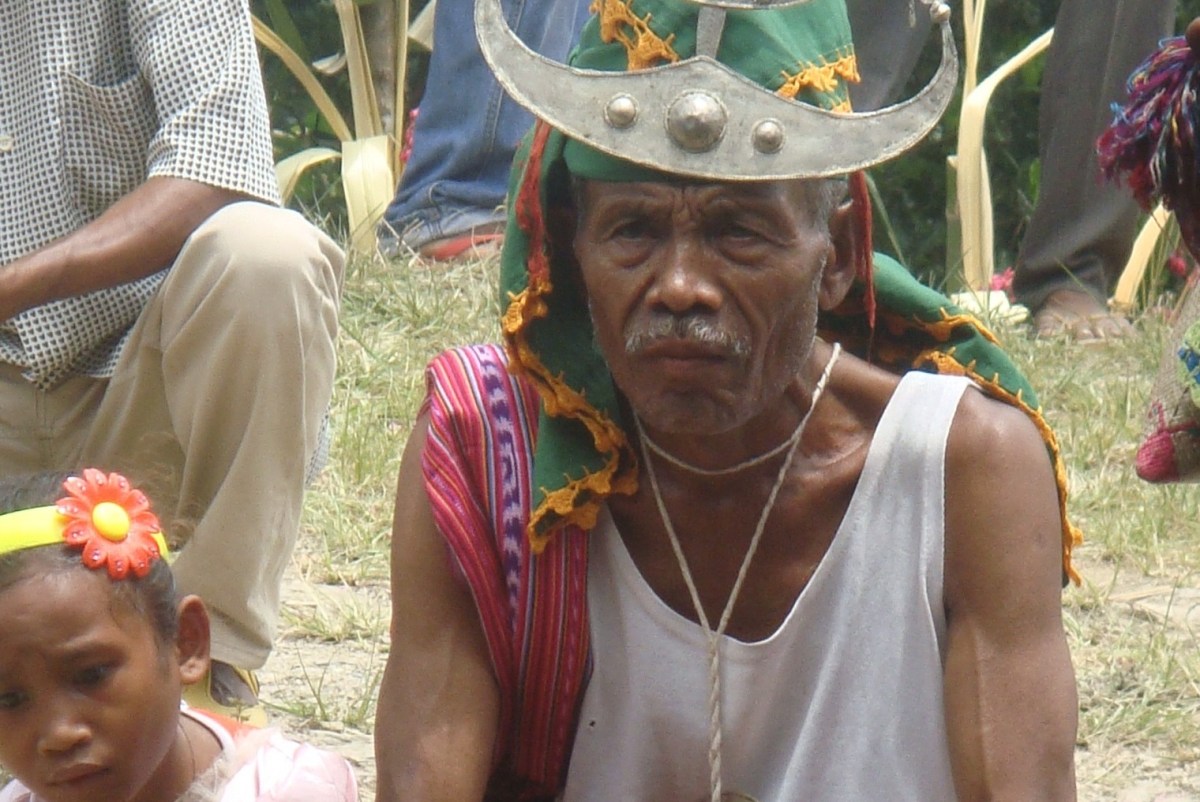
Some experiences from Timor Leste
By Harold Lockwood –
Last week I was in Timor Leste supporting some of the work of WaterAid Australia and its programme in Timor Leste. As this has evolved over the last several years, and with coverage levels increasing, WaterAid Timor-Leste (WATL) has recognised the pressing challenge of maintaining service levels in those communities who have gained first time access to water supply. The Government of Timor-Leste has pledged to meet its Millennium Development Goal (MDG) target to provide 78% of the population with access to a safe water supply by 2015 (75% of the rural population and 86% of the urban population). The JMP update for 2013 records access in 2011 to an improved water source as 69%: 60% rural and 93% urban. As of 2013 steady progress is being made and it has been determined that the MDG for water supply will be met.
View original post 1,491 more words
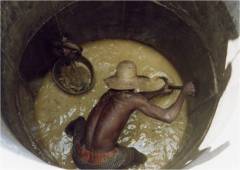
by Jonathan Annis, WASHPlus
I’ve spent the last week in the Mopti Region of northern Mali supporting a USAID/WASHplus WASH & Nutrition initiative led by CARE. While behavior change communication related to household- and community-level sanitation, hygiene, and infant nutrition practices is the primary focus of the project, a small sum of funds is dedicated to rehabilitating community water supplies.
The conditions in Mali, as in much of the Sahel, have attracted a plethora of international NGOs, foundations, and do-gooders of every size and intention; increasing access to safe water is a focal point of many of their interventions. The functionality of rural water supplies in Mopti is difficult to ascertain. A number of my colleagues agree that the database of water points maintained by the regional office of the Ministry of Water includes less than 50 percent of the water points existing in the countryside.
Great blog post about lifecycle costs




 Rural Water Supply Network - blog