
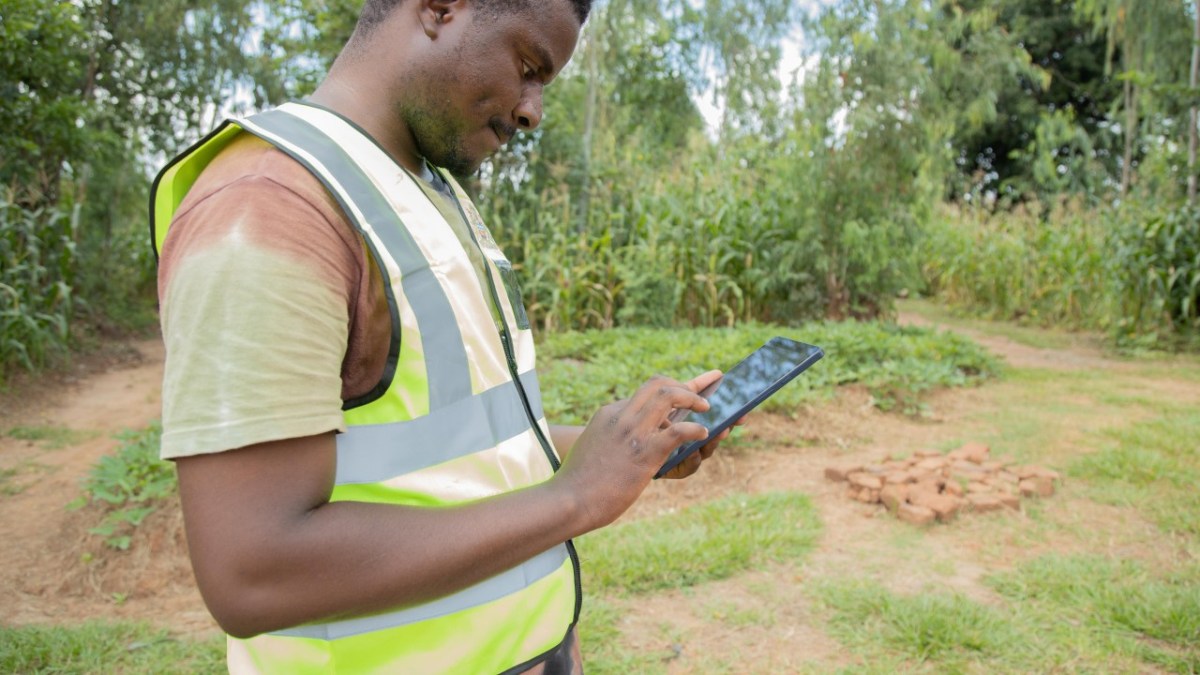
By Muthi Nhlema. Re-blogged from Are Governments Simply Technophobic?, LinkedIn. Photo: local government extension using a mobile phone for data collection, Malawi.
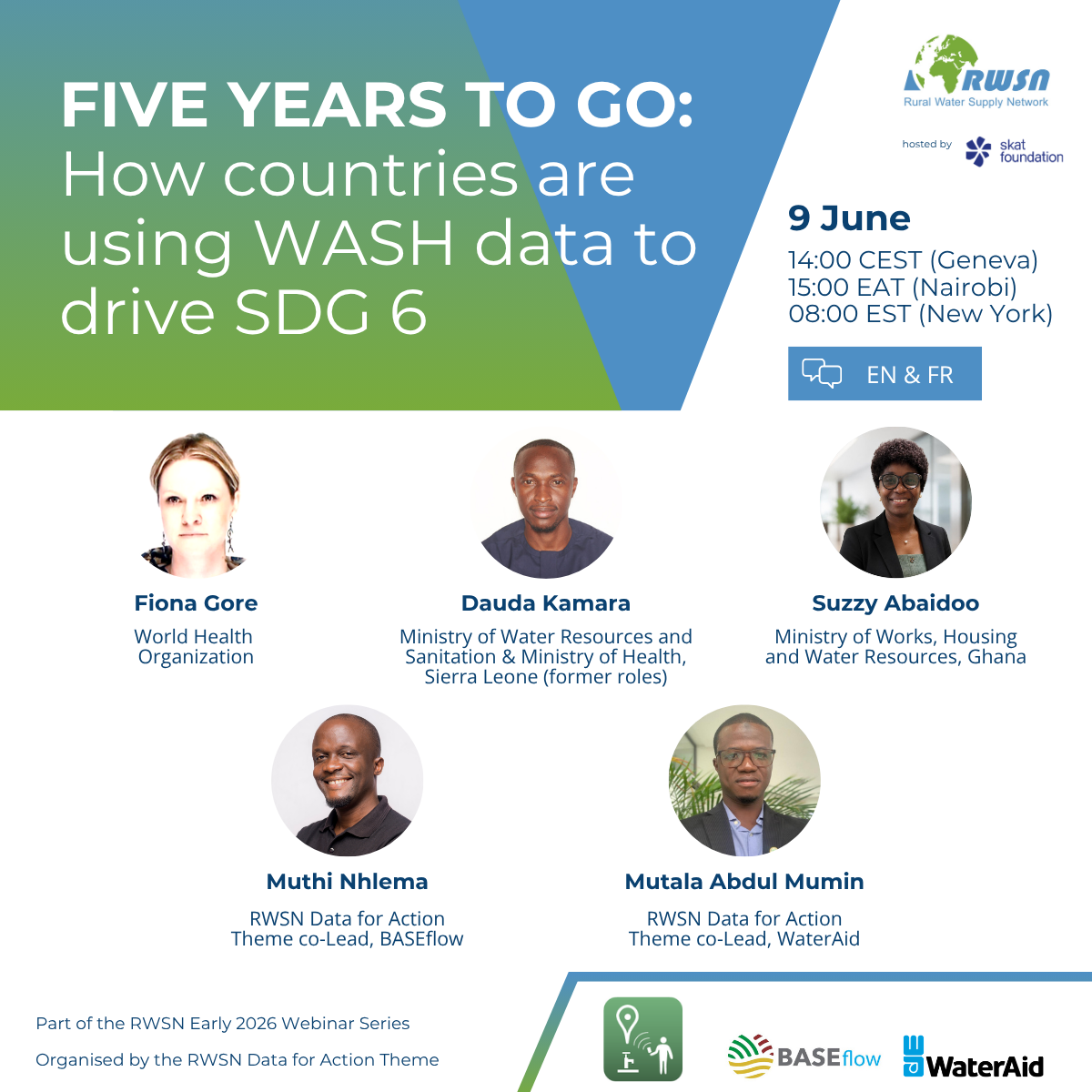
Mutala Abdul-Mumin and I recently co-hosted a RWSN – Rural Water Supply Network webinar examining how countries are using water, sanitation and hygiene (WASH) data to support progress toward Sustainable Development Goal 6 targets for #water. More than 240 people joined, and the discussion ran long so we couldn’t cover everything in the time available. A few observations on government adoption of digital technologies stood out, and I wanted to share them.
Firstly, governments recognize the value of data. It is sometimes assumed that governments remain indifferent to evidence, but the presentations from Ghana and Sierra Leone suggested a different picture. There is a clear interest in having a firmer grip on data, provided it is relevant to the decisions governments actually face (that is, addressing actual pain points) rather than information collected for its own sake. Sierra Leone’s use of WASH Accounts to track how financial resources are allocated, and whether they reach sustainable water and sanitation services, illustrated how data was responding to a question the government genuinely had. Because it answered a real question, the incentive to adopt and implement was already there.
Secondly, governments are increasingly embracing digitization. The move from paper-based methods toward digital systems was all the talk across the continent more than a decade ago. The session indicated that this transition is now underway in practice, with both Ghana and Sierra Leone taking different paths to migrating from paper to digital systems and even further to more centralized systems. This is no easy feat though; Sierra Leone has been on this data journey for more than four years and is not done yet, but they are still driving and leading the process.
Thirdly, digitization appears to be broadening ambition. The World Health Organisation presentation highlighted institutional fragmentation (WASH responsibilities being split across different ministries) as one of the most consistent systemic barriers to data-driven decision-making. Governments, using digital tools, are stepping up to address this barrier. In Ghana, in particular, they are leading to make sure WASH data serves more than just the ministry responsible for water, but also other strategic sectors such as health and education. This is a considerable undertaking that will require sustained resources and coordination across government departments, but the willingness to pursue this was evident and shows how digital tools have opened up options that weren’t on the table before.
Lastly, and interestingly given our times, a comment from a participant concerning artificial intelligence made me reflect on one key lesson I believe we can take forward from the digitization experience. When I asked the speakers what role they saw for AI in their work, both countries described a deliberate, sequential approach, meaning they preferred to address governance, financing and underlying systems gaps first BEFORE introducing AI as an additional layer. It was a measured response, and a clear signal that both countries want to move at their own pace. Given the impact AI has had across the world, do you blame them? Learning from the digitization experience, this measured response was not necessarily surprising. The ‘fail fast’ culture may suit NGOs and the private sector, but governments need more time to weigh effectiveness against trade-offs, especially on tax-payer funded services such as water supply.
So, if I had to wrap this up under one simple lesson from this webinar, it would be this: governments are not necessarily technophobic, they are technocautious. And with the current push, mostly via philanthropy, to scale new technologies through government systems, this is a valuable lesson to keep in mind. If nothing else, it could help manage expectations around the pace of government adoption. Fascinating stuff!
My thanks to Fiona Gore (WHO), Suzzy Abaidoo (Ghana) and DAUDA KAMARA (Sierra Leone) for their contributions, and to all who attended. The recording are currently available on the RWSN website for those who missed the webinar or would wish to revisit the discussion. Links can be found below:
- Vimeo: https://vimeo.com/1200088893
- Recording on YouTube: https://youtu.be/k7Mn7CIXkMU
- Slide deck: https://www.rural-water-supply.net/en/resources/1368-early-2026-webinar-series
 Rural Water Supply Network - blog