RWSN at the 43rd UN Water Meeting in Rome

By Valérie Bertschy. Re-blogged from Skat Foundation, RWSN’s host organisation.

Bringing Field Experience into the Preparatory Process for the 2026 UN Water Conference

In March 2026, The Rural Water Supply Network (RWSN) participated in the 43rd UN Water Meeting, held over three days at IFAD headquarters in Rome. As an official UN Water Partner (one of only 39 organizations with that status) RWSN has recognized standing to participate in these intergovernmental preparatory processes, deliver oral interventions, and submit written contributions to official policy documents. 

This article explains what RWSN brought to Rome, what happened there, and why it matters for the communities RWSN serves. 

Context: RWSN, Skat Foundation, and UN Water

Before turning to the meeting itself, a word on institutional roles.

RWSN is a global knowledge network with more than 17,000 members across 190 countries. It is hosted by Skat Foundation – a St. Gallen-based Swiss NGO that provides the secretariat and staff support that keeps the network running. Valérie Bertschy, Knowledge Management Officer at Skat Foundation, represented RWSN in Rome in her capacity as secretariat staff. 

UN Water is the United Nations inter-agency coordination mechanism for all freshwater-related issues, including sanitation. Its Members Meeting are held twice yearly, typically in Rome, and serve as a key preparatory forum for major global water policy processes. RWSN’s status as a UN Water Partner gives it formal access to these meetings – a recognition of its role as a credible, evidence-based voice for rural water across the global governance architecture. 

The 43rd Members Meeting was the second major preparatory milestone for the 2026 UN Water Conference, which will only be the third UN Water Conference since 1977. The stakes are high: the conference is expected to produce a framework shaping global water governance well into the post-2030 period. 

The Conference Framework: Six Interactive Dialogues

The Abu Dhabi conference will be structured around six Interactive Dialogues (IDs), each with member state co-chairs and UN agency co-convenors. These dialogues formed the backbone of discussions throughout the three days in Rome:

  • (a) Water for People – co-chaired by Ghana and Switzerland
  • (b) Water for Prosperity – co-chaired by China and Spain
  • (c) Water for Planet – co-chaired by Egypt and Japan
  • (d) Water for Cooperation – co-chaired by Zambia and Finland
  • (e) Water in Multilateral Processes – co-chaired by Germany and Mexico
  • (f) Investments for Water – co-chaired by France and South Africa
Participants of the 43rd UN Water Meeting in Rome

What RWSN Brought to Rome

RWSN’s participation was grounded in substantial preparation ahead of the meeting. RWSN produced a gap analysis comparing its Draft Position Paper against each of the six concept paper outlines, and prepared six tailored oral interventions (one per dialogue) designed to introduce rural water priorities into the intergovernmental discussion.

Continue reading “RWSN at the 43rd UN Water Meeting in Rome”
Are Governments Simply Technophobic?

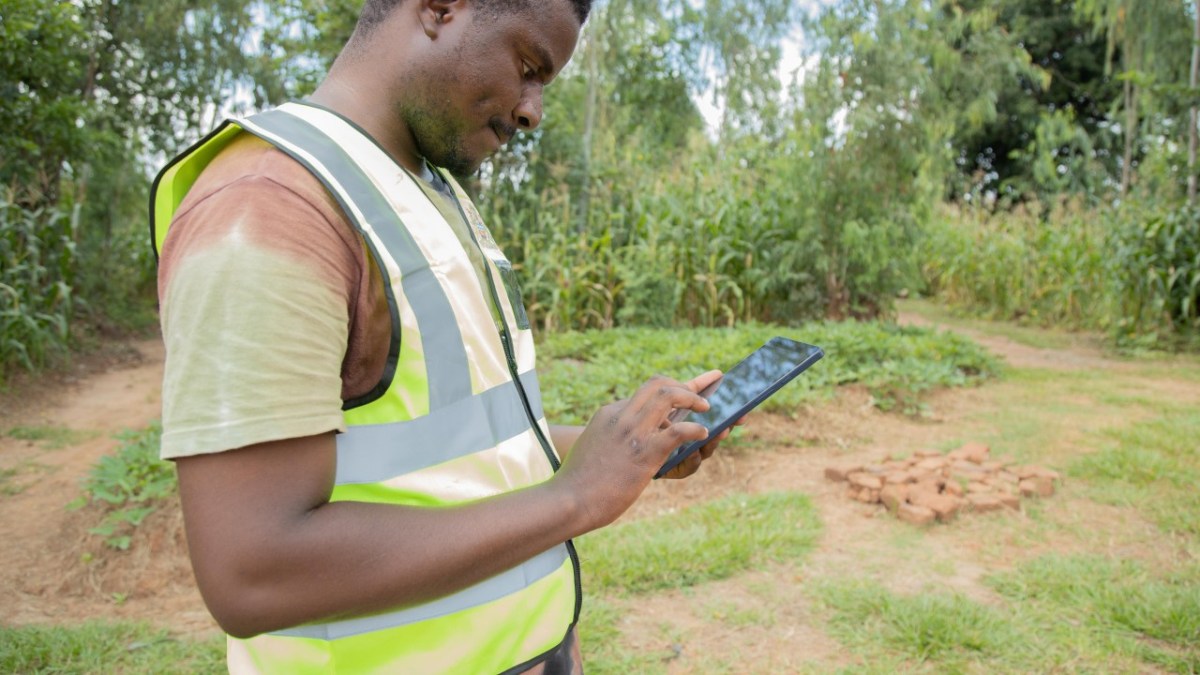
By Muthi Nhlema. Re-blogged from Are Governments Simply Technophobic?, LinkedIn. Photo: local government extension using a mobile phone for data collection, Malawi.

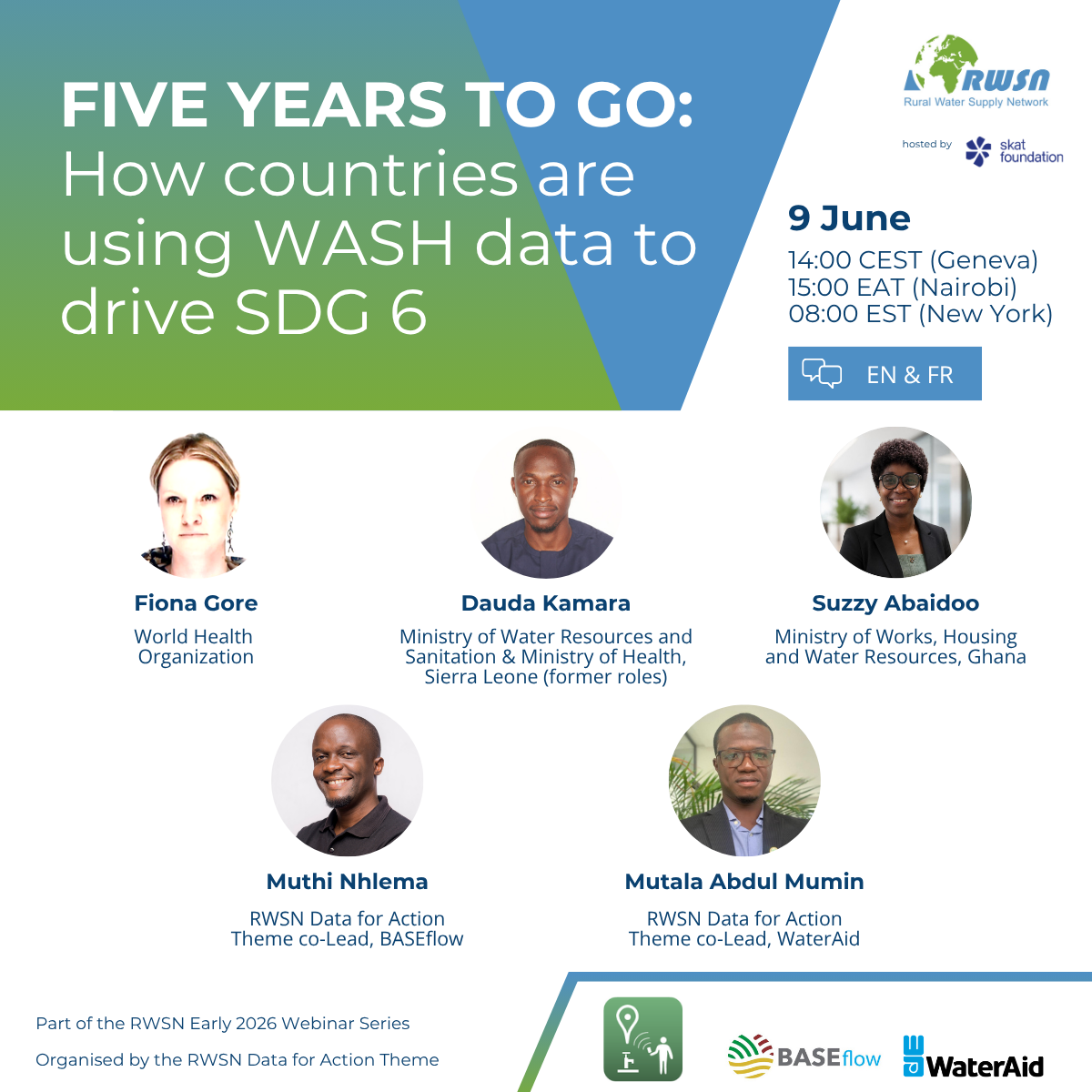
Mutala Abdul-Mumin and I recently co-hosted a RWSN – Rural Water Supply Network webinar examining how countries are using water, sanitation and hygiene (WASH) data to support progress toward Sustainable Development Goal 6 targets for #water. More than 240 people joined, and the discussion ran long so we couldn’t cover everything in the time available. A few observations on government adoption of digital technologies stood out, and I wanted to share them.

Firstly, governments recognize the value of data. It is sometimes assumed that governments remain indifferent to evidence, but the presentations from Ghana and Sierra Leone suggested a different picture. There is a clear interest in having a firmer grip on data, provided it is relevant to the decisions governments actually face (that is, addressing actual pain points) rather than information collected for its own sake. Sierra Leone’s use of WASH Accounts to track how financial resources are allocated, and whether they reach sustainable water and sanitation services, illustrated how data was responding to a question the government genuinely had. Because it answered a real question, the incentive to adopt and implement was already there.

Secondly, governments are increasingly embracing digitization. The move from paper-based methods toward digital systems was all the talk across the continent more than a decade ago. The session indicated that this transition is now underway in practice, with both Ghana and Sierra Leone taking different paths to migrating from paper to digital systems and even further to more centralized systems. This is no easy feat though; Sierra Leone has been on this data journey for more than four years and is not done yet, but they are still driving and leading the process.

Thirdly, digitization appears to be broadening ambition. The World Health Organisation presentation highlighted institutional fragmentation (WASH responsibilities being split across different ministries) as one of the most consistent systemic barriers to data-driven decision-making. Governments, using digital tools, are stepping up to address this barrier. In Ghana, in particular, they are leading to make sure WASH data serves more than just the ministry responsible for water, but also other strategic sectors such as health and education. This is a considerable undertaking that will require sustained resources and coordination across government departments, but the willingness to pursue this was evident and shows how digital tools have opened up options that weren’t on the table before.

Lastly, and interestingly given our times, a comment from a participant concerning artificial intelligence made me reflect on one key lesson I believe we can take forward from the digitization experience. When I asked the speakers what role they saw for AI in their work, both countries described a deliberate, sequential approach, meaning they preferred to address governance, financing and underlying systems gaps first BEFORE introducing AI as an additional layer. It was a measured response, and a clear signal that both countries want to move at their own pace. Given the impact AI has had across the world, do you blame them? Learning from the digitization experience, this measured response was not necessarily surprising. The ‘fail fast’ culture may suit NGOs and the private sector, but governments need more time to weigh effectiveness against trade-offs, especially on tax-payer funded services such as water supply.

So, if I had to wrap this up under one simple lesson from this webinar, it would be this: governments are not necessarily technophobic, they are technocautious. And with the current push, mostly via philanthropy, to scale new technologies through government systems, this is a valuable lesson to keep in mind. If nothing else, it could help manage expectations around the pace of government adoption. Fascinating stuff!

My thanks to Fiona Gore (WHO), Suzzy Abaidoo (Ghana) and DAUDA KAMARA (Sierra Leone) for their contributions, and to all who attended. The recording are currently available on the RWSN website for those who missed the webinar or would wish to revisit the discussion. Links can be found below: